
Minneapolis Institute of Art
Square Mirror
Japan
- Date
- 5th-6th century
- Medium
- Bronze
- Department
- Asian Art
- Institution
- Minneapolis Institute of Art
The Japanese first began to caste bronze mirrors, fashioned after Chinese and Korean prototypes, during the mid-Yayoi period (400 b.c. - 250 a.d.). During the succeeding Kofun period, mirrors were produced in significant quantities and were customarily placed within the burial chambers of high-ranking individuals. While the fronts were polished to achieve a reflective surface, the backs were embellished with relief decoration organized around a central domed eyelet to accommodate a cord. It is likely that such mirrors were valued as symbolic solar disks, rather than as functional objects. This theory is given credence by the fact that the sacred imperial regalia of Japan came to consist of a mirror, a sword, and a jewel. Asia
The authoritative record is held by Minneapolis Institute of Art. LinkedCulture surfaces this object and its connections; it does not alter institutional metadata.
Related across collections
Semantically similar works from Minneapolis Institute of Art and other institutions.

Round mirror with flying cranes surrounded by chrysanthemums
Minneapolis Institute of Art

Mirror with eight arches, decorated with peonies and leaves
Minneapolis Institute of Art
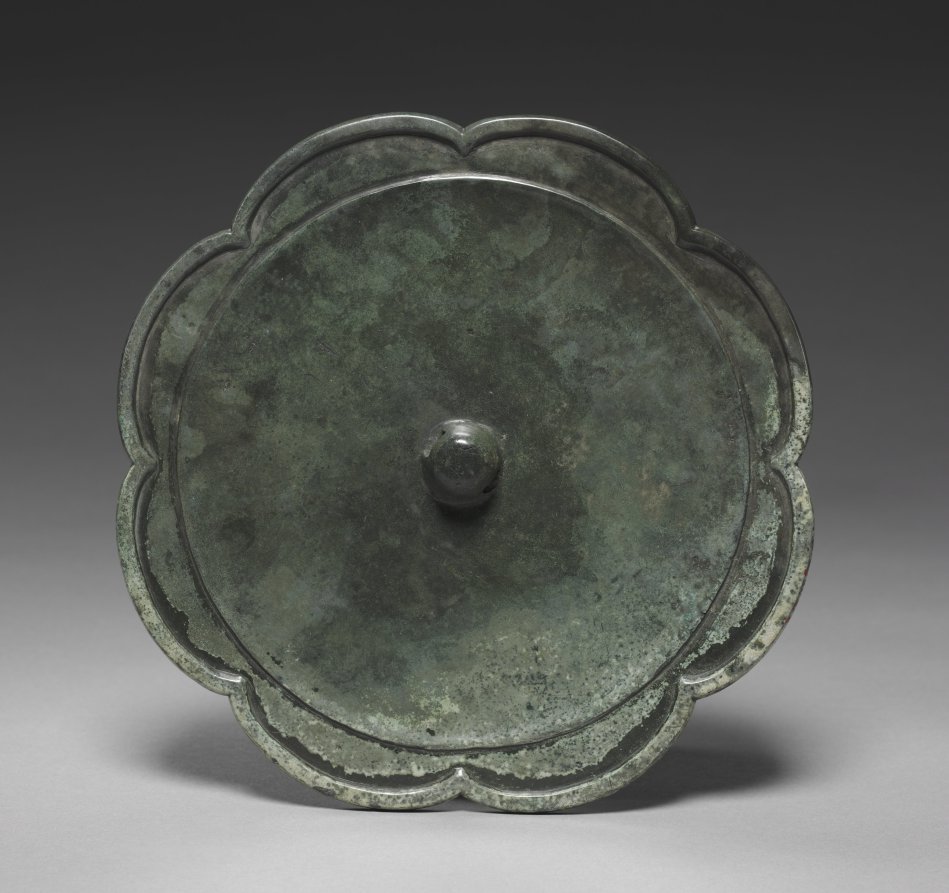
Flower-shaped Mirror
Cleveland Museum of Art
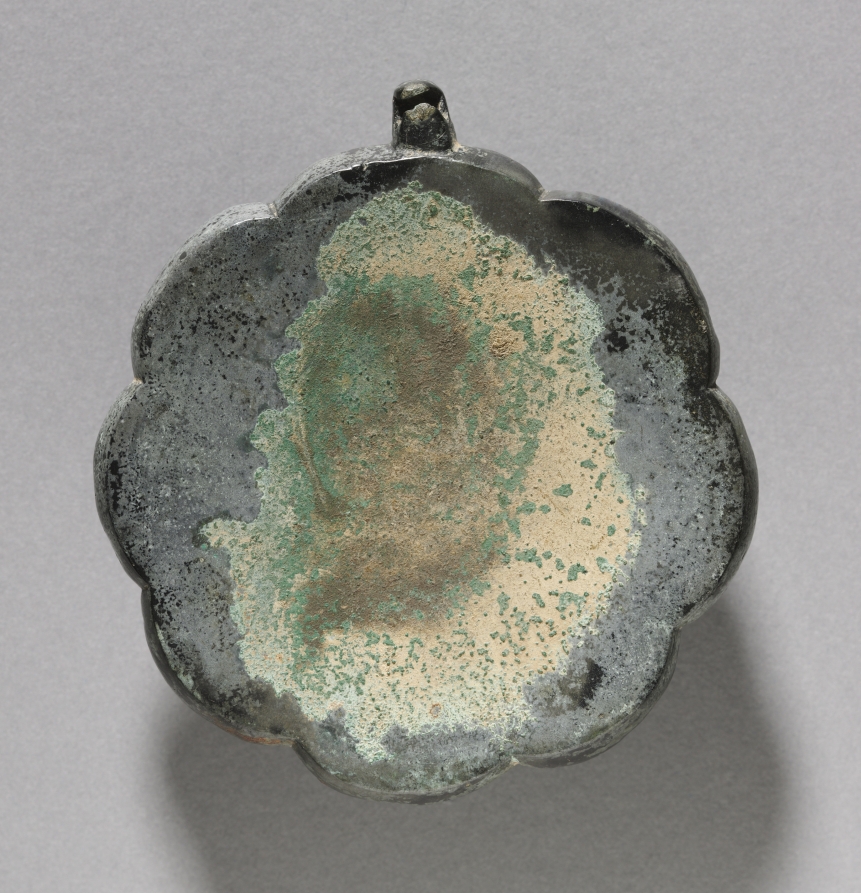
Flower-shaped Mirror
Cleveland Museum of Art

Mirror with Cosmological Design
Minneapolis Institute of Art
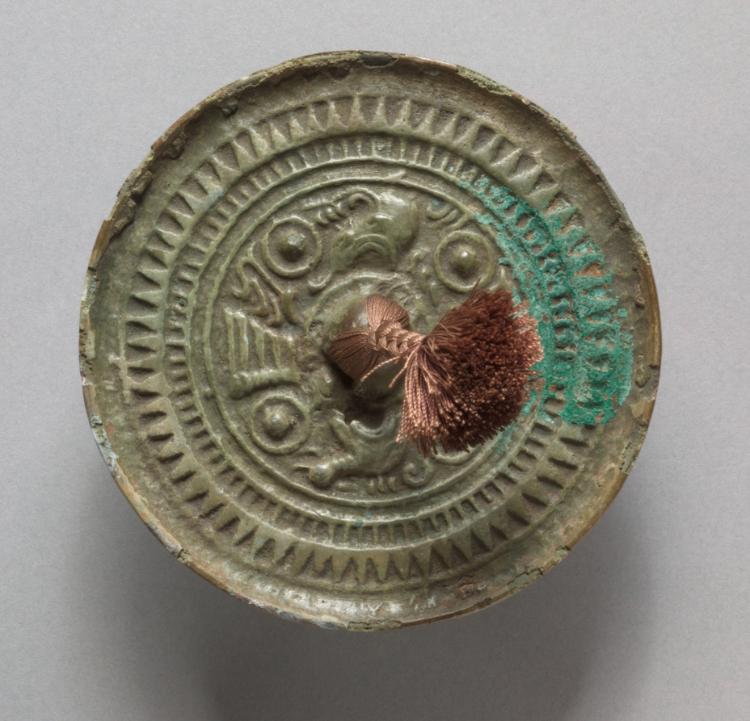
Mirror
Cleveland Museum of Art
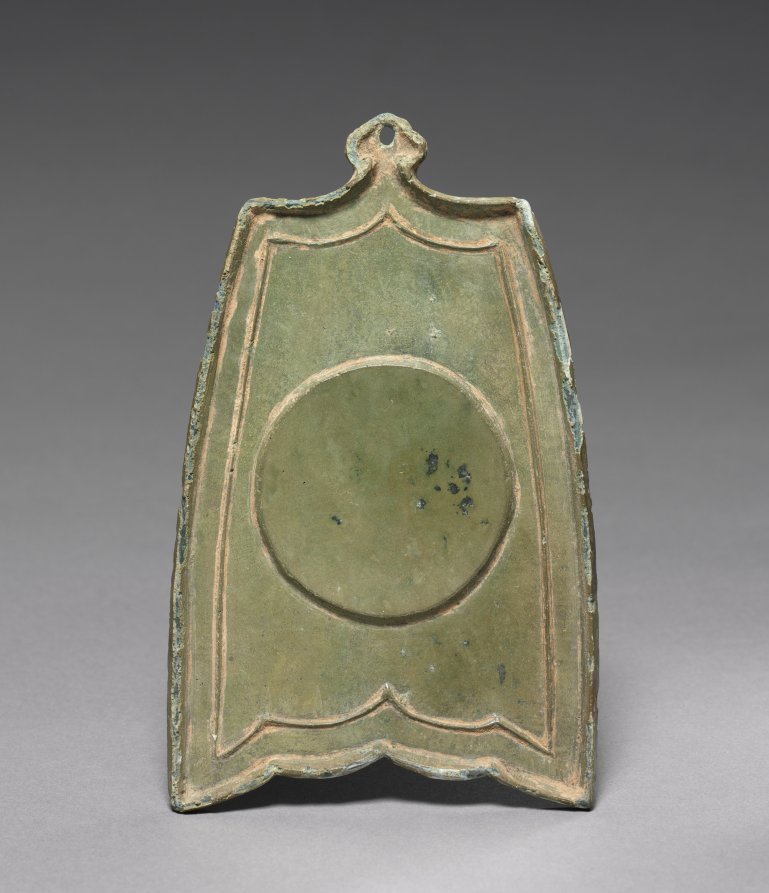
Bell-shaped Mirror
Cleveland Museum of Art
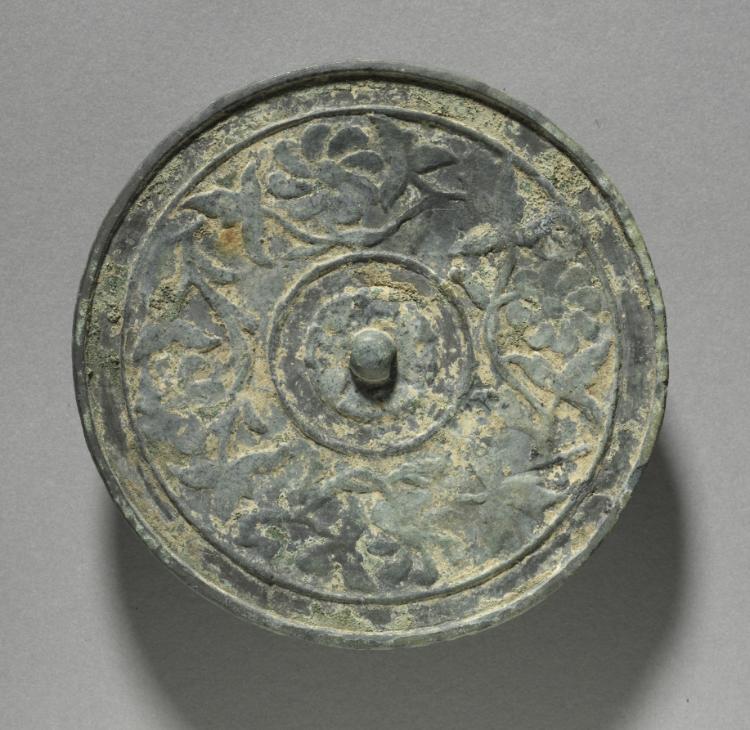
Mirror with Scroll Design
Cleveland Museum of Art
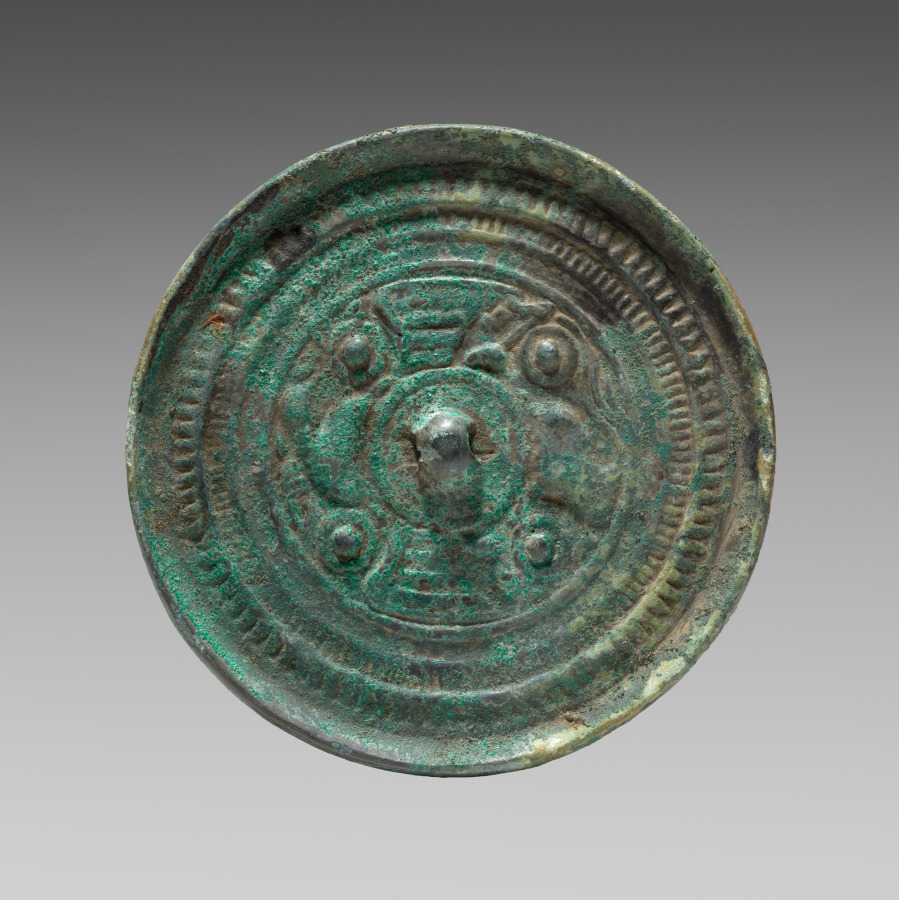
Mirror
Cleveland Museum of Art
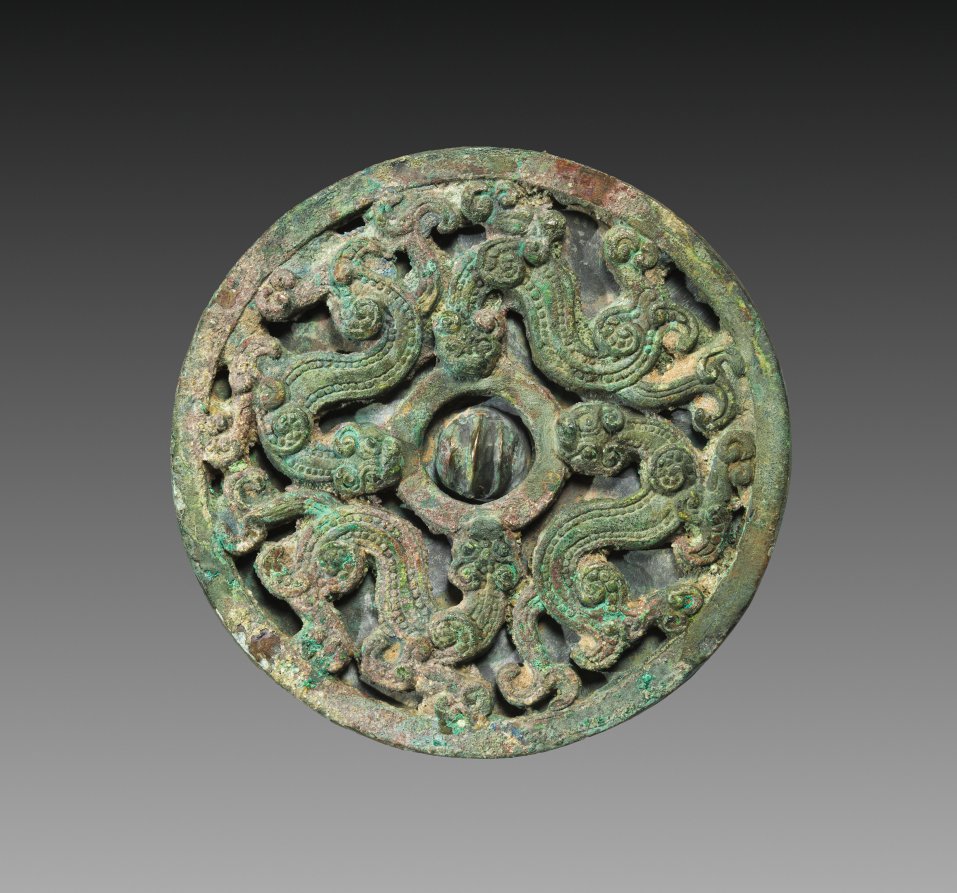
Double-tier Mirror
Cleveland Museum of Art
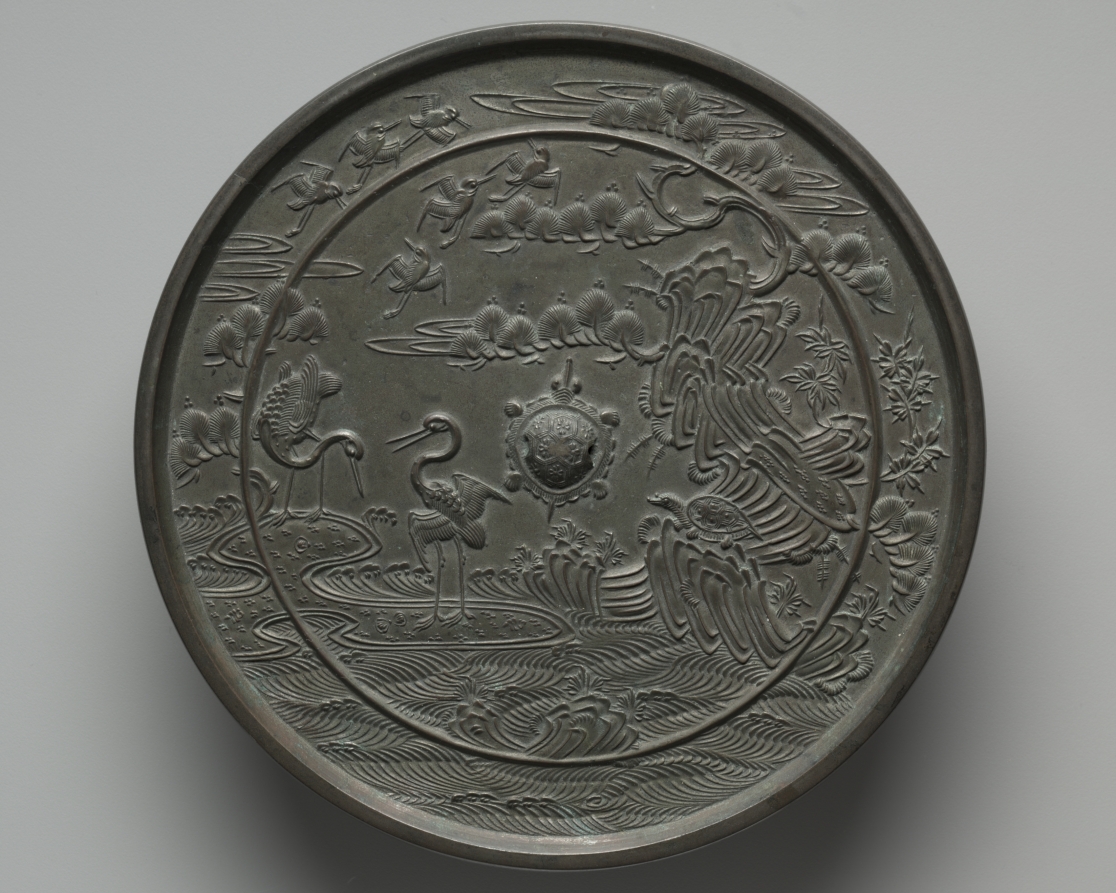
Mirror
Cleveland Museum of Art
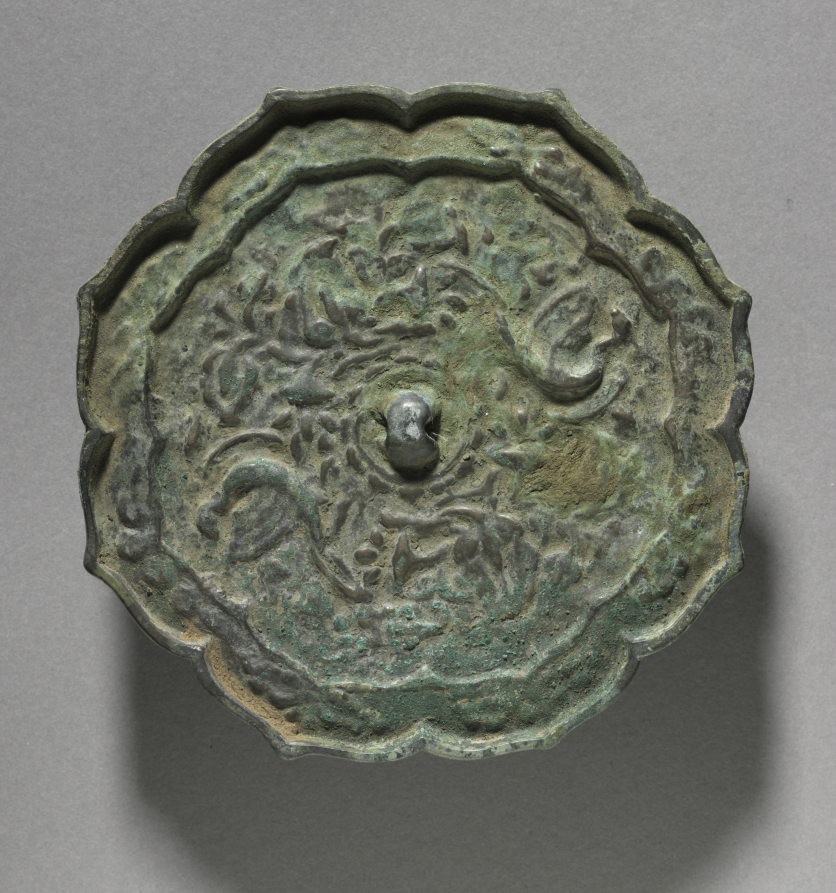
Eight-foiled Mirror with Flower and Phoenix Design
Cleveland Museum of Art