
Minneapolis Institute of Art
Seated Jina
India (Madhya Pradesh); or India (Gujarat)
- Date
- c. 1108
- Medium
- Black stone
- Department
- Asian Art
- Institution
- Minneapolis Institute of Art
In Hinduism (Brahmanism), sculpture serves as a vessel for the divine spirit. In Jainism, sculptures like this one are inanimate and, instead, embody a model of behavior as perfected by the Jina. The Jina (perfected being) is a spiritual victor who has gained release from the world by abiding to strict principles of nonviolence and the abandonment of material possessions. Even physical or mental action is considered a form of material attachment. The Jina, of which there have only been 24 (the last being Jina Mahavira, founder of the Jain faith in the 500s bce), has arrived at the indestructible, immortal, and all-knowing inner soul. This ideal is expressed in the figure’s perfect stillness. A Sanskrit inscription on the cushion names the sculpture’s patron—“Jakula, son of Avasara in the pragvata lineage”—and dates its dedication, when it would have likely joined a row of such images at a Jain temple. Because few devotees can fully abandon the responsibilities of everyday life, such acts of philanthropy are believed to push the soul slowly forward along the path to perfection. India, Asia
The authoritative record is held by Minneapolis Institute of Art. LinkedCulture surfaces this object and its connections; it does not alter institutional metadata.
Related across collections
Semantically similar works from Minneapolis Institute of Art and other institutions.
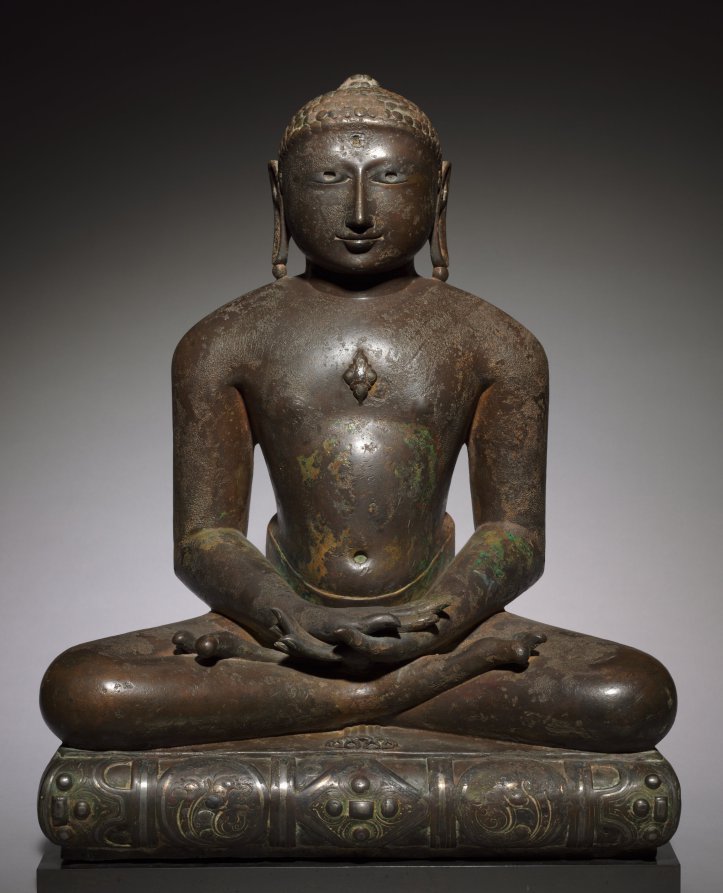
Jina (Tirthankara)
Cleveland Museum of Art

Jina
Minneapolis Institute of Art
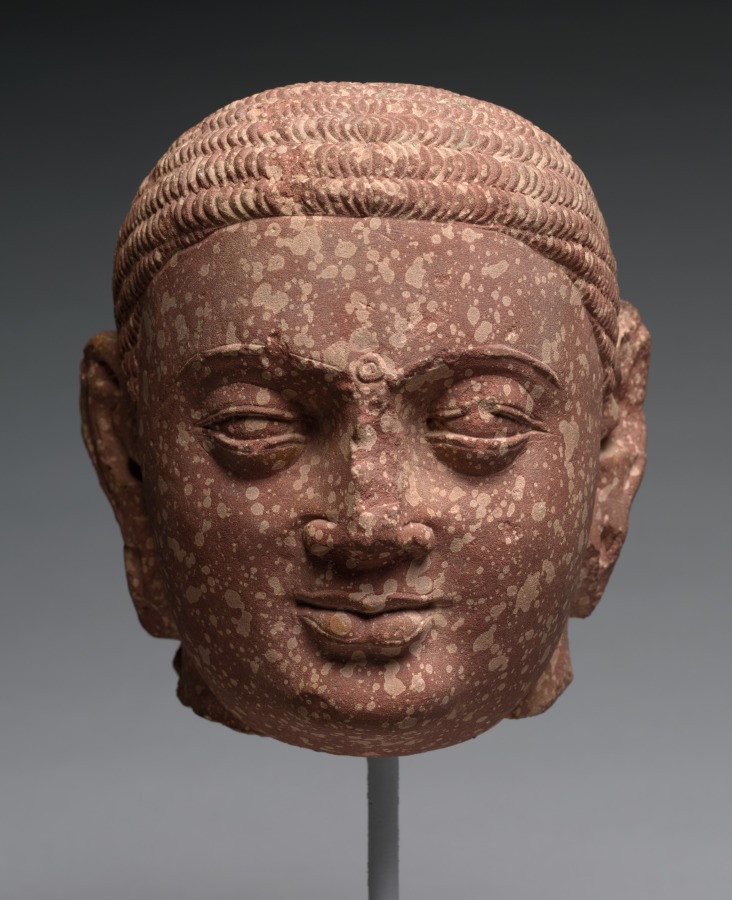
Head of Jina
Cleveland Museum of Art
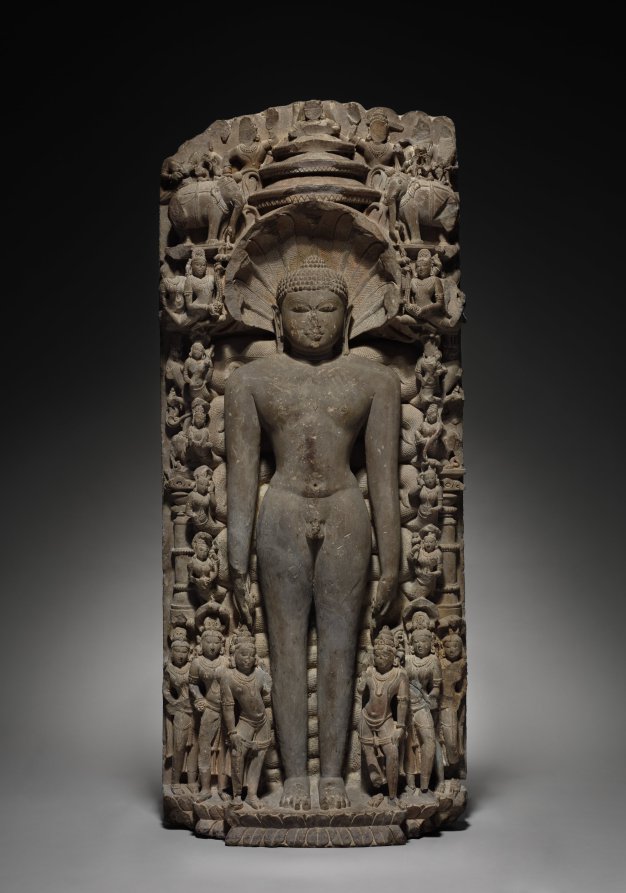
Parshva
Cleveland Museum of Art
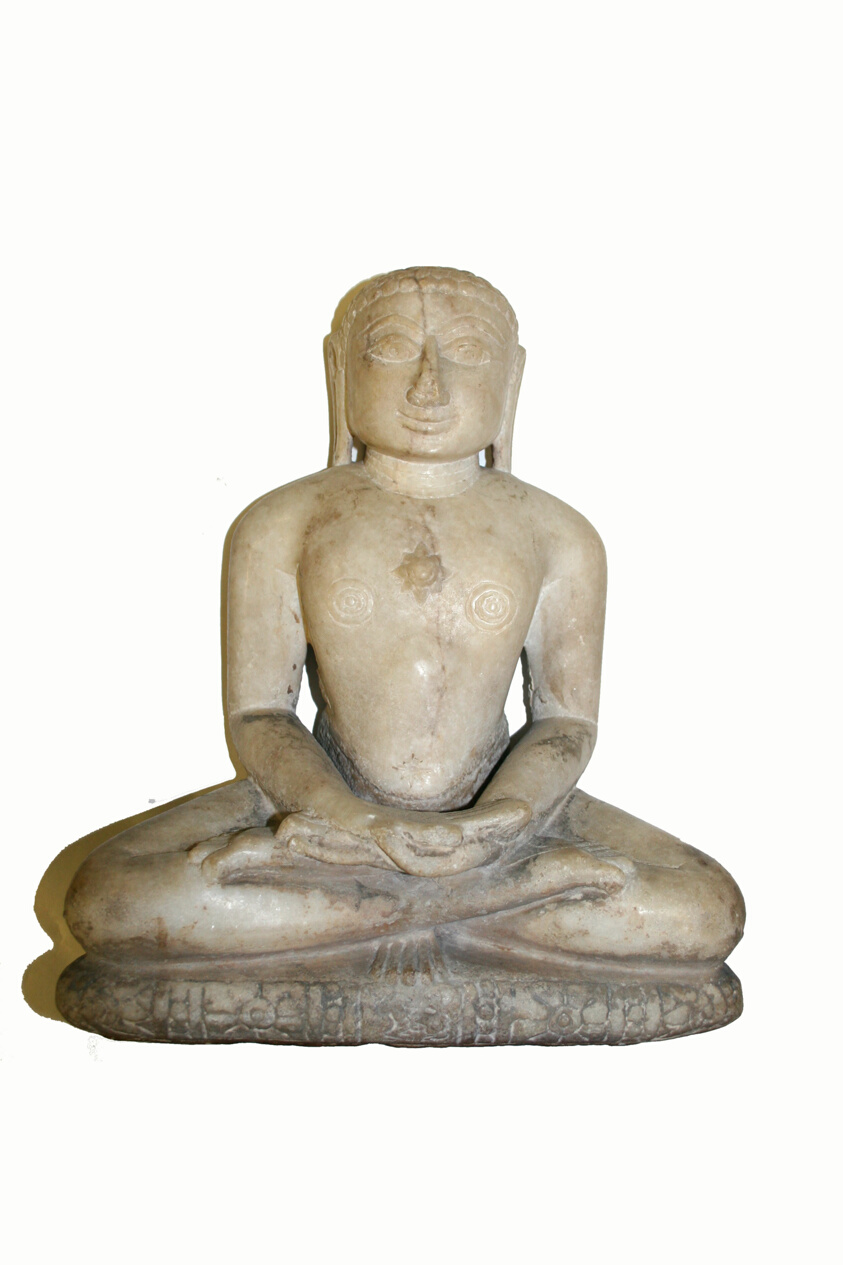
Jaina Tirthankara Seated in Meditation (Dhyanamudra)
Art Institute of Chicago
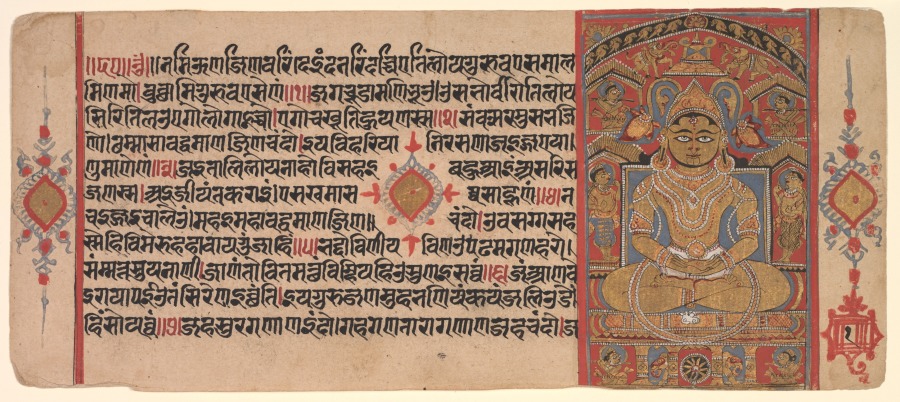
Seated Jina Rishabha Enshrined, from a Jain Manuscript: Kalpa-Sutra
Cleveland Museum of Art

Mahavira Gives Away His Possessions
Minneapolis Institute of Art

Adoration of a Tirtankara
Minneapolis Institute of Art

Caturvimsati-patta of Jina
Minneapolis Institute of Art
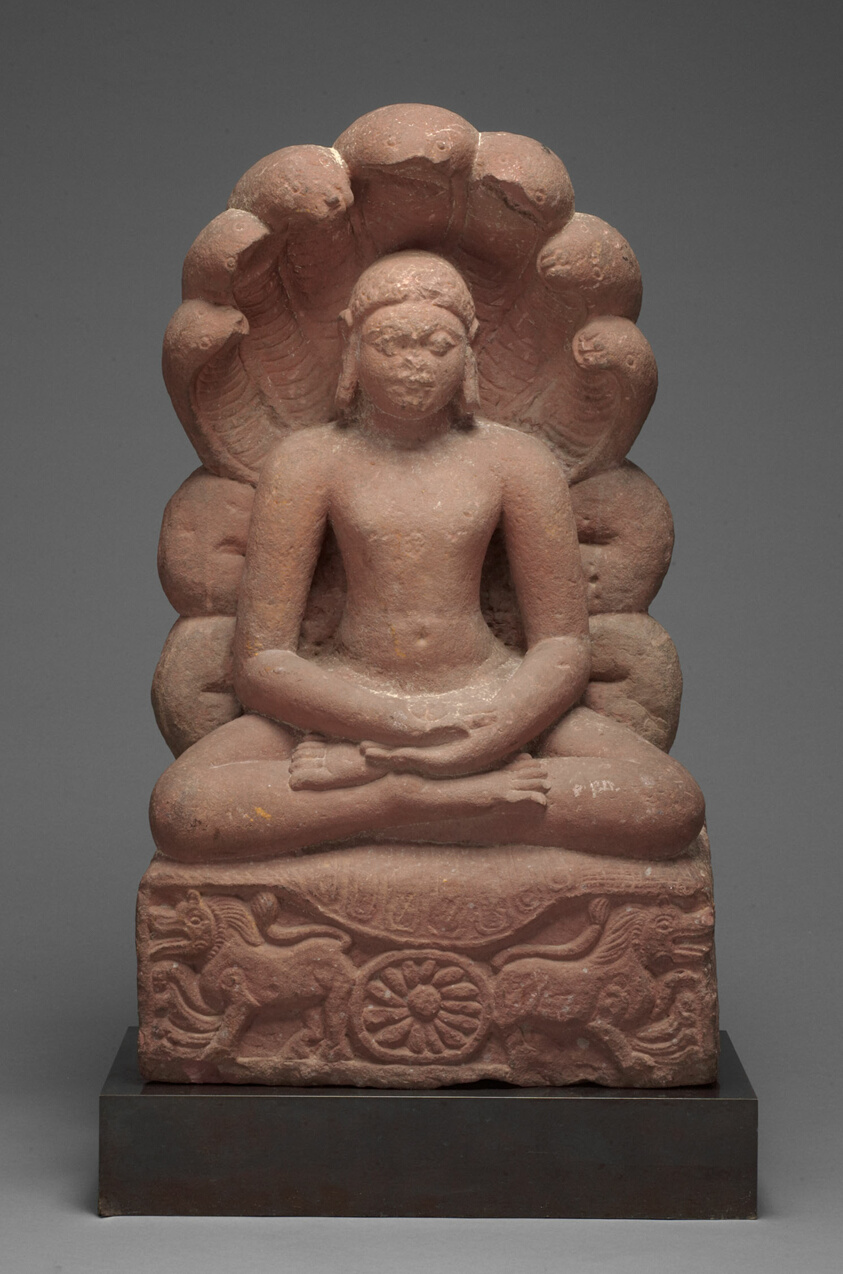
Jaina Tirthankara Parshvanatha Seated in Meditation (Dhyanamudra) under a Snake Hood
Art Institute of Chicago
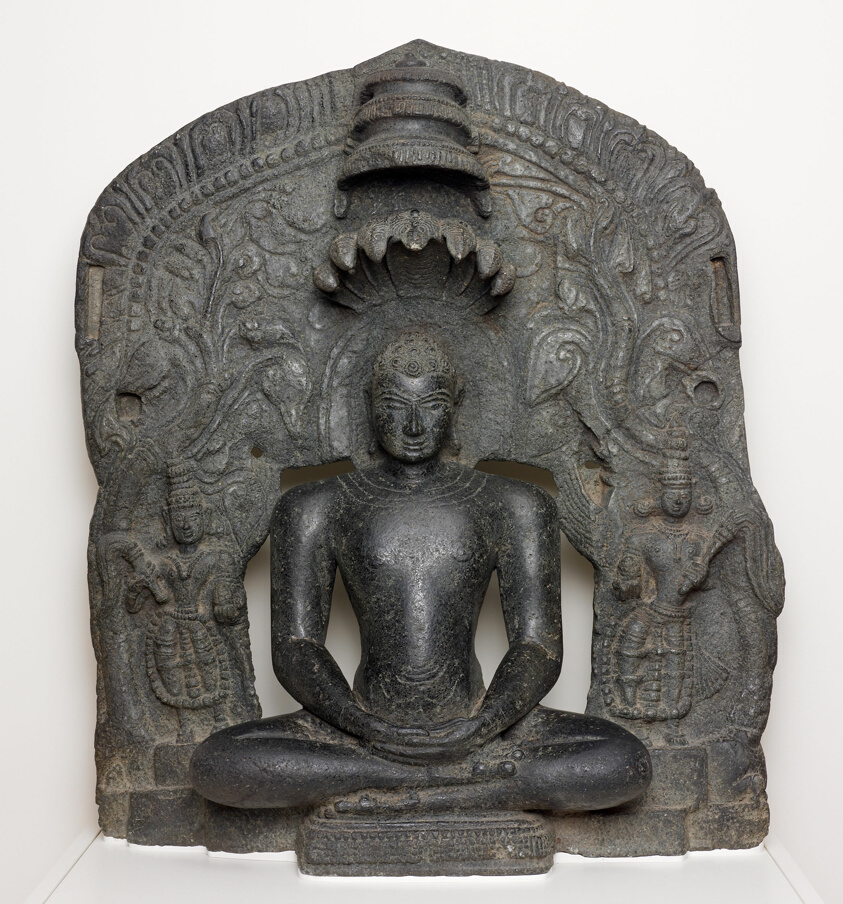
Jaina Tirthankara Parshvanatha with Serpent Hood Seated in Meditation (Dhyanamudra)
Art Institute of Chicago
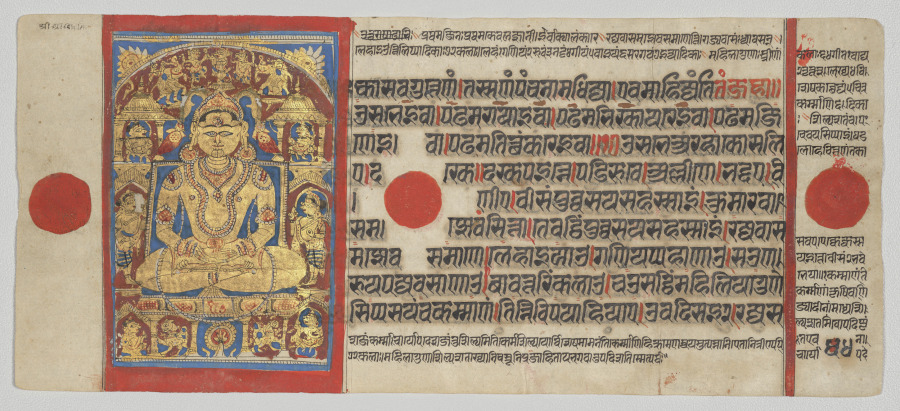
Nemi Enthroned, Folio 54 (verso), from a Kalpa-sutra
Cleveland Museum of Art