
Minneapolis Institute of Art
Plate
Persia (Iran)
- Date
- early 18th century
- Medium
- White earthenware with underglaze blue and black decor, Meshed ware
- Department
- Asian Art
- Institution
- Minneapolis Institute of Art
Although blue-and-white patterns in ceramics are associated with China, Islamic potters were the first to use cobalt-blue decoration. When commercial ties to China were reestablished during the 1300s, fine ceramics imported from East Asia, particularly blue-and-white, became extremely popular and greatly affected subsequent Islamic styles. This outstanding example from the Safavid period is closely related to Chinese porcelains of the Ming dynasty (1368–1644). The foliate rim, tendril design of the cavetto (concave molding), animal motif in the center, and continuous scroll bands all loosely refer to Chinese motifs. Iran
The authoritative record is held by Minneapolis Institute of Art. LinkedCulture surfaces this object and its connections; it does not alter institutional metadata.
Related across collections
Semantically similar works from Minneapolis Institute of Art and other institutions.
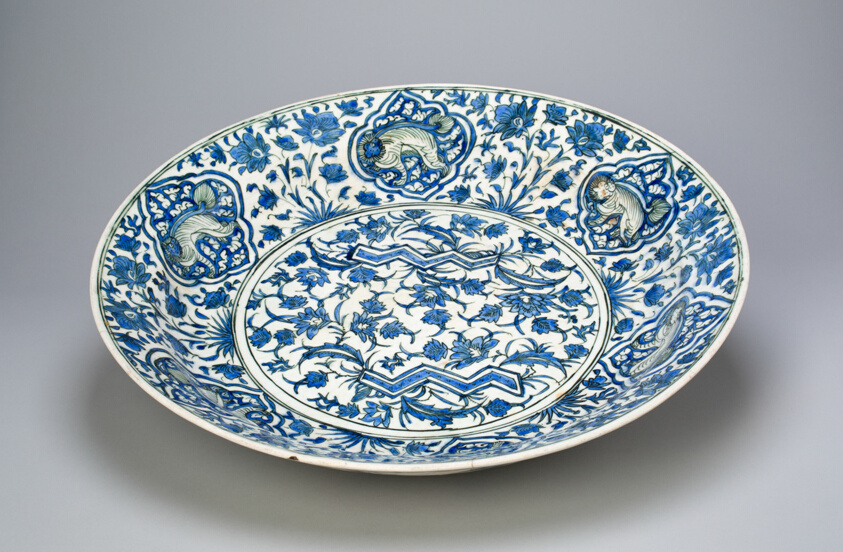
Dish with Floral and Animal Decoration
Art Institute of Chicago

Imperial deep dish
Minneapolis Institute of Art

Dish
Minneapolis Institute of Art
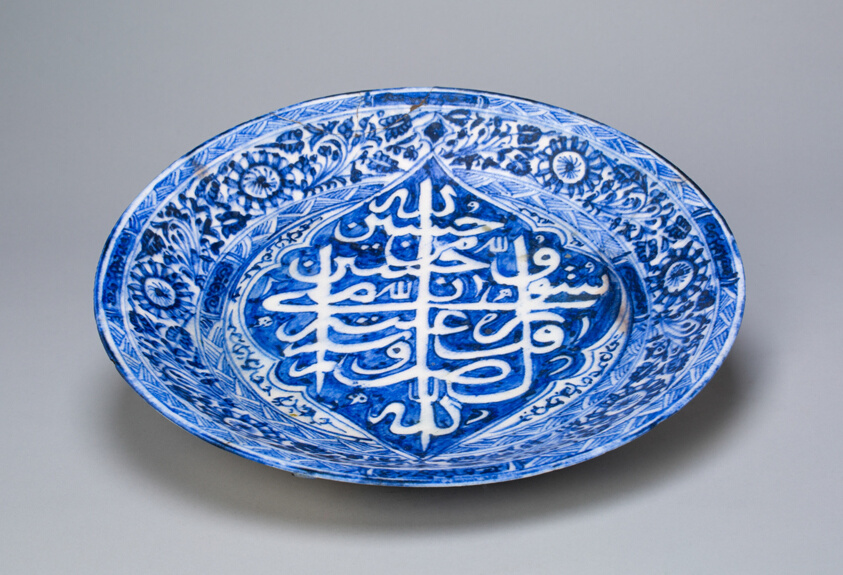
Dish with a Prophetic Hadith
Art Institute of Chicago

Bowl with diamond, floral, and vegetal design
Minneapolis Institute of Art

Footed Vase with Applied Ring Handles
Minneapolis Institute of Art

Polychrome dish, one of a pair
Minneapolis Institute of Art

Plate
Minneapolis Institute of Art
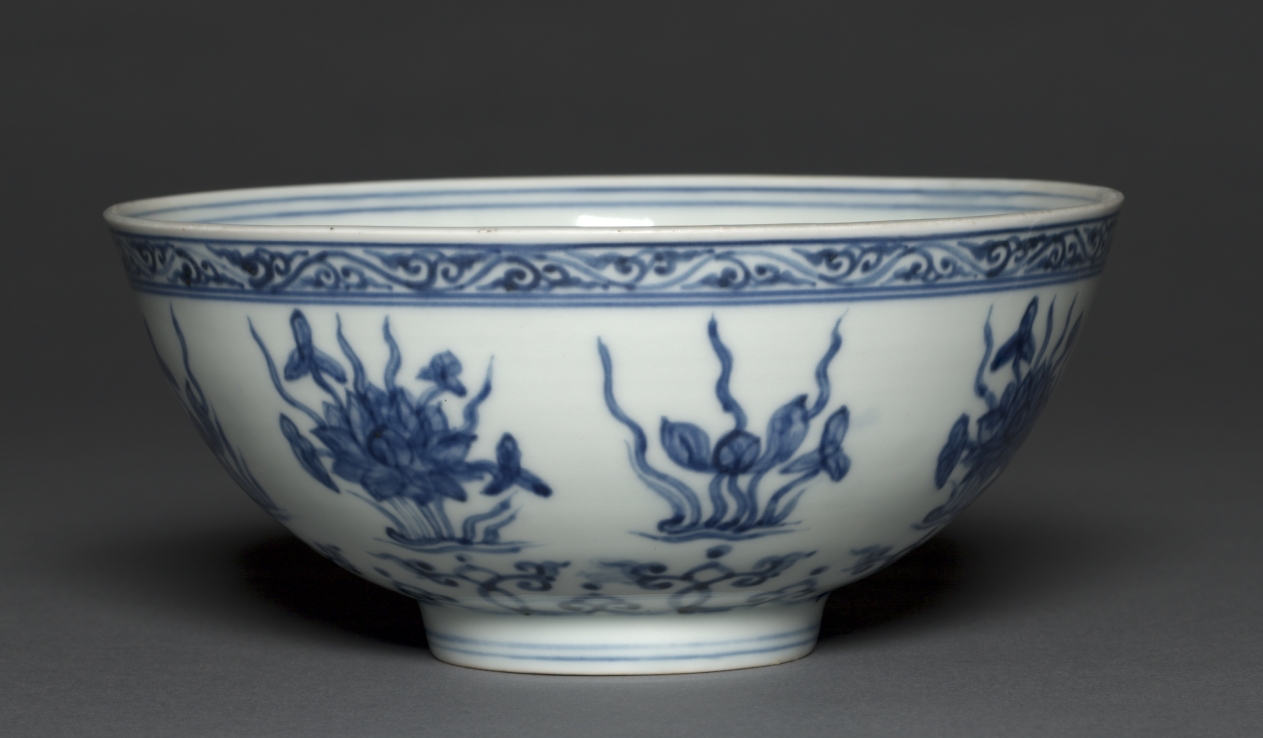
Bowl (wan) with Water Plants and Arabesques
Cleveland Museum of Art
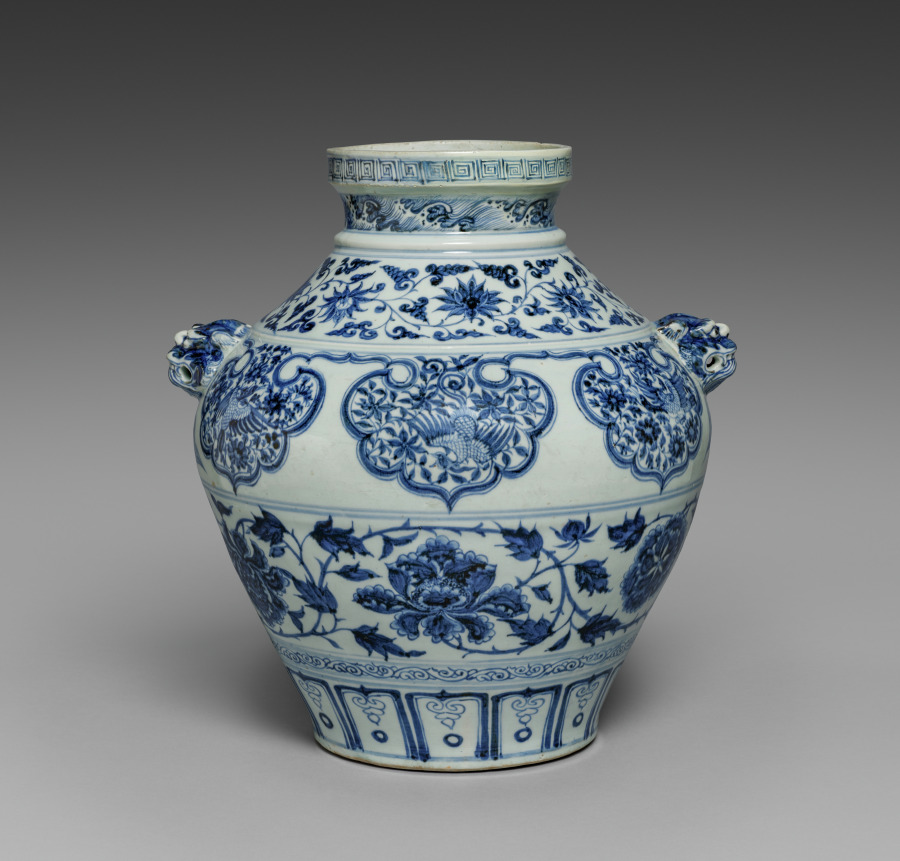
Jar with Lion-Head Handles
Cleveland Museum of Art
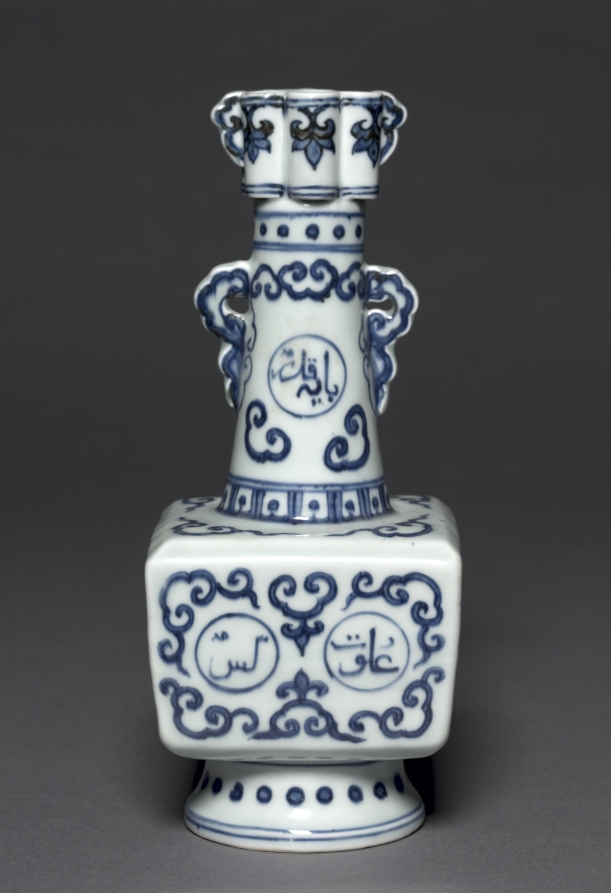
Arrow Vase with Persian Inscriptions and Floral Scrolls
Cleveland Museum of Art
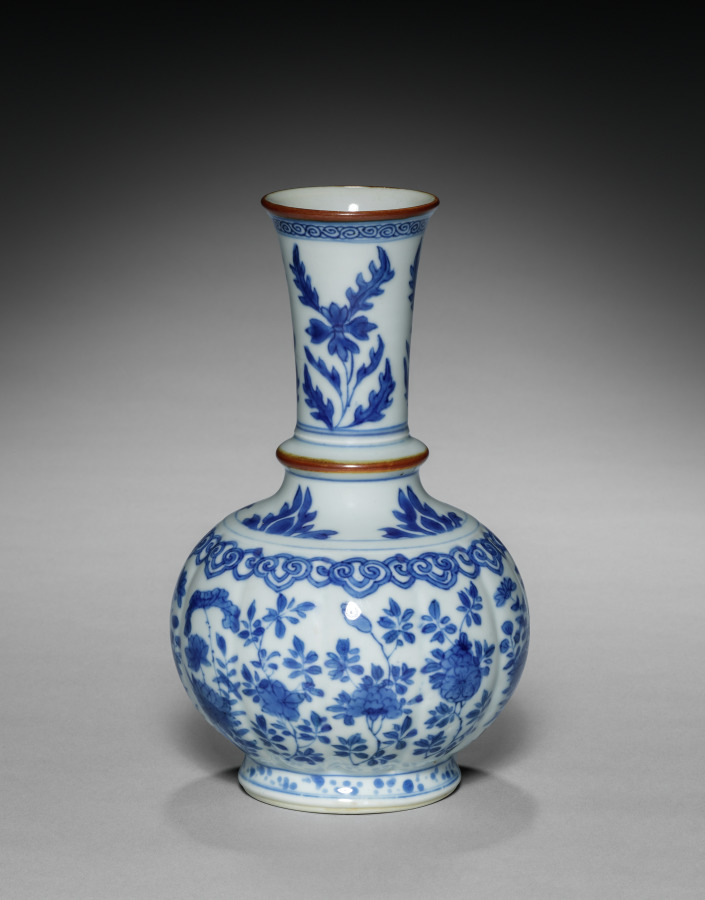
Lobed vase with underglaze cobalt blue decoration
Cleveland Museum of Art