
Minneapolis Institute of Art
Funerary model of a pavilion
China
- Date
- 1st century BCE-1st century CE
- Medium
- Low-fired earthenware with green glaze
- Department
- Asian Art
- Institution
- Minneapolis Institute of Art
Ceramic models of common structures were often placed in aristocratic tombs during the Han dynasty. Improved methods of construction in the Han period led to the construction of many tower-like buildings made of brick, wood and ceramic tile. The model is made up of five detachable sections which together form four levels. Although nearly two thousand years old, it clearly shows the tile roof's cantilever bracket system, deep overhangs and walled courtyard that have remained standard in traditional Chinese architecture to the present day. This basic system of multi-story construction was later adopted to the building of Buddhist pagodas. China, Asia
The authoritative record is held by Minneapolis Institute of Art. LinkedCulture surfaces this object and its connections; it does not alter institutional metadata.
Related across collections
Semantically similar works from Minneapolis Institute of Art and other institutions.

Model of a Watchtower
Minneapolis Institute of Art
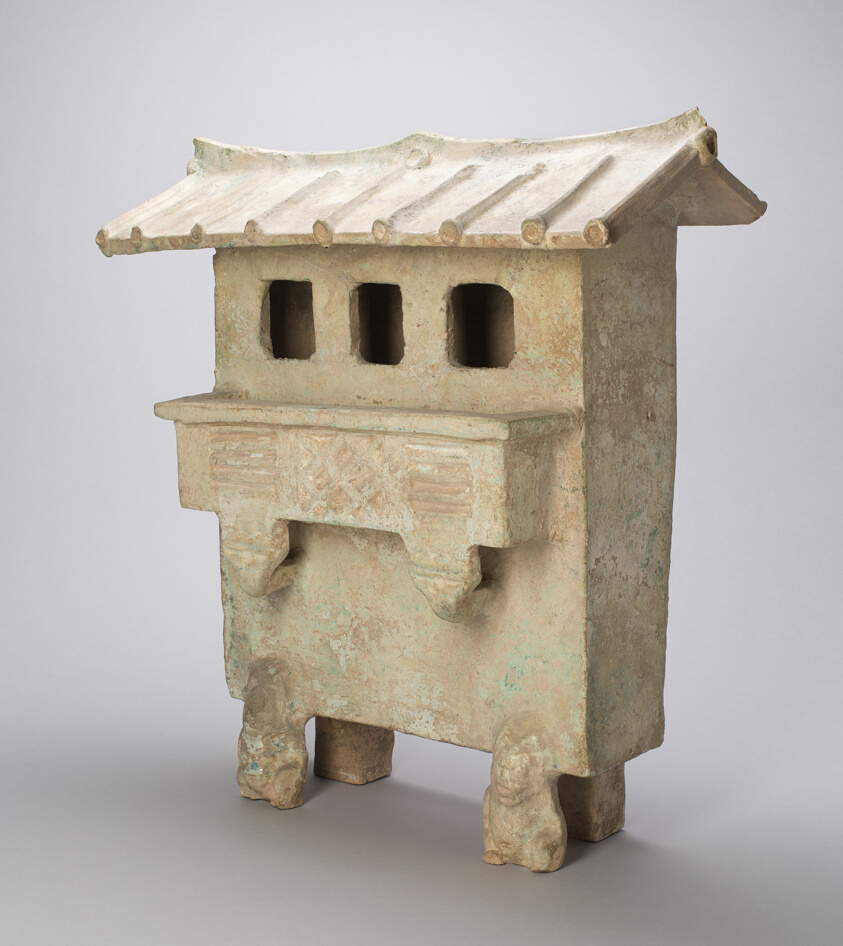
Model of a Two-Story Structure
Art Institute of Chicago

Model of a Farmstead
Minneapolis Institute of Art

Grain Storage Building, from a model farmstead
Minneapolis Institute of Art
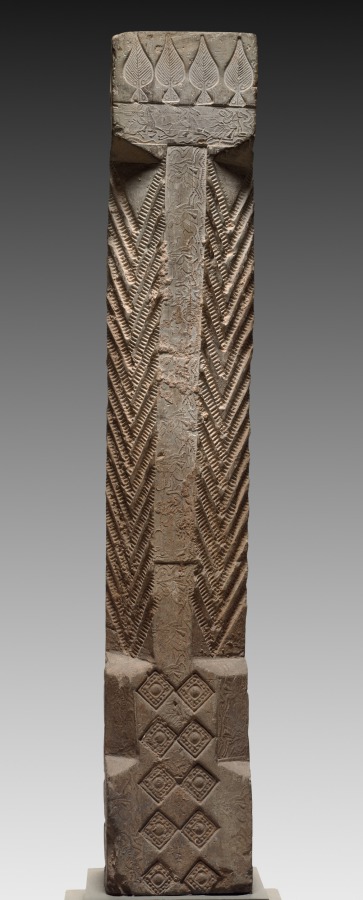
Hollow Tile: Column from Tomb-Chamber Doorway
Cleveland Museum of Art
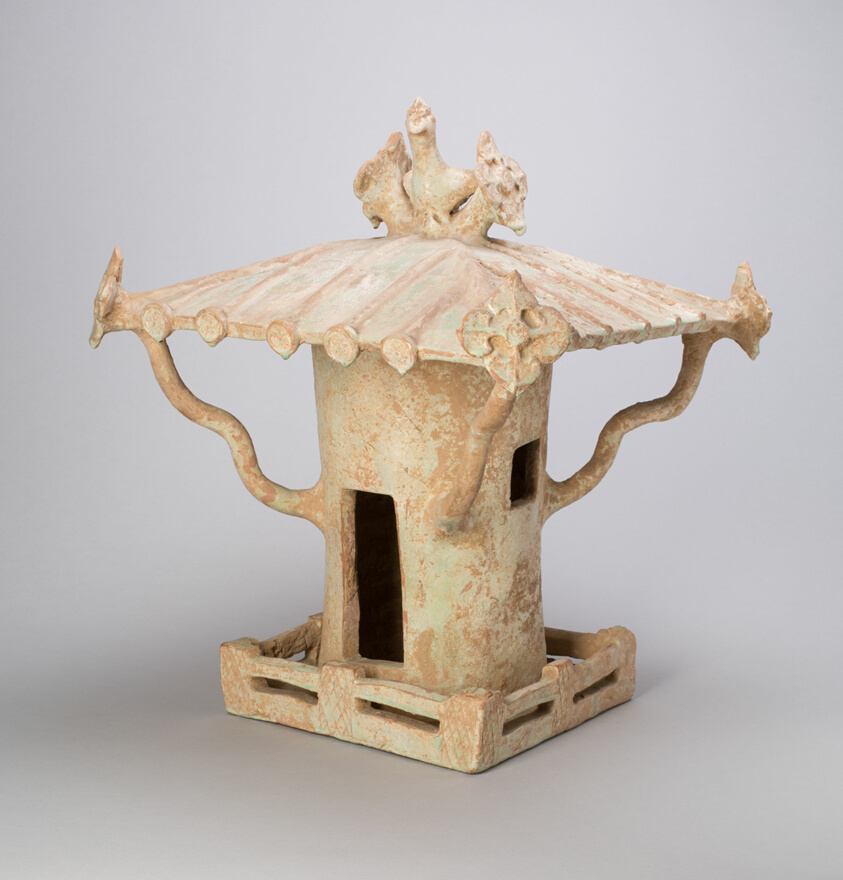
Top Story of a Tower (Tomb Model)
Art Institute of Chicago
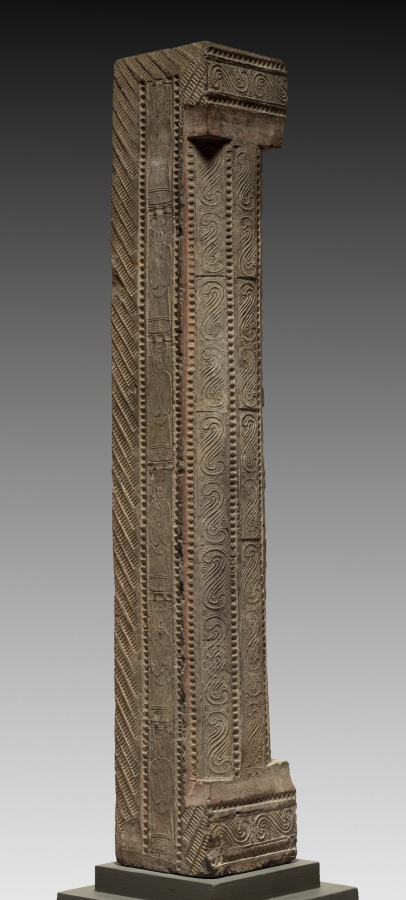
Hollow Tile: Column from Tomb-Chamber Doorway
Cleveland Museum of Art
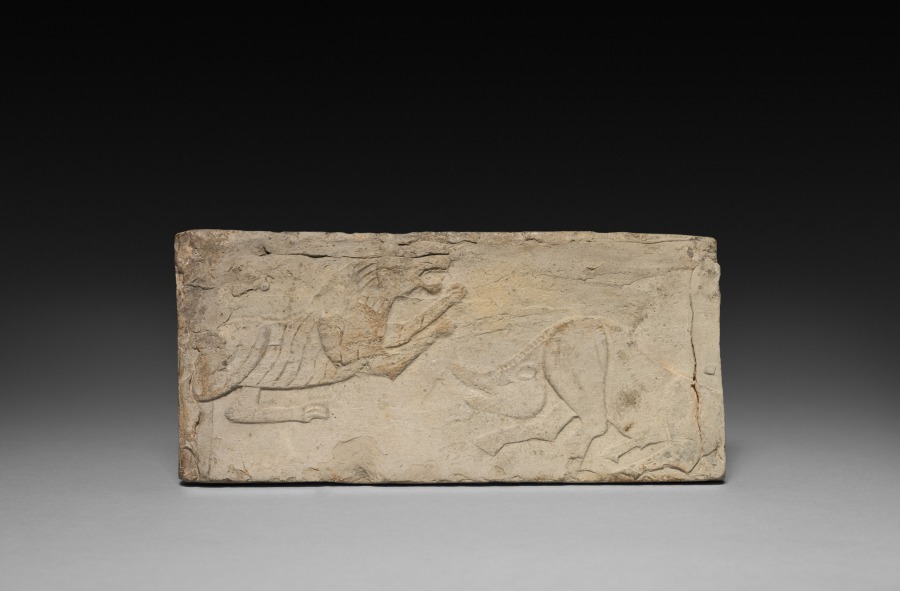
Relief with Rampant Tiger and Boar from a Funerary Stove Model
Cleveland Museum of Art
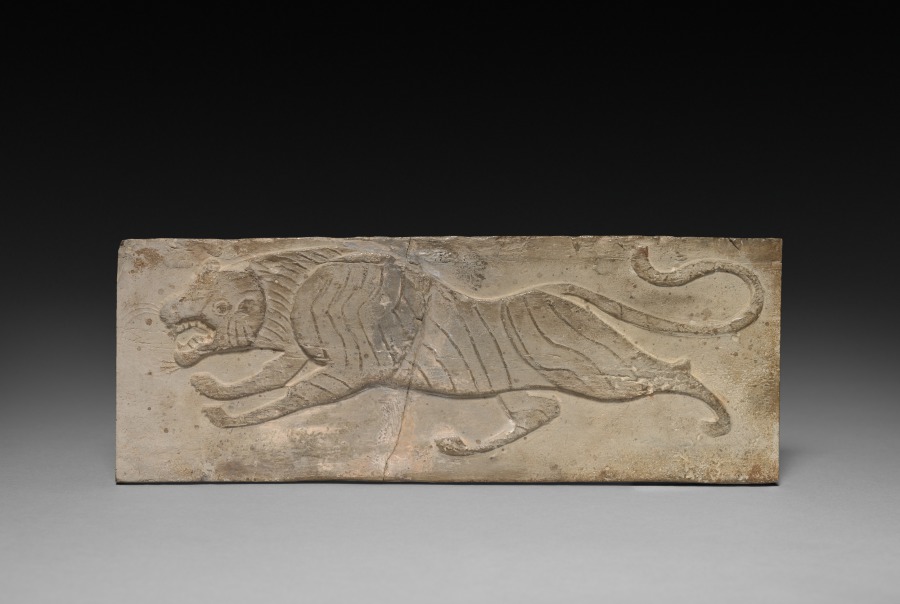
Relief with Tiger from a Funerary Stove Model
Cleveland Museum of Art
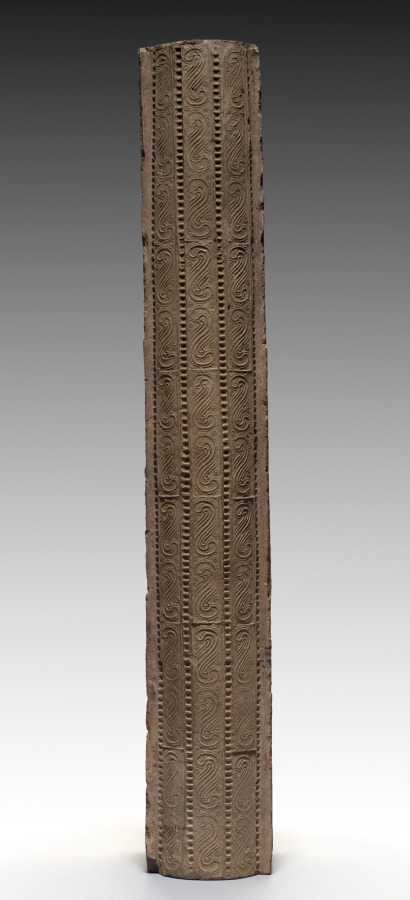
Hollow Tile: Lintel from Tomb-Chamber Doorway
Cleveland Museum of Art
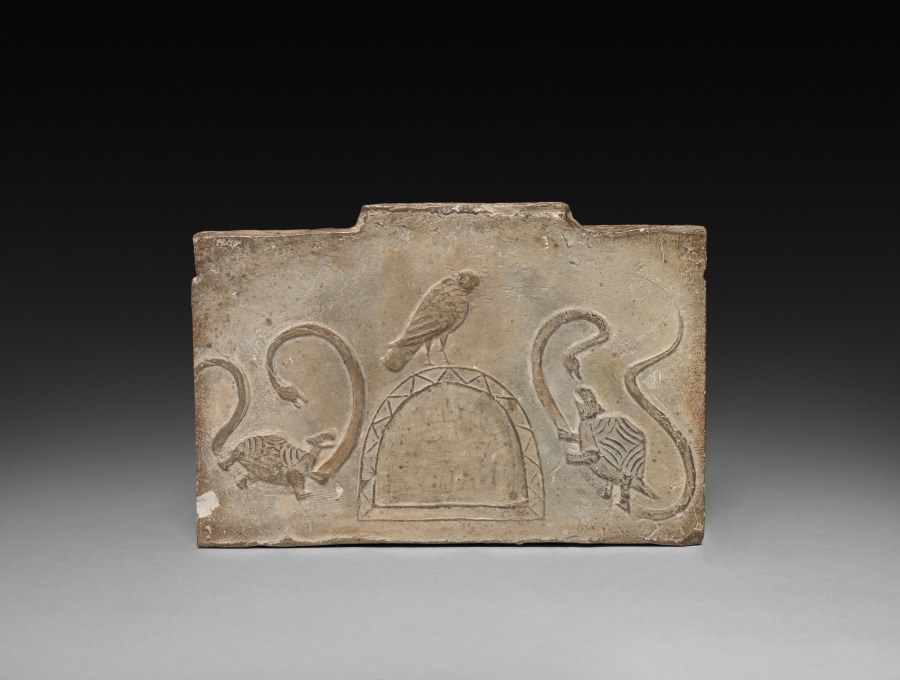
Panel from Model Cooking Stove: Raven Flanked by Snake-Entwined Tortoises
Cleveland Museum of Art
Funerary Model of a Defensive Watch Tower Set in a Basin Representing a Moat
Harvard Art Museums