
Minneapolis Institute of Art
The Artificial or Oblique Armillary Sphere
Nicolas de Fer (after); Engraver: P. Starckmann
- Date
- 1740
- Medium
- Hand-colored engraving
- Department
- European Art
- Institution
- Minneapolis Institute of Art
Ancient astronomers used the armillary sphere to measure the coordinates of stars. By the 17th century, the tool was regarded as too imprecise for scientists, but it found new life in the well-appointed libraries of rich burghers, where it became a chic curiosity and emblem of sophistication. This example shows the traditional model, with the Earth at the center of the universe. The graduated rings represent the primary celestial sphere, which includes the 12 constellations of the zodiac, the celestial equator, the meridian, and the latitude lines of the Earth projected into the sky. This complicated engraving also depicts four competing interpretations of the cosmos-those of Ptolemy, Copernicus, Tycho Brahe, and Descartes-as well as the uneven surface of the Moon (note the mountains and deep craters), first observed by Galileo in 1609. Netherlands, Europe
The authoritative record is held by Minneapolis Institute of Art. LinkedCulture surfaces this object and its connections; it does not alter institutional metadata.
Related across collections
Semantically similar works from Minneapolis Institute of Art and other institutions.
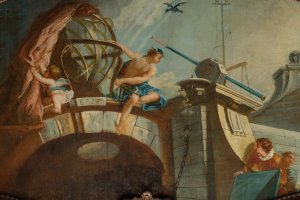
L'Astronomie
Musée Carnavalet, Histoire de Paris

Préliminaires de paix avec l'Angleterre, 9 vendémiaire an X (1er octobre 1801)
Musée Carnavalet, Histoire de Paris
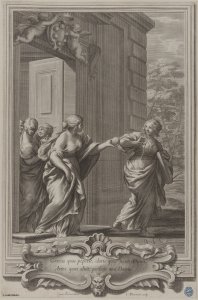
L'Algèbre, accompagnée de l'astronomie et de quelques autres parties des mathématiques, présentant une pelotte de fil à la Géométrie d'après Ciro Ferri, (Dutuit p. 39, Le Blanc 208)
Petit Palais, musée des Beaux-arts de la Ville de Paris
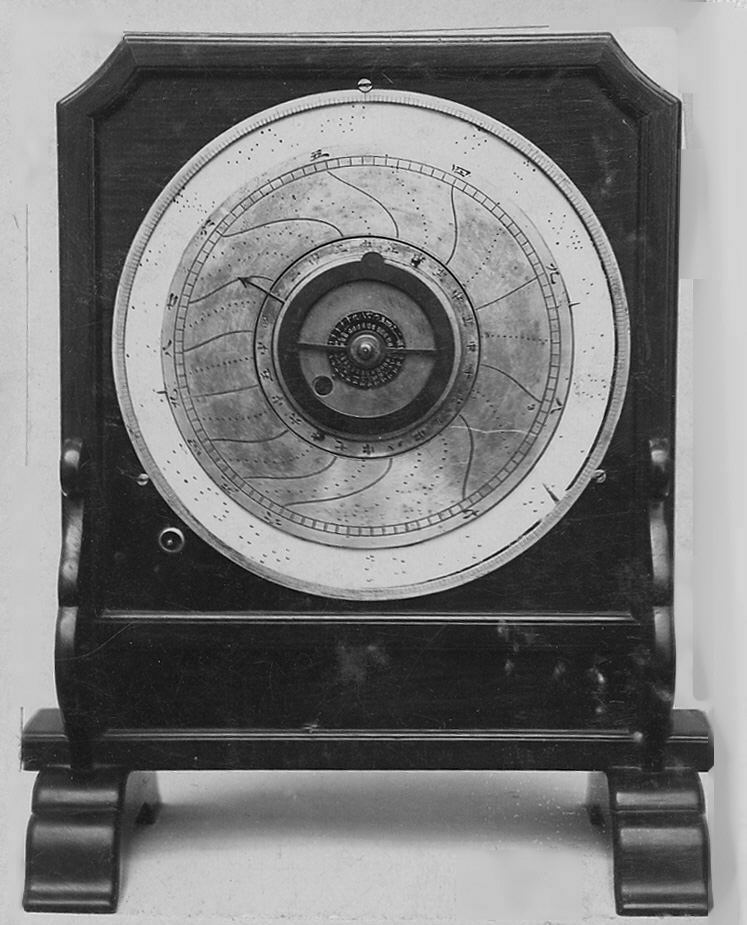
Astronomical Clock
The Metropolitan Museum of Art
Prière pour la paix, 1793
Musée Carnavalet, Histoire de Paris

Prix décerné à Charles Chevalier (1804-1859), ingénieur-opticien, pour la fabrication du microscope achromatique inventé par Alexander Fischer von Waldheim, 1840
Musée Carnavalet, Histoire de Paris
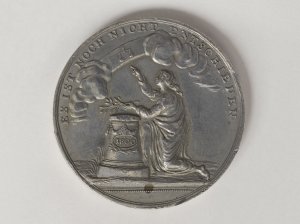
Evénements marquants de la décennie 1791-1800
Musée Carnavalet, Histoire de Paris

Wall Clock (pendule d'alcove)
Getty Museum

Paix de Lunéville, 20 pluviose an IX (9 février 1801)
Musée Carnavalet, Histoire de Paris

Exposition des sciences appliquées à l'industrie, 1879
Musée Carnavalet, Histoire de Paris
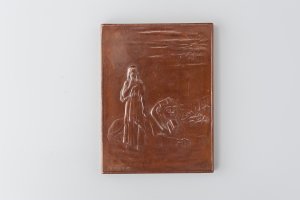
175e anniversaire de la fondation de la loge maçonnique La Parfaite Union
Musée Carnavalet, Histoire de Paris
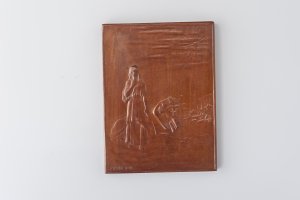
175e anniversaire de la fondation de la loge maçonnique La Parfaite Union
Musée Carnavalet, Histoire de Paris