
Minneapolis Institute of Art
Prayer mat
Sakalava artist
- Date
- second quarter of 20th century
- Medium
- Raffia, natural dyes, ikat
- Culture
- Sakalava
- Department
- Arts of Global Africa
- Institution
- Minneapolis Institute of Art
Praying to God five times a day, Muslims make use of their “portable mosques”—prayer mats like this raffia version from the Sakalava people of Madagascar, the large island in the Indian Ocean off the coast of East Africa. Its design repeats the outline of the Arabian-inspired mihrab, the niche in mosques indicating the direction of Mecca, while its ikat tie-dye technique originated in Indonesia.
The authoritative record is held by Minneapolis Institute of Art. LinkedCulture surfaces this object and its connections; it does not alter institutional metadata.
Related across collections
Semantically similar works from Minneapolis Institute of Art and other institutions.
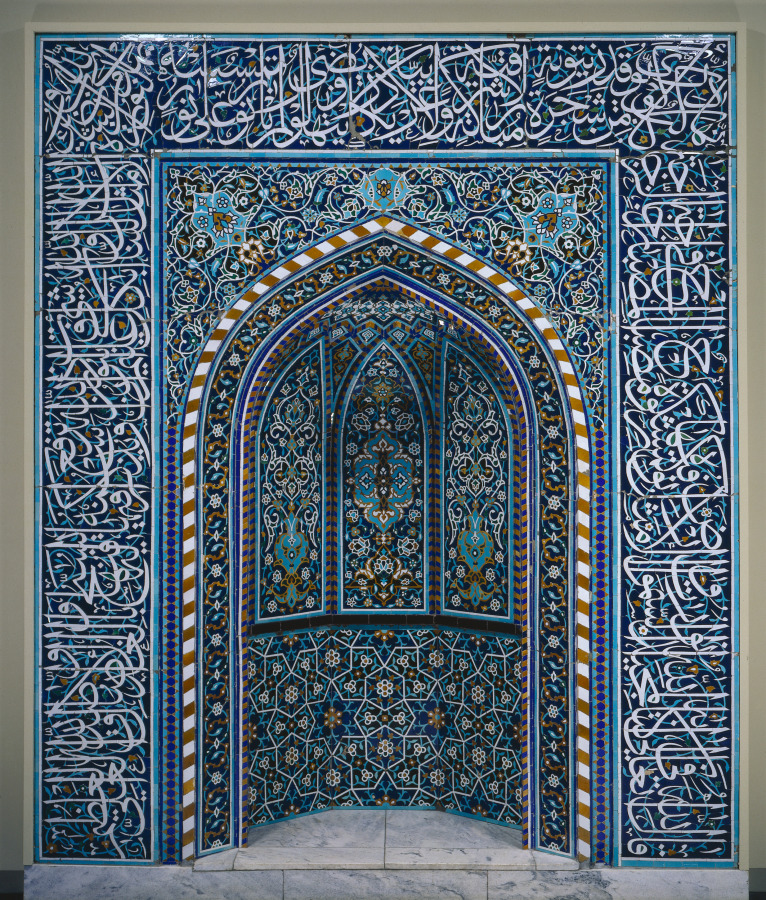
Prayer Niche (Mihrab)
Cleveland Museum of Art
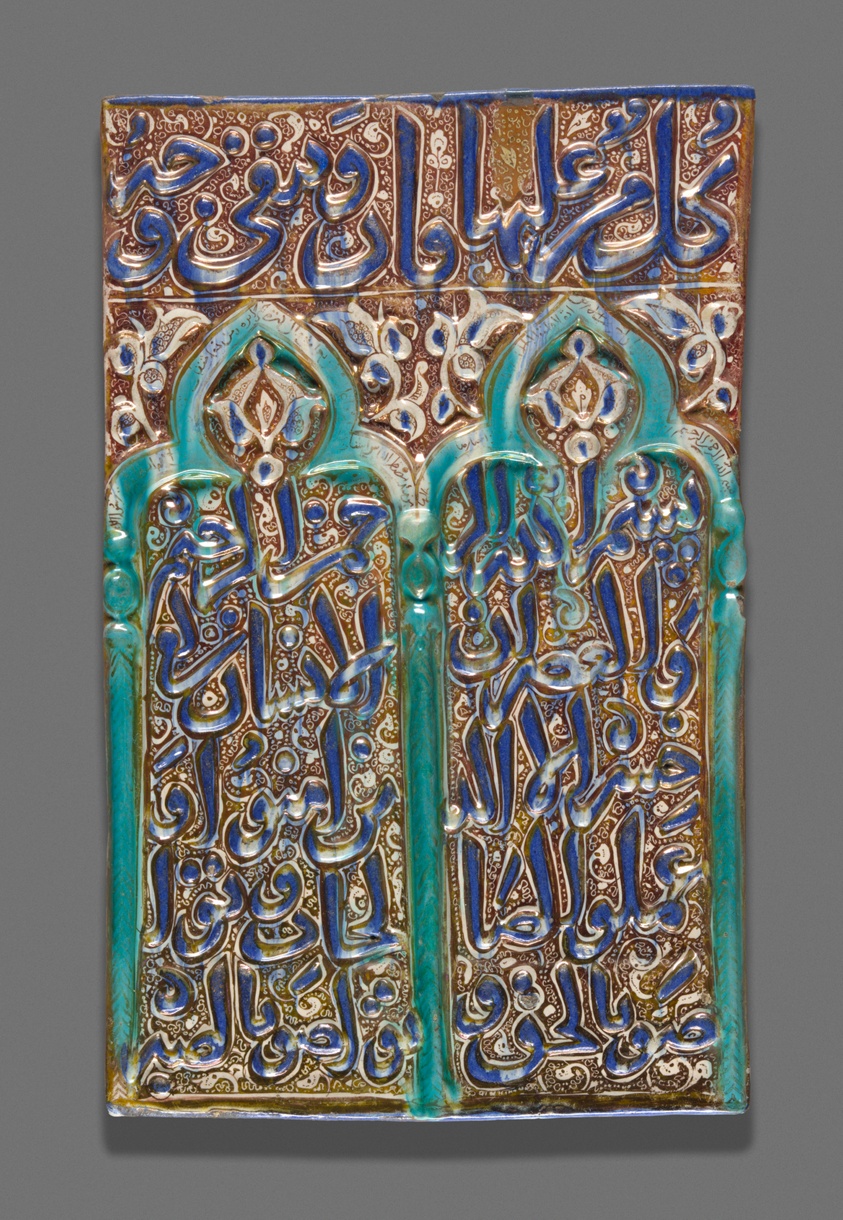
Tile with a Double-Arched Prayer Niche (Mihrab)
Art Institute of Chicago
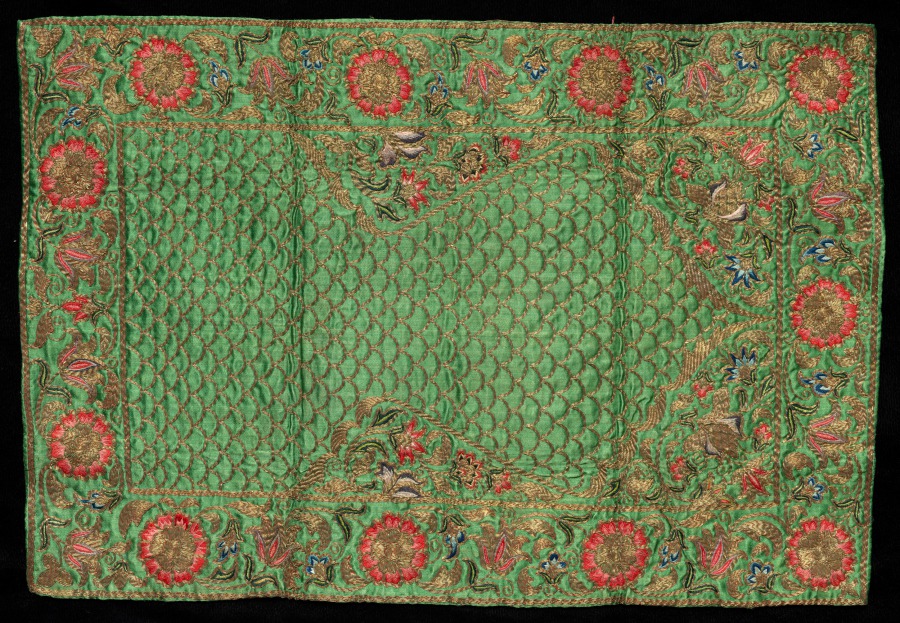
Prayer Mat
Cleveland Museum of Art
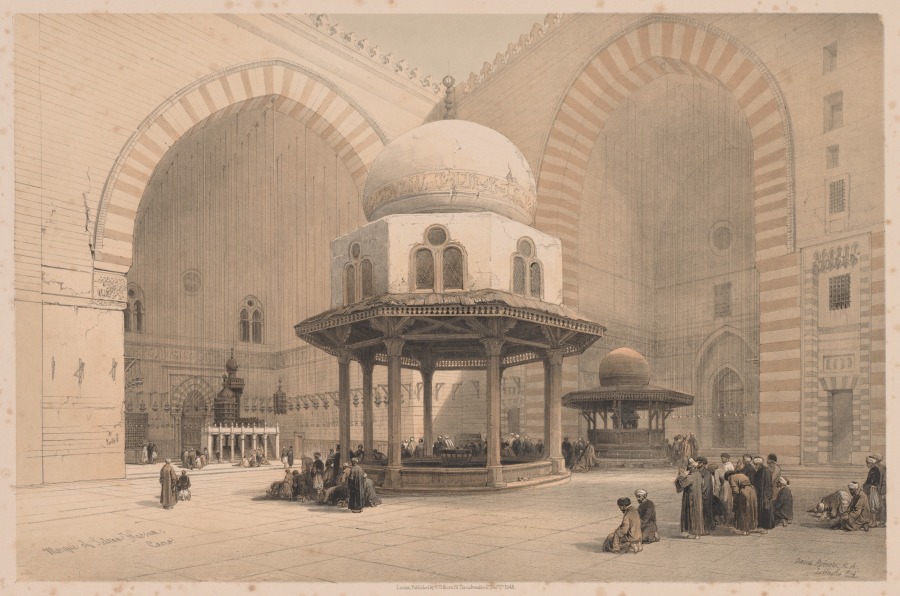
Egypt & Nubia, Volume III, No. 8: Mosque of Sultan Hassan, Cairo
Cleveland Museum of Art

Fragmentary Qur'an
Getty Museum

Tiled Arch
Minneapolis Institute of Art
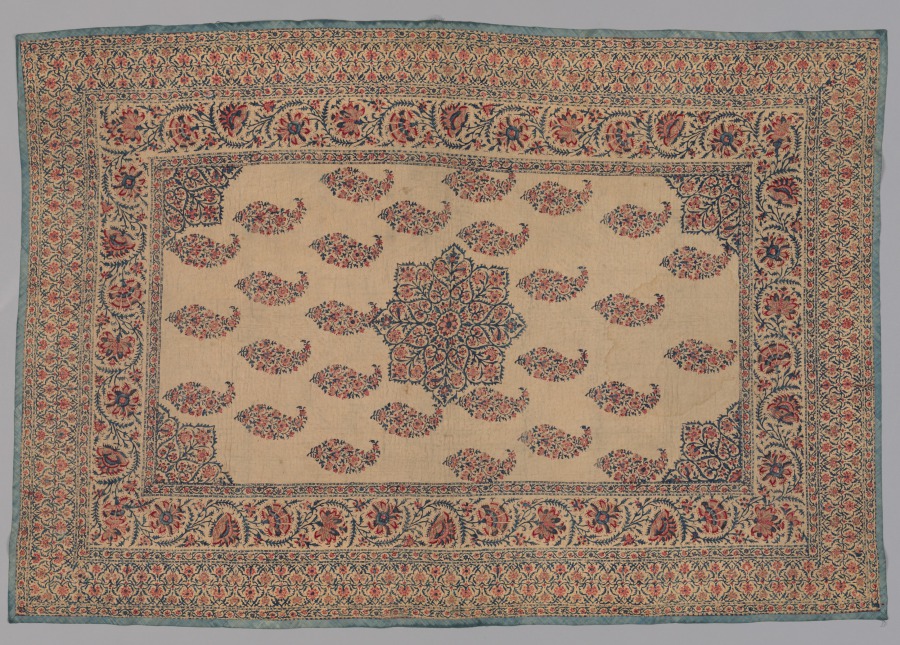
Prayer Mat
Cleveland Museum of Art
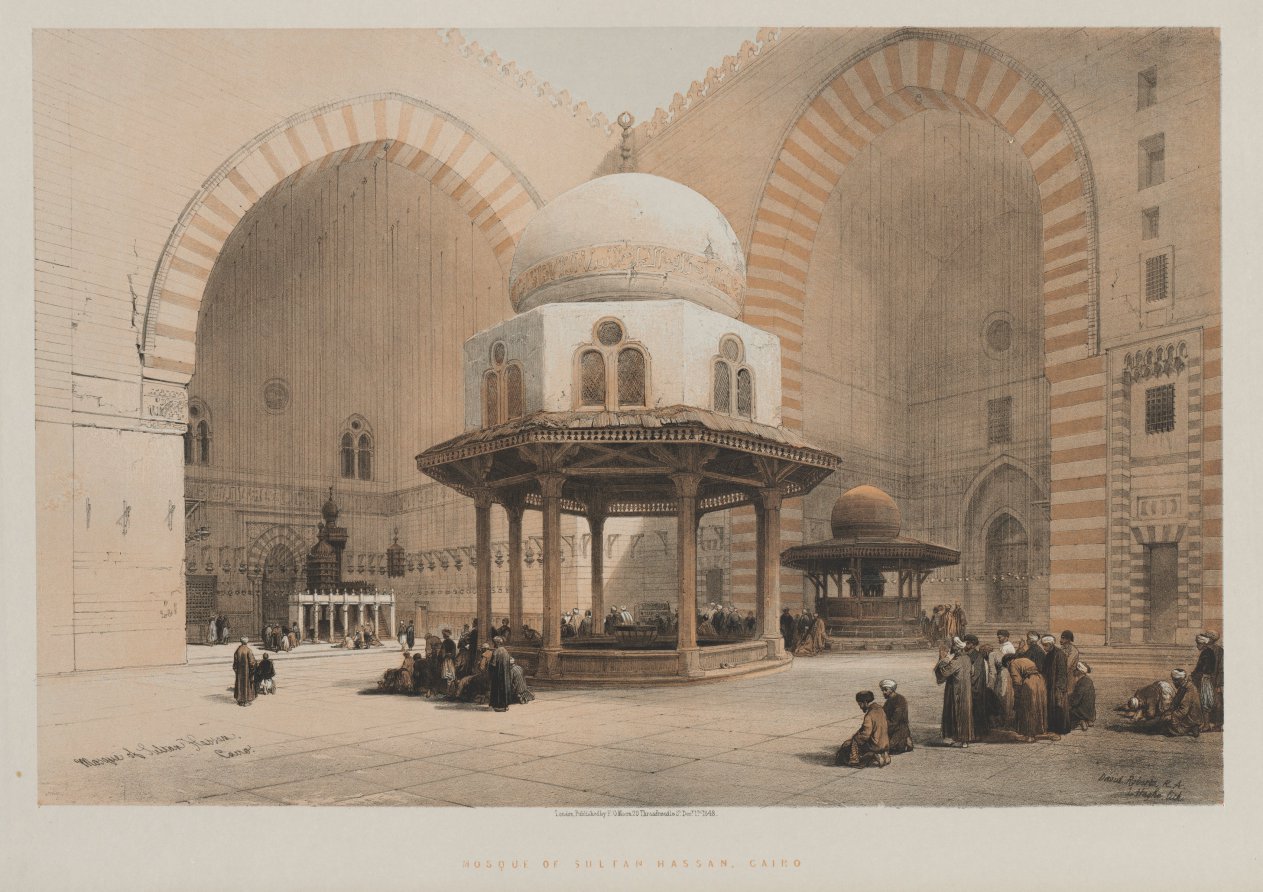
Egypt & Nubia, Volume III, No. 8: Mosque of Sultan Hassan, Cairo
Cleveland Museum of Art

Agra; Quadrangle of the Motee Musjid (Pearl Mosque)
Getty Museum

Agra; Quadrangle of the Motee Musjid (Pearl Mosque)
Getty Museum

Painted tile with Qur’anic inscriptions, likely from a mosque or tomb, one of a pair
Minneapolis Institute of Art

Prayer Mat
Minneapolis Institute of Art