
Minneapolis Institute of Art
Money Tree
China
- Date
- 1st-2nd century
- Medium
- Bronze and green glazed earthenware
- Department
- Asian Art
- Institution
- Minneapolis Institute of Art
Among the most intriguing objects recently discovered in the Eastern Han (25-220) tombs of Szechuan province are so-called money trees. Typically made of a bronze trunk and branches set into a ceramic base, they are called money trees because the lower part of the lattice-like branches are decorated with coin-shaped designs that imitate actual coins of the Han period. The coinage represents the wealth and abundance necessary to nourish the spirit in the afterlife, and the tree symbolized renewable, on-going monetary sustenance and unending prosperity. The top of the tree is surmounted by an elegant phoenix ( feng huang ) or bird of good omen, but perhaps the most interesting aspects are the tops of the branches, which are cast with lively scenes of ancient ritual. In the top center of the branches is Xi Wang mu, Queen Mother of the West, seated in a sort of canopied shrine and being entertained by various performers, flying horses, and other mythological animals. Xi Wang mu emerged during Han (206 BCE - 220 CE) as an important deity of rulership and self-cultivation. She was eventually incorporated into the Taoist pantheon and became a popular subject for sculpture, mirrors, and decorated textiles. China, Asia
The authoritative record is held by Minneapolis Institute of Art. LinkedCulture surfaces this object and its connections; it does not alter institutional metadata.
Related across collections
Semantically similar works from Minneapolis Institute of Art and other institutions.

Plaque in the form of Xiwangmu, Queen Mother of the West
Minneapolis Institute of Art

Pillar from Tomb Chamber
Art Institute of Chicago

Phoenix Plaque
Minneapolis Institute of Art

Rubbings from the Wu Family Shrine
Minneapolis Institute of Art
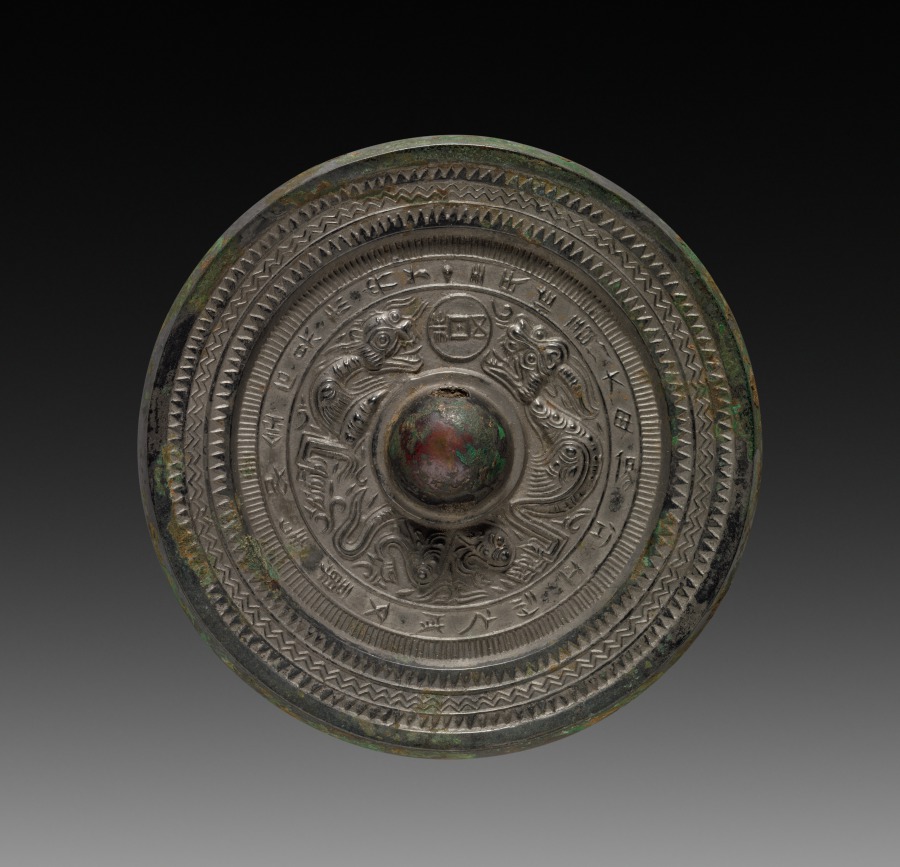
Mirror
Cleveland Museum of Art

Phoenix
Minneapolis Institute of Art

Rubbing of Text and Bamboo Tree and Leaves
Minneapolis Institute of Art

Tree-shaped Fragment of a Royal Crown
Minneapolis Institute of Art
Tomb Figurine in the Form of a Standing, Plump Court Lady with Upturned, Pointed Shoes and an Elaborate Coiffure, Her Hands in a Gesture at Chest Level
Harvard Art Museums
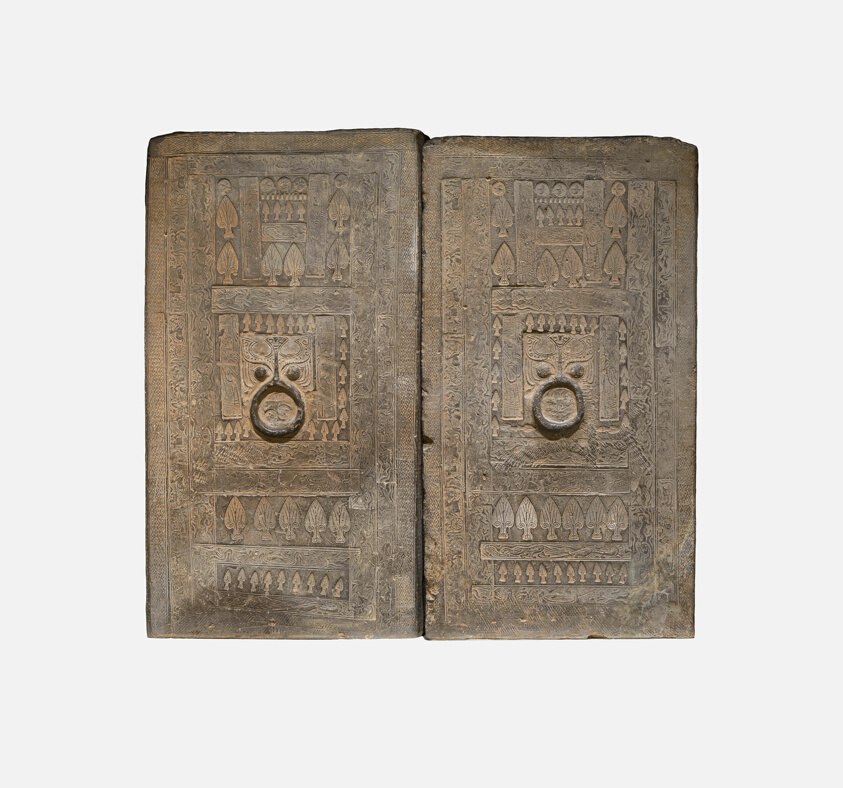
Pair of Tomb Chamber Doors
Art Institute of Chicago
![Cranes with Bamboo [left of a pair of Cranes with Pine and Bamboo]](https://2.api.artsmia.org/800/122131.jpg)
Cranes with Bamboo [left of a pair of Cranes with Pine and Bamboo]
Minneapolis Institute of Art
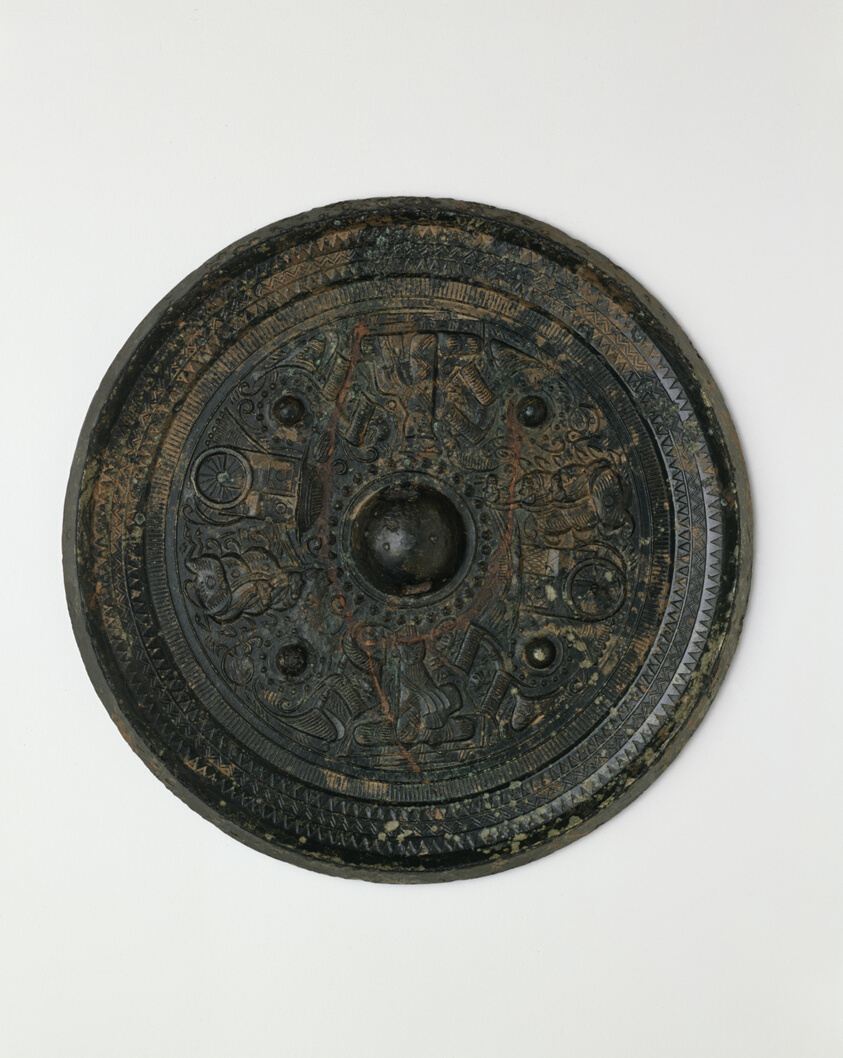
Mirror with Images of Daoist Deities
Art Institute of Chicago