
Minneapolis Institute of Art
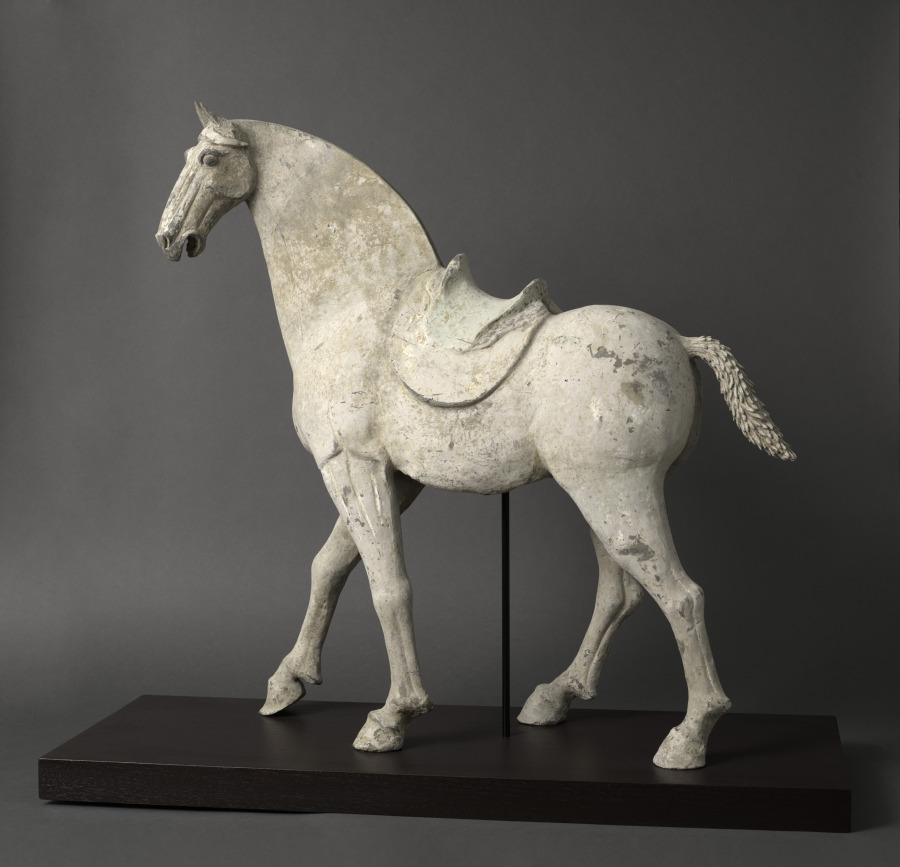
Equestrian figure
ChinaLinkedCulture matchlcp-7111c01d5494
- Date
- 2nd century BCE
- Medium
- Earthenware with traces of pigment
- Department
- Asian Art
- Institution
- Minneapolis Institute of Art
- Object ID
- 4683
From the Minneapolis Institute of Art record
Beginning in the Han dynasty, horses became closely associated with civil order, aristocratic identity, and public display. This tomb figure depicts a mounted rider in a composed, forward-facing posture, evoking the controlled movement of elite processions. In Han funerary art, horses frequently appear as markers of rank, carrying officials or attendants in scenes that mirror ceremonial parades and journeys through the landscape. The careful modeling and color choices emphasize the horse’s dignified presence. Placed in tombs, equestrian figures such as this ensured that the social standing, authority, and prestige of the deceased were perpetuated in the afterlife through the enduring symbol of the horse. China, Asia
The authoritative record is held by Minneapolis Institute of Art. LinkedCulture surfaces this object and its connections; it does not alter institutional metadata.
Get printable QR codesHide QR codes
Open QR codes for this object page and the museum record. They stay collapsed until needed.
Provenance & credit
As published by the source institution. Coverage varies — not every institution's open-data feed includes ownership history.
- Credit line
- The Ethel Morrison Van Derlip Fund
Related across collections
Semantically similar works from Minneapolis Institute of Art and other institutions.

Mounted drummer, from a three-piece group
Minneapolis Institute of Art
#98946

Mounted pipe player, from a three-piece group
Minneapolis Institute of Art
#98947

Groomsman, from a three-piece group
Minneapolis Institute of Art
#98948

Tomb Tile
Minneapolis Institute of Art
#32427
Equestrian Male, from the tomb sculpture set: Two Equestrian Figures, One Male with a Tall, Elaborately Embellished Hat, One Female with Hair in a Topknot, Both with Pointed Boots, and Hands Positioned to Hold the Reins of their Standing, Saddled Horses
Harvard Art Museums
#146265

Prancing Horse
Minneapolis Institute of Art
#5623
Equestrian Female, from the tomb sculpture set: Two Equestrian Figures, One Male with a Tall, Elaborately Embellished Hat, One Female with Hair in a Topknot, Both with Pointed Boots, and Hands Positioned to Hold the Reins of their Standing, Saddled Horses
Harvard Art Museums
#146266

Equestrian Figure for Wedding Procession
Minneapolis Institute of Art
#29273

Equestrian Figure for Wedding Procession
Minneapolis Institute of Art
#29272
A Large Painted Striding Horse
Cleveland Museum of Art
#84457

Horse, from a set of zodiac figures
Minneapolis Institute of Art
#31236
Standing Saddled Horse with Clipped Mane, Cropped and Tied Tail, and Roman-Style Bridle Ornaments
Harvard Art Museums
#20957