Minneapolis Institute of Art
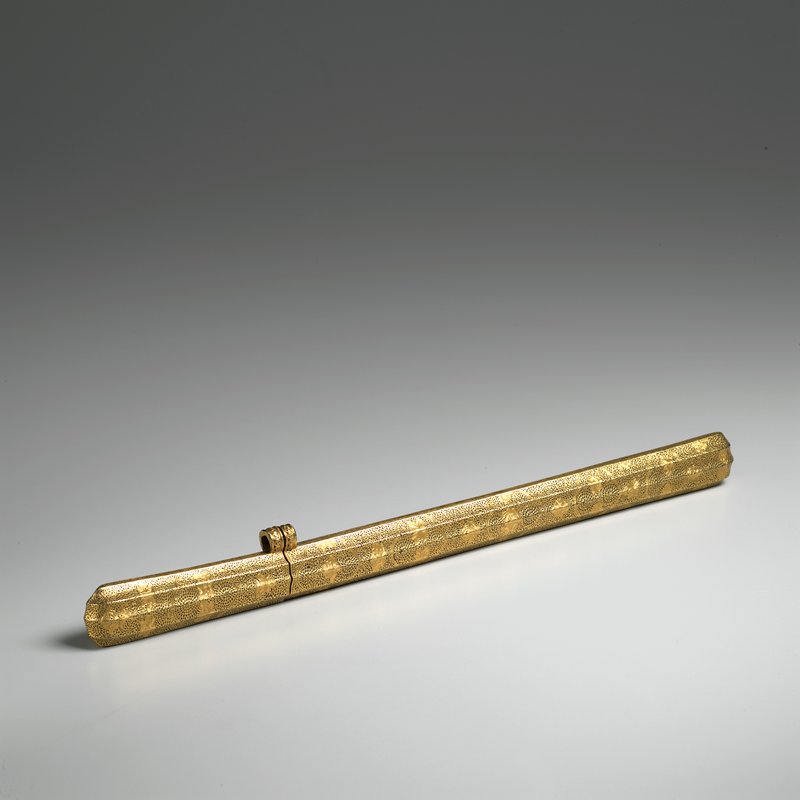
Belt Case
China
- Date
- 14th century
- Medium
- Iron with gold inlay
- Department
- Asian Art
- Institution
- Minneapolis Institute of Art
This exquisitely crafted case would have been suspended from the belt, a custom introduced to China by the peoples of the northern steppes. The design is different on each of the two faces. One side shows octagonal cartouches decorated with lotus flowers and scrolling leaves. The opposite side has oval panels decorated with a wealth of Buddhist images such as the conch shell and the wheel of the law. The Mongols, who ruled China from 1280-1368, adopted the Tibetan style of Buddhism, which features the conch, wheel, umbrella, and unending knot symbols seen here. The new Mongol rulers naturally maintained aspects of their traditional dress, including cases such as this that hung from their belts and could have held a writing brush or personal chopsticks. Asia
The authoritative record is held by Minneapolis Institute of Art. LinkedCulture surfaces this object and its connections; it does not alter institutional metadata.
Related across collections
Semantically similar works from Minneapolis Institute of Art and other institutions.

Belt buckle
Minneapolis Institute of Art

Lamaist chair back cushion cover
Minneapolis Institute of Art
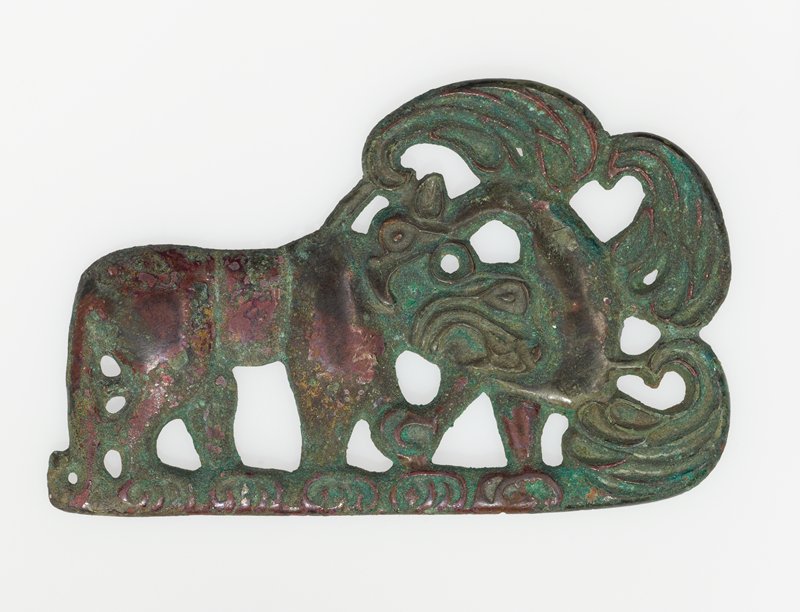
Belt plaque, one of a pair
Minneapolis Institute of Art

Belt hook
Minneapolis Institute of Art
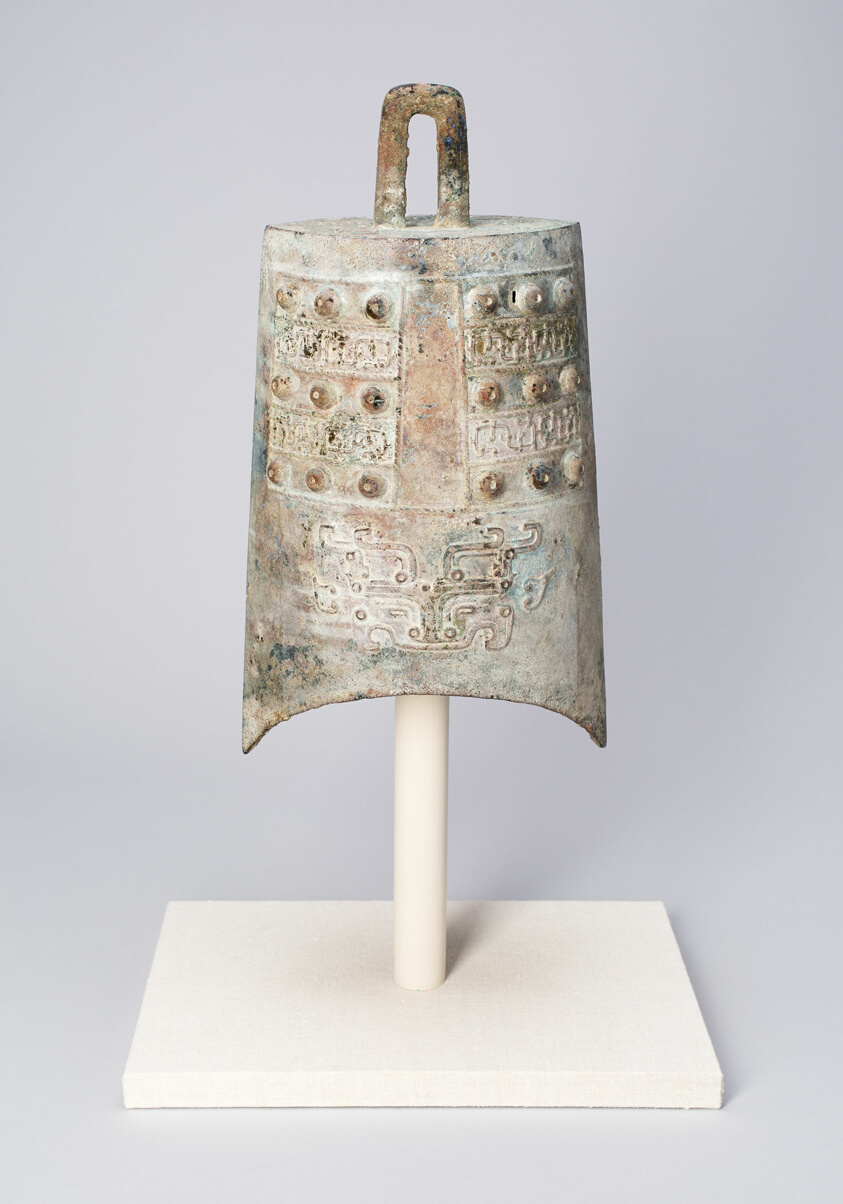
Loop Suspension Bell (Niuzhong)
Art Institute of Chicago

Belt hook
The Metropolitan Museum of Art
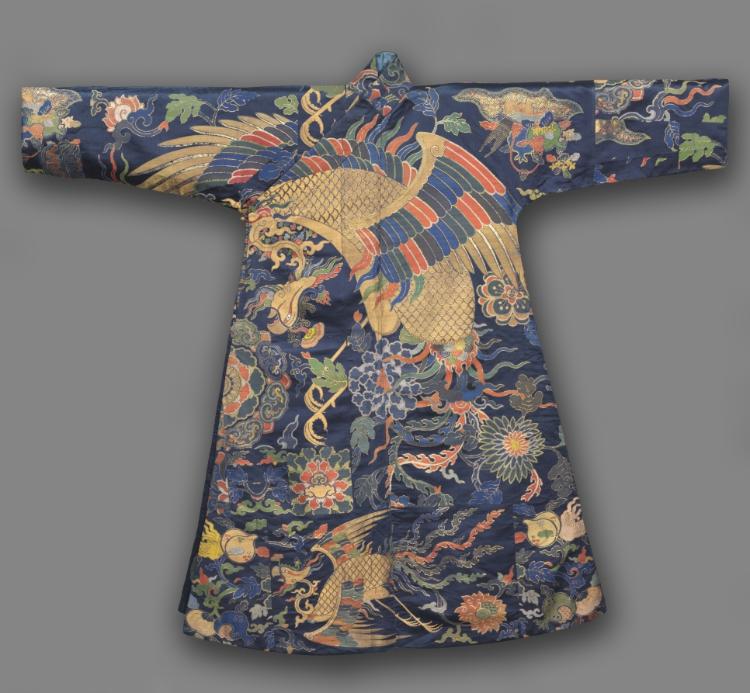
Tibetan Man's Robe, Chuba
Cleveland Museum of Art

Pair of belts
Minneapolis Institute of Art
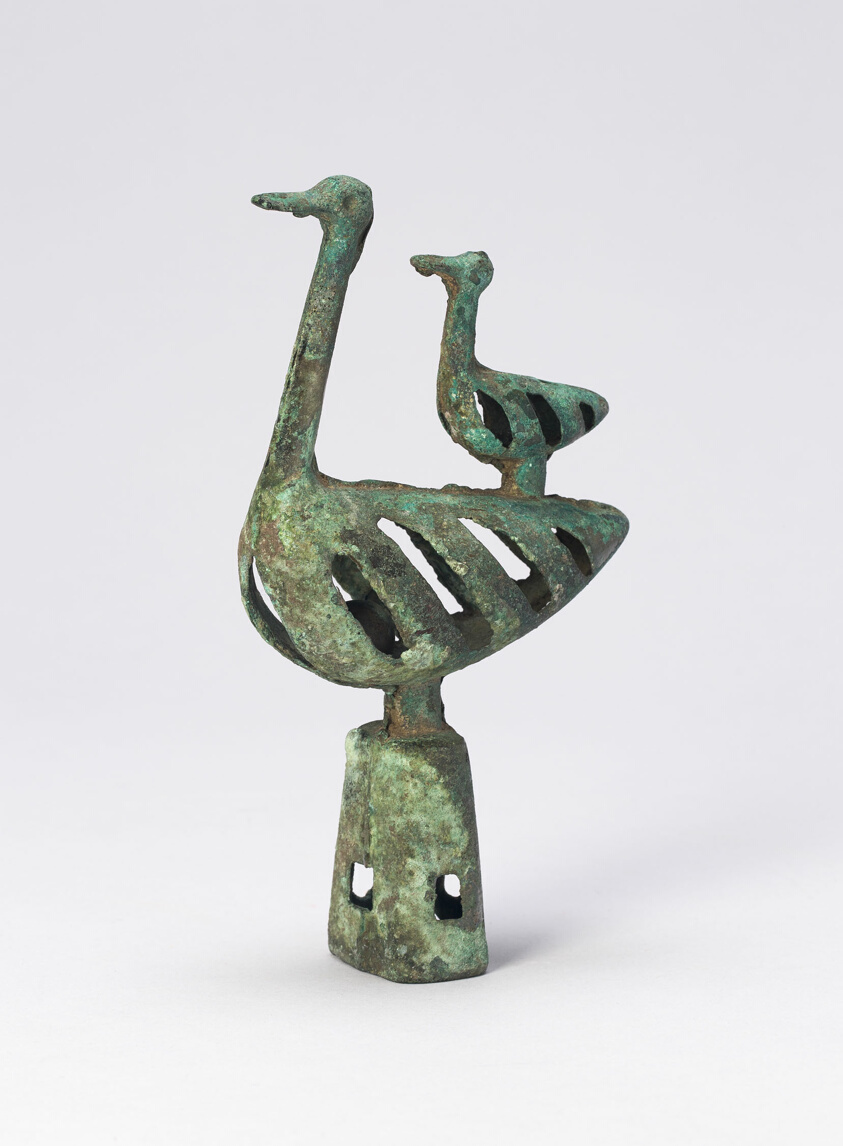
Pole Top with Double Bird-Shaped Bell (one of pair)
Art Institute of Chicago
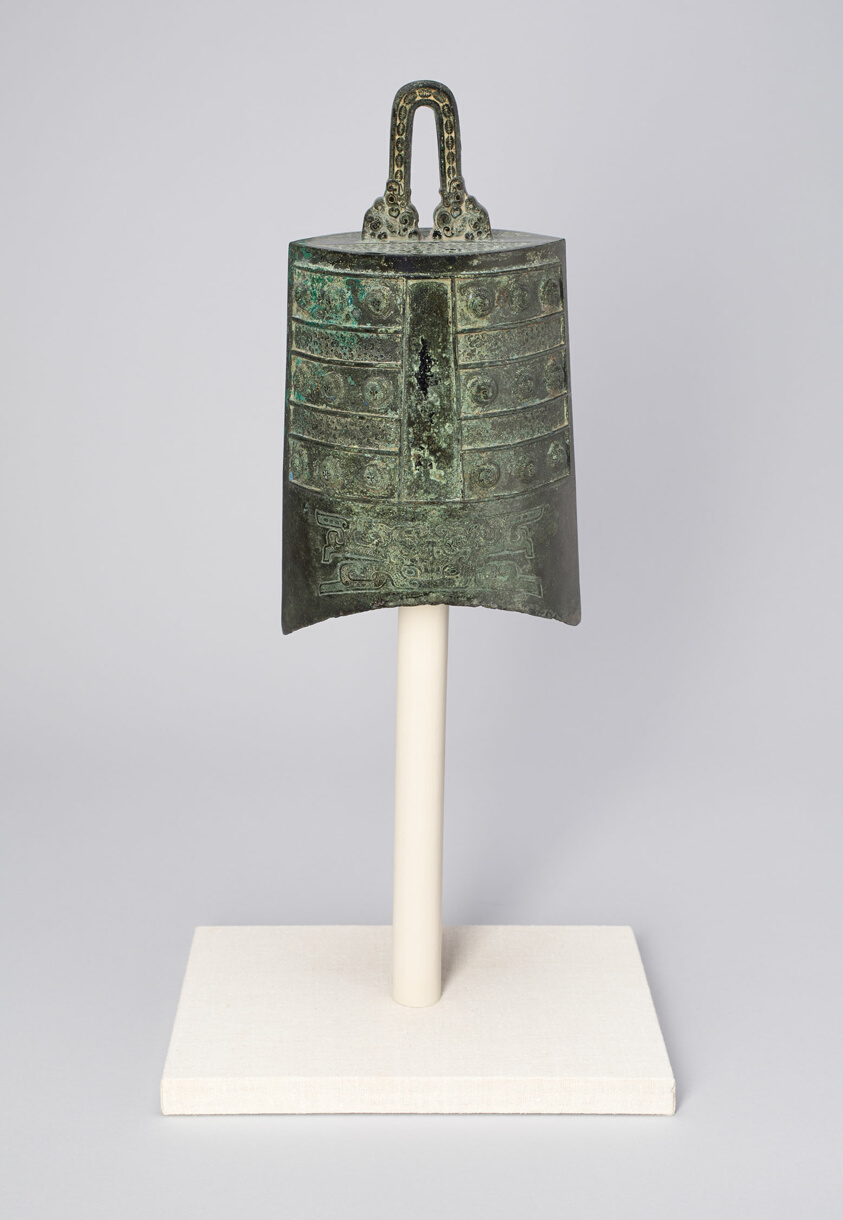
Loop Suspension Bell (Niuzhong)
Art Institute of Chicago
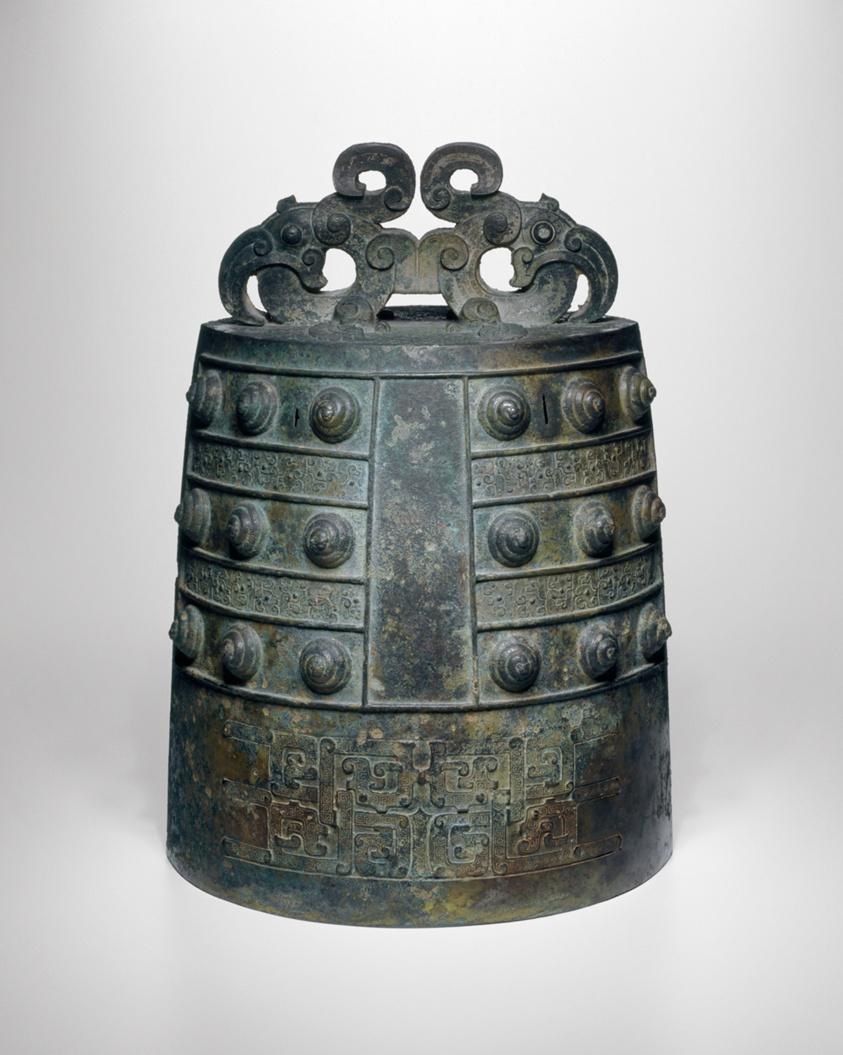
Suspension Bell (Bo) 东周时期青铜镈
Art Institute of Chicago

Belt
Minneapolis Institute of Art