
Minneapolis Institute of Art
Skirt
Côte d’Ivoire
- Date
- early 20th century
- Medium
- Palm raffia cloth, oblique interlacing, resist tie-dye
- Department
- Arts of Global Africa
- Institution
- Minneapolis Institute of Art
Raffia cloth is a very labor-intensive textile to produce, because of the lengthy process to prepare the fibers from raffia palm leaves. Dida garments are exceptional for their technique, which requires the interlacing of three sets of raffia threads. The threads are kept in tension by a loop of fiber held by the weaver's foot - no loom is used. This technique produces a tube-shaped cloth, which is adorned using a tie and dye technique. The yellow and red colors are obtained from plant roots, and black is made from combining minerals and leaves. The crinkled texture is left unsmoothed, perhaps to complement the wearer's scarification. Among the Dida people, raffia cloth was associated with status, wealth, and power, whereas common people used to dress in beaten barkcloth. Côte d'Ivoire, Africa
The authoritative record is held by Minneapolis Institute of Art. LinkedCulture surfaces this object and its connections; it does not alter institutional metadata.
Related across collections
Semantically similar works from Minneapolis Institute of Art and other institutions.

Ceremonial Skirt
Art Institute of Chicago

Woman's skirt
Minneapolis Institute of Art
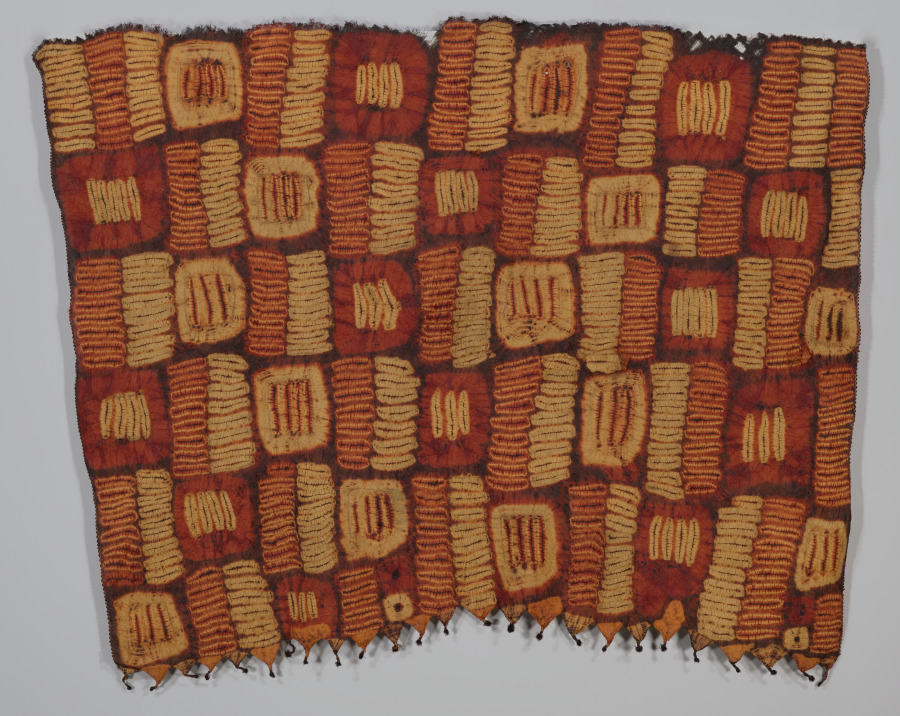
Man's Garment
Cleveland Museum of Art
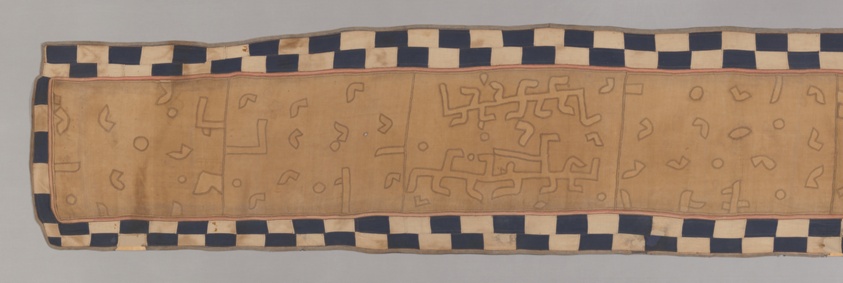
Ceremonial Skirt
Art Institute of Chicago
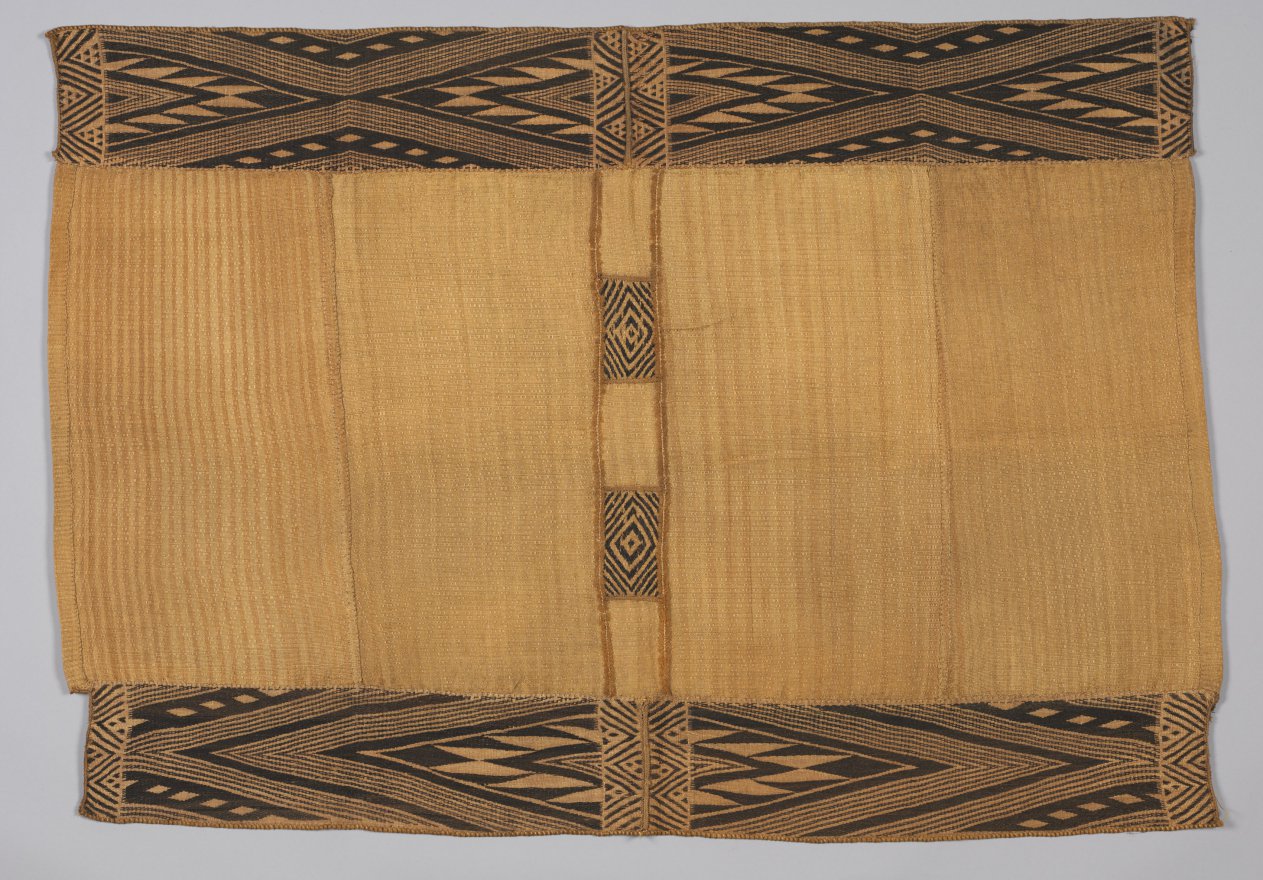
Woman's Skirt
Cleveland Museum of Art

Panel
Minneapolis Institute of Art

Woman's ceremonial skirt
Minneapolis Institute of Art
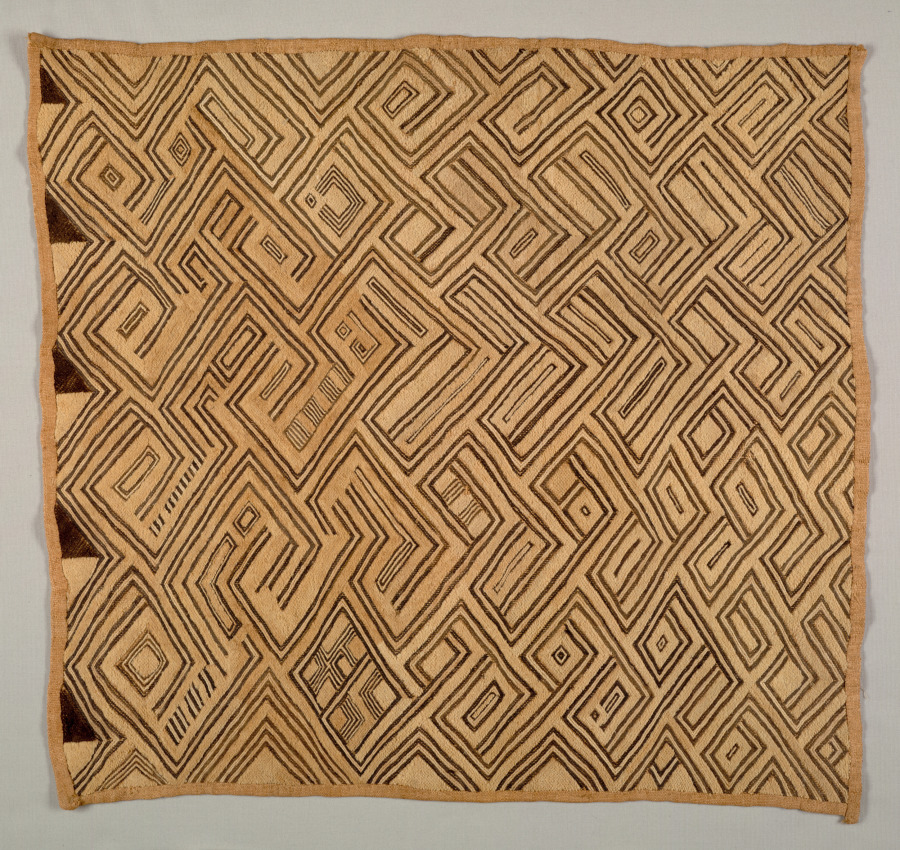
Embroidered Raffia Pile Cloth
Cleveland Museum of Art
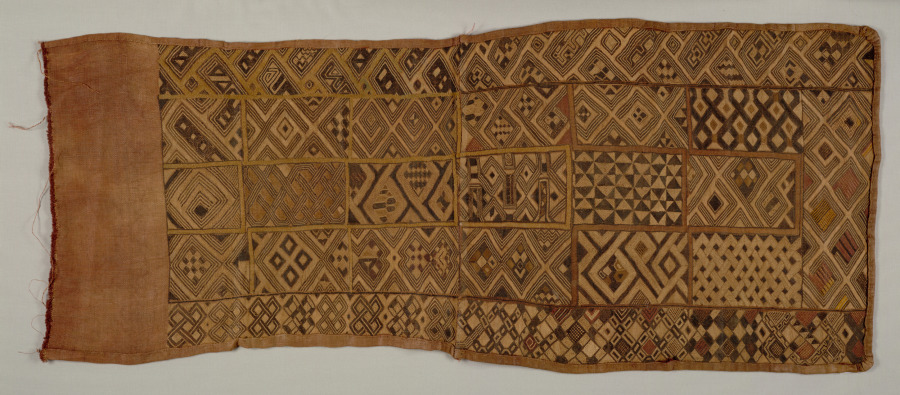
Embroidered Raffia Pile Cloth
Cleveland Museum of Art

Woman's Ceremonial Skirt
Minneapolis Institute of Art

Skirt
Minneapolis Institute of Art
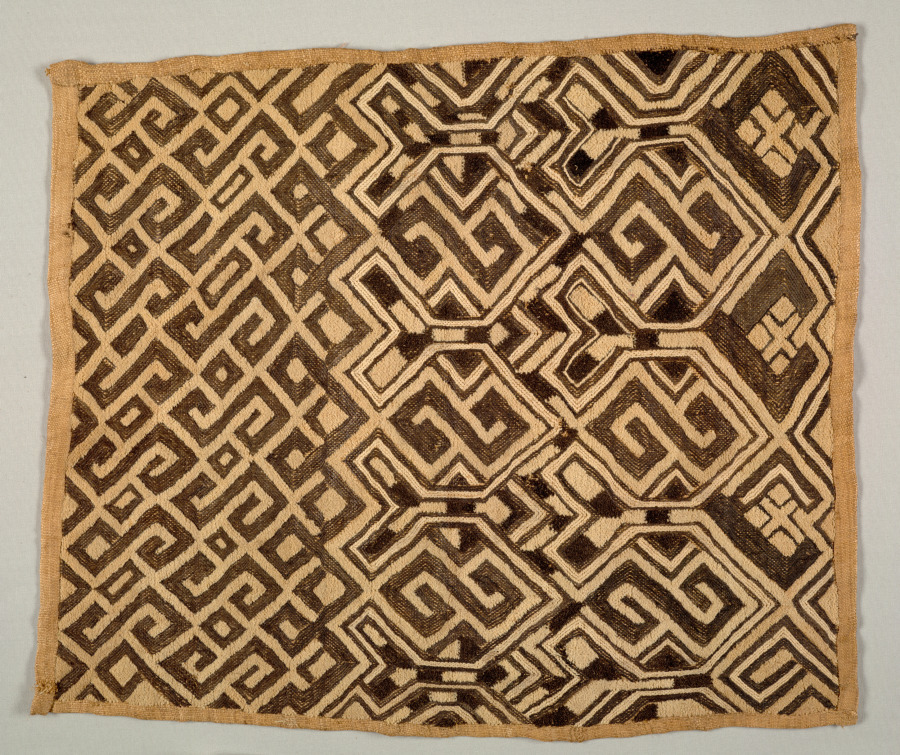
Embroidered Raffia Pile Cloth
Cleveland Museum of Art