
Minneapolis Institute of Art
Egyptian Monuments (Les monuments de l'Egypte)
Designer: Jean-Baptiste Huet; after Louis-François Cassas; Mill: Manufacture de Jouy
- Date
- 19th century
- Medium
- Cotton, roller print Textiles - Surface Ornamentation - Printed
- Department
- European Art
- Institution
- Minneapolis Institute of Art
Toiles de Jouy were among the first factory-made printed textiles to be manufactured in France. Inspired by the colorful, hand-painted palampores of India, the earliest examples of toile de Jouy utilized a painstaking woodblock printing method to create delicate floral patterns on fine cotton cloth. By the late eighteenth century, however, the printing process dramatically improved with the introduction of copperplate and roller printing techniques. With the change in technique came a corresponding evolution of patterns that often referenced neo-classical aesthetics and interest in classical antiquities. These highly sophisticated designs incorporated figures, architecture, and landscape, usually placed in small vignettes against a textured ground. In this piece, the designer Huet has appropriated elements from drawings by Louis-François Cassas, made when he toured Egypt in 1784. Toiles remain popular, as evidenced by the contemporary version of Egyptian Monuments produced in 1994 as pictured below. Europe
The authoritative record is held by Minneapolis Institute of Art. LinkedCulture surfaces this object and its connections; it does not alter institutional metadata.
Related across collections
Semantically similar works from Minneapolis Institute of Art and other institutions.
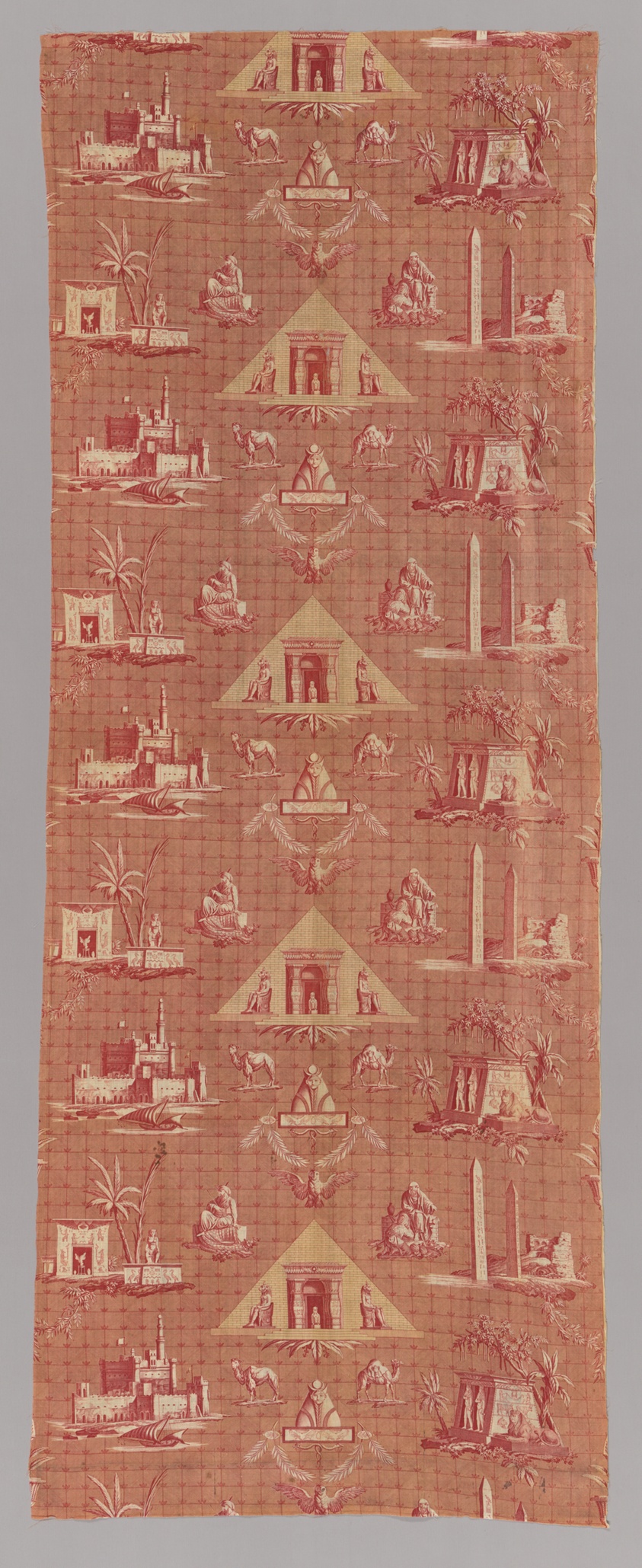
Les Monuments d'Egypte (The Monuments of Egypt) (Furnishing Fabric)
Art Institute of Chicago
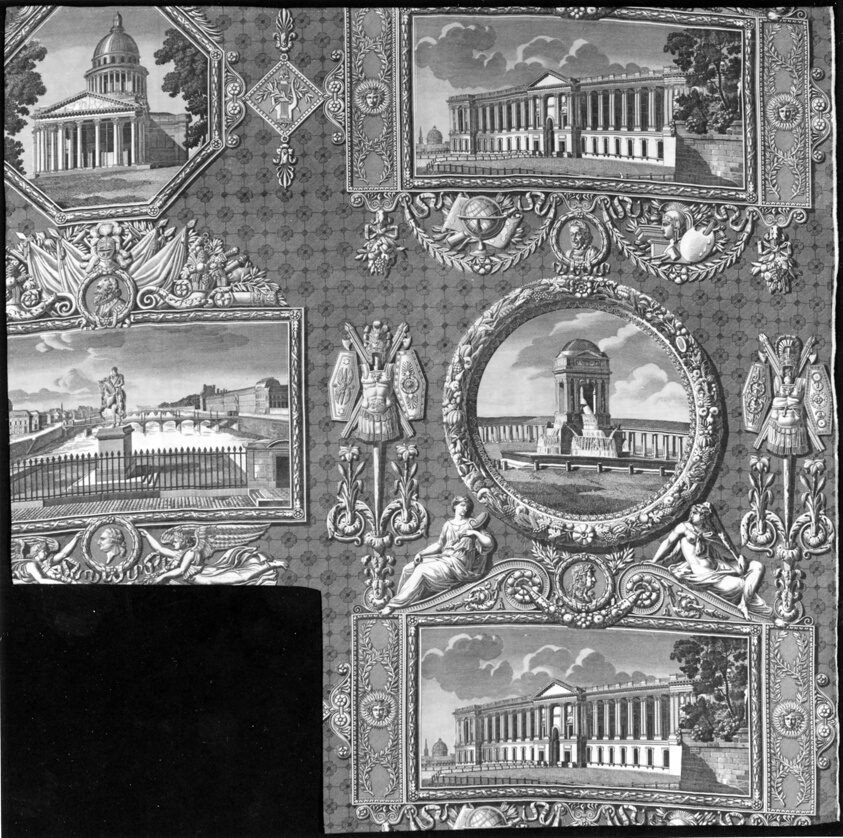
Les Monuments de Paris (The Monuments of Paris) (Furnishing Fabric)
Art Institute of Chicago
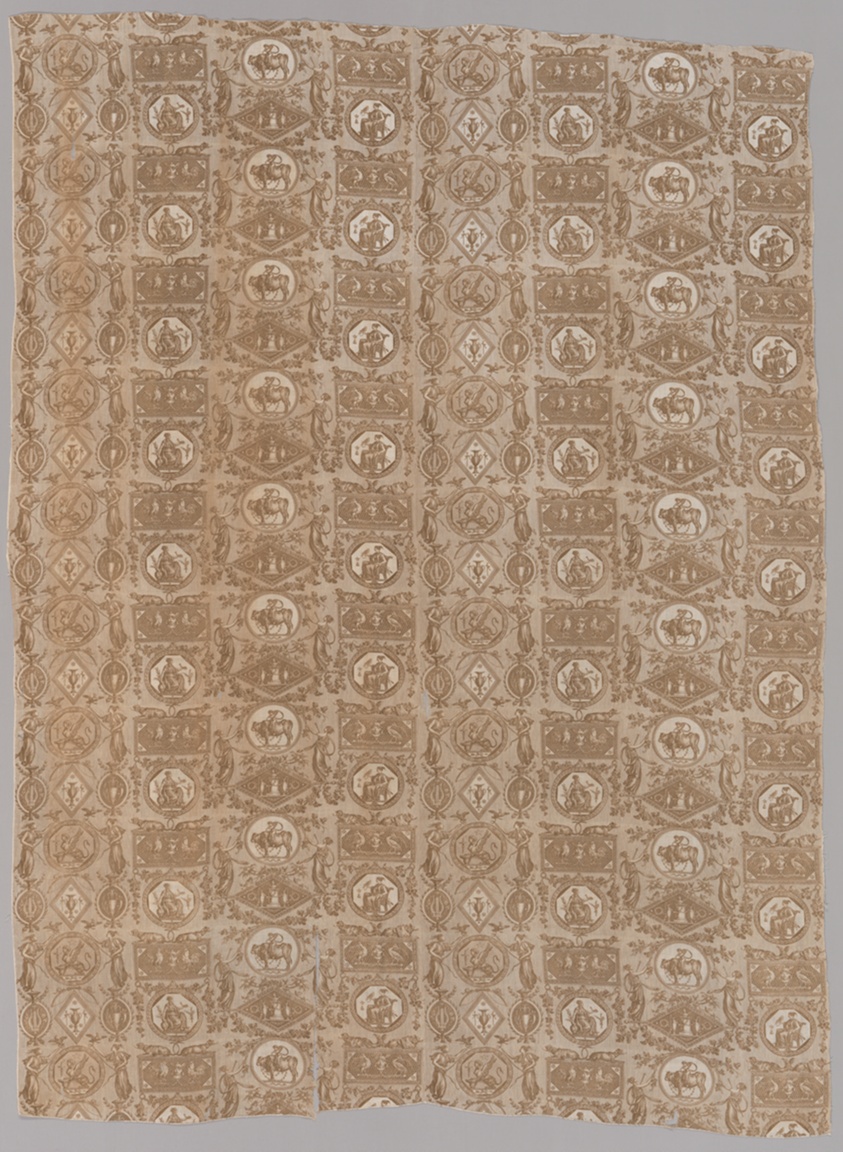
“Classical Medallions” Furnishing Fabric
Art Institute of Chicago
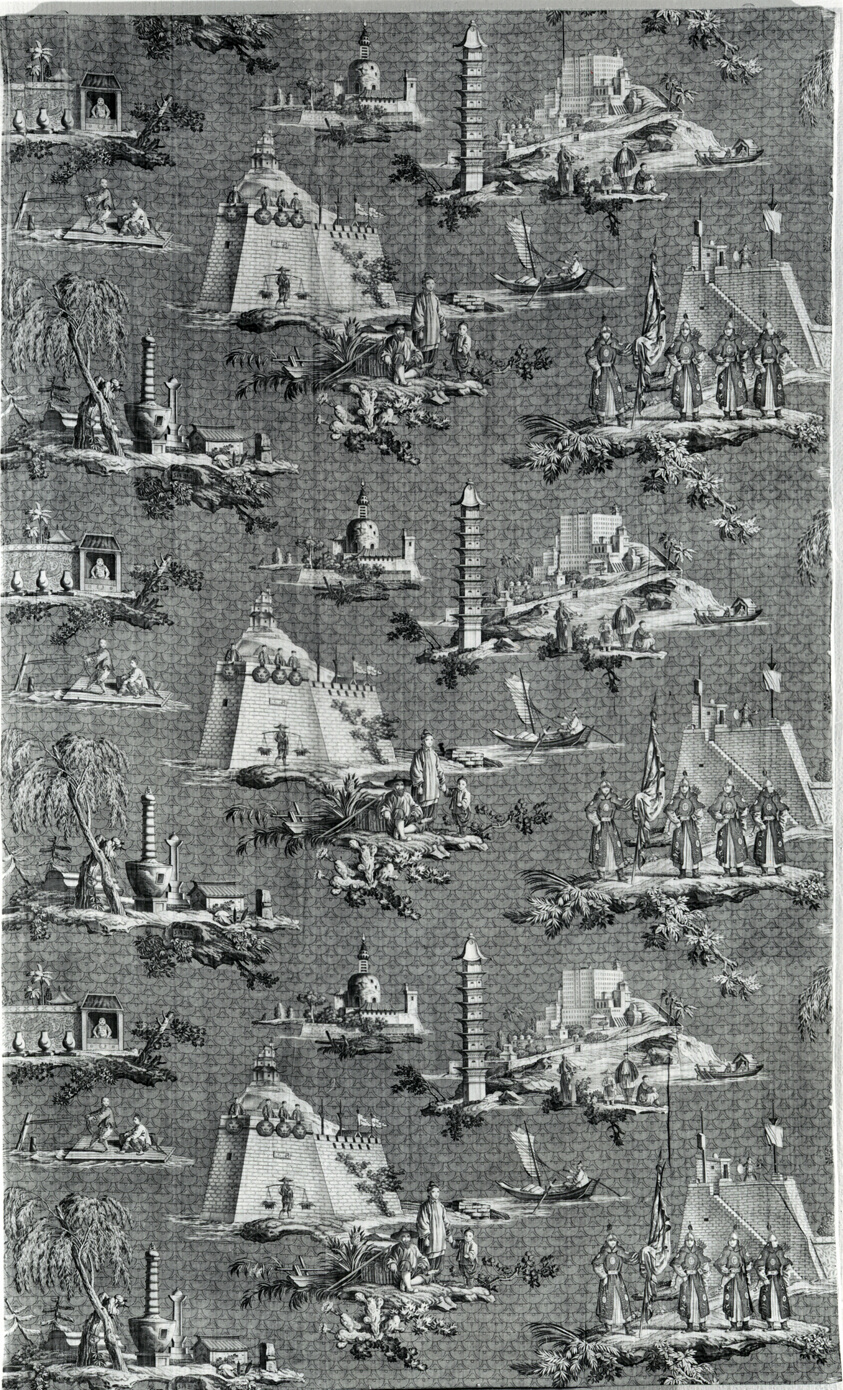
Les Monuments de Chine (The Monuments of China) (Furnishing Fabric)
Art Institute of Chicago
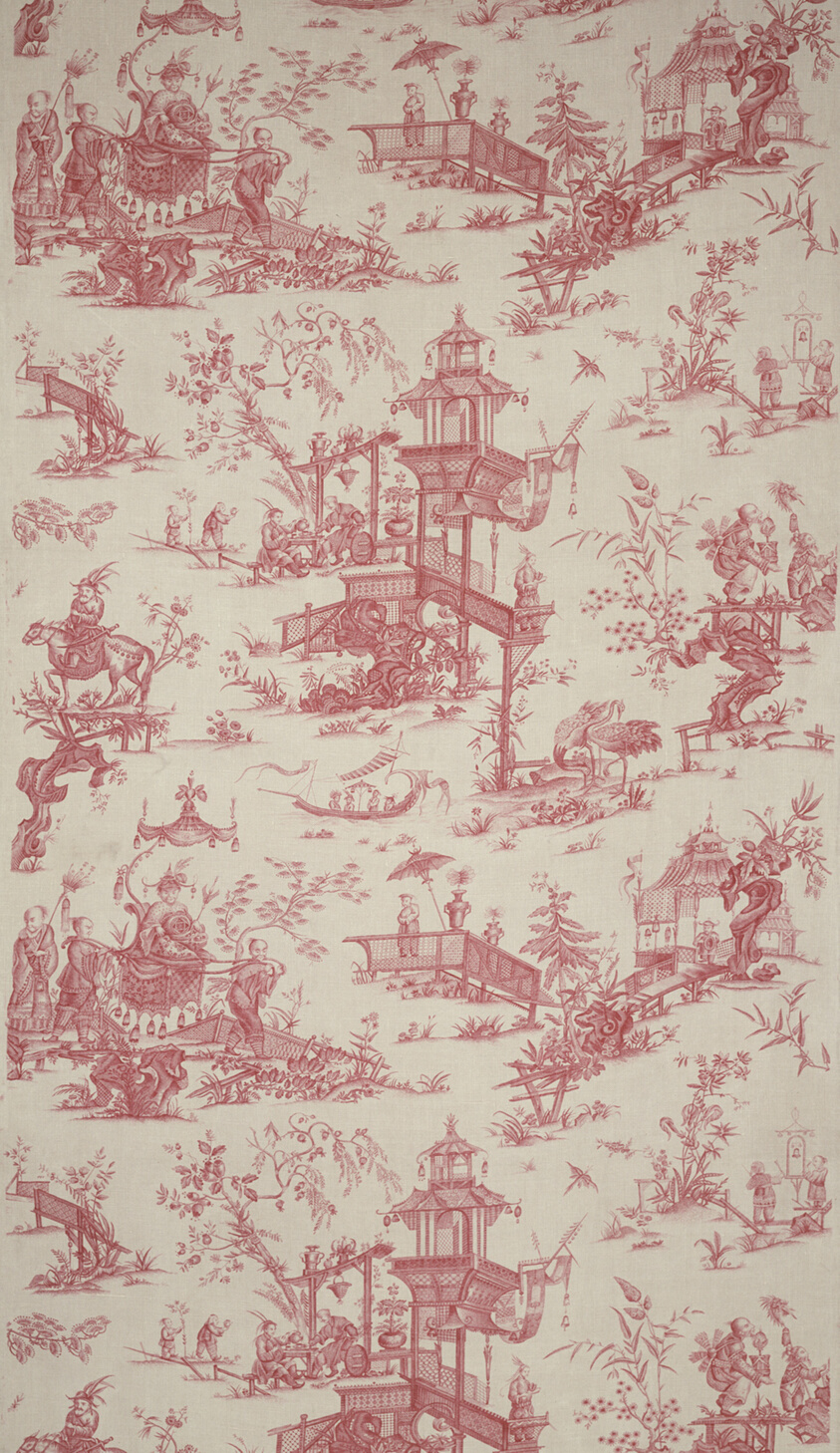
Panel (Furnishing Fabric)
Art Institute of Chicago
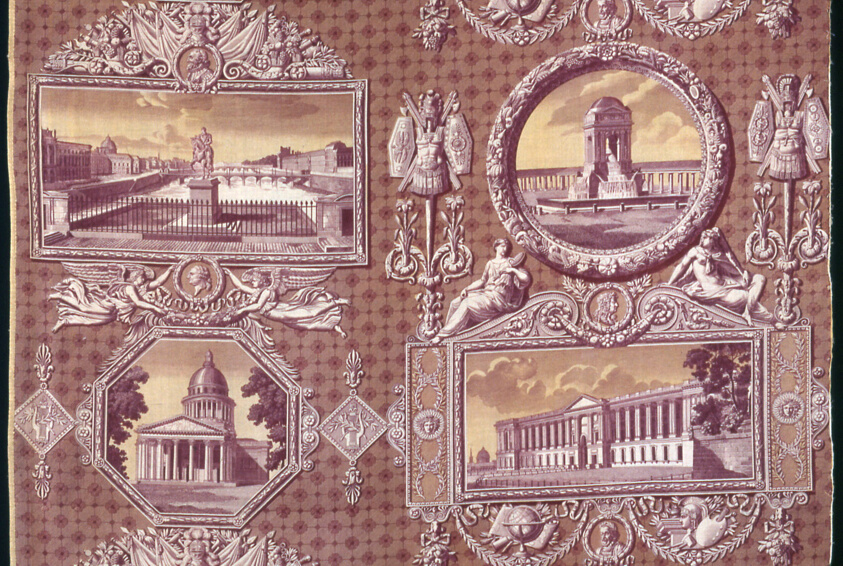
Les Monuments de Paris (The Monuments of Paris) (Furnishing Fabric)
Art Institute of Chicago
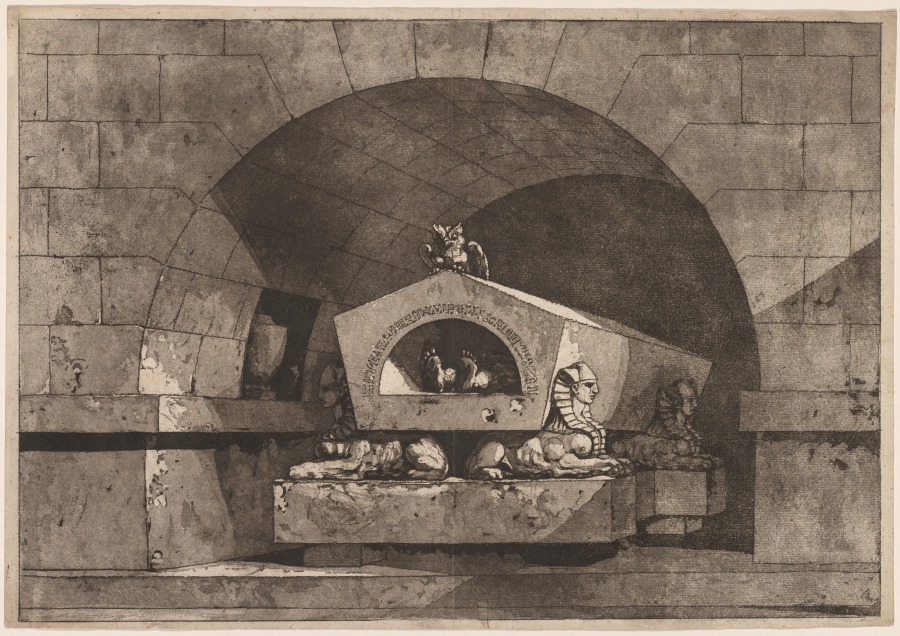
Tomb with Sphinxes and an Owl
Cleveland Museum of Art
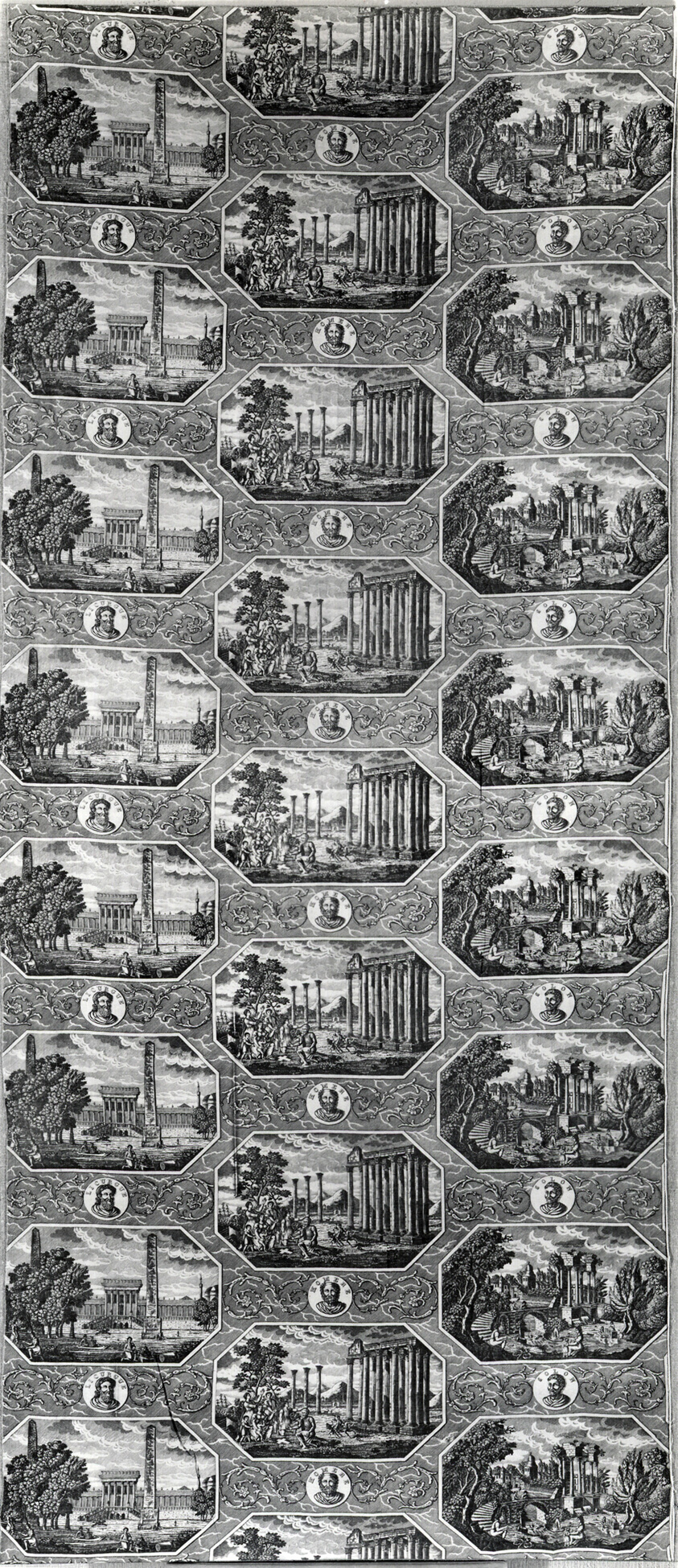
Les Monuments de Grèce (Furnishing Fabric)
Art Institute of Chicago
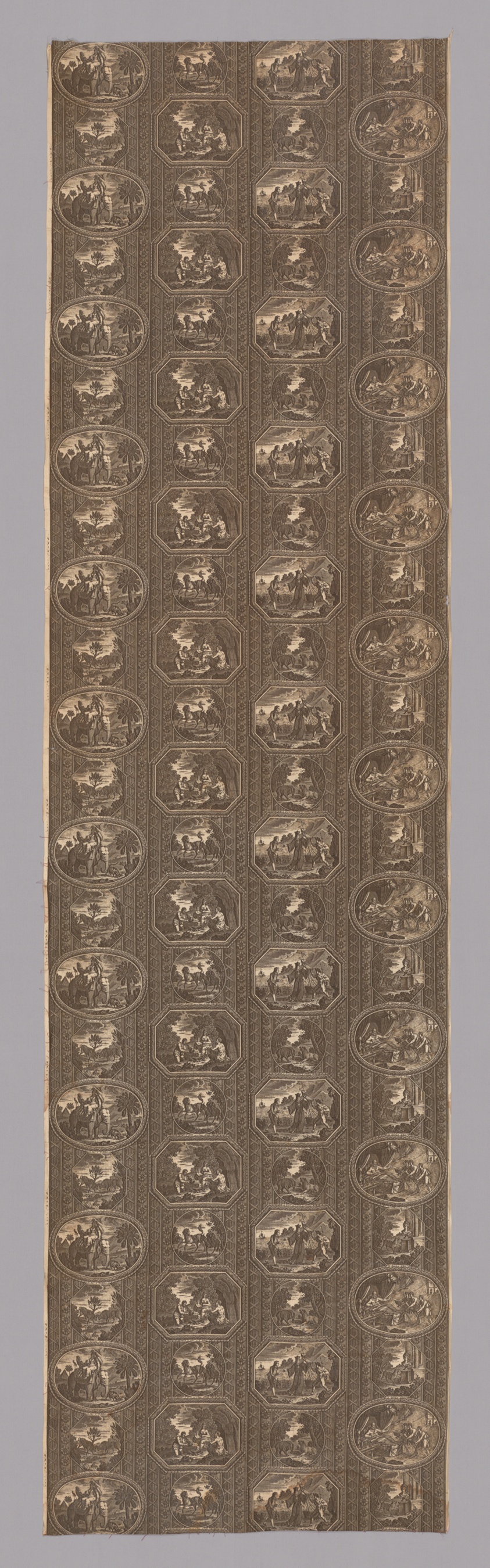
“Fables of Fontaine” Furnishing Fabric
Art Institute of Chicago
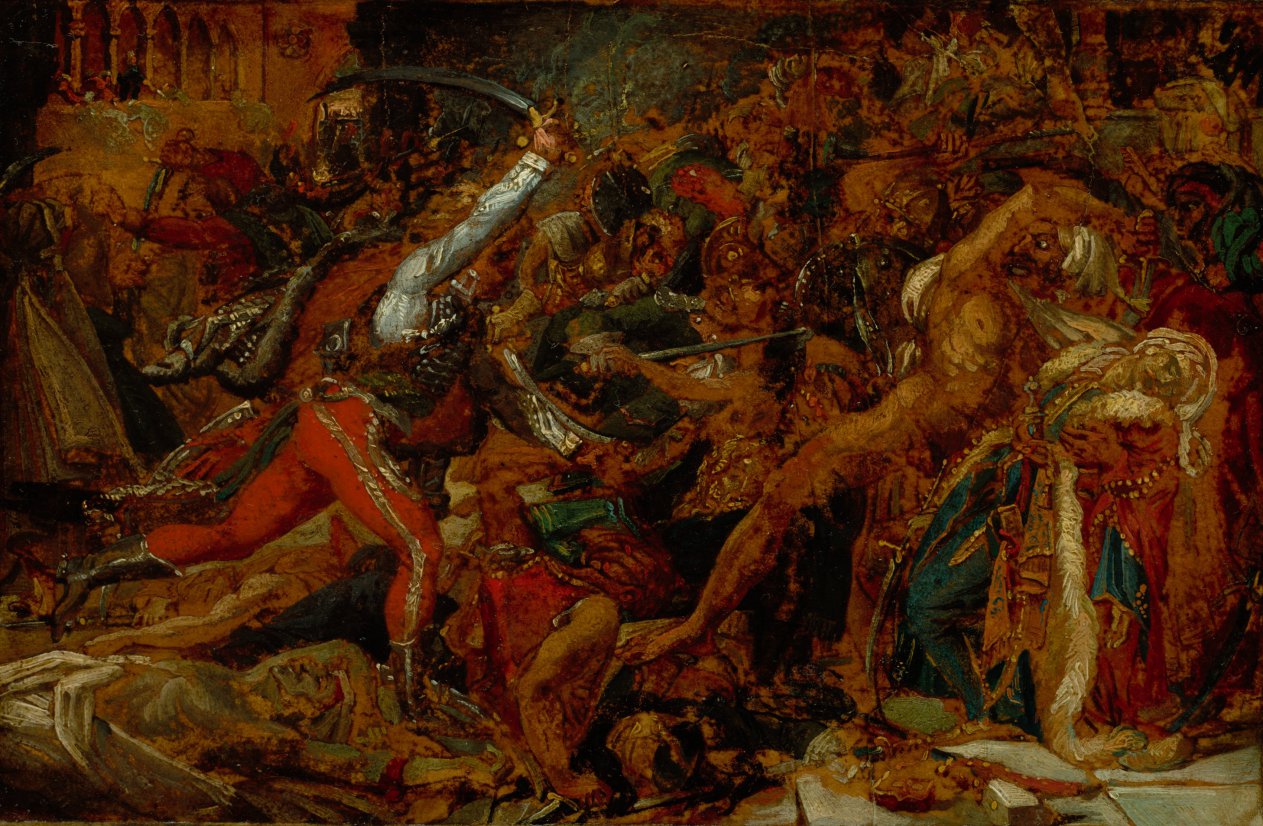
Sketch for "The Revolt at Cairo"
Cleveland Museum of Art
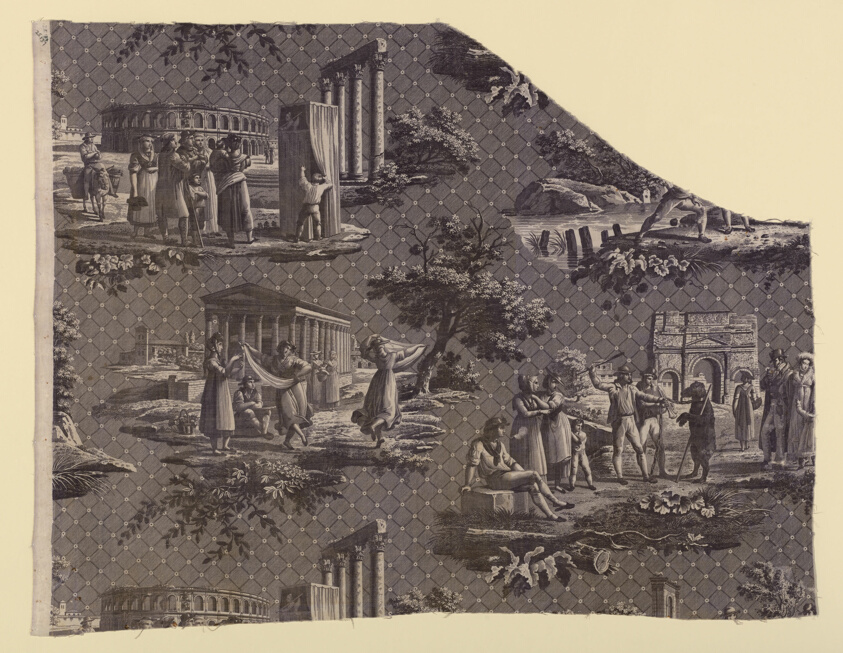
Les Monuments du Midi (Monuments of the South of France) (Furnishing Fabric)
Art Institute of Chicago
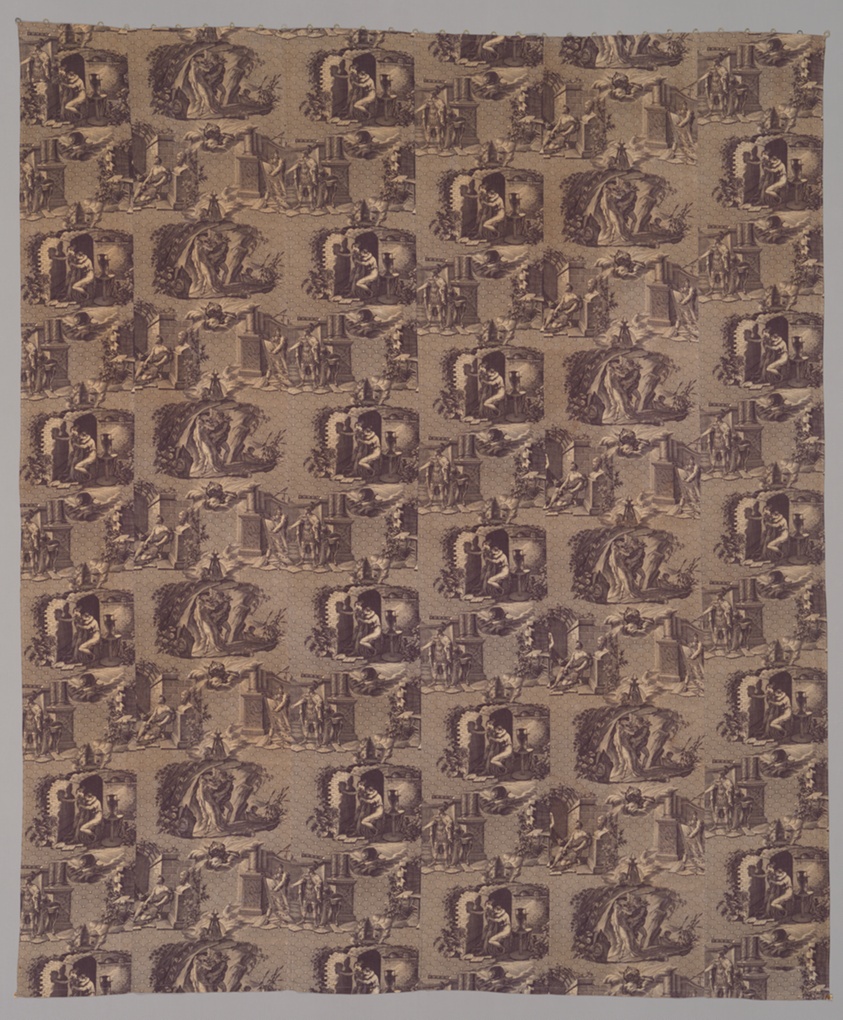
“Les Arts” Furnishing Fabric
Art Institute of Chicago