
Minneapolis Institute of Art
Somaskanda (Holy Family)
India (Tamil Nadu)
- Date
- 13th-14th century
- Medium
- Bronze
- Department
- Asian Art
- Institution
- Minneapolis Institute of Art
Shiva and his wife Uma sit next to each other on double lotus pedestals, between them a residual remnant of their small child, Skanda, now missing from the magnificent bronze. The standard format—known as Somaskanda—arose as early as the 6th century in temples from Tamil Nadu, and remains Shiva’s main manifest form today. In south Indian temples, bronze images play a huge role in devotional practice, where they are treated as living embodiments of the gods. The holes in the base indicate that this particular bronze would have been carried in processions outside the temple grounds. Priests dressed the gods in fine clothing, adorned them with flowers, and assembled an entourage of musicians and dancers to accompany them on a procession to bless the devotees who congregated along city streets. Asia
The authoritative record is held by Minneapolis Institute of Art. LinkedCulture surfaces this object and its connections; it does not alter institutional metadata.
Related across collections
Semantically similar works from Minneapolis Institute of Art and other institutions.
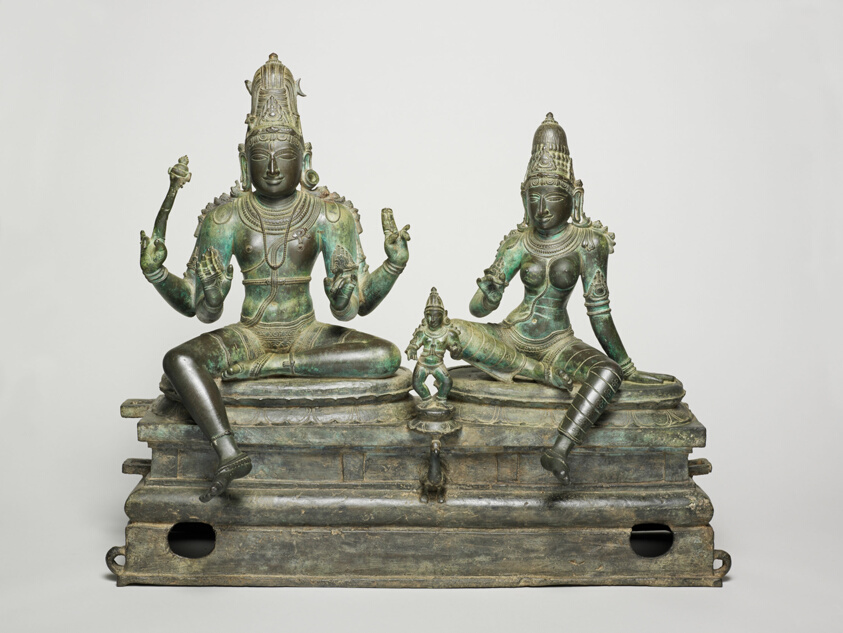
God Shiva and Goddess Uma Seated with their Son, Skanda (Somaskanda)
Art Institute of Chicago
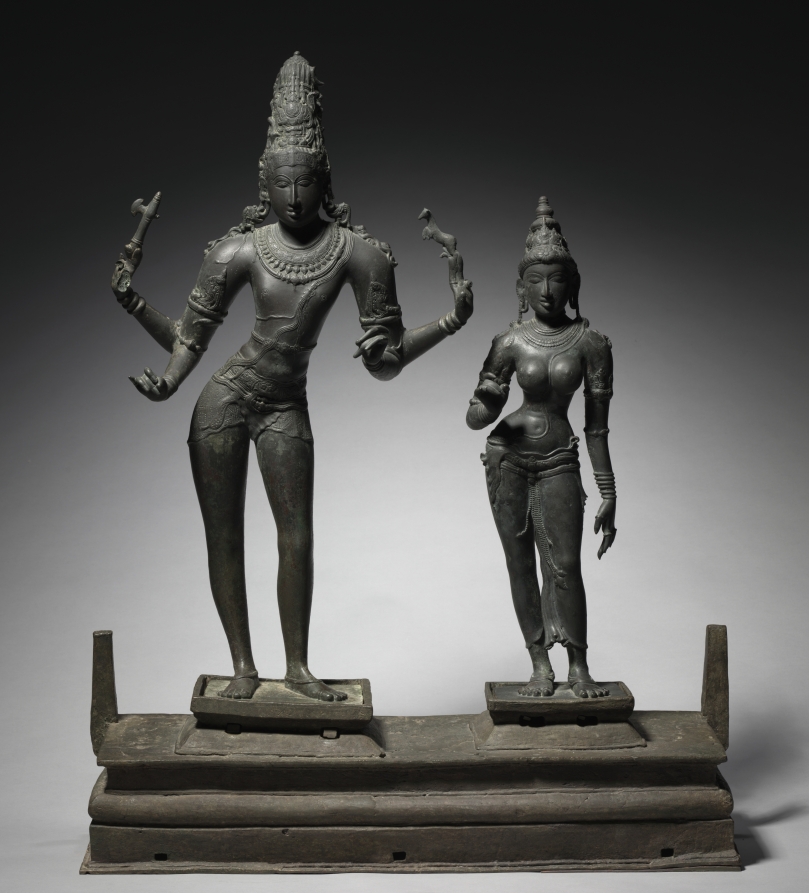
Shiva and Parvati
Cleveland Museum of Art

Shiva as Nataraja Enshrined with Deities
Minneapolis Institute of Art
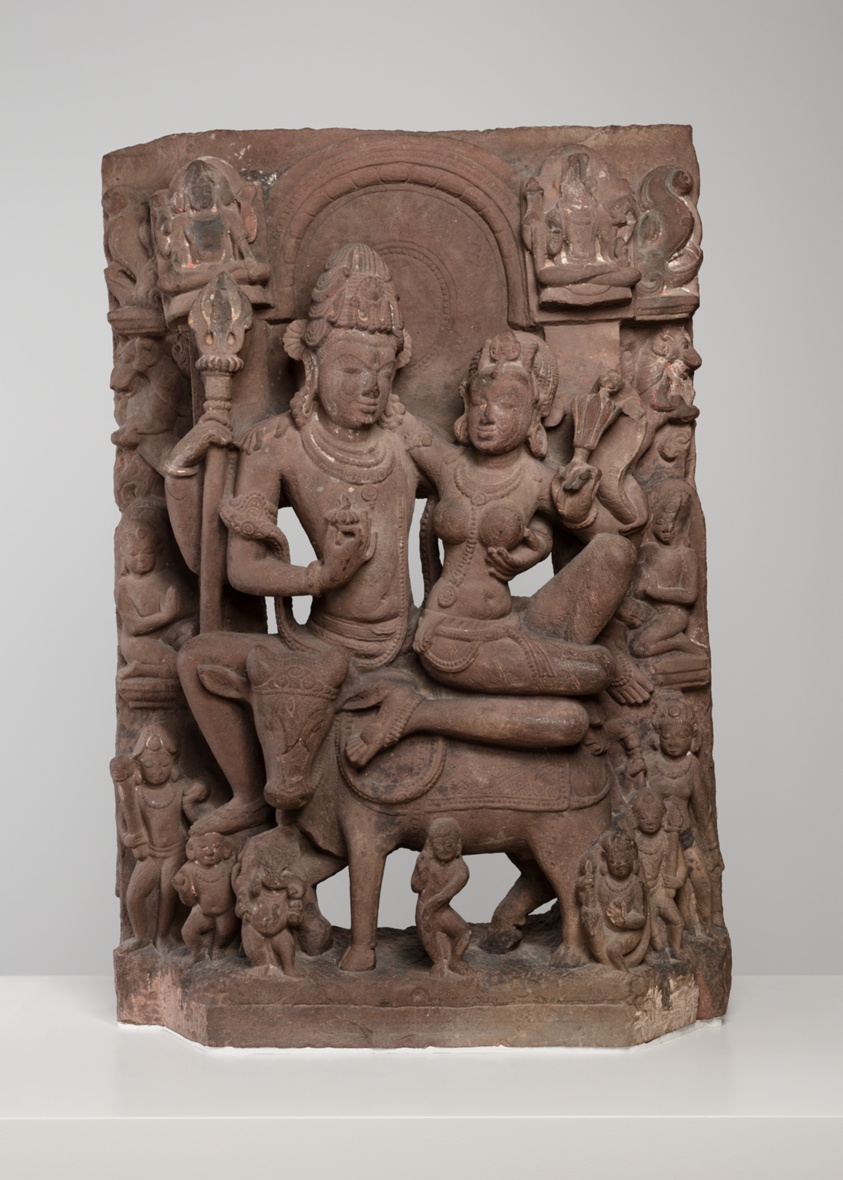
God Shiva Seated in Loving Embrace with Goddess Uma on the Bull Nandi
Art Institute of Chicago
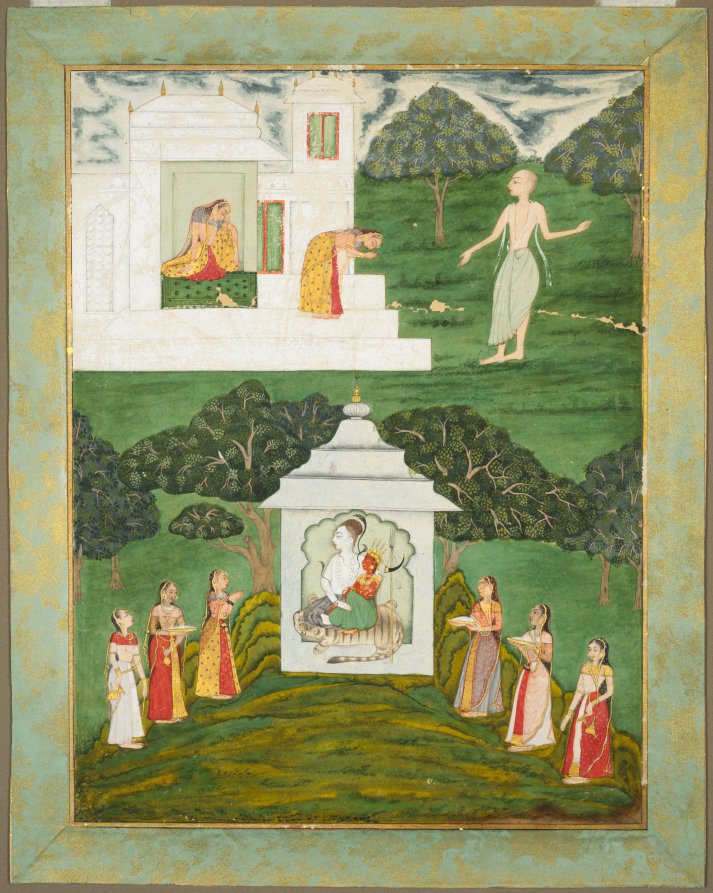
Worship of Shiva and Devi
Cleveland Museum of Art

Uma-Maheshvara
Minneapolis Institute of Art

Bhikshatana
Minneapolis Institute of Art
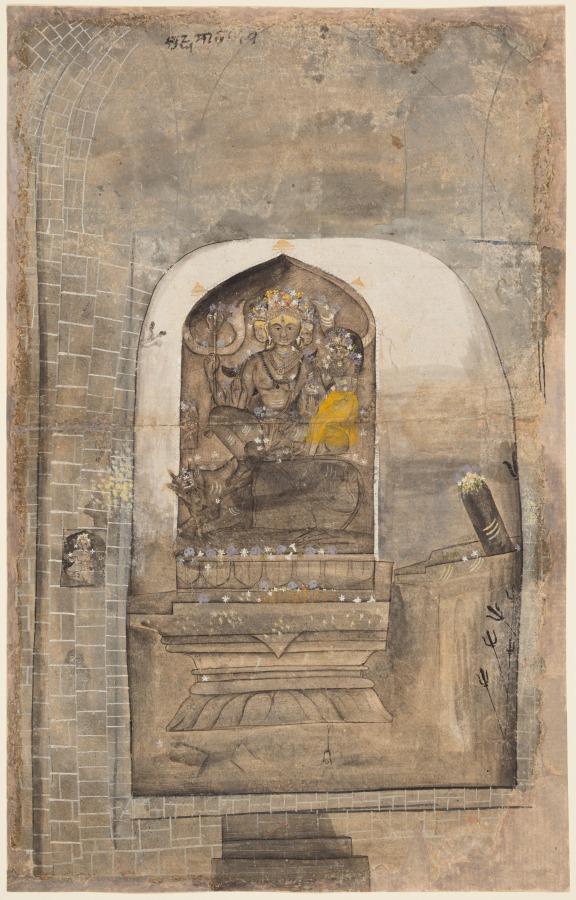
Stone sculptures in a Shiva temple
Cleveland Museum of Art

Child Shaiva Saint Sambandar
Minneapolis Institute of Art
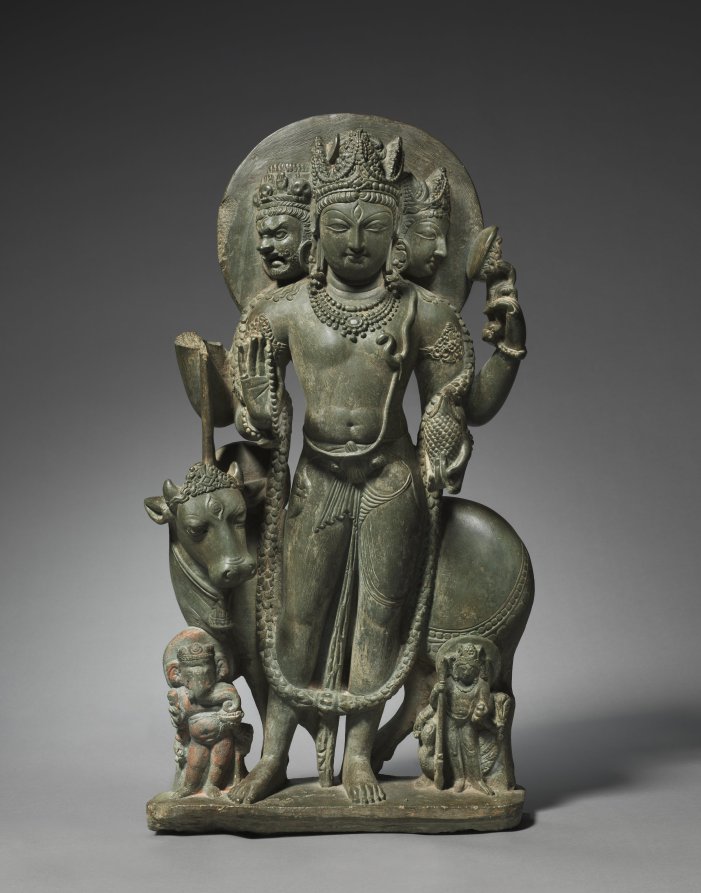
Standing Shiva Mahadeva
Cleveland Museum of Art

Shiva Ardhanarisvara
Minneapolis Institute of Art
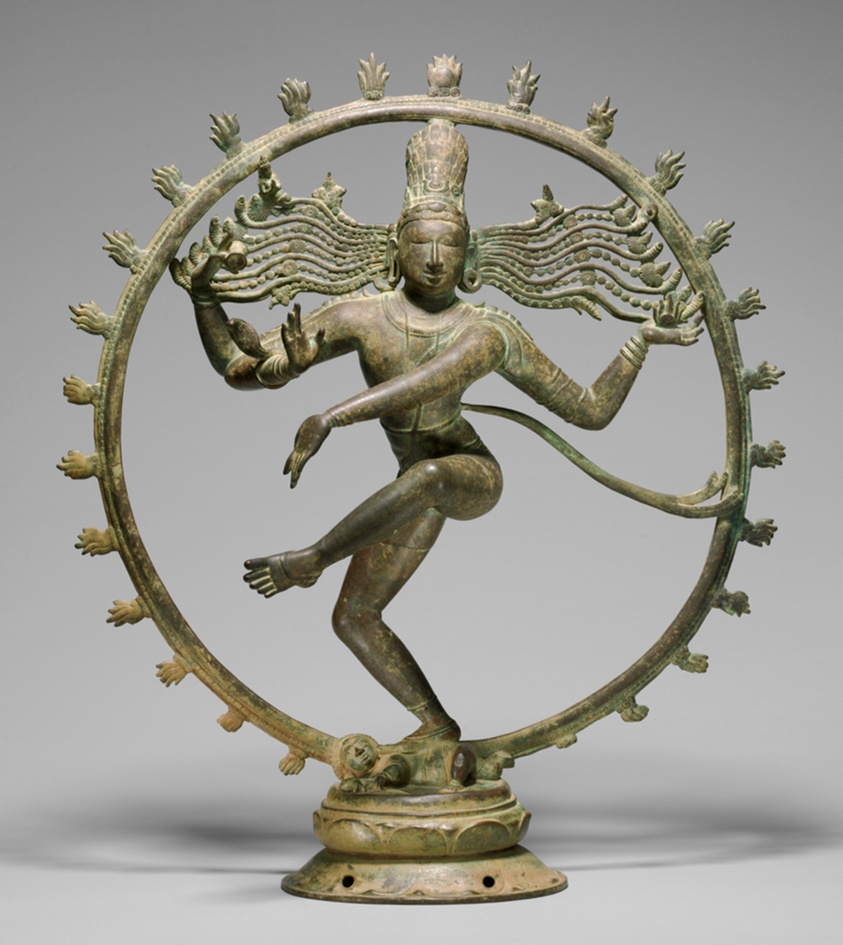
Shiva as Lord of the Dance (Nataraja)
Art Institute of Chicago