
Minneapolis Institute of Art
Bowl with Reticulated Designs
Japan
- Date
- 18th century
- Medium
- Kyōyaki ware, Ko-Kiyomizu type, glazed stoneware
- Department
- Asian Art
- Institution
- Minneapolis Institute of Art
Ceramics with reticulated (cut-out) designs were first produced in Japan in the early 17th century, probably by émigré potters from Korea where this decorative technique had a long history. The famous Kyoto potter Nonomura Ninsei also used the technique in the mid-17th century, thus popularizing it among artisans within Japan's cultural capital. The floral and vegetable motifs seen here are known as mon-chirashi , or scattered crests, referring to the stylized family crests that became popular among all levels of society during Japan's Edo period (1615-1868). Asia
The authoritative record is held by Minneapolis Institute of Art. LinkedCulture surfaces this object and its connections; it does not alter institutional metadata.
Related across collections
Semantically similar works from Minneapolis Institute of Art and other institutions.
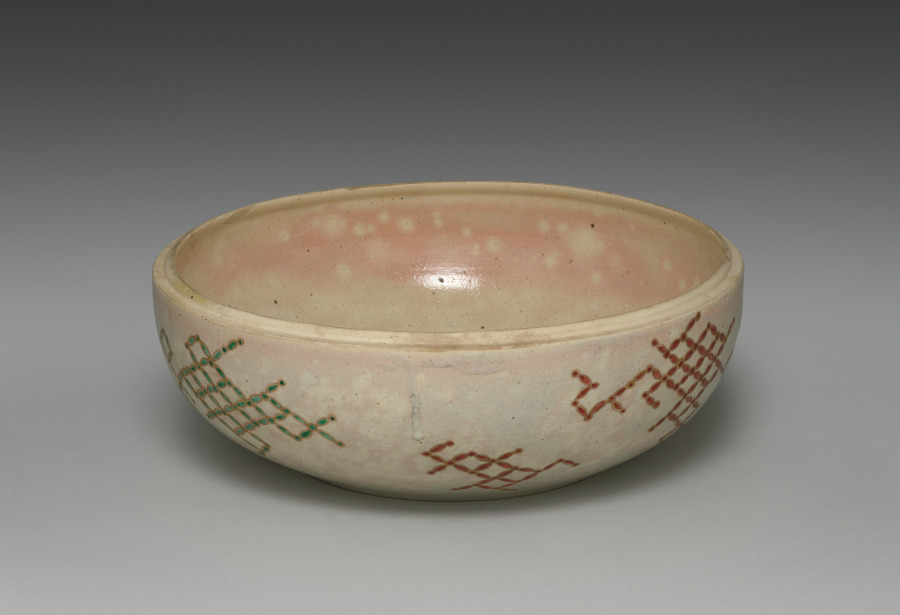
Bowl with Seven Treasures
Cleveland Museum of Art

Bowl with Cross Design
Minneapolis Institute of Art
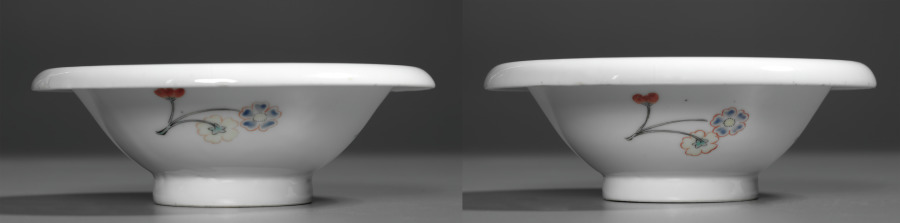
Bowls with Floral Sprays
Cleveland Museum of Art
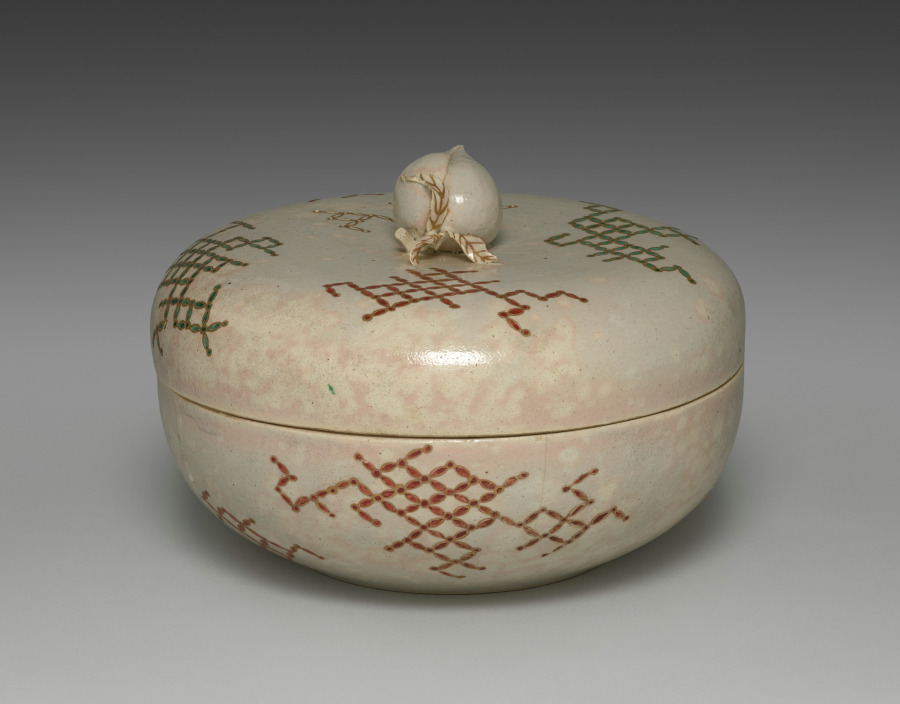
Covered Bowl with Seven Treasures
Cleveland Museum of Art
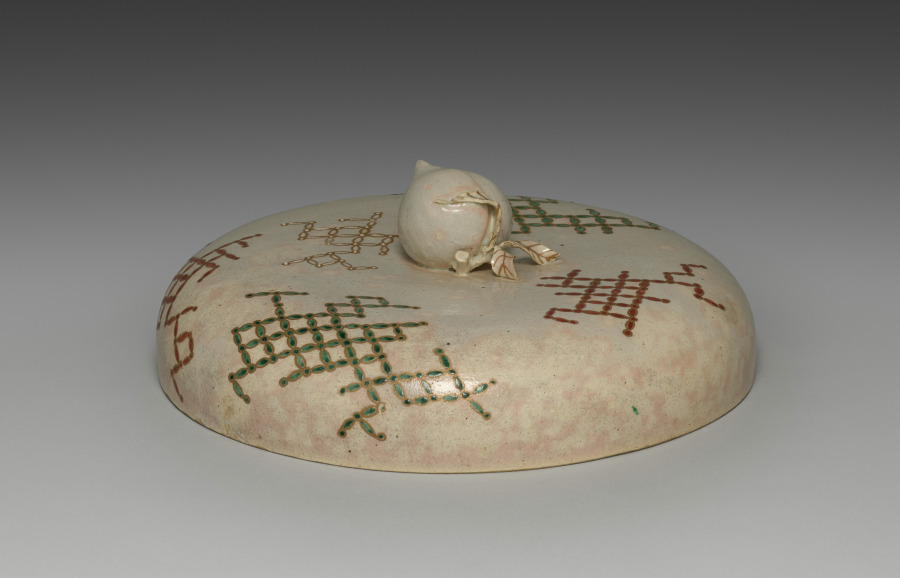
Cover for a Bowl with Seven Treasures
Cleveland Museum of Art
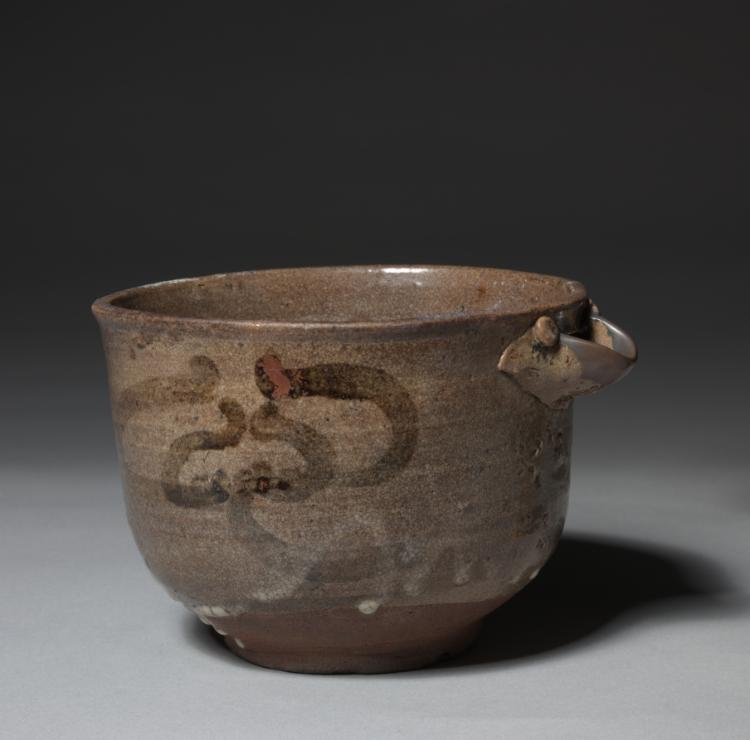
Spouted Bowl with Flower Design
Cleveland Museum of Art
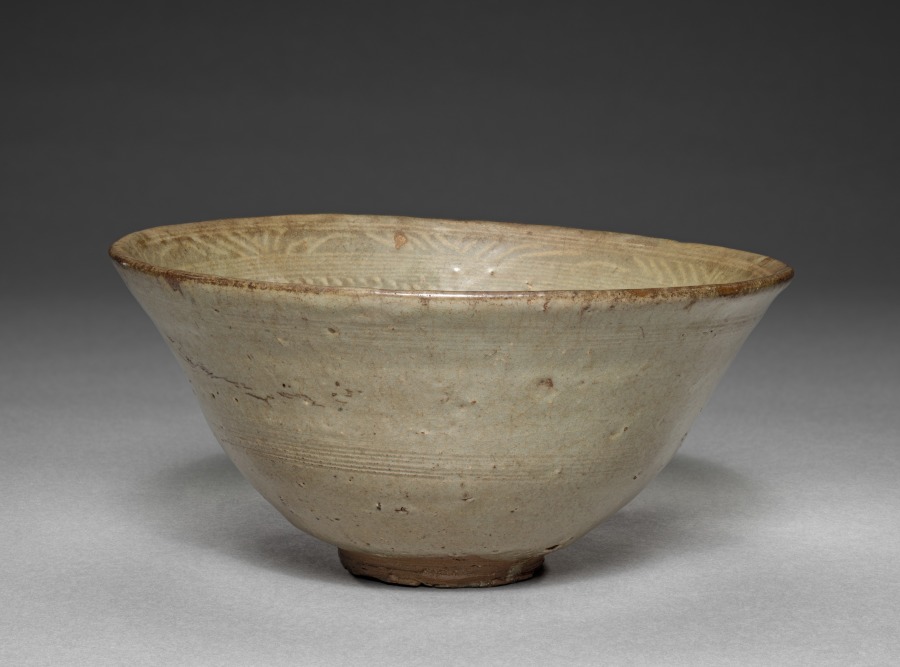
Bowl with Stamped Floral Decoration
Cleveland Museum of Art
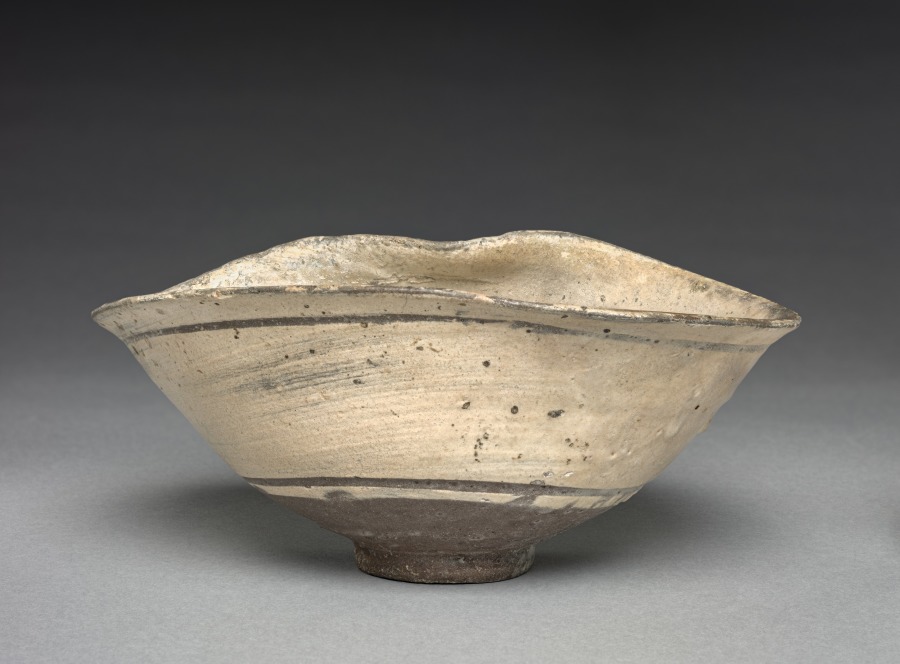
Bowl with Brushing Decorations
Cleveland Museum of Art
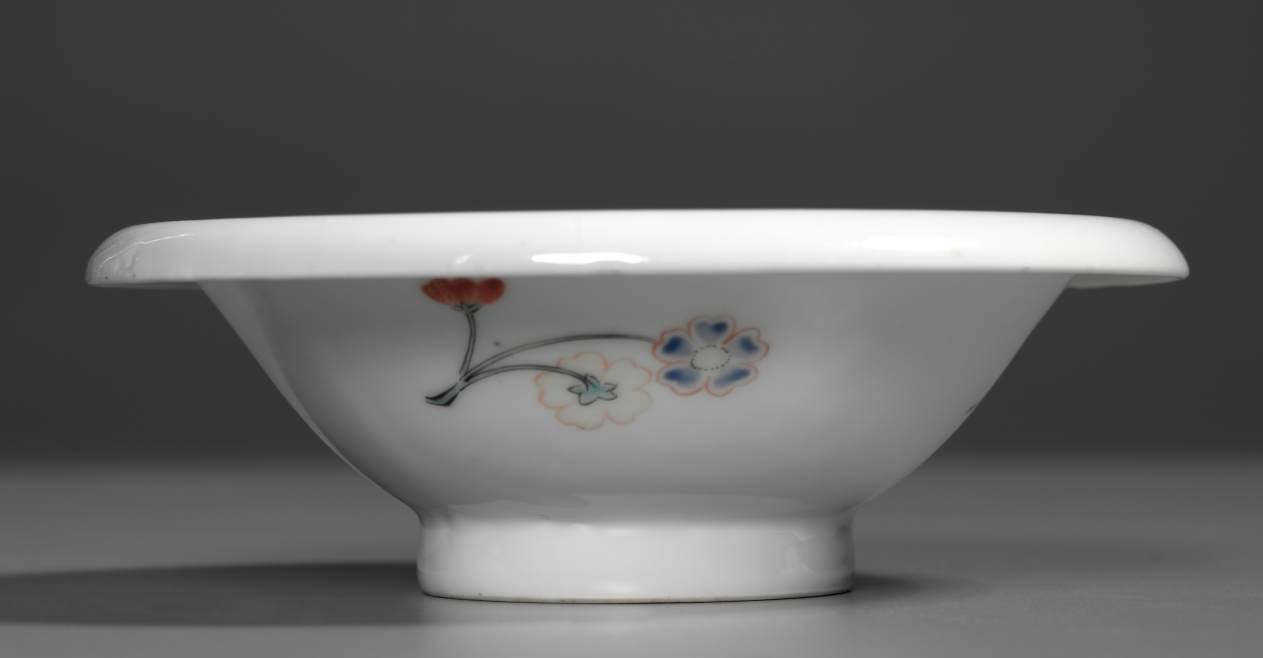
Bowl with Floral Spray
Cleveland Museum of Art
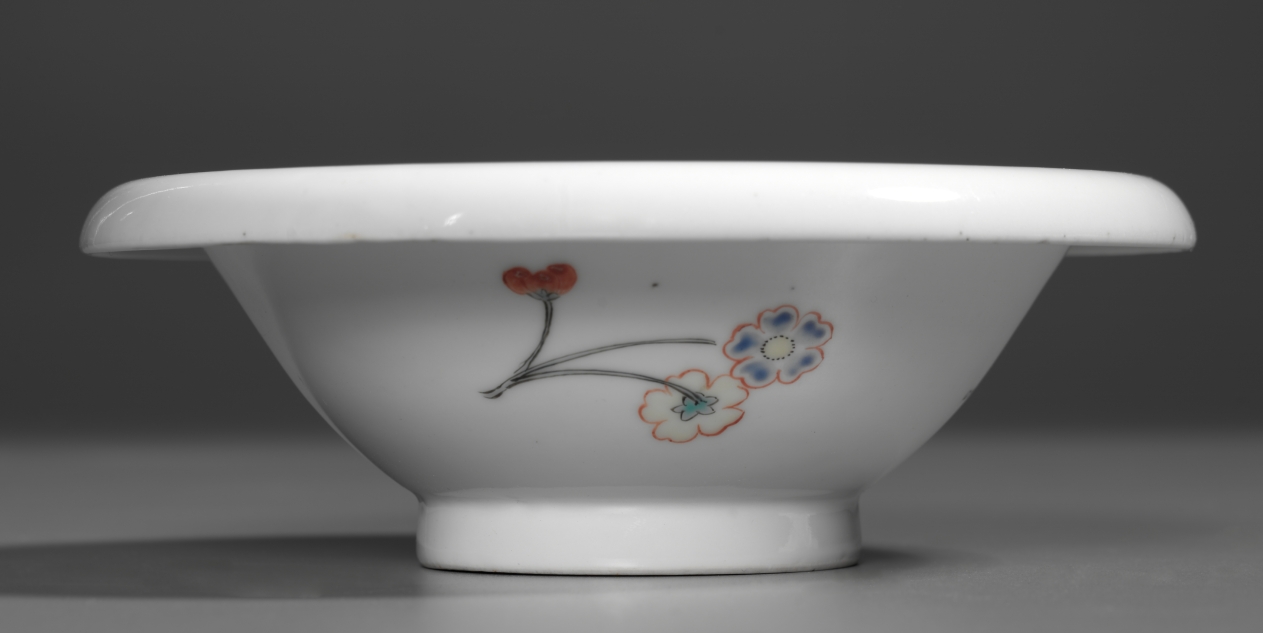
Bowl with Floral Spray
Cleveland Museum of Art
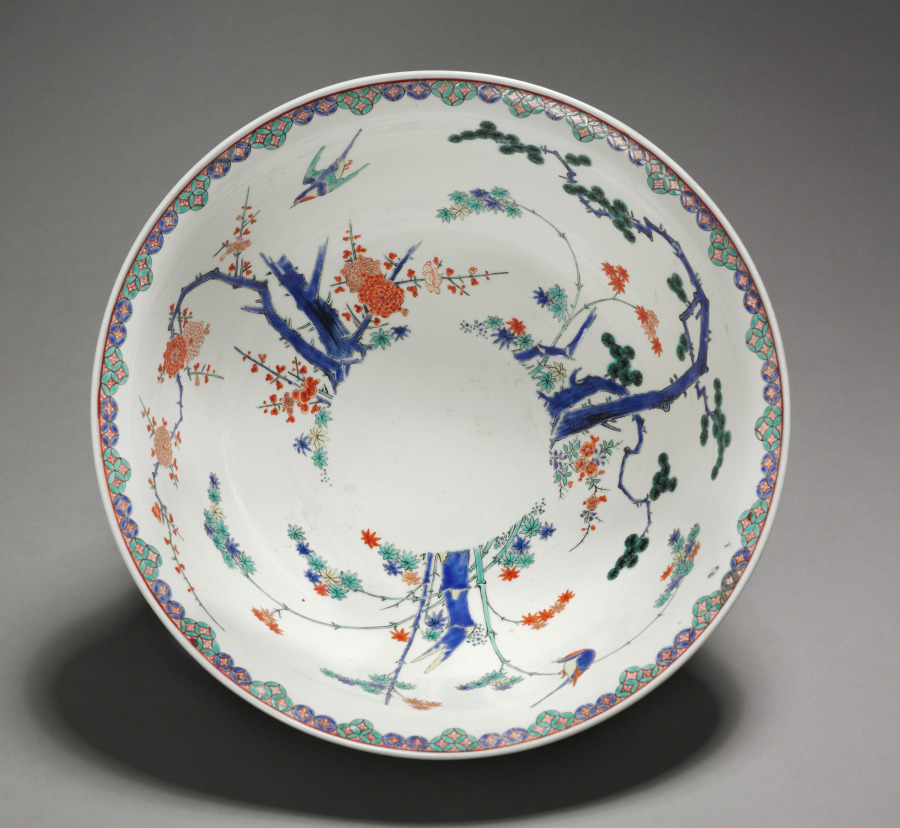
Bowl: Kakiemon Ware (2 of 2)
Cleveland Museum of Art
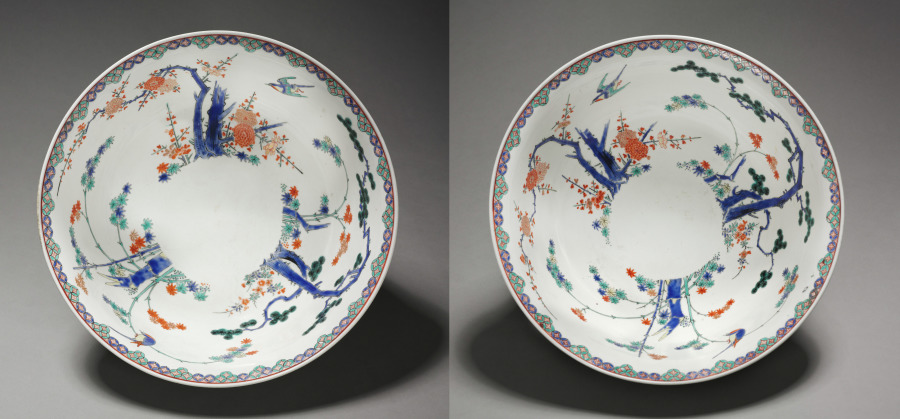
Pair of Bowls: Kakiemon Ware
Cleveland Museum of Art