
Minneapolis Institute of Art
Suriname Toad (Pipa pipa), Shells and Flowering Plant
After Maria Sibylla Merian; Engraver: Pieter Sluyter (Sluiter)
- Date
- 1705–71
- Medium
- Etching and engraving, hand-colored
- Department
- European Art
- Institution
- Minneapolis Institute of Art
This print represents the remarkable reproductive cycle of the Suriname toad. The female toads carry their fertilized eggs on their backs, growing skin to protect their eggs during gestation, as they develop into tadpoles and small toads. Merian was one of the earliest naturalists to investigate the metamorphosis of amphibians. She found the Surname toad to be particularly fascinating, writing that when she observed the young crawling out of the mother's back, I threw the female and her young into brandy to preserve the specimens. She also recorded, These toads are eaten by the natives, who consider them to be a good dish. Two shells are shown at the bottom; one clearly contains a hermit crab. I had these shells brought up from the bottom of the sea in order to see what kind of creatures live in them…I pulled a number out with force and established they were a variety of crab, said the curious Merian. The aquatic plant is Sesuvium portulacastrum (Linnaeus), which she observed was used as a kind of spinach or in a salad. Netherlands, Europe
The authoritative record is held by Minneapolis Institute of Art. LinkedCulture surfaces this object and its connections; it does not alter institutional metadata.
Related across collections
Semantically similar works from Minneapolis Institute of Art and other institutions.

Metamorphosis of a Frog and Blue Flower
Minneapolis Institute of Art
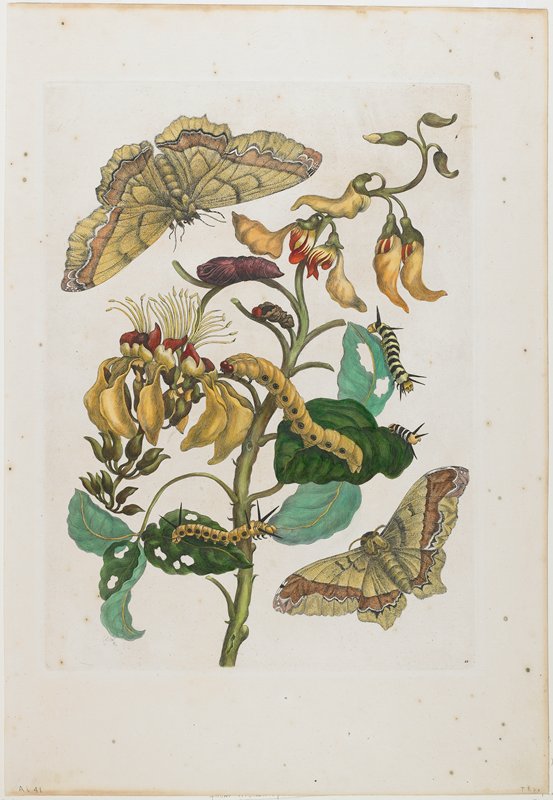
Caterpillars, Butterflies and Flower
Minneapolis Institute of Art
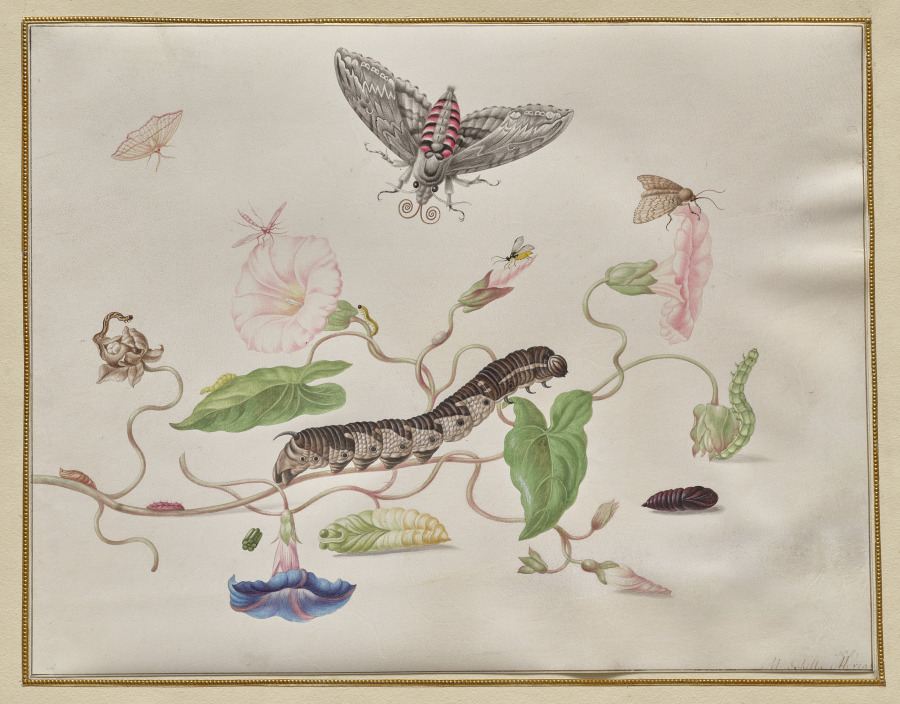
Convolvulus and Metamorphosis of the Convolvulus Hawk Moth
Cleveland Museum of Art

Snake, Caterpillar, Butterfly, and Insects on Plant
Minneapolis Institute of Art

Kapkap
Minneapolis Institute of Art
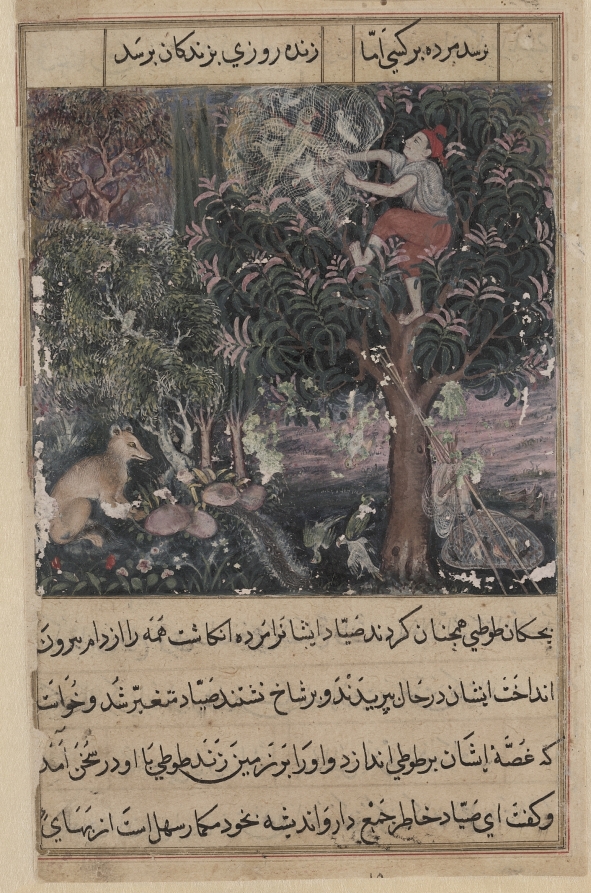
The hunter throws away the baby parrots, who pretend to be dead, and captures the mother, from a Tuti-nama (Tales of a Parrot): Fifth Night
Cleveland Museum of Art

Caterpillars, Butterflies, and Flower
Minneapolis Institute of Art

Sphinx Moth, Larva, Pupa, and Flower
Minneapolis Institute of Art
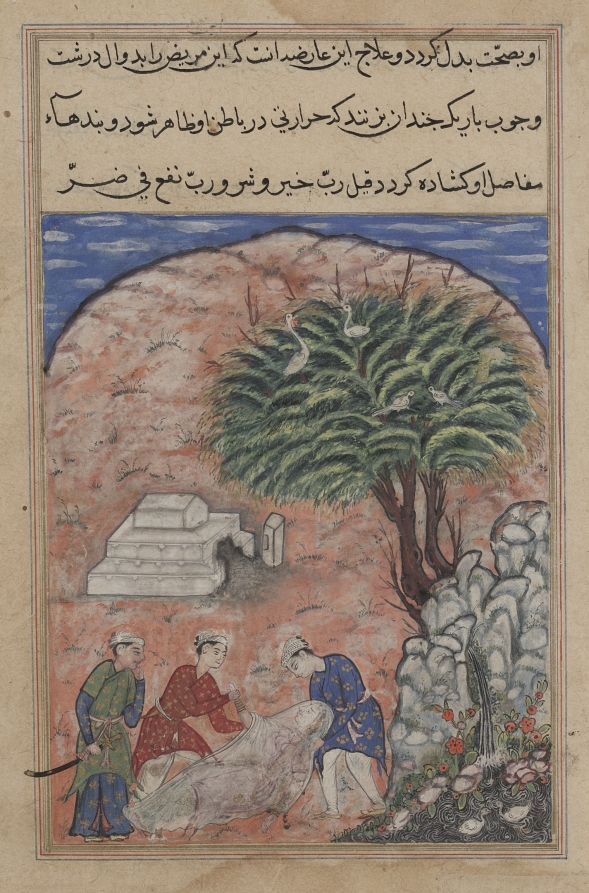
The suitors take the devotee’s daughter out of her tomb after breaking it open, when the physician discovers she is still alive, from a Tuti-nama (Tales of a Parrot): Twentieth Night
Cleveland Museum of Art
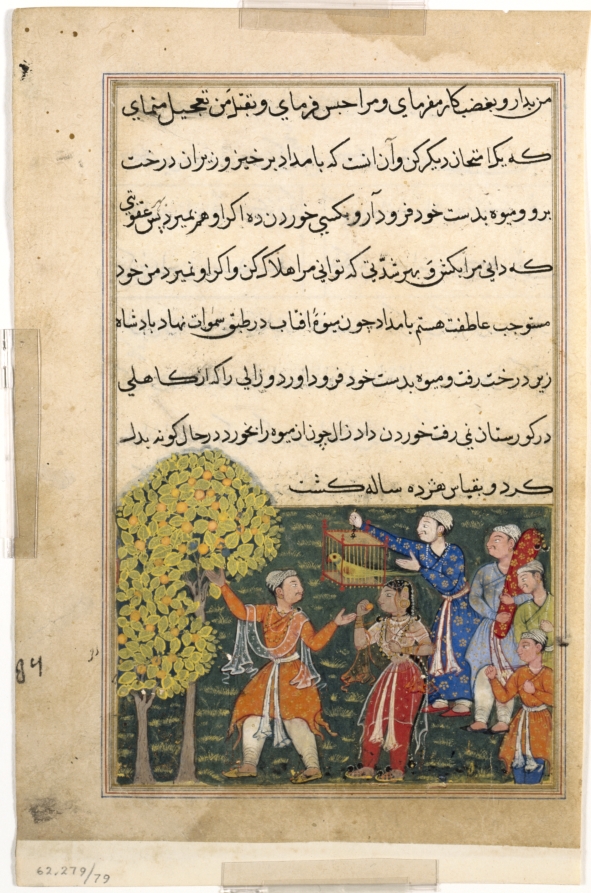
The king plucks fruit from the Tree of Life with his own hands and feeds it to a lady, from a Tuti-nama (Tales of a Parrot): Ninth Night
Cleveland Museum of Art
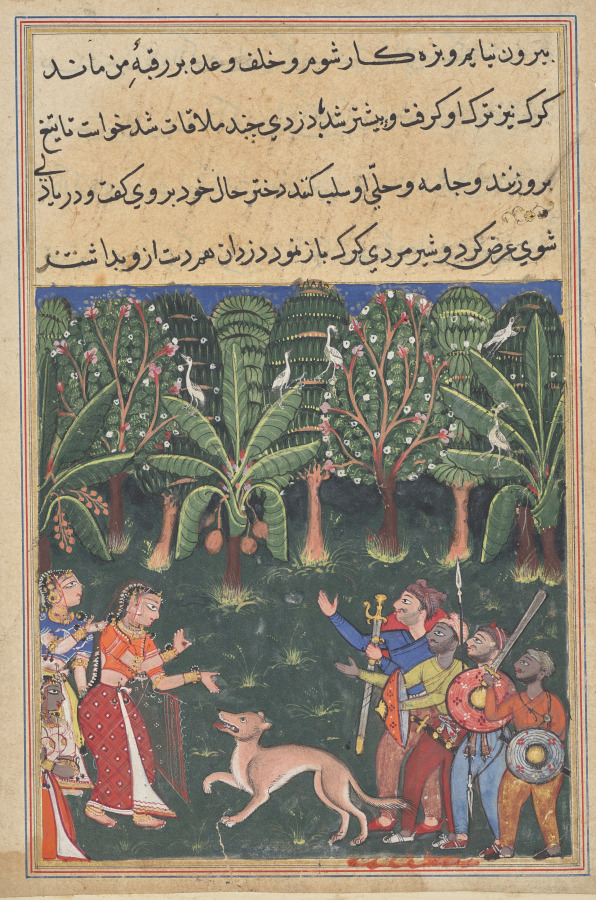
The merchant’s daughter encounters a wolf and bandits on her way to meet the gardener in order to keep her promise, from a Tuti-nama (Tales of a Parrot): Twelfth Night
Cleveland Museum of Art

Inflorescence of Banana
Minneapolis Institute of Art