
Minneapolis Institute of Art
Fashion plate from Magasin des Modes Nouvelles, Quatrième Année, Trente-troisième Cahier, 11 Novembre 1789
Engraver: A.B. Duhamel; after Jean-Florentine Defraine; Author: Jean-Antoine Lebrun-Tossa; Publisher: François Buisson
- Date
- November 11, 1789
- Medium
- Hand-colored engraving
- Department
- European Art
- Institution
- Minneapolis Institute of Art
Often the smallest details carried the greatest symbolic weight. Even men’s shoe buckles—costly accessories purchased from jewelers—conveyed partisan commentary in form and materials. A royalist pre-revolutionary solid silver buckle with the king’s initial “L” (for Louis) would become a political fl ashpoint the following year, not only for its imagery. Supporters of the Revolution donated thousands of jewelry items, including shoe buckles, to the National Assembly for conversion into money. In an era of economic crisis, buckles made from inexpensive copper, not silver—or better yet, ribbon ties—were deemed patriotic and egalitarian. By November 1789, devotees of the new nation could choose from buckles in the shape of the Bastille prison (top)— complete with ramparts and tiny cannons—or (bottom) ones symbolizing the Third Estate (commoners). According to the description, the latter took its form from a triangular square ruler utilized by masons and architects. France, Europe
The authoritative record is held by Minneapolis Institute of Art. LinkedCulture surfaces this object and its connections; it does not alter institutional metadata.
Related across collections
Semantically similar works from Minneapolis Institute of Art and other institutions.

Magasin des Modes Nouvelles, Troisième Année, Vingtième Cahier, 30 Mai 1788
Minneapolis Institute of Art

Magasin des Modes Nouvelles, Seconde Année, Premier Cahier, 20 Novembre 1786
Minneapolis Institute of Art

Magasin des Modes Nouvelles, Quatrième Année, Vingt-neuvième Cahier, 21 Septembre 1789
Minneapolis Institute of Art

Fashion Plate No. 315 from Journal des Dames et des Modes
Minneapolis Institute of Art

Place de la Liberté sur le terrain de la Bastille, 1789
Musée Carnavalet, Histoire de Paris
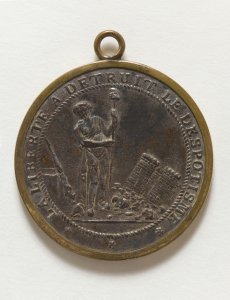
"La Liberté a détruit le despotisme", 1789
Musée Carnavalet, Histoire de Paris

Fashion Plate No. 885 from Costumes Parisiens
Minneapolis Institute of Art

Fashion plate from Magasin des Modes Nouvelles, Quatrième Année, Trente-unième Cahier, 21 Octobre 1789
Minneapolis Institute of Art

Fashion plate from Journal de la Mode et du Goût, Dix-neuvième Cahier, 25 Août 1790
Minneapolis Institute of Art
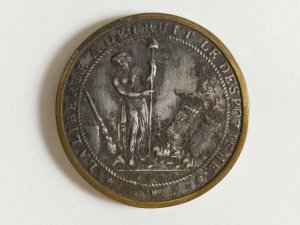
"La Liberté a détruit le despotisme", 1789
Musée Carnavalet, Histoire de Paris
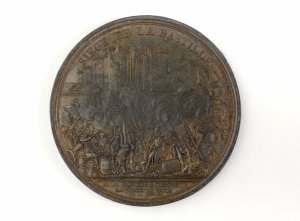
Siège de la Bastille, 14 juillet 1789
Musée Carnavalet, Histoire de Paris
Siège de la Bastille, 14 juillet 1789
Musée Carnavalet, Histoire de Paris