
Minneapolis Institute of Art
Mezuzah (doorpost)
Probably Poland
- Date
- c. 1900
- Medium
- Silver
- Department
- European Art
- Institution
- Minneapolis Institute of Art
The mezuzah (מזוזה) is a symbolic object meant to serve as a daily reminder of the presence and protection of God. Mezuzot are inscribed pieces of parchment containing certain passages of the Book of Deuteronomy. The piece of parchment is then rolled and placed into some kind of decorative and protective case. The word mezuzah actually means “doorpost, ” as the phrase in Deuteronomy 6:9 states, “You shall inscribe them [these words] upon the doorposts of your house and upon your gates.” Subsequently, the scroll and case are affixed to the entrance of a home or synagogue. In addition to the biblical text, the name of God is also inscribed on the back of mezuzot . This particularly name for God, Shaddai (שדי), is said to stand for the phrase “ Shomer Daltot Yisrael ”, which means “Guardian of the Doors of Israel.” Unlike the Torah scroll, the scroll of the mezuzah is not meant to be regularly opened and read. Instead, it serves at a physical reminder of putting text into practice through daily life. Poland, Europe
The authoritative record is held by Minneapolis Institute of Art. LinkedCulture surfaces this object and its connections; it does not alter institutional metadata.
Related across collections
Semantically similar works from Minneapolis Institute of Art and other institutions.

Mezuzah (doorpost)
Minneapolis Institute of Art

Torah mantle
Minneapolis Institute of Art

Megillah (scroll) with case
Minneapolis Institute of Art

Shiviti
Minneapolis Institute of Art
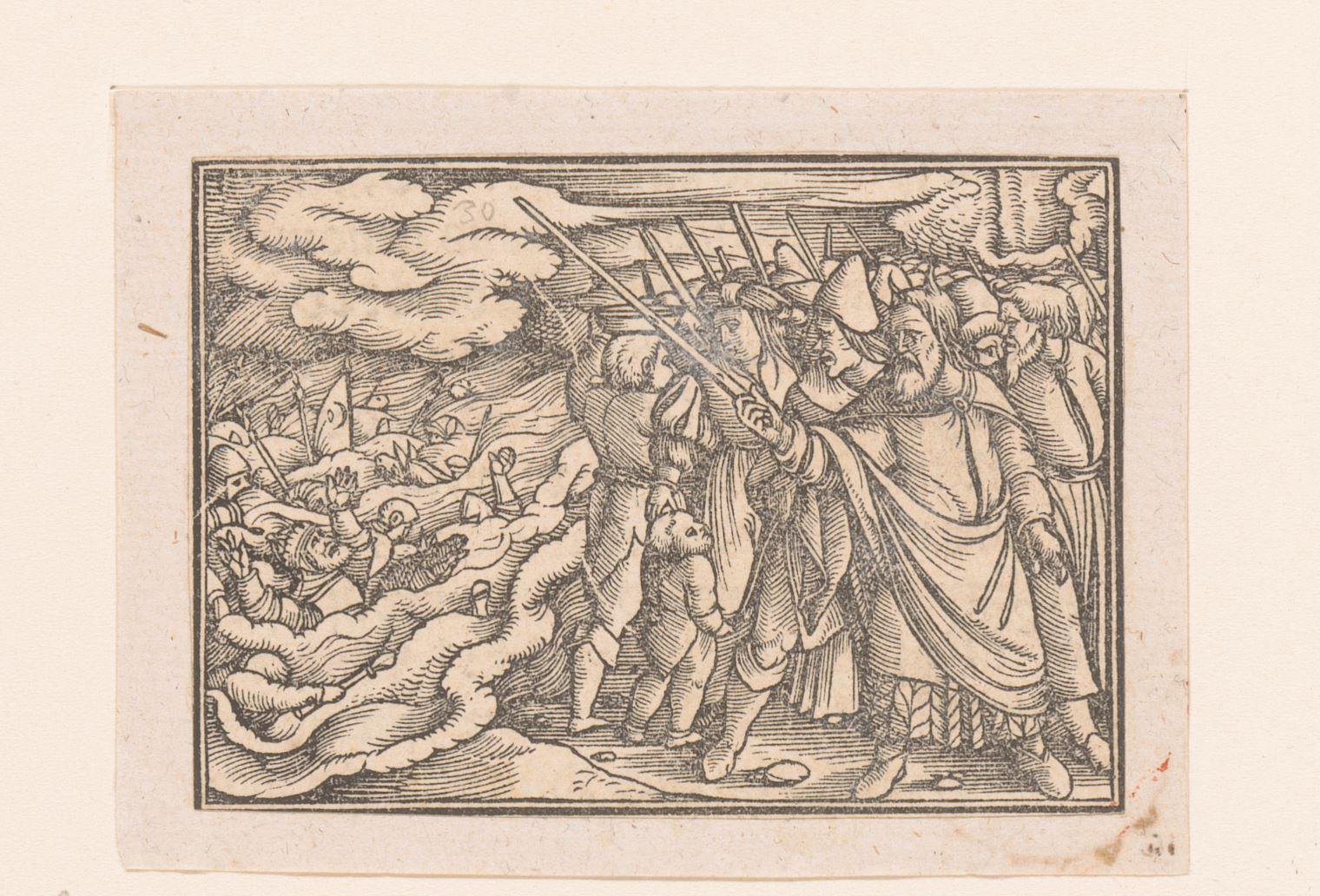
Mozes laat de legers van de Farao verzwelgen door de Rode Zee
Rijksmuseum

Torah shield
Minneapolis Institute of Art

The Messenger of God Appearing to Joshua
Getty Museum

Tefillin (prayer container) box (one of a pair)
Minneapolis Institute of Art

Writing board
Minneapolis Institute of Art

Amulet
Minneapolis Institute of Art
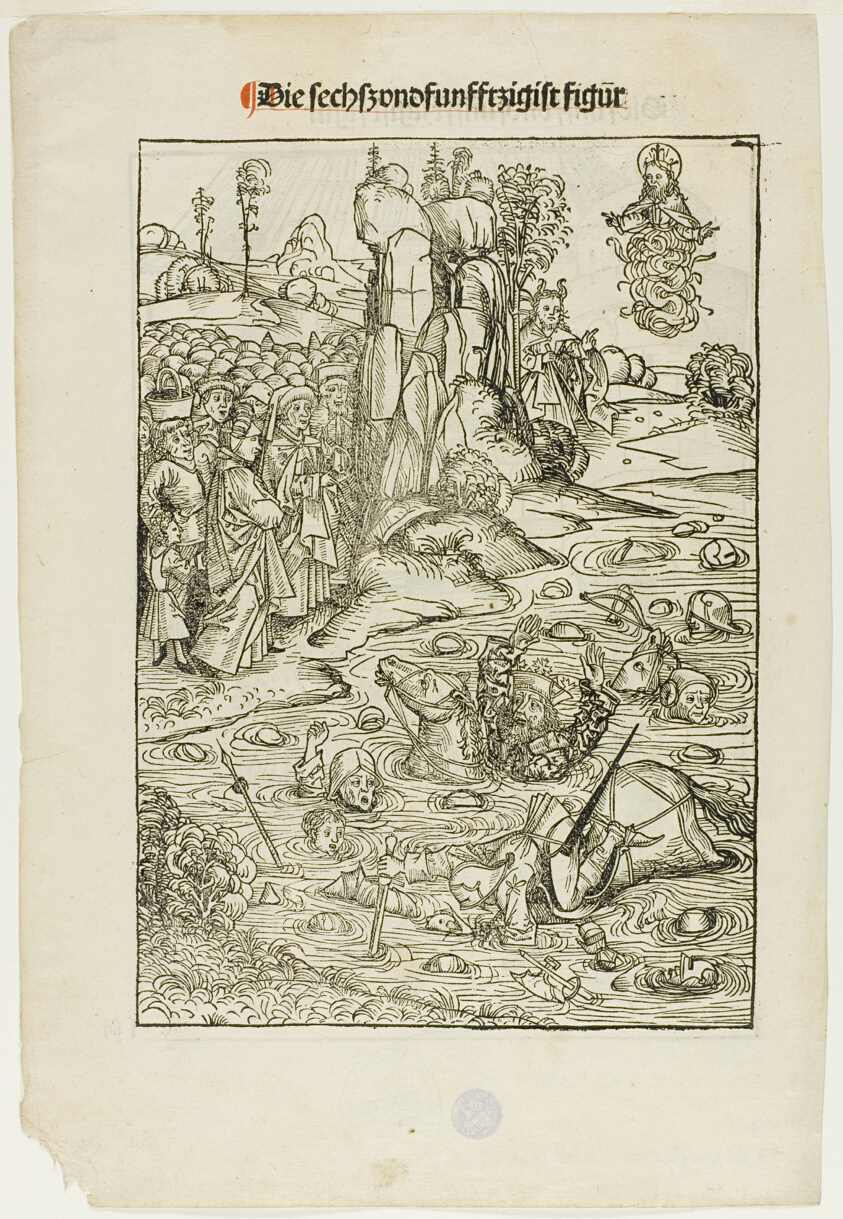
Pharoah and His Host Perishing in the Red Sea (verso); The Freeing of King Joachim of Jerusalem (recto), pages 56 and 55, from the Treasury (Schatzbehalter)
Art Institute of Chicago

Jerusalem - Minbar, or Pulpit, in the Enclosure of the Mosk of the Dome of the Rock
Getty Museum