
Minneapolis Institute of Art
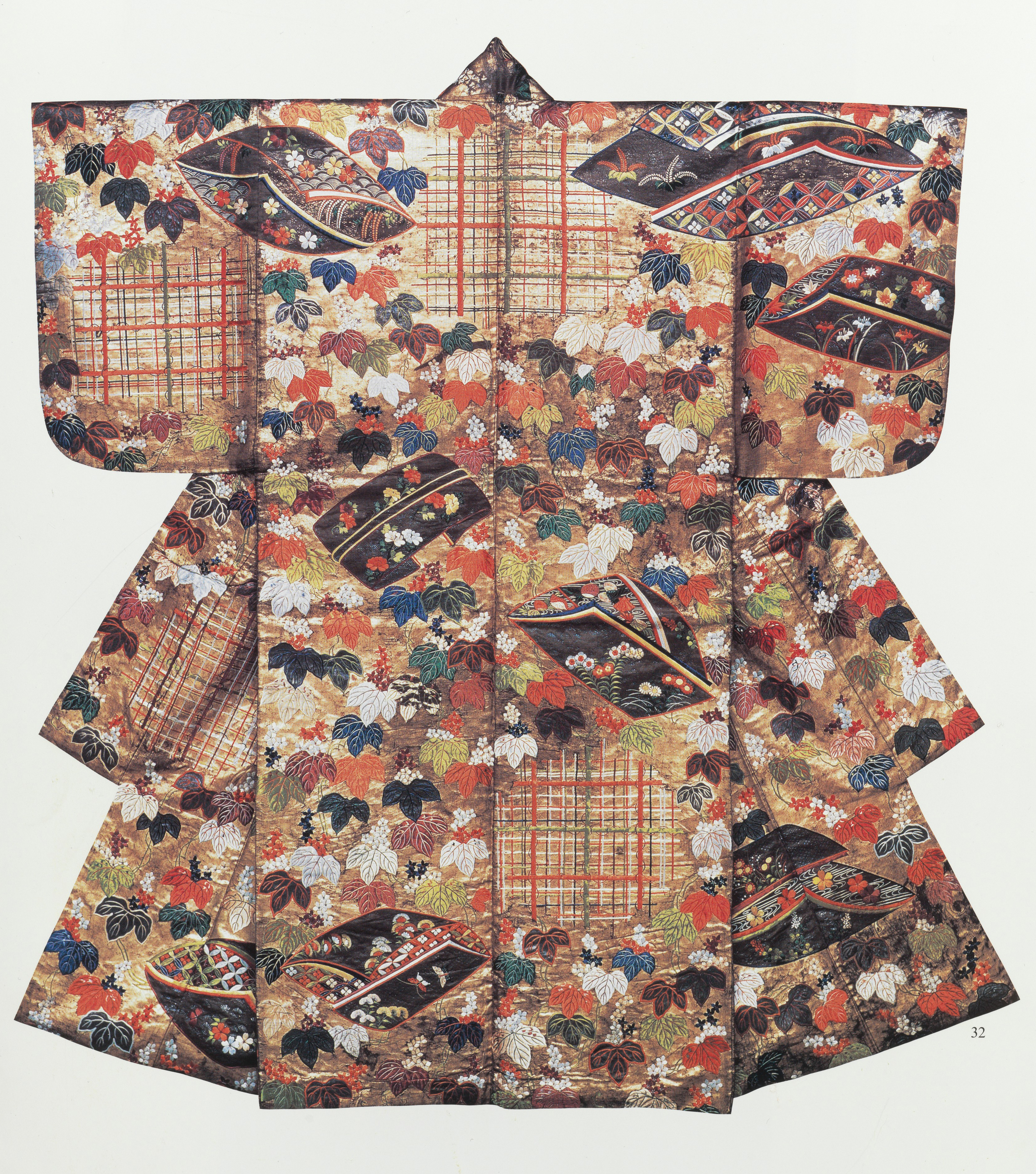
Noh costume (nuihaku) with autumn flowers
JapanLinkedCulture matchlcp-9cfc54f21d2c
- Date
- mid 17th century
- Medium
- Silk embroidery and gold leaf on silk
- Department
- Asian Art
- Institution
- Minneapolis Institute of Art
- Object ID
- 8802
From the Minneapolis Institute of Art record
In the traditional Japanese musical drama called Noh, female characters usually wear an under robe like this one, known as a nuihaku , beneath an outer robe called a karaori. Nuihaku robes feature a combination of embroidered designs and applied gold and silver leaf. Here, gold bands represent mist floating in an autumn meadow among flowers including flame-like cockscomb, dianthus (with five fringed petals), chrysanthemums, and clumps of the shrub-like bush clover. Noh costumes such as this one created in the mid-1600s, during the Edo period, derived from robes worn by fashionable aristocratic women of the Momoyama period (1573–1603). Asia
The authoritative record is held by Minneapolis Institute of Art. LinkedCulture surfaces this object and its connections; it does not alter institutional metadata.
Get printable QR codesHide QR codes
Open QR codes for this object page and the museum record. They stay collapsed until needed.
Provenance & credit
As published by the source institution. Coverage varies — not every institution's open-data feed includes ownership history.
- Credit line
- The Ethel Morrison Van Derlip Fund
Related across collections
Semantically similar works from Minneapolis Institute of Art and other institutions.

Noh costume (nuihaku) with floral motifs
Minneapolis Institute of Art
#105524
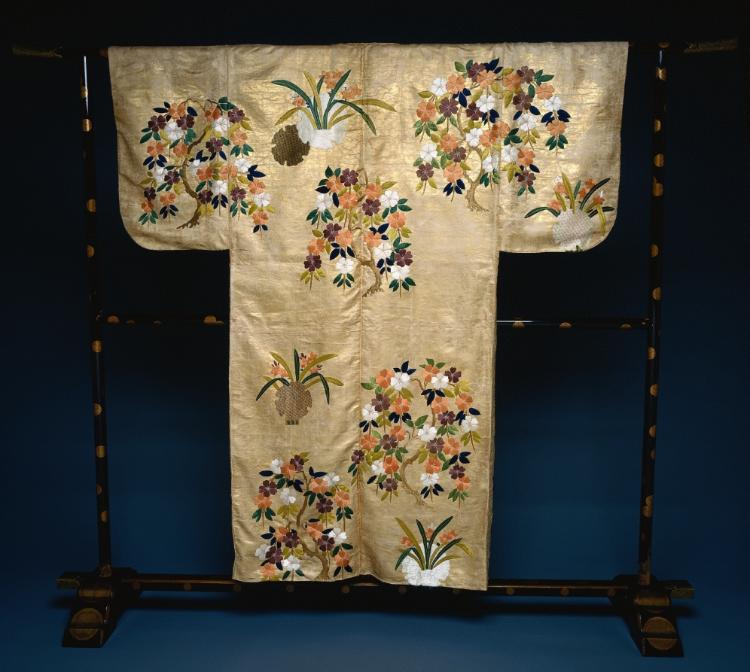
Nō Costume (Nuihaku) with Blossoming Trees and Flowers
Cleveland Museum of Art
#147935

Noh costume (nuihaku)
Minneapolis Institute of Art
#63690
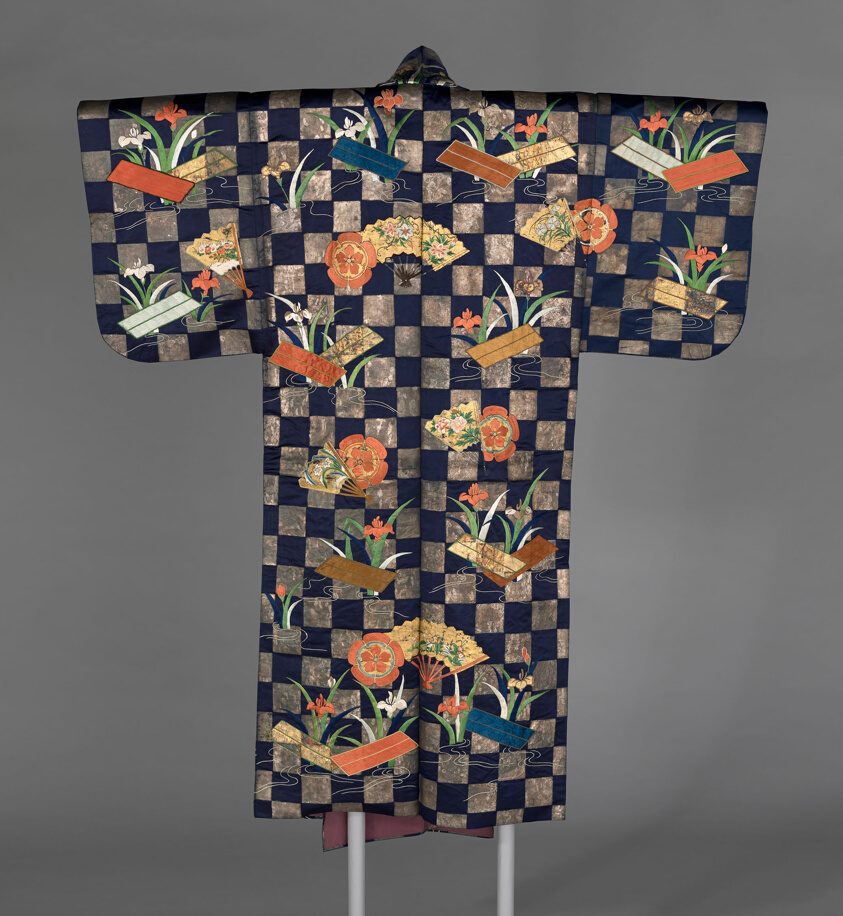
Nuihaku (Noh Costume)
Art Institute of Chicago
#20620
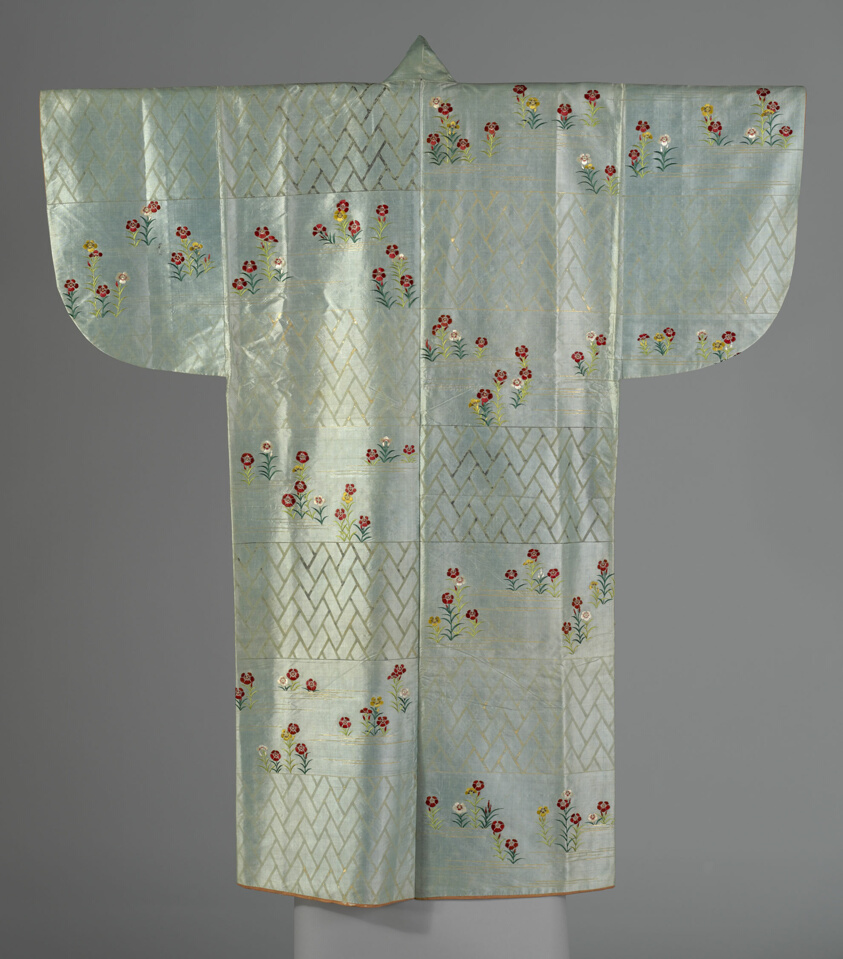
Nuihaku (Noh Costume)
Art Institute of Chicago
#228571
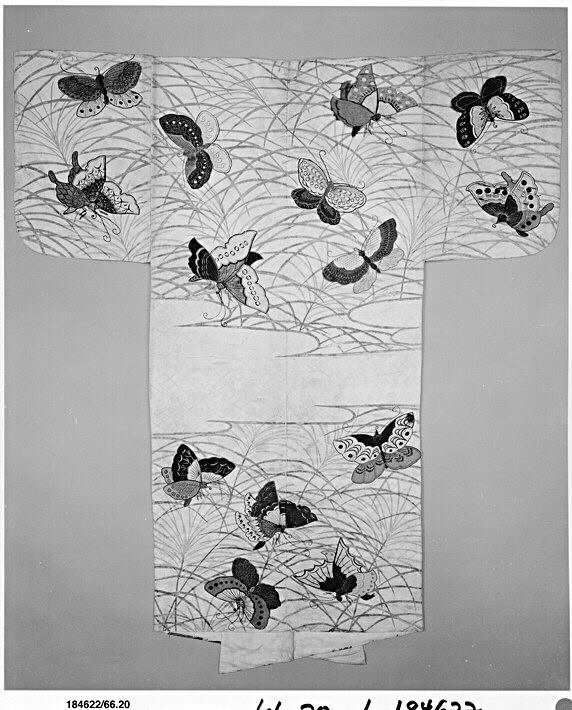
Noh robe (Nuihaku) with Design of Butterflies and Miscanthus Grass in Mist
The Metropolitan Museum of Art
#55963

Nuihaku (Noh Costume)
Art Institute of Chicago
#86377
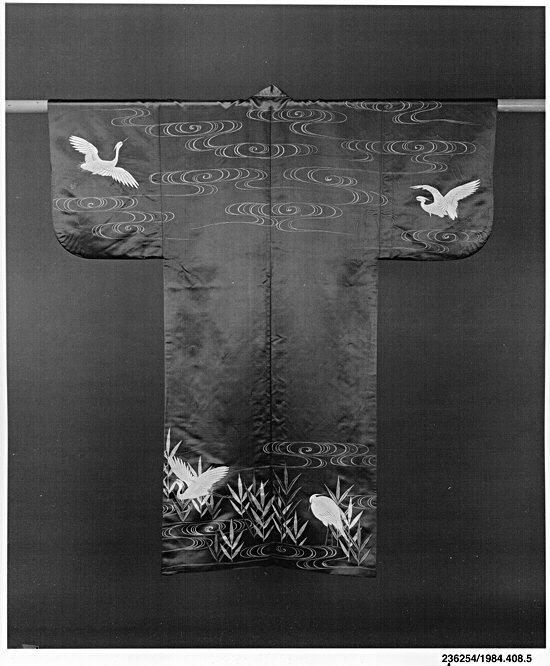
Noh Costume (Nuihaku) with Egrets
The Metropolitan Museum of Art
#50802
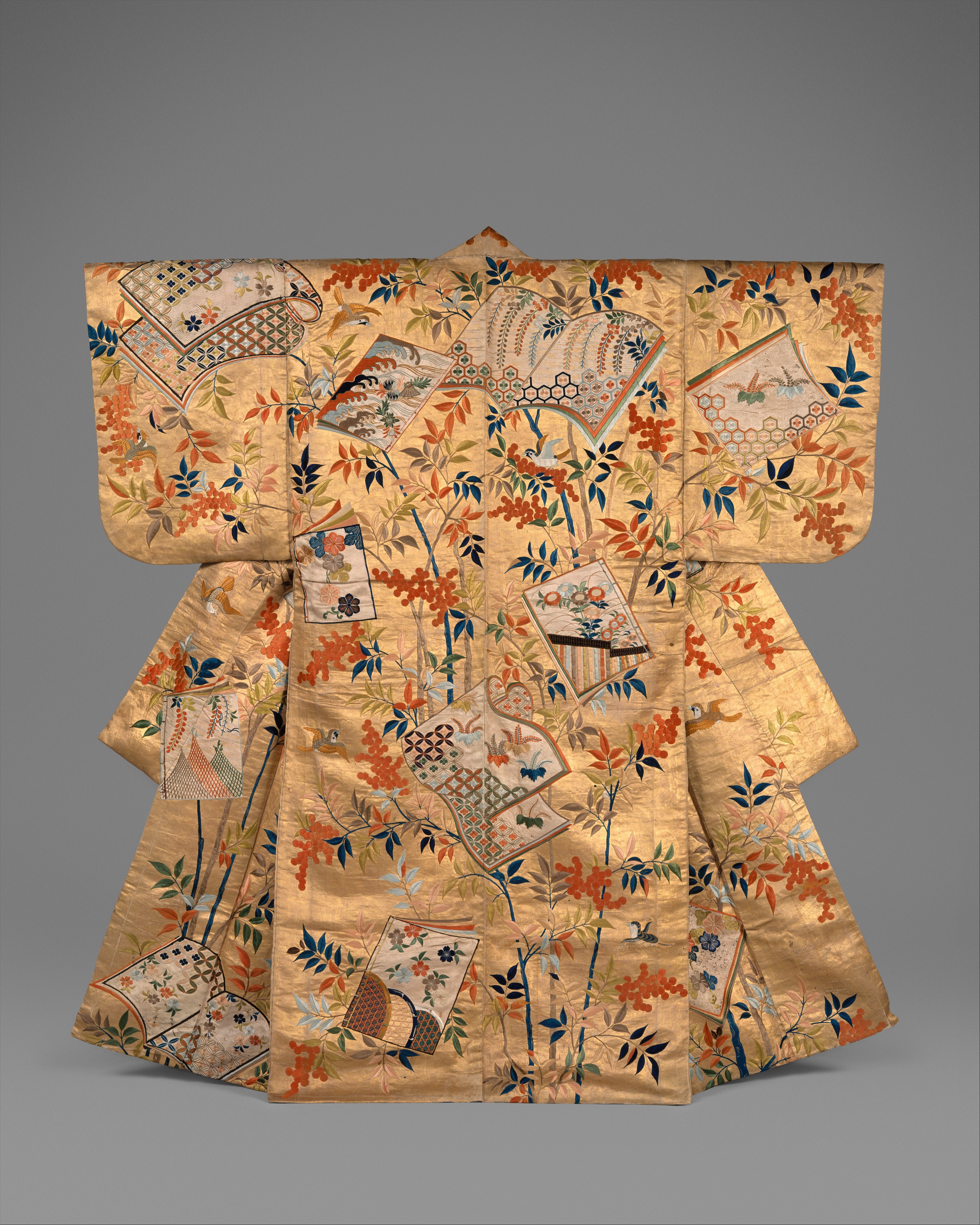
Noh Costume (Nuihaku) with Books and Nandina Branches
The Metropolitan Museum of Art
#44604
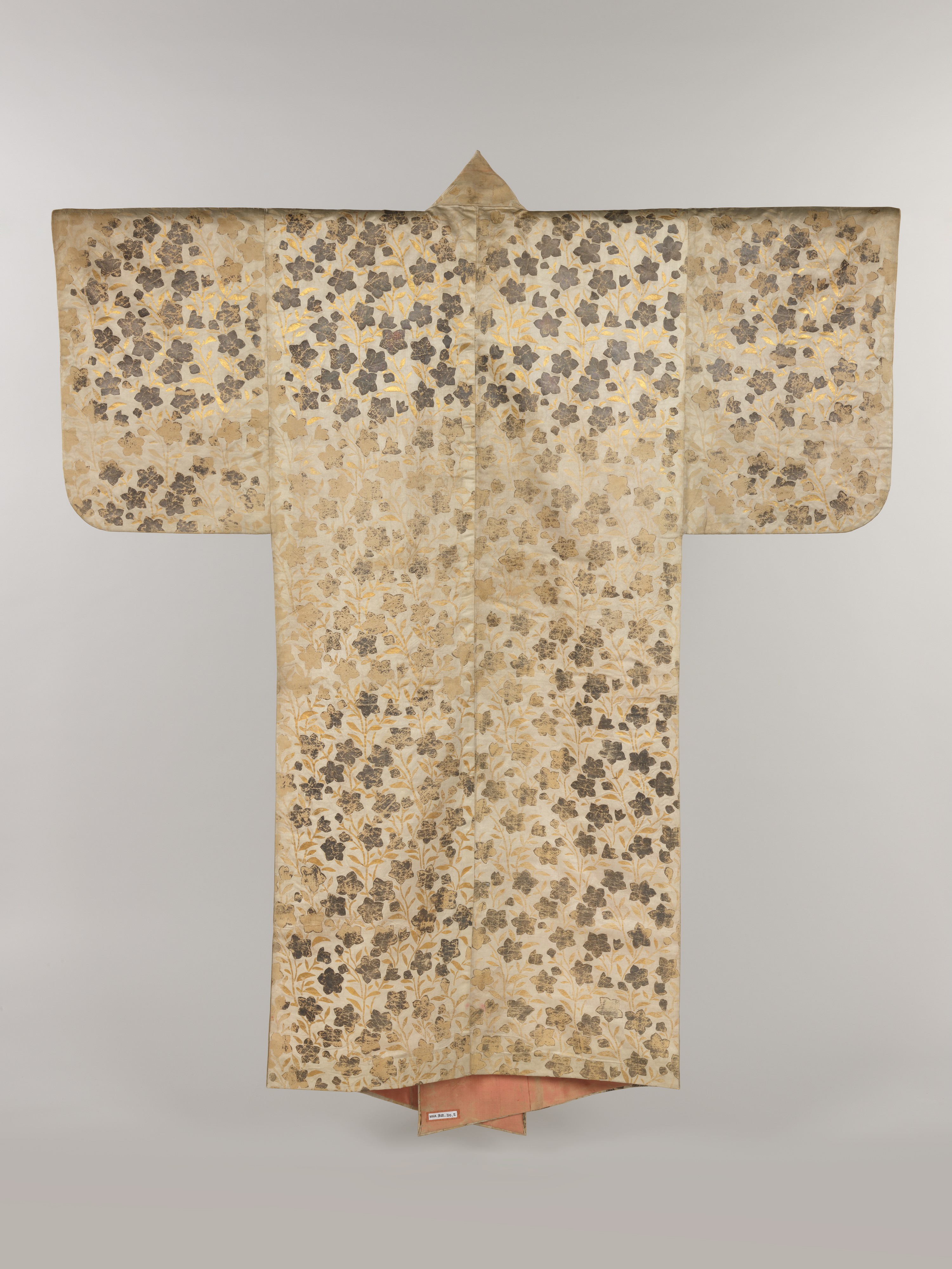
Noh Costume (Surihaku) with Chinese Bellflowers
The Metropolitan Museum of Art
#45198
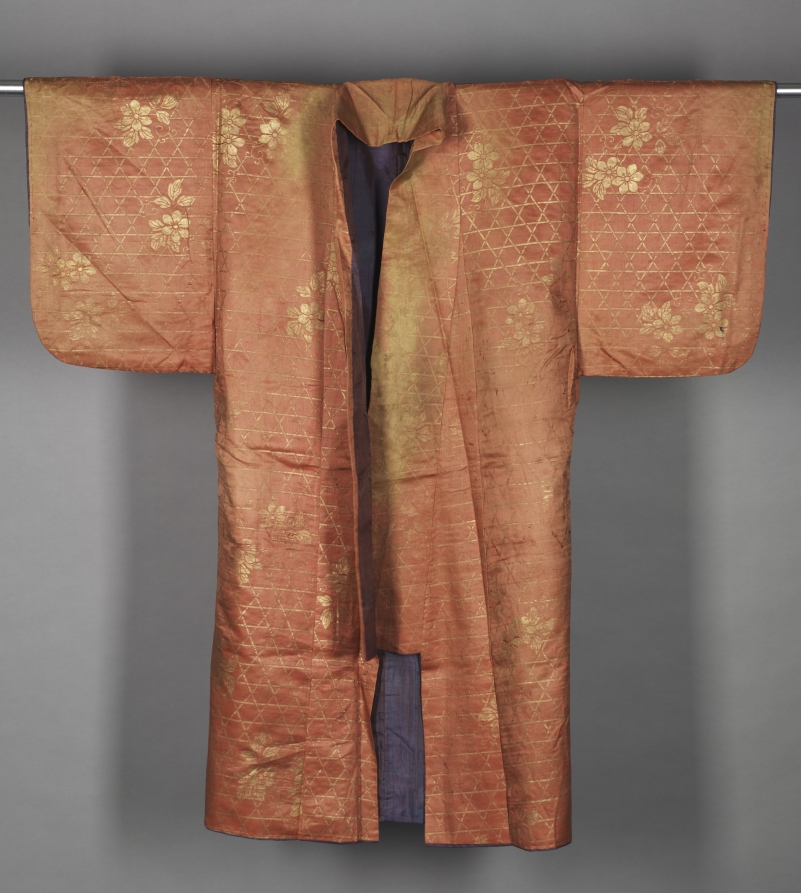
Noh Costume (Surihaku) with Flowers in Fence
Cleveland Museum of Art
#97162
Noh Costume (Nuihaku) with Ivy, Incense Wrappers, and Bamboo Blinds
The Metropolitan Museum of Art
#45386