
Minneapolis Institute of Art
Stem Cup
Japan
- Date
- 1000–400 BCE
- Medium
- Earthenware
- Department
- Asian Art
- Institution
- Minneapolis Institute of Art
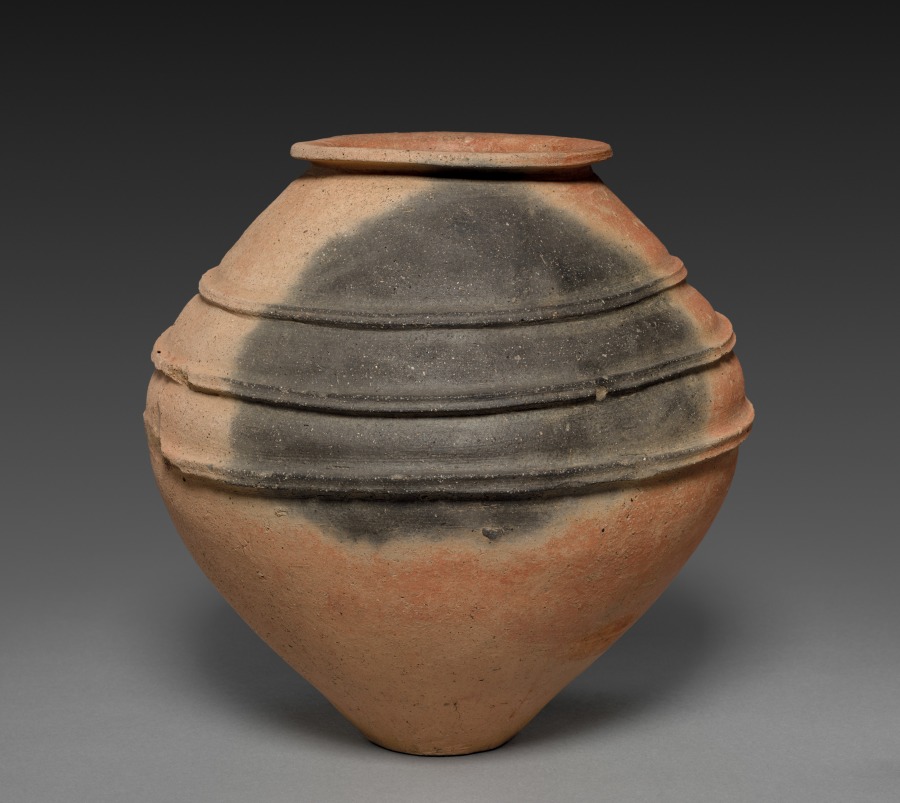
Throughout Japan’s prehistoric Jōmon era (14, 000–300 BCE), artisans made deep jars for ritual use and food storage. Toward the end of this era, they also began to shape small clay bowls and cups for individual use. These vessels suggest the practical concerns of a more settled society as the Japanese began to organize into larger communities. Despite its modest scale, this cup exhibits distinctive markings that were made by pressing ropes and cords onto its surface before it was fired. These markings, called jōmon (literally, “rope markings”) in Japanese, lent the Jōmon era its name. Asia
The authoritative record is held by Minneapolis Institute of Art. LinkedCulture surfaces this object and its connections; it does not alter institutional metadata.
Related across collections
Semantically similar works from Minneapolis Institute of Art and other institutions.

Deep Vessel with Four Projections
Minneapolis Institute of Art
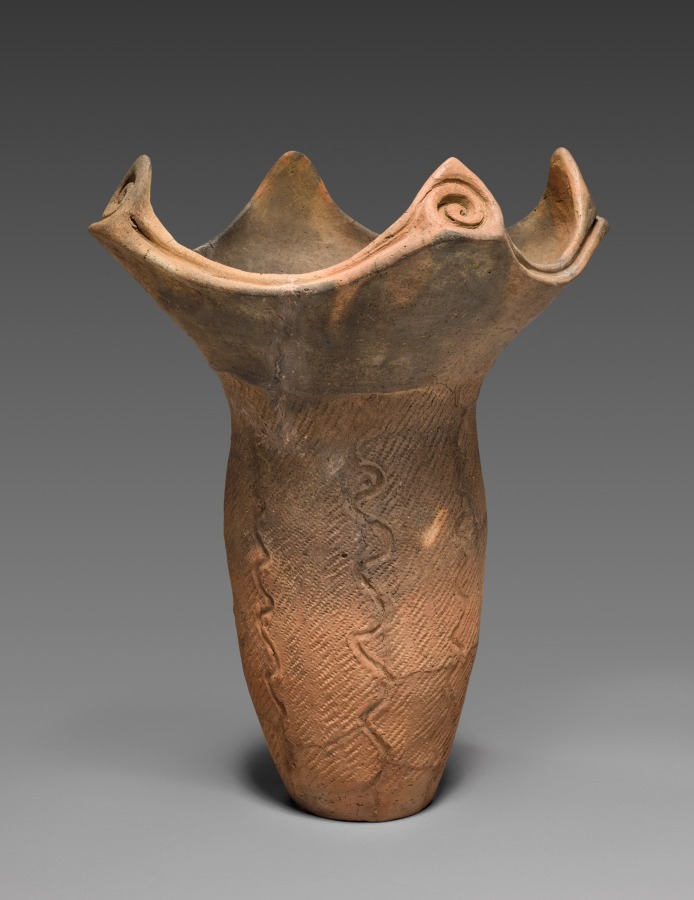
Deep Vessel
Cleveland Museum of Art
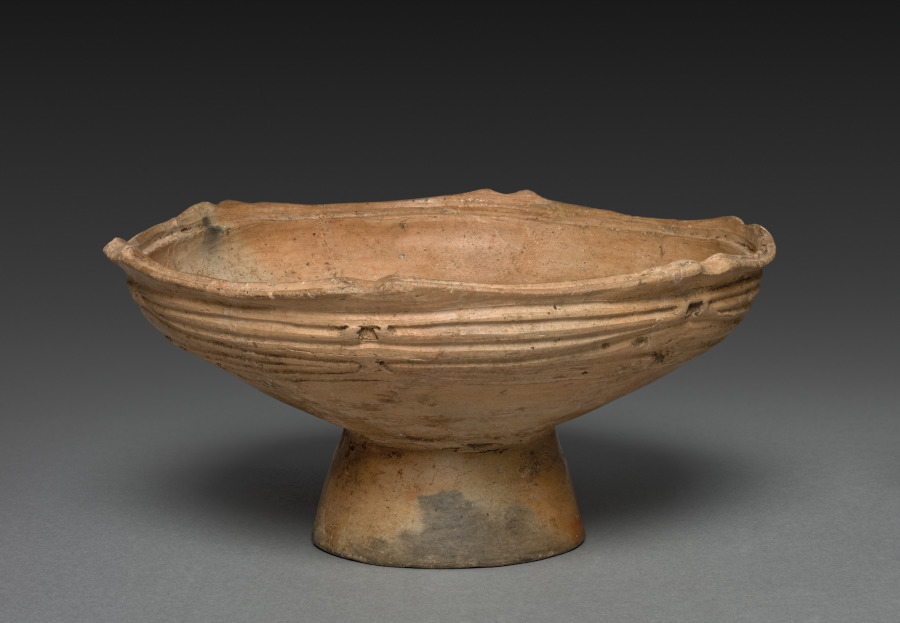
Pedestalled Dish
Cleveland Museum of Art
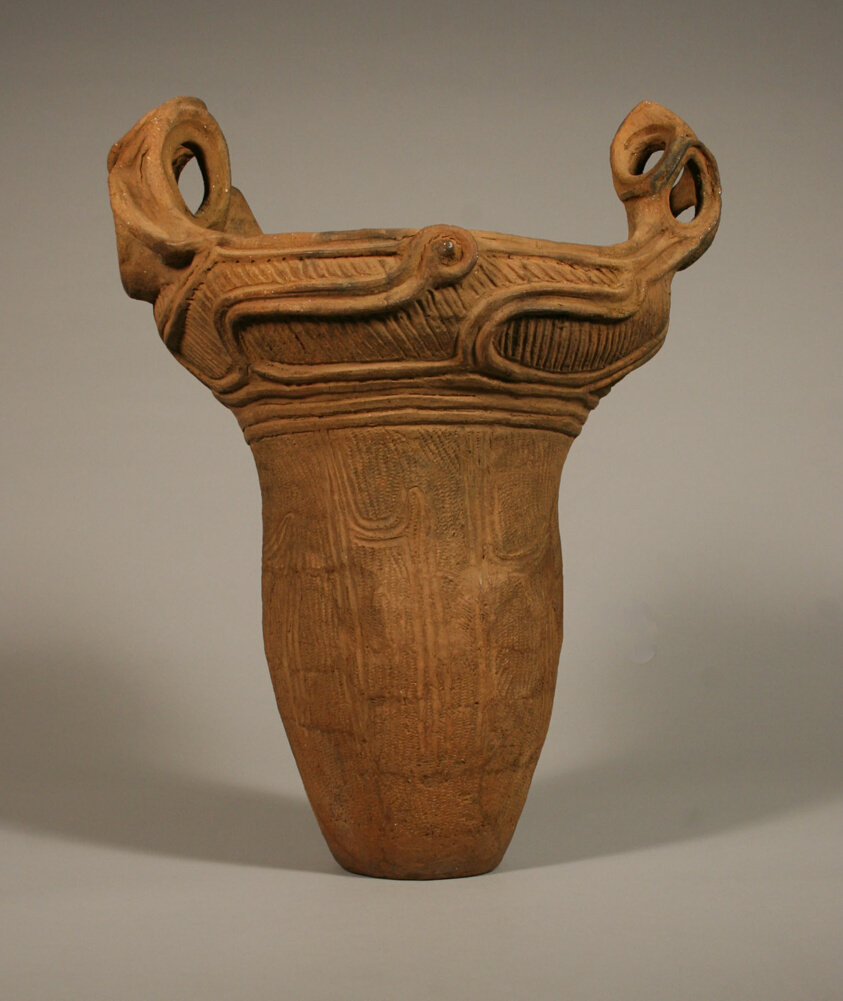
Jar with Handles
Art Institute of Chicago

Wide-mouthed Jar
Minneapolis Institute of Art
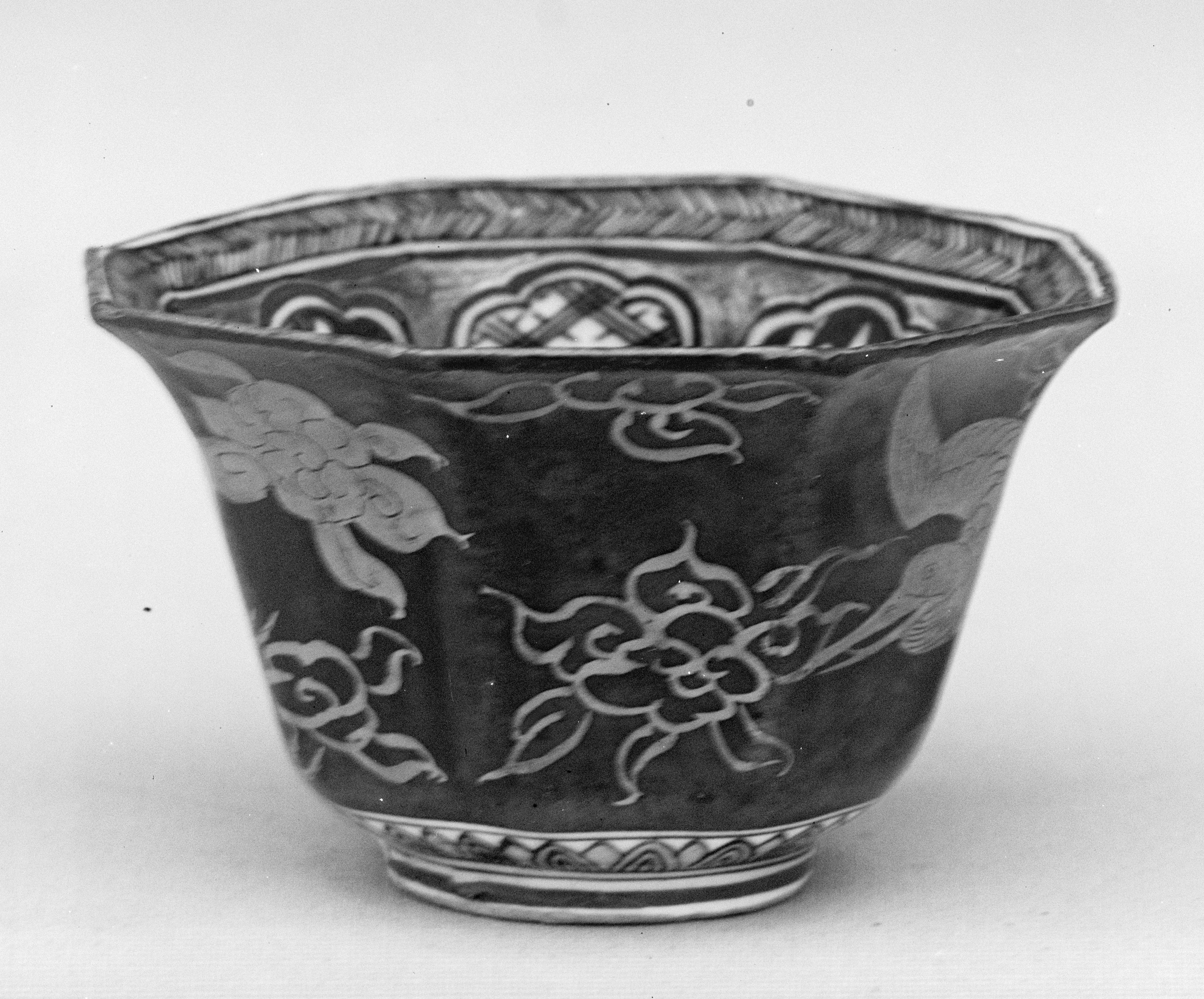
Cup
The Metropolitan Museum of Art
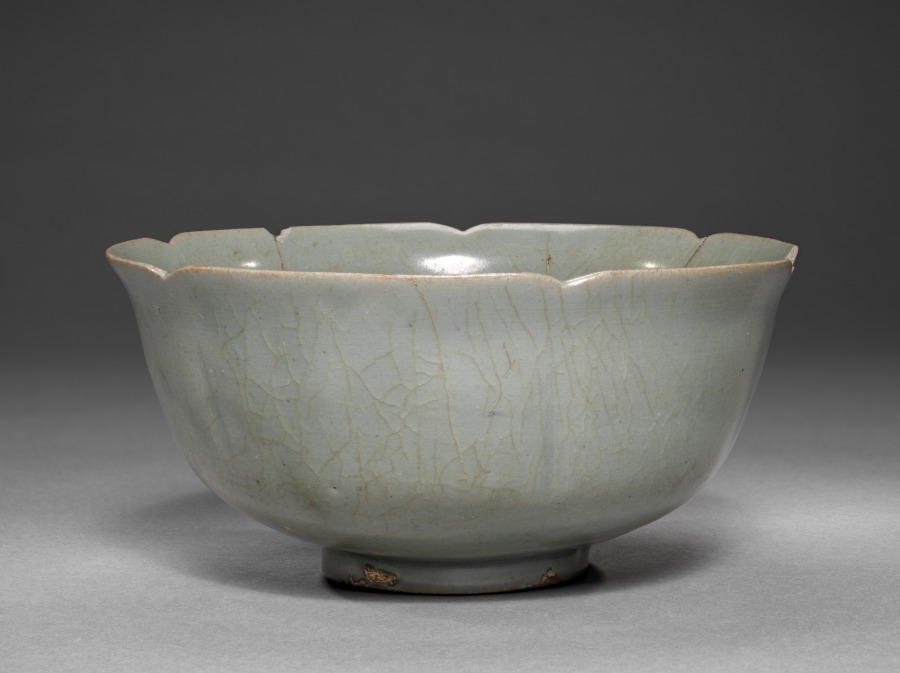
Floral-shaped Bowl
Cleveland Museum of Art
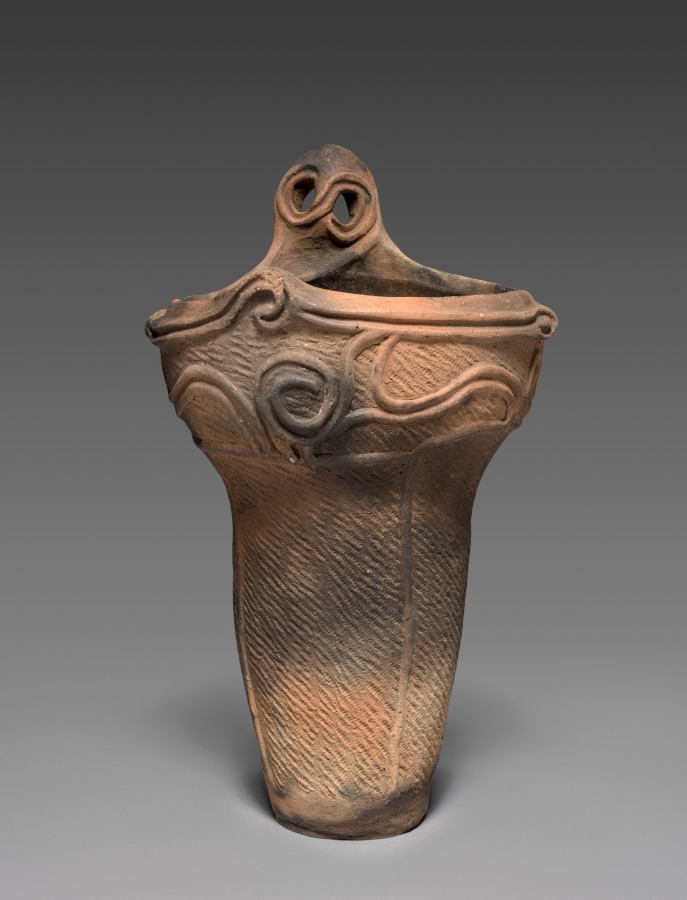
Cooking Vessel
Cleveland Museum of Art
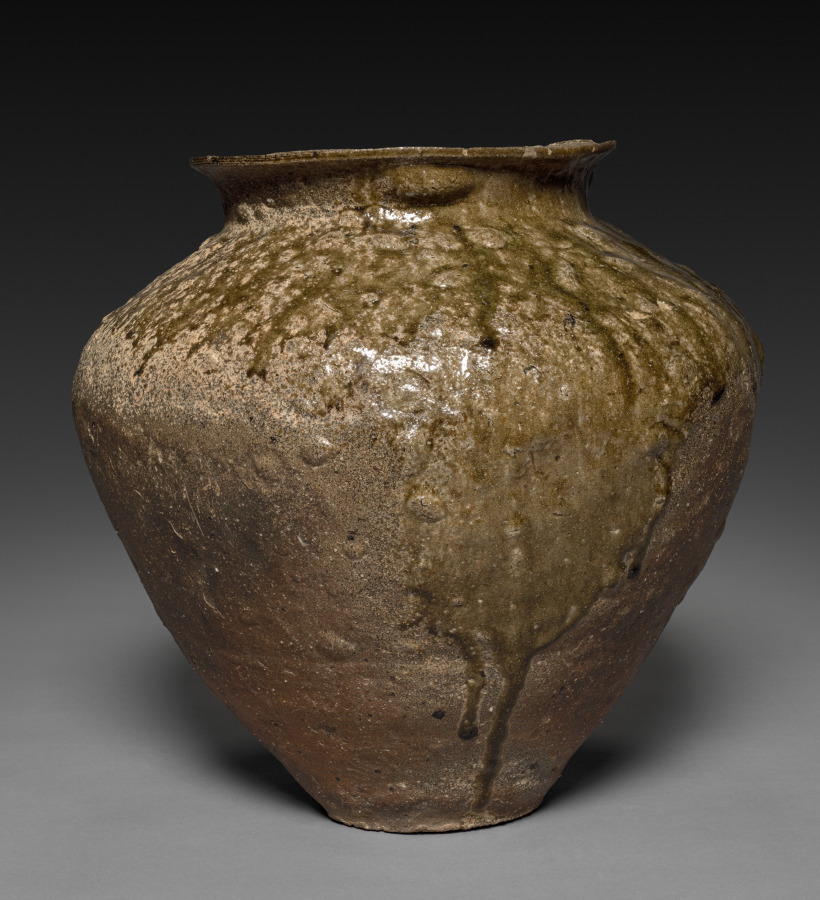
Storage Jar
Cleveland Museum of Art

Jar with flared mouth
Minneapolis Institute of Art
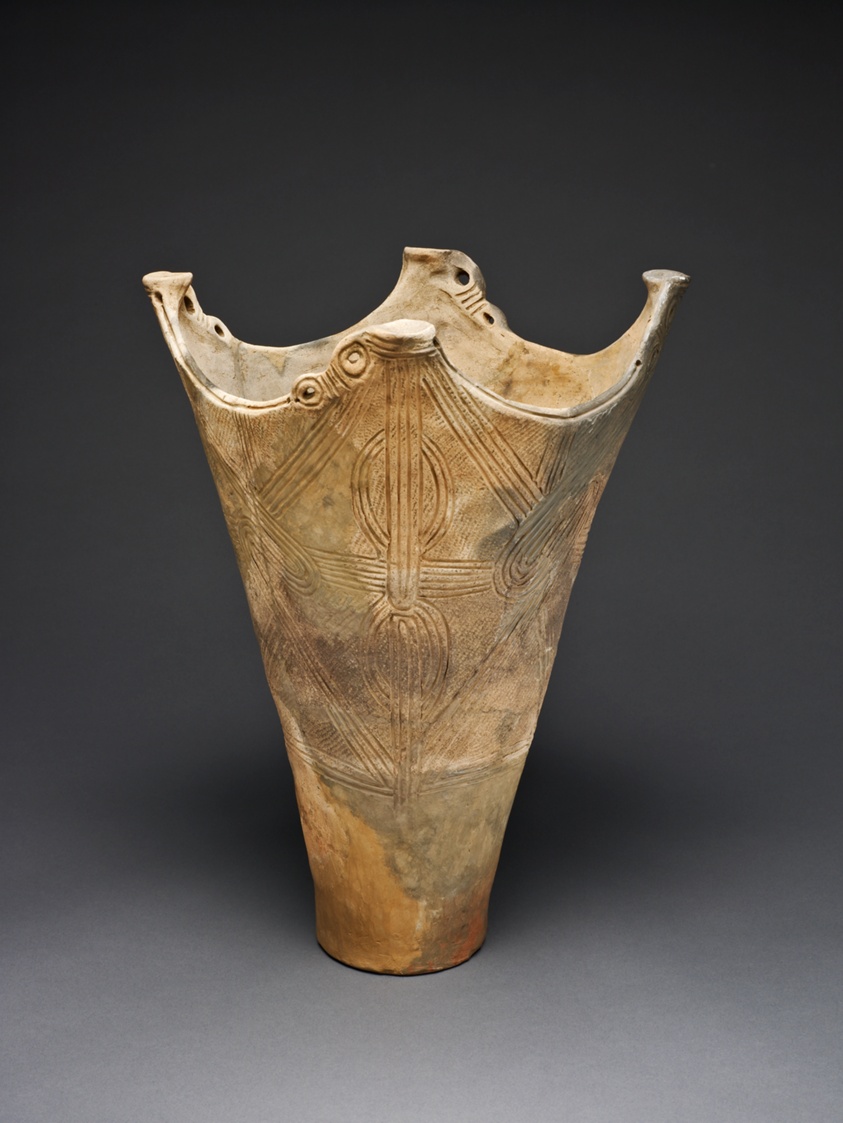
Deep Pot
Art Institute of Chicago
Jar
Cleveland Museum of Art