
Minneapolis Institute of Art
Jar with Tall, Perforated Stand
Korea
- Date
- 5th century
- Medium
- Earthenware with natural ash deposits
- Department
- Asian Art
- Institution
- Minneapolis Institute of Art
In the early 300s, Korean potters began constructing multichambered kilns in hillsides. These “climbing kilns, ” as they are now known, were capable of reaching temperatures around 2, 200˚F, which yielded highly durable stoneware. One of the most commonly produced ceramic forms was a pedestal decorated with pierced, geometric patterns and surmounted with a bowl or jar. Discovered during excavations of tombs and palaces, these vessels are believed to have been used both for utilitarian and ceremonial purposes. Asia
The authoritative record is held by Minneapolis Institute of Art. LinkedCulture surfaces this object and its connections; it does not alter institutional metadata.
Related across collections
Semantically similar works from Minneapolis Institute of Art and other institutions.
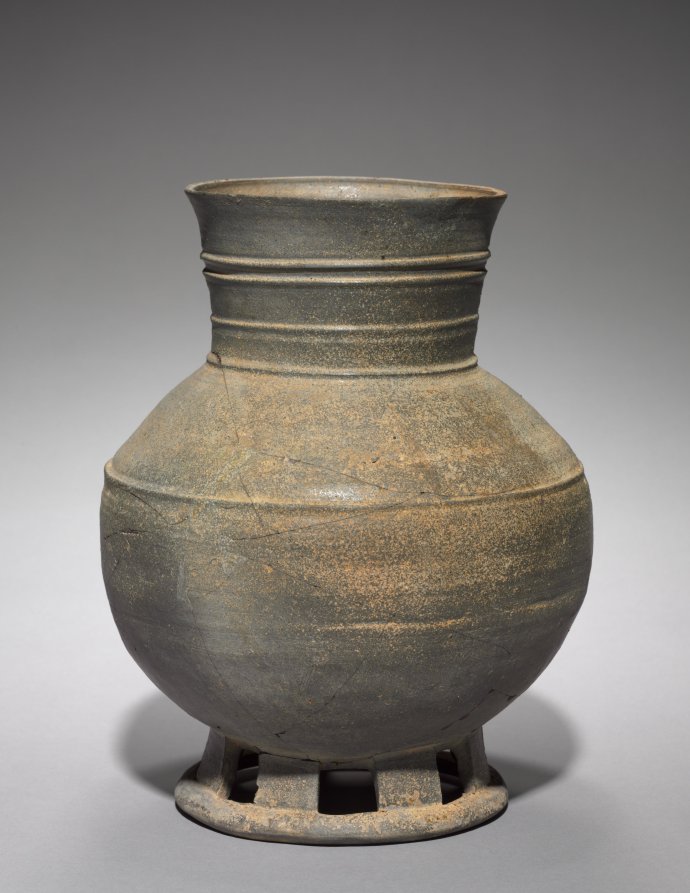
Long-necked Jar
Cleveland Museum of Art
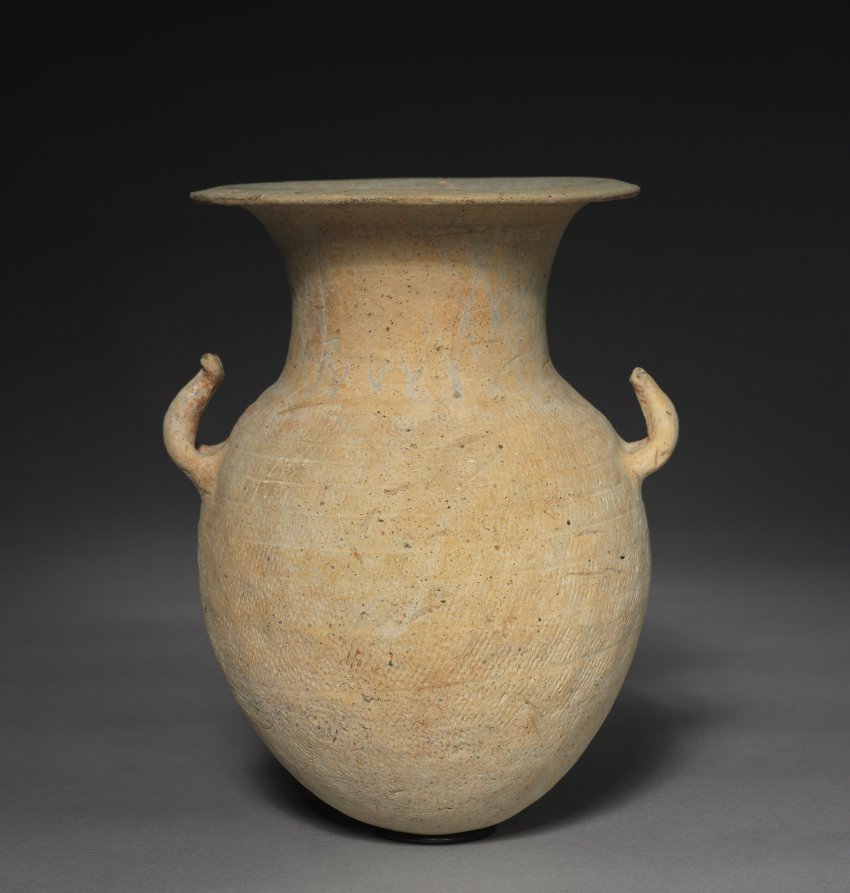
Jar with Horn-Shaped Handles
Cleveland Museum of Art
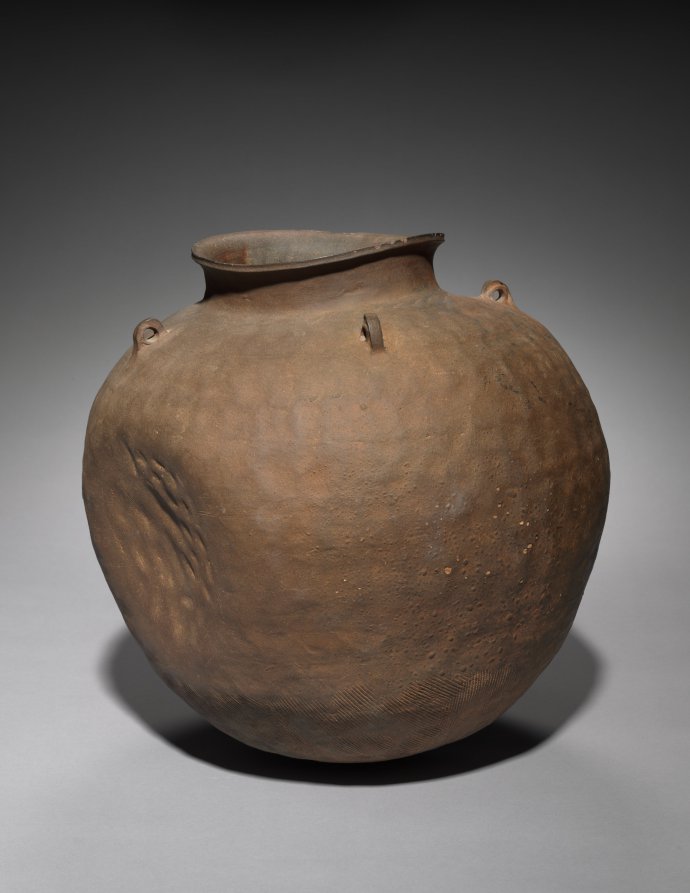
Short-necked Storage Jar
Cleveland Museum of Art
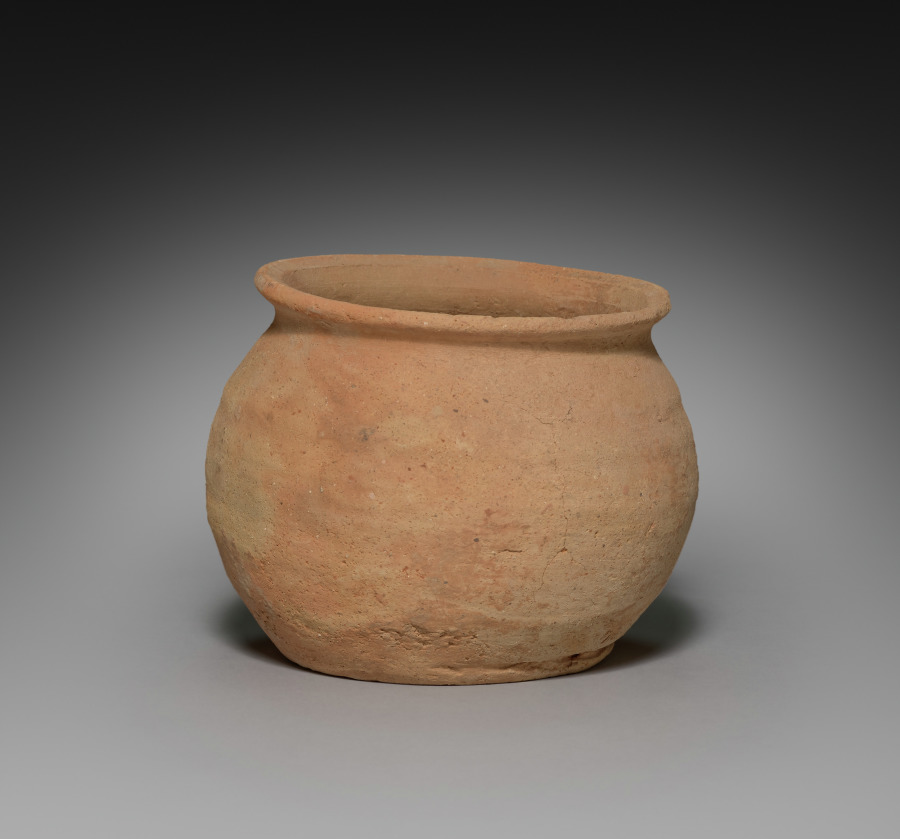
Covered Jar with Horn Handle
Cleveland Museum of Art
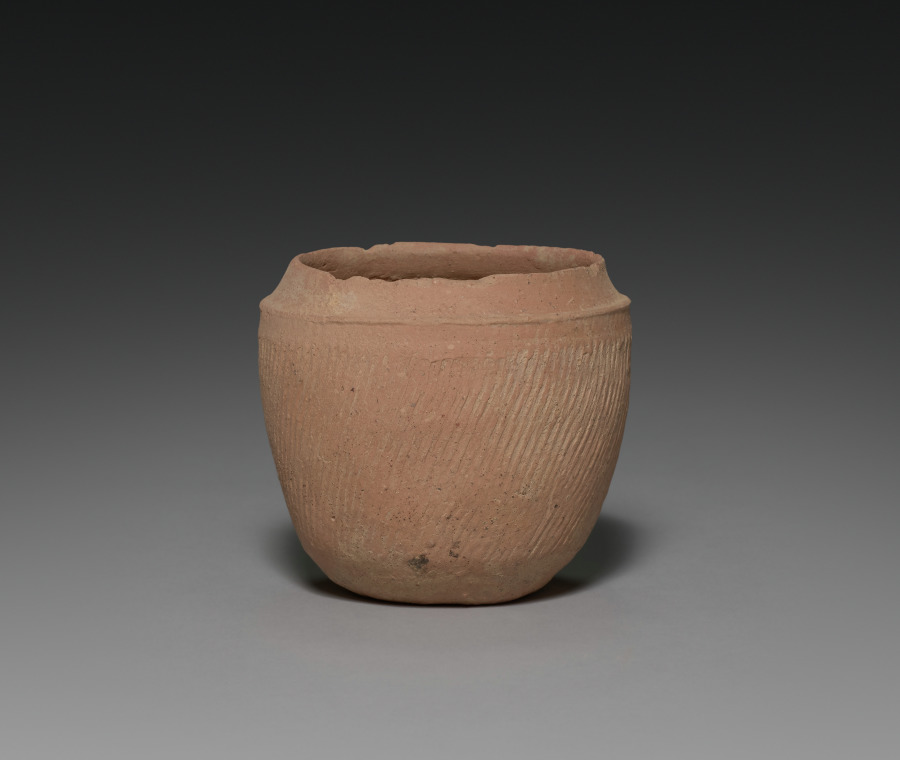
Covered Jar with Horn Handle
Cleveland Museum of Art
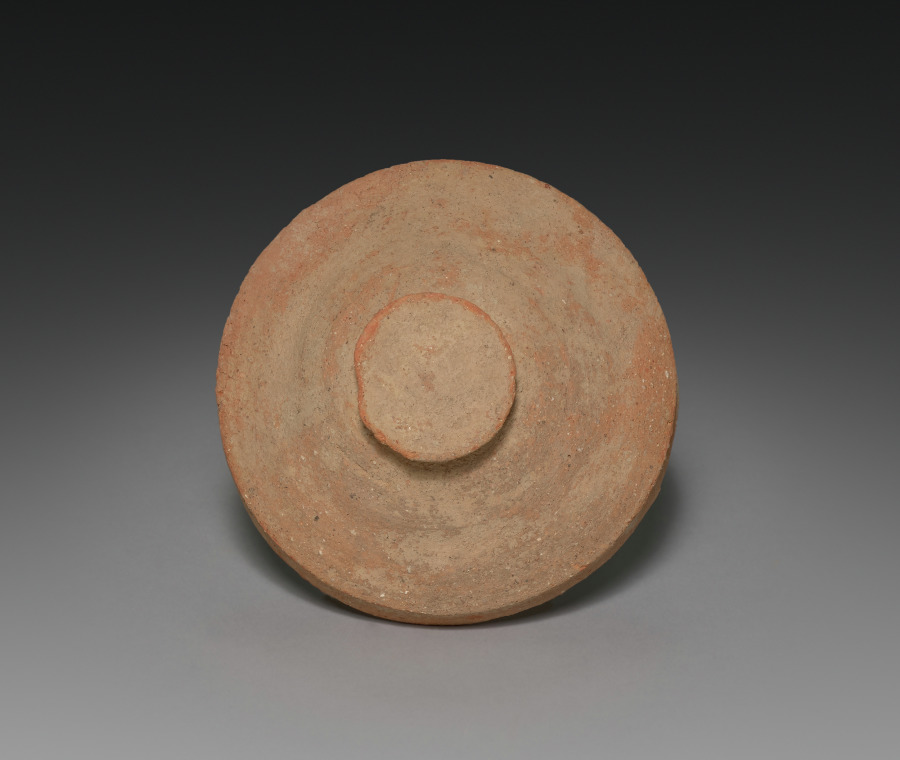
Covered Jar with Horn Handle (lid)
Cleveland Museum of Art
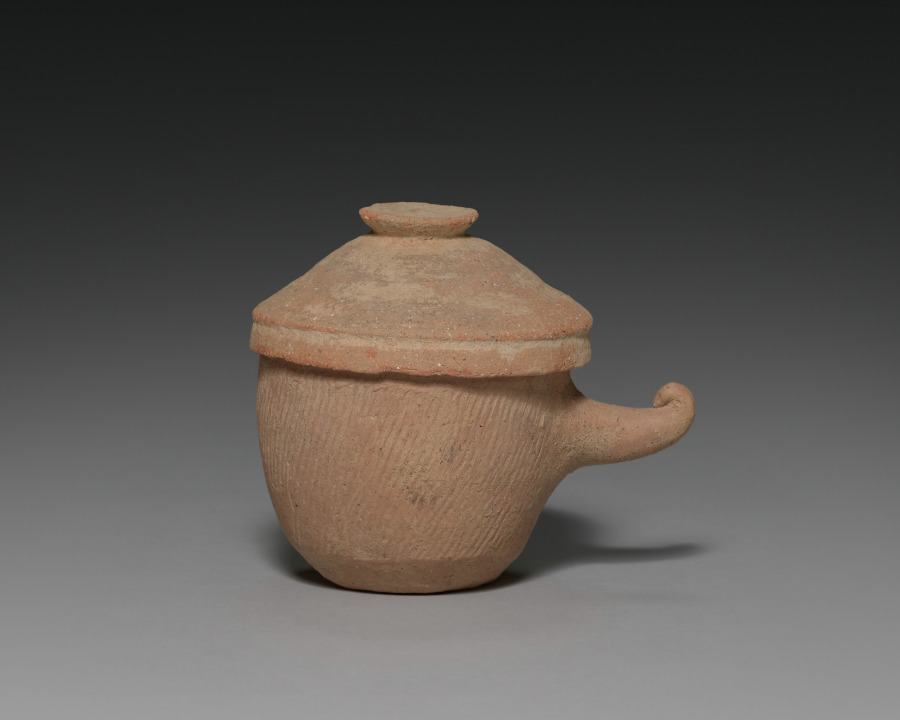
Lidded Jar with Horn Handle
Cleveland Museum of Art

Small lidded jar with handle
Minneapolis Institute of Art
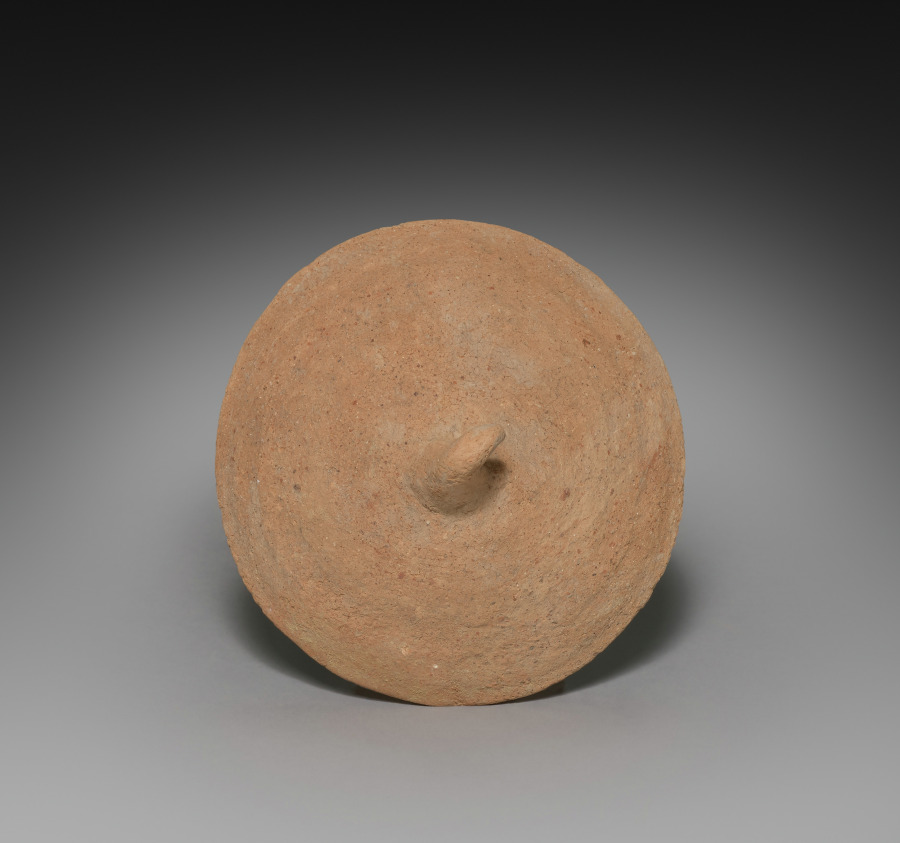
Covered Jar with Horn Handle (lid)
Cleveland Museum of Art
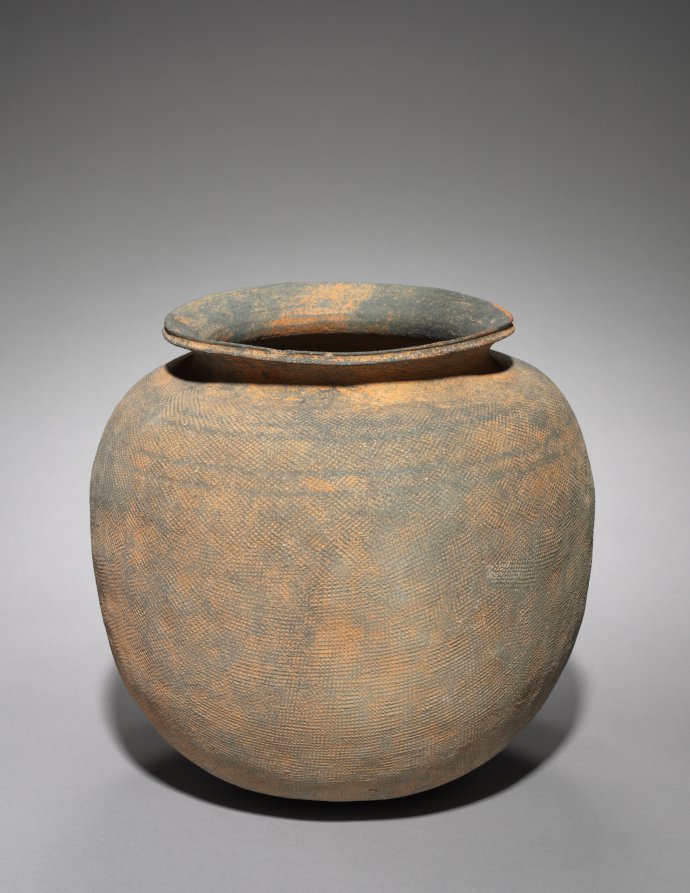
Jar with Loop Handle with Overall Impressed Surface Decoration
Cleveland Museum of Art
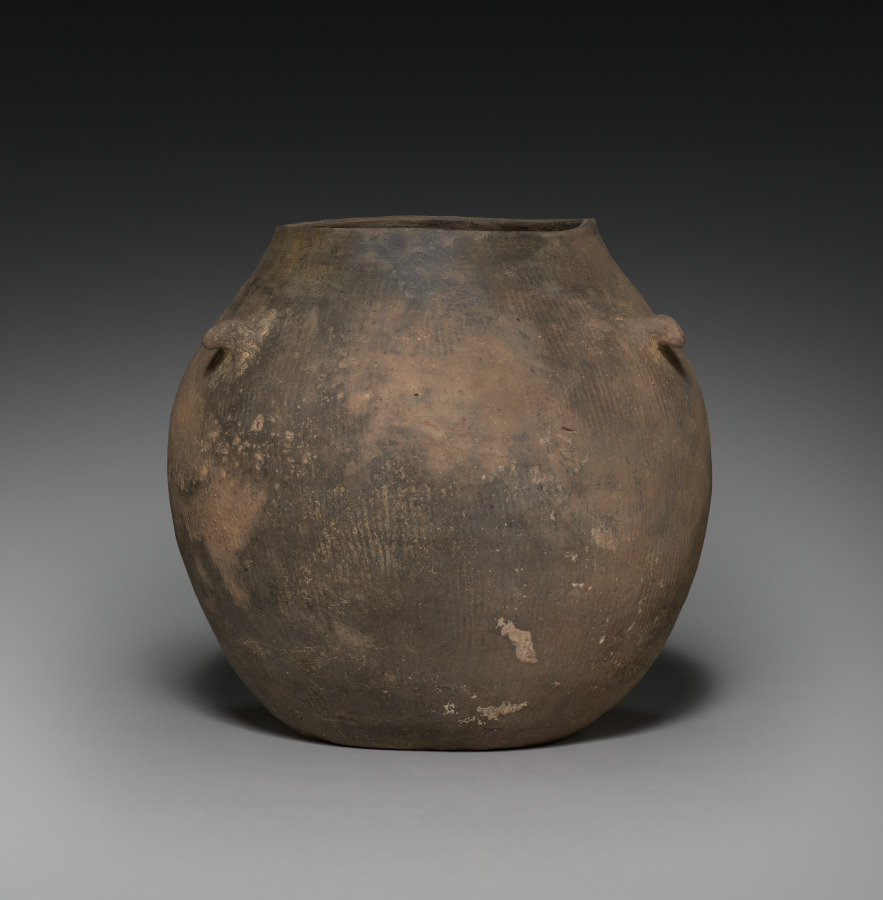
Lidded Jar with Four Horn Lugs
Cleveland Museum of Art
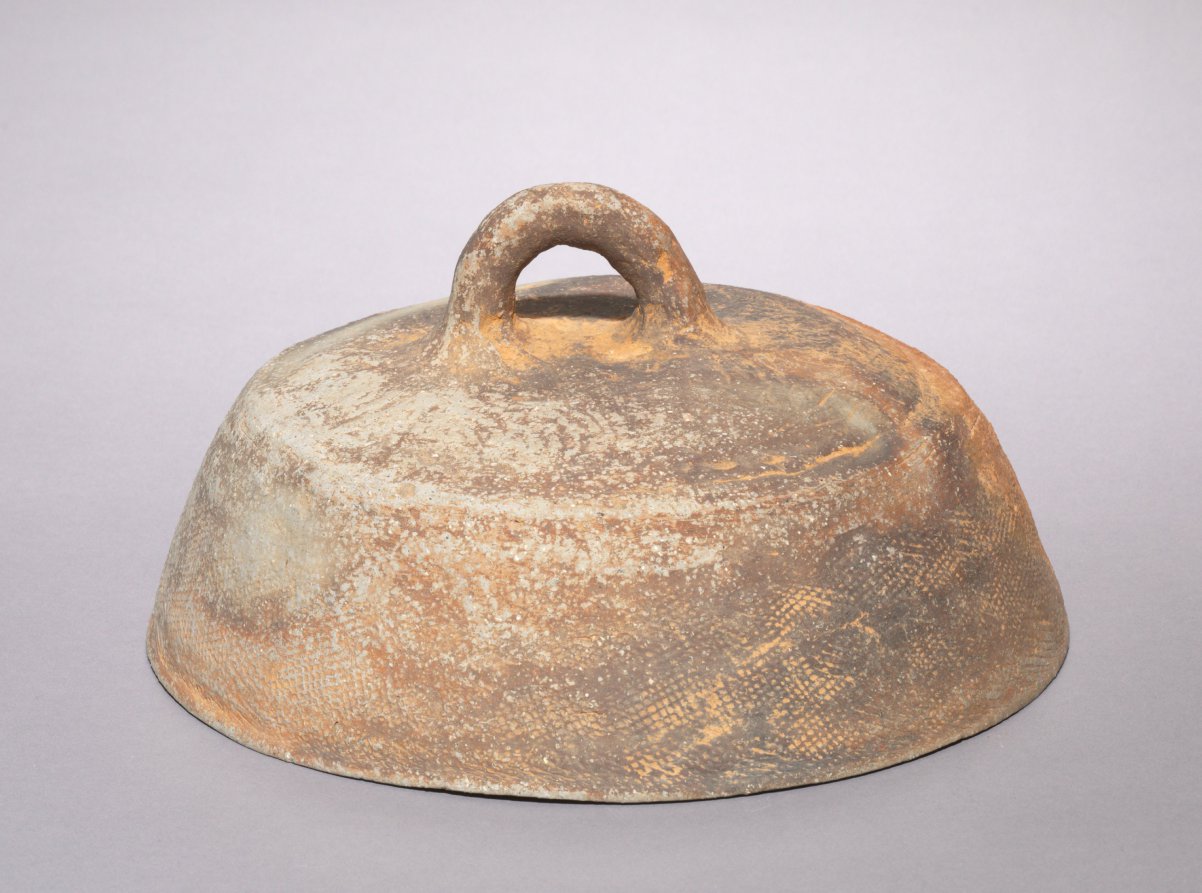
Jar with Loop Handle with Overall Impressed Surface Decoration (lid)
Cleveland Museum of Art