Getty Museum
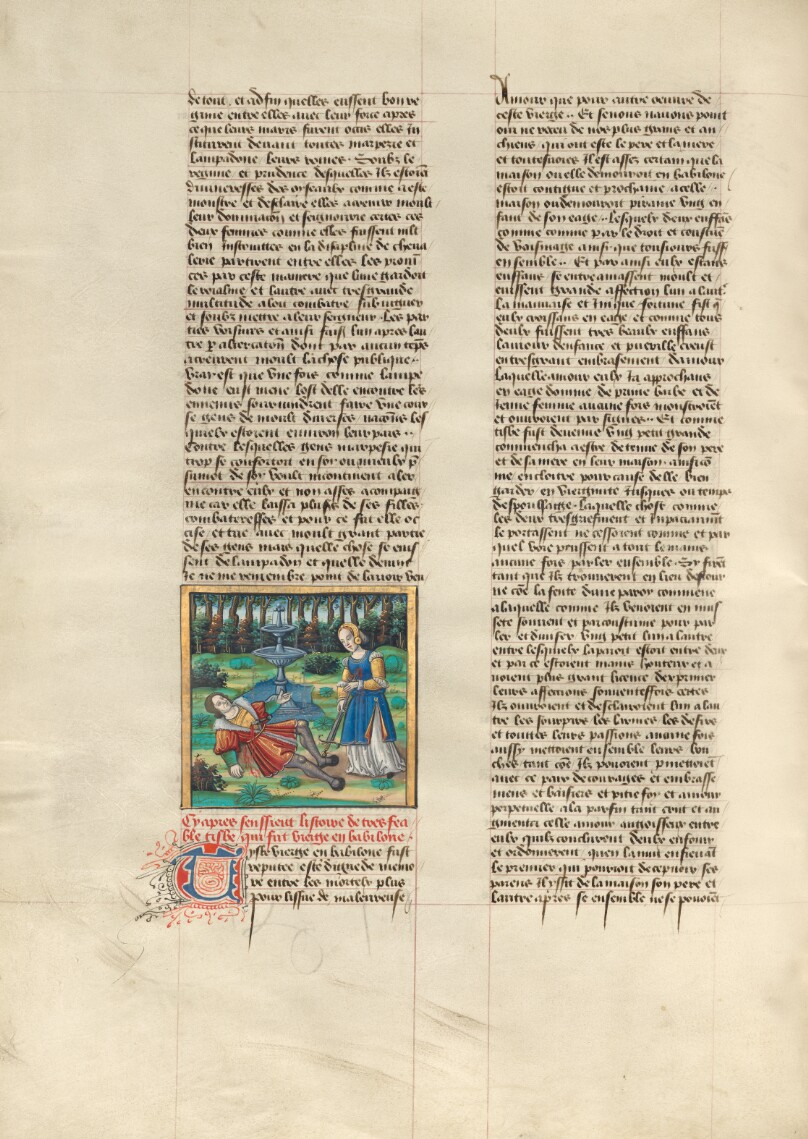
Thisbe and Pyramus Dying by Suicide
- Date
- about 1450–1475, illumination added about 1515–1520
- Medium
- Tempera colors, gold, and ink
- Culture
- French
- Department
- Manuscripts
- Institution
- Getty Museum
- Object ID
- fb7e5927-3992-488e-9097-907c103fd288
From the Getty Museum record
The tragic end of Thisbe and her lover Pyramus was a popular story throughout the Middle Ages and beyond, serving as a moralizing and entertaining tale against the passions of youth. The lovers were neighbors who, as a consequence of being kept apart by their parents, planned to run away together. The two arranged to meet at a grove outside the city, near a fountain. Arriving first, Thisbe encountered a lioness; fleeing and dropping her cloak, the lioness wiped its mouth on the garment, staining it red with blood from an earlier meal. Pyramus arrived at the scene only to find Thisbe’s bloodied cloak, and, believing her dead, died by his own sword. At the moment he took his last breath, Thisbe returned, and, thinking that he was distraught about not finding her there, likewise died by suicide. Étienne Colaud carefully heeded the details of the story as described by the author of this text, Boccaccio, showing when Thisbe’s final words were heard by Pyramus, who opened his eyes and reached for her as she plunged his sword into her chest and fell upon him.
The authoritative record is held by Getty Museum. LinkedCulture surfaces this object and its connections; it does not alter institutional metadata.
Get printable QR codesHide QR codes
Open QR codes for this object page and the museum record. They stay collapsed until needed.
Related across collections
Semantically similar works from Getty Museum and other institutions.
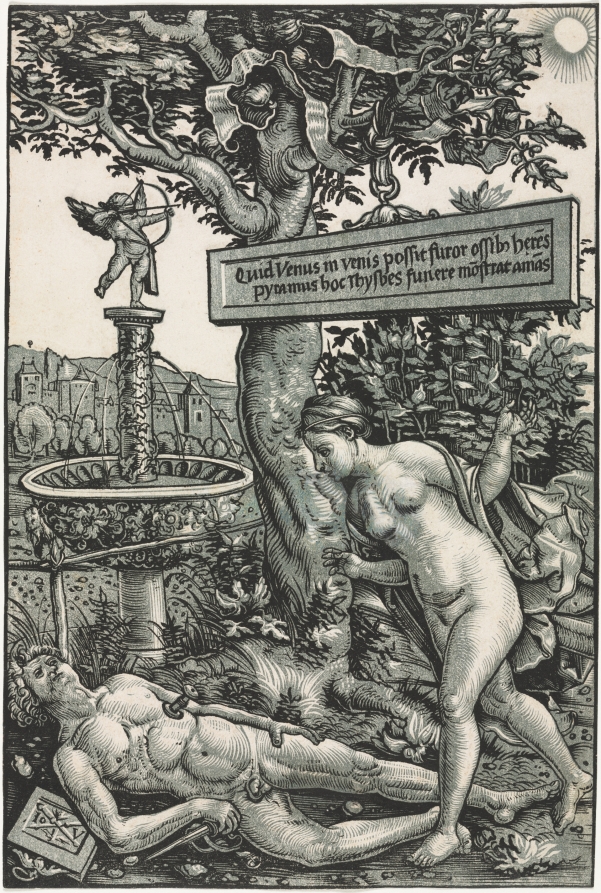
Pyramus and Thisbe
Cleveland Museum of Art
#127737
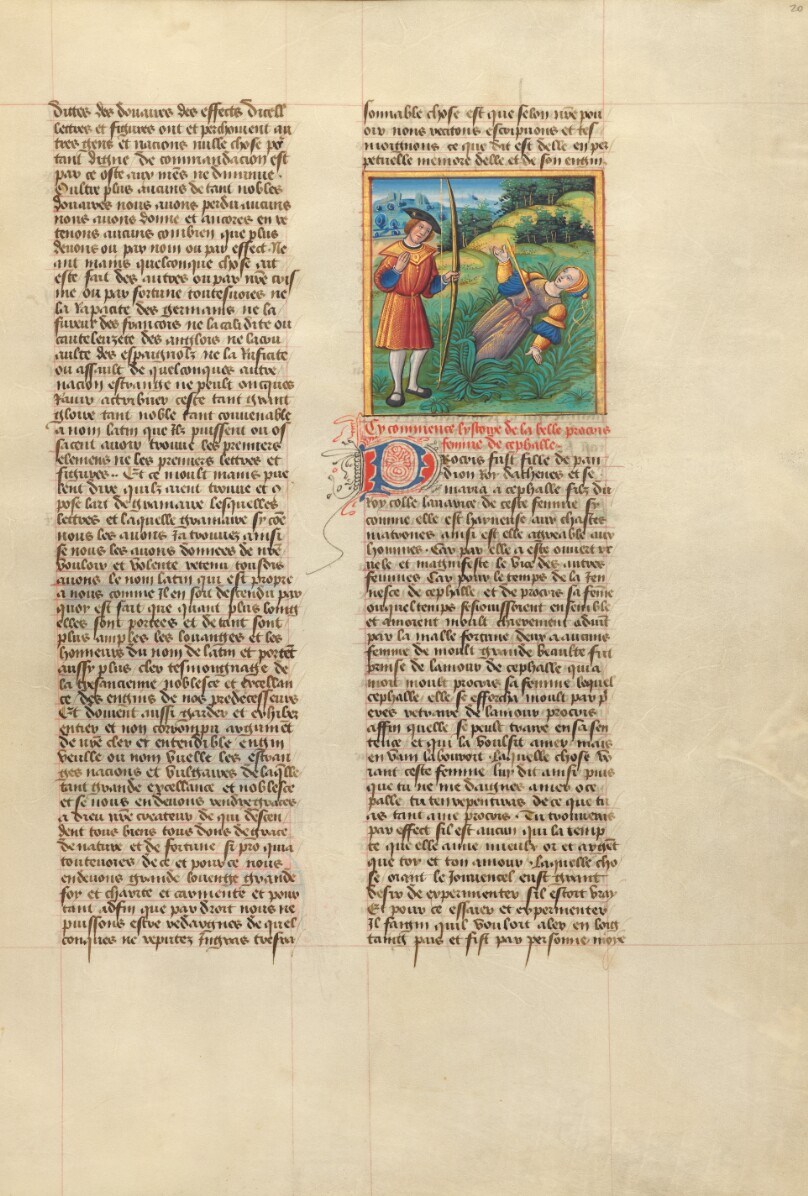
Pocris Being Accidentally Killed by Her Husband Cephalus
Getty Museum
#6c9f9891-4f8d-470b-b929-eff026ea0dd8
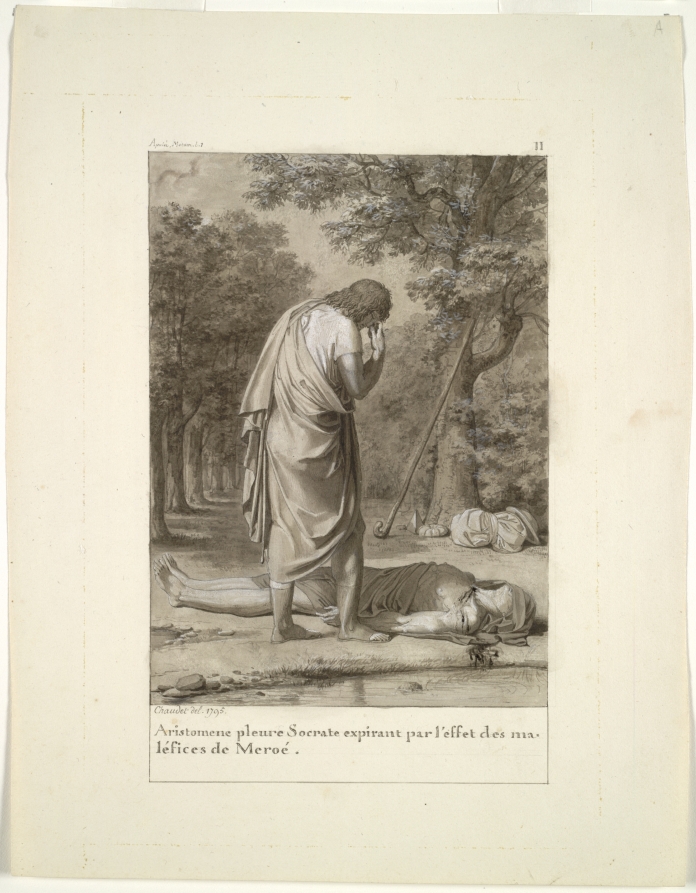
Aristomenes Mourning the Death of Socrates from the Bewitchment of Meroë (from Book 1 of Apuleius, "The Golden Ass")
Cleveland Museum of Art
#166657
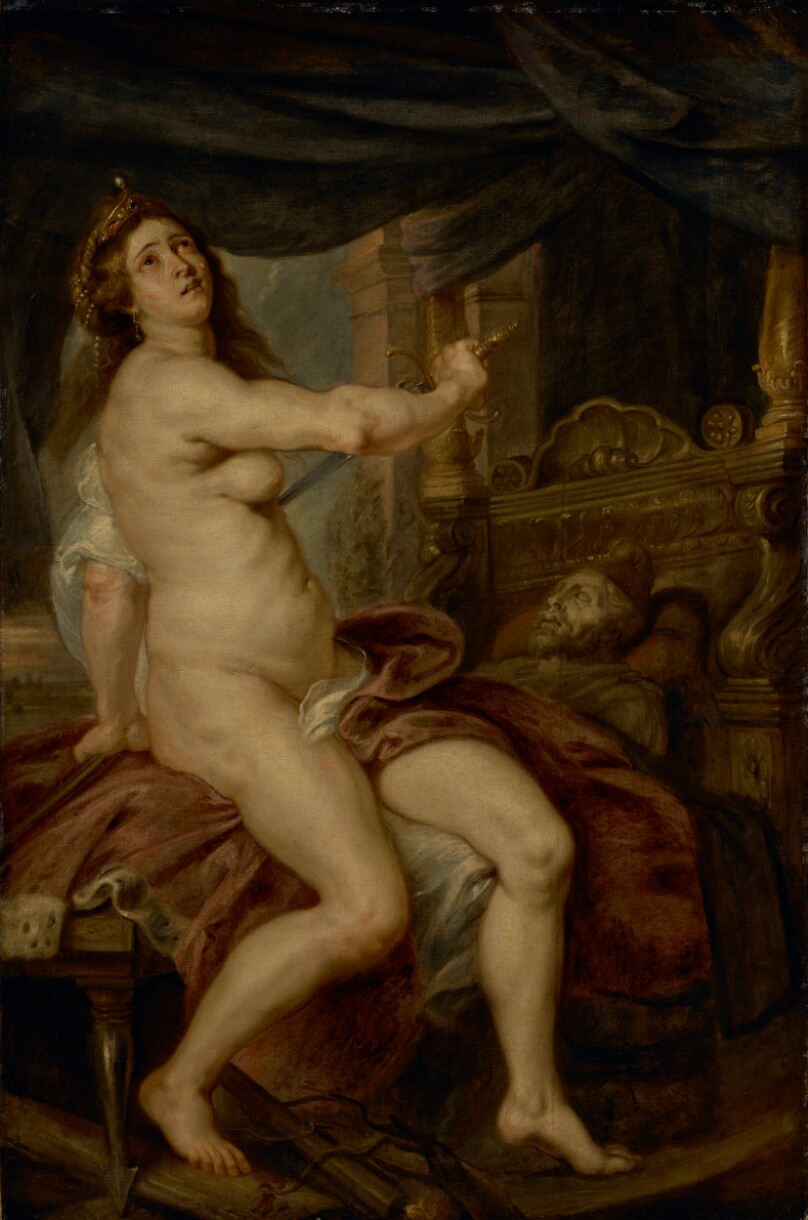
The Death of Dido
Getty Museum
#81070f7f-31c5-423a-b9cb-90b4d372885a
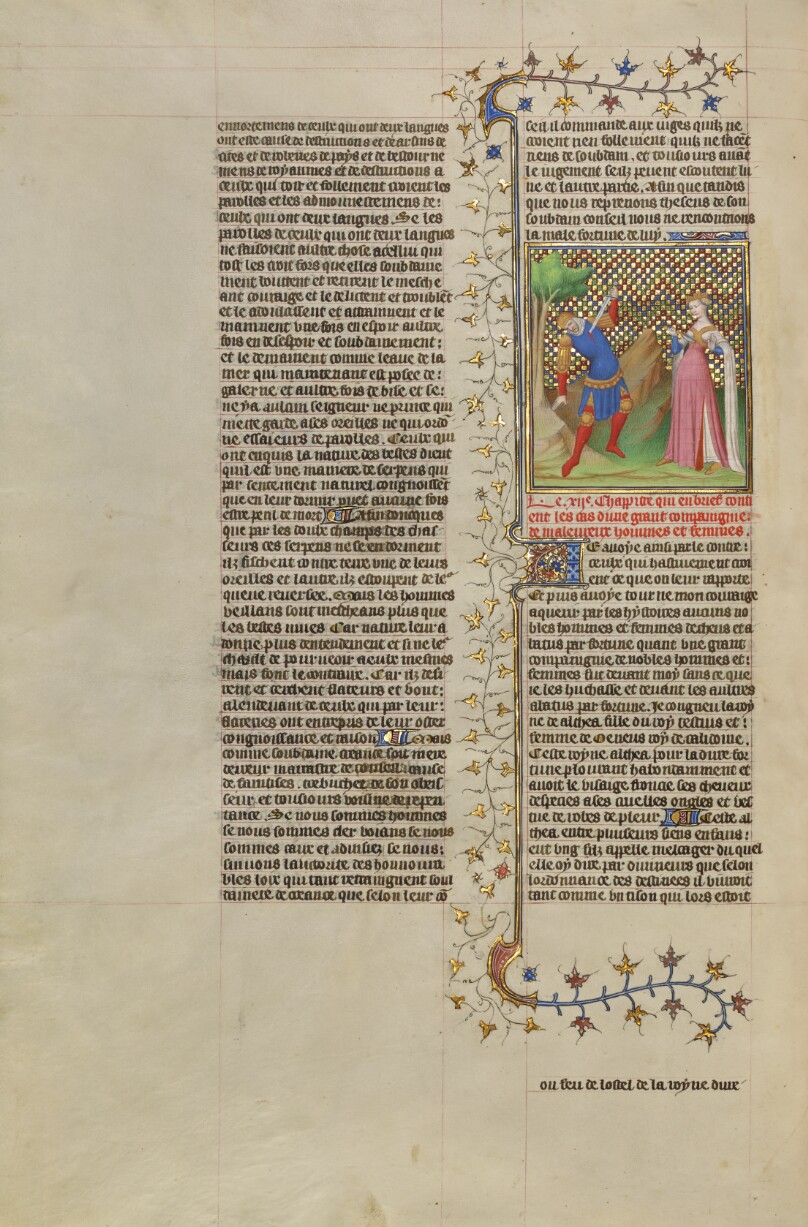
The Suicides of Meleager and Althea
Getty Museum
#c1113d8f-24af-4578-9d53-24f2ff8fab31
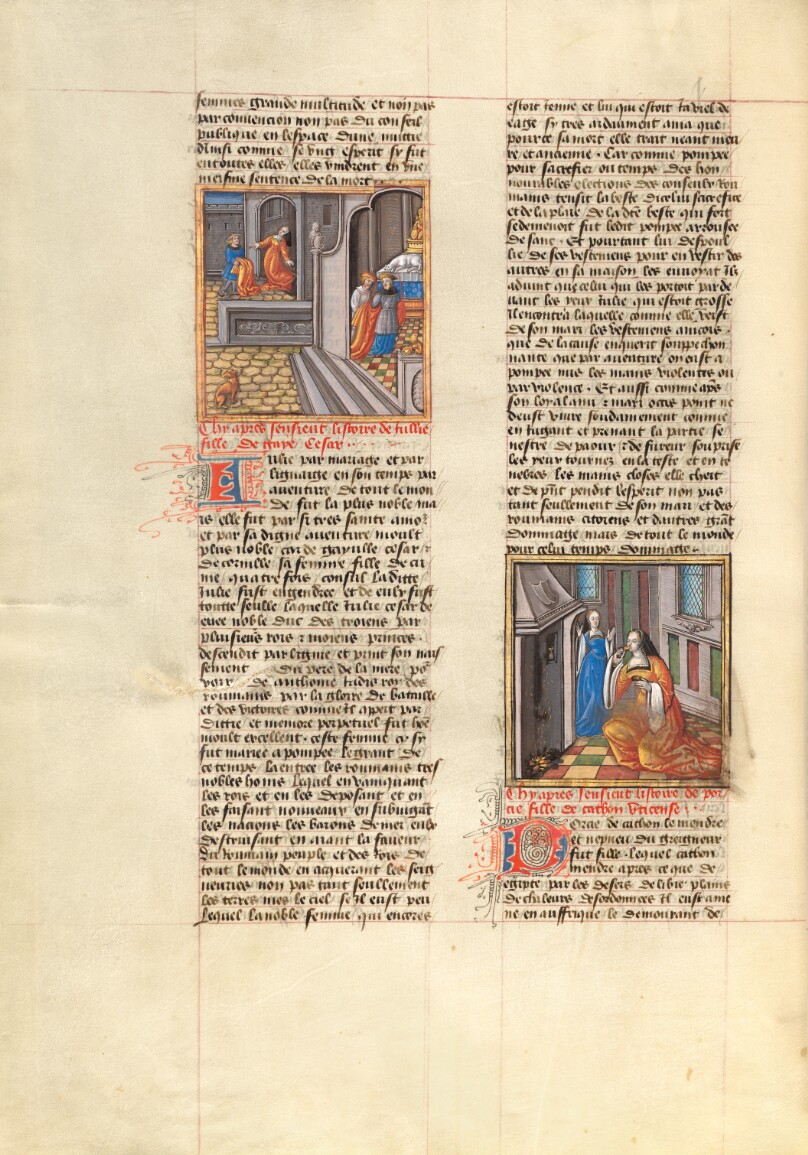
The Death of Julia, the Wife of Pompey the Great; Portia, the Wife of Decius Brutus, Dying by Suicide
Getty Museum
#d6657ac1-b603-4b61-b6e5-b6e362328a98
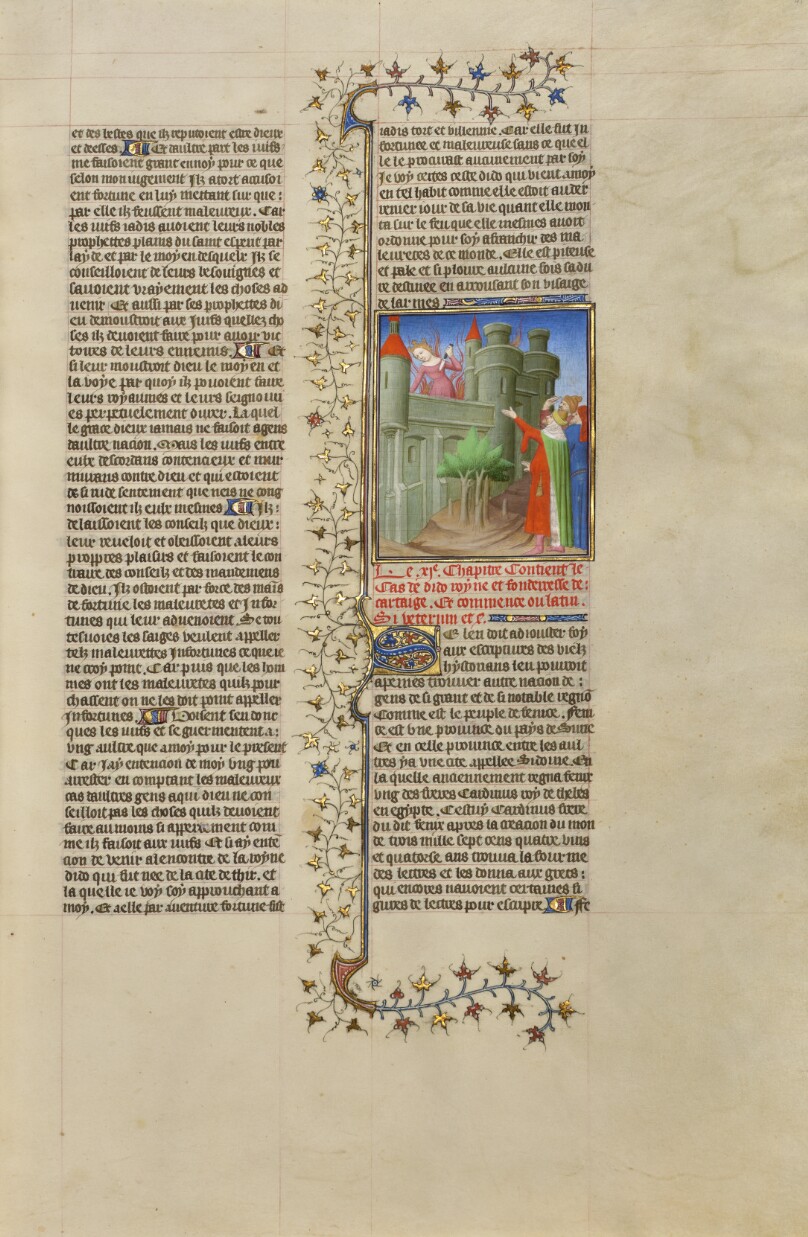
The Suicide of Queen Dido
Getty Museum
#5ba6a0de-a428-4f08-a7c1-2c7bbe338b93
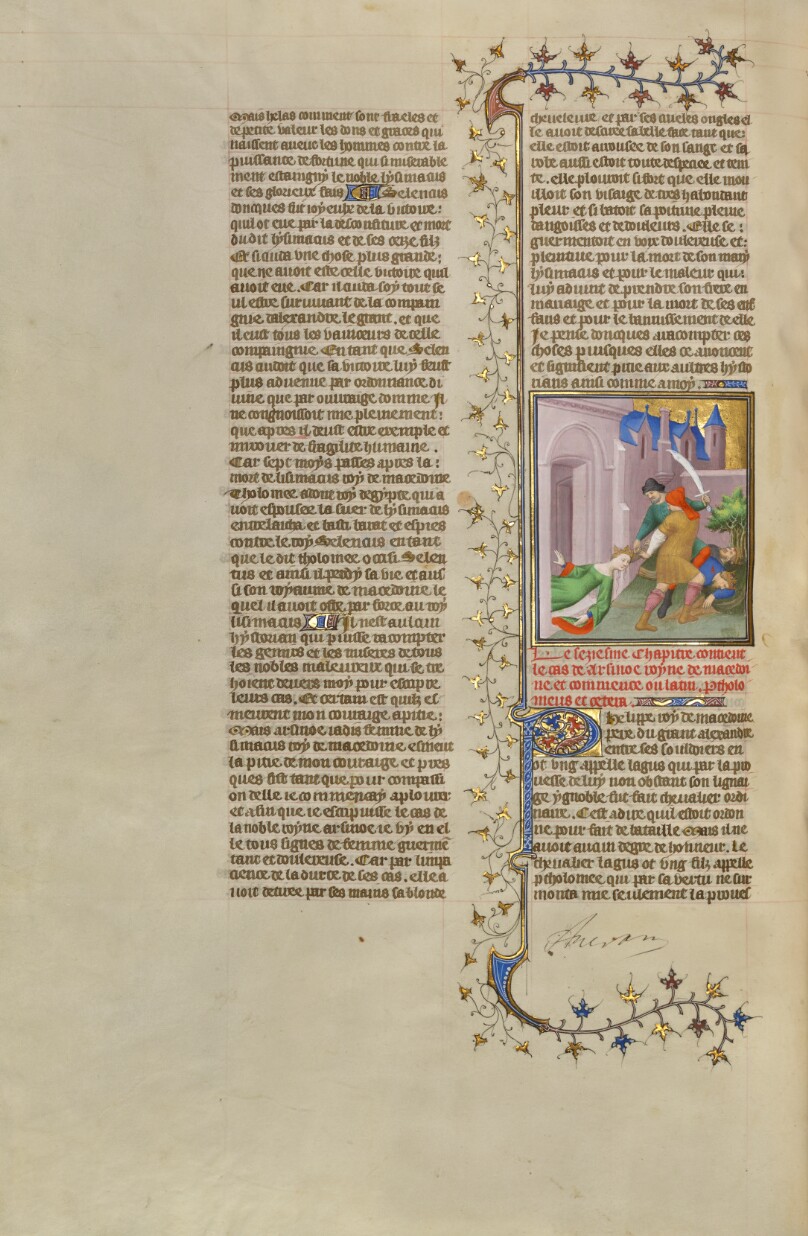
The Massacre of the Sons of Lysimachus
Getty Museum
#3c3b77ed-300b-44a6-b3e5-a18c55758d48
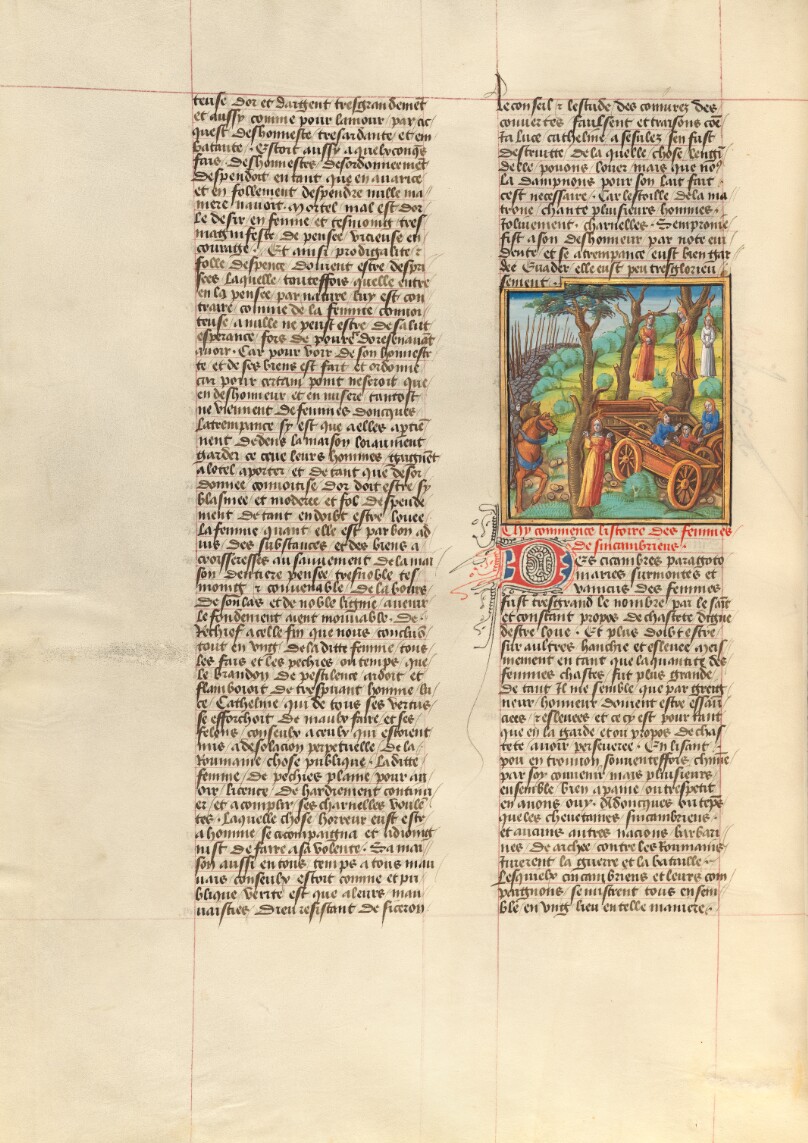
The Cambrian Women Dying by Suicide
Getty Museum
#004be2e6-16b2-4a46-8143-8167645b7f38
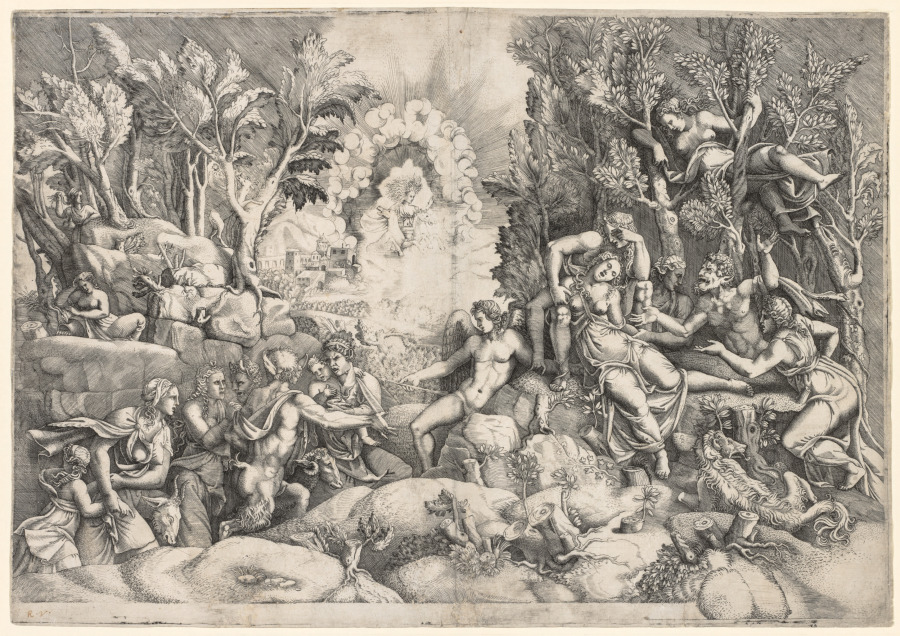
The Death of Procris
Cleveland Museum of Art
#152306
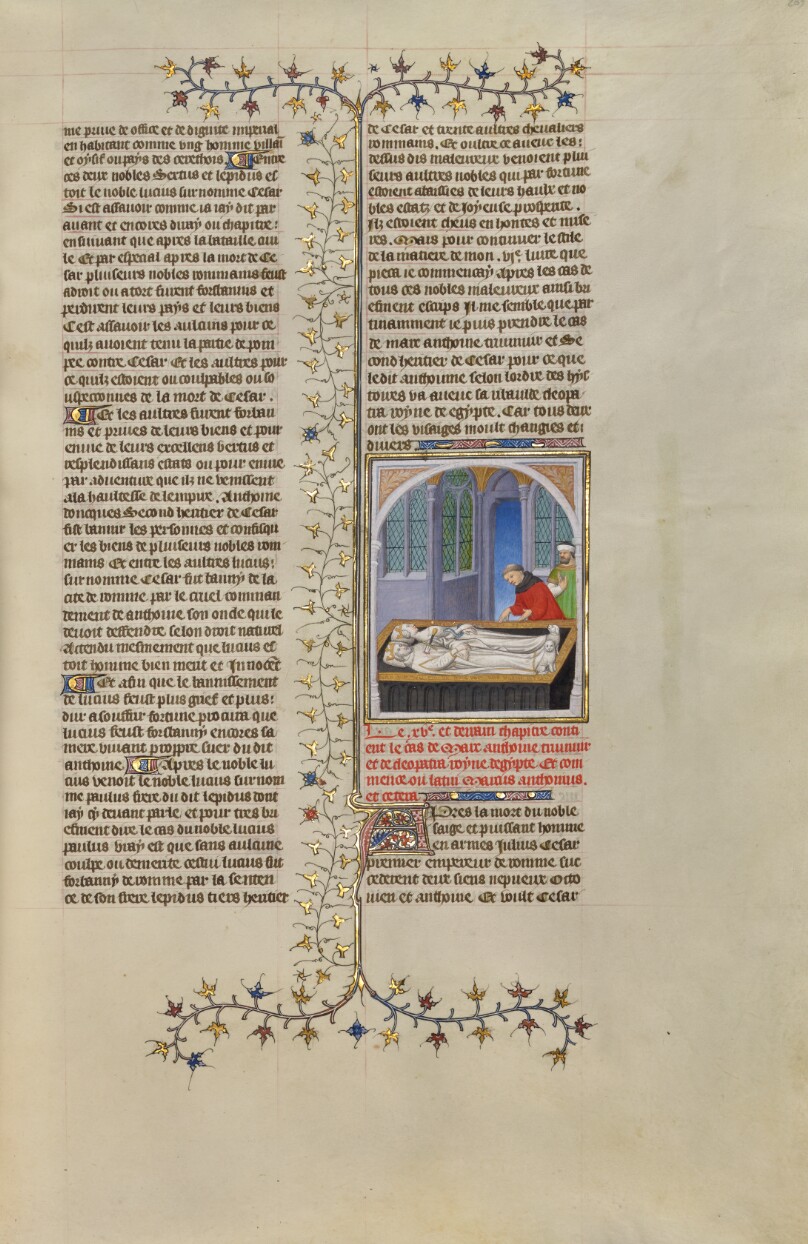
The Tomb of Marc Antony and Cleopatra
Getty Museum
#3aa66308-4e0f-4759-b110-8e0d5d6dc24d
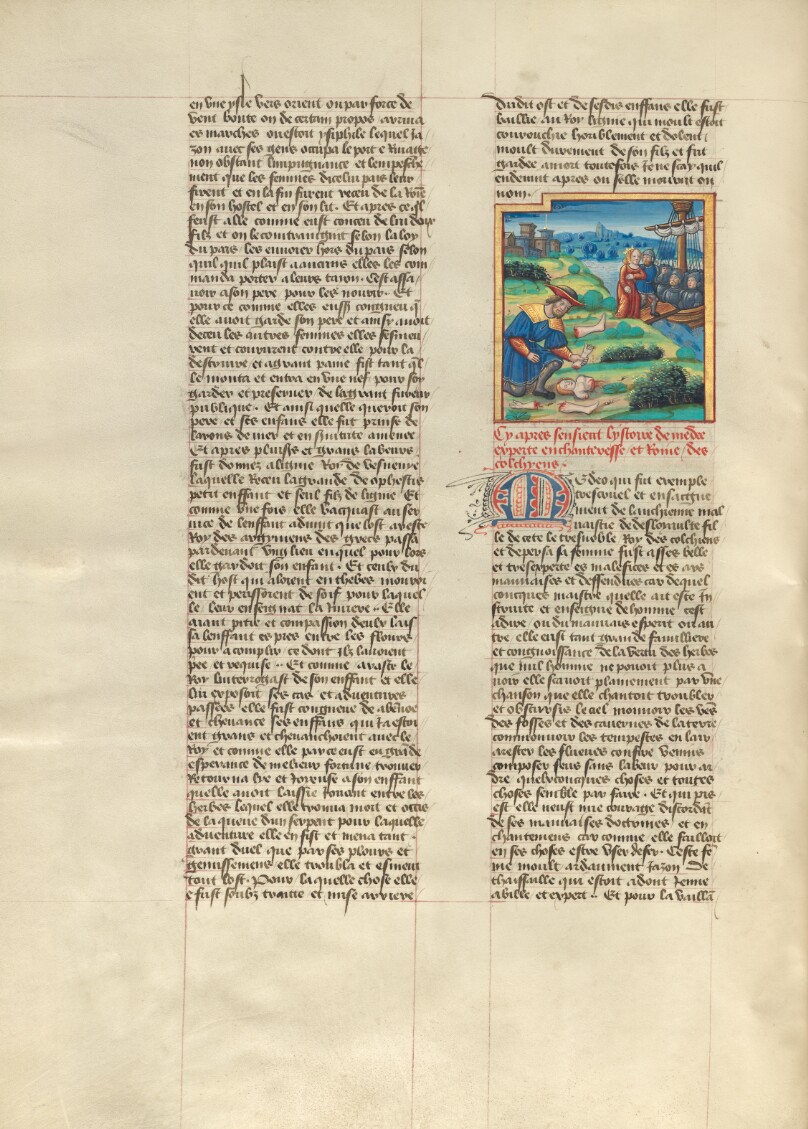
Medea Fleeing with Jason, and Aeetes Discovering the Body of Absyrtus
Getty Museum
#879b69e2-eab8-4ea8-9796-de0284868ec8