Art Institute of Chicago
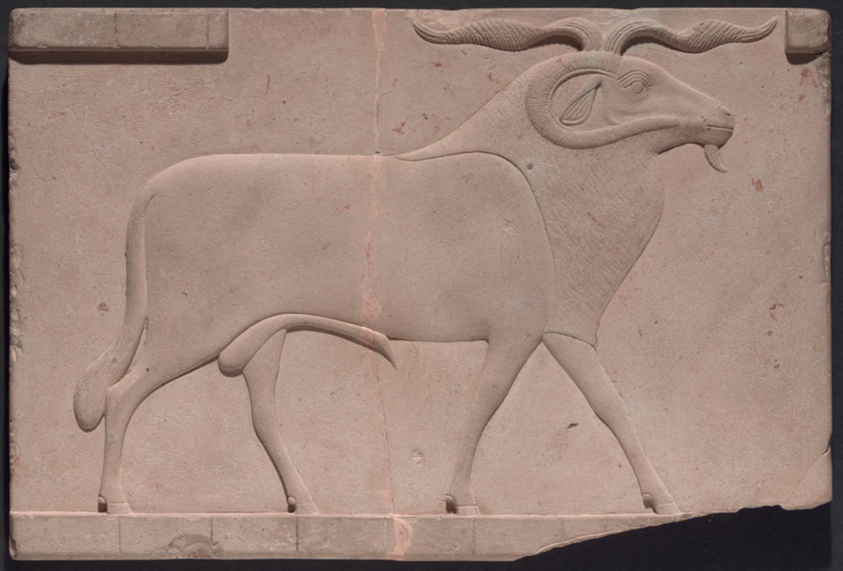
Plaque Depicting a Ram
Egyptian
- Date
- Ptolemaic Period (332–30 BCE)
- Medium
- Limestone
- Culture
- Egypt
- Department
- Arts of Africa
- Institution
- Art Institute of Chicago
The two sets of horns on this exemplary portrayal of a ram reflect ancient Egyptian sculptors’ simultaneous close observation of nature and strict adherence to artistic tradition. The elongated corkscrew horns atop the ram’s head belong to a species that was already long extinct when this plaque was carved. Rather than abandoning the conventional representation of this animal, artists added a set of curved horns to reflect the appearance of contemporary rams. On similar plaques portions of the original gridded surface remain in the top corners and along the bottom to emphasize the depth of carving. Egyptian artists utilized grids to maintain correct proportions in their work.
The authoritative record is held by Art Institute of Chicago. LinkedCulture surfaces this object and its connections; it does not alter institutional metadata.
Linked open data
Authority identifiers that link this record into the wider web of cultural data — stable references you can follow to the source.
- Object type
- AAT300190691
Related across collections
Semantically similar works from Art Institute of Chicago and other institutions.

Big Skull and Horn in Two Parts II
Getty Museum

Figure of a ram
Minneapolis Institute of Art

Pendant: Ram's Head
Getty Museum
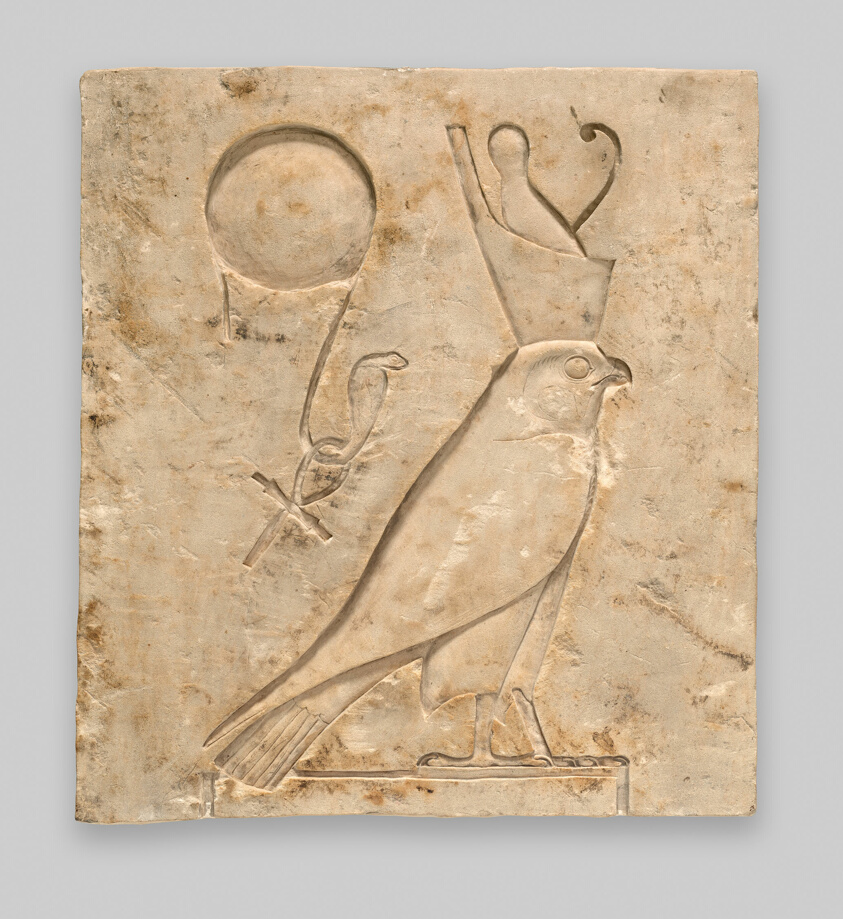
Relief Plaque Depicting the God Horus as a Falcon
Art Institute of Chicago

Engraved Scarab with Two Rams Butting Heads
Getty Museum
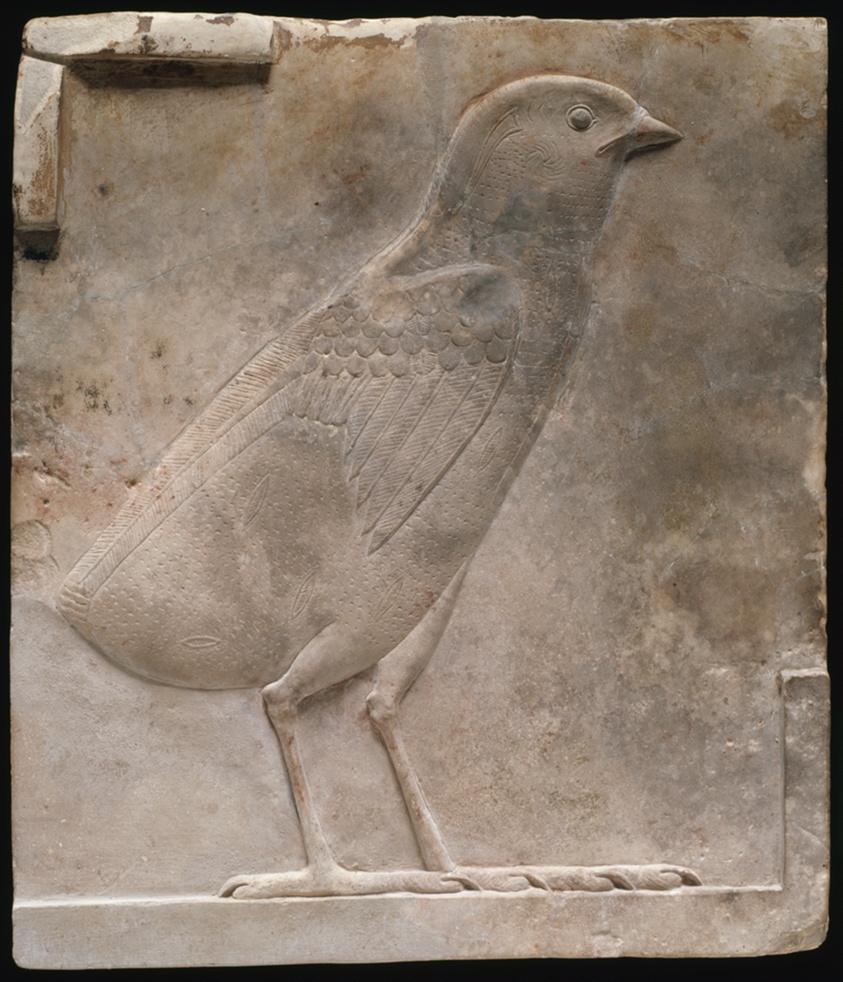
Plaque Depicting a Quail Chick
Art Institute of Chicago

Statuette of a Ram
Getty Museum
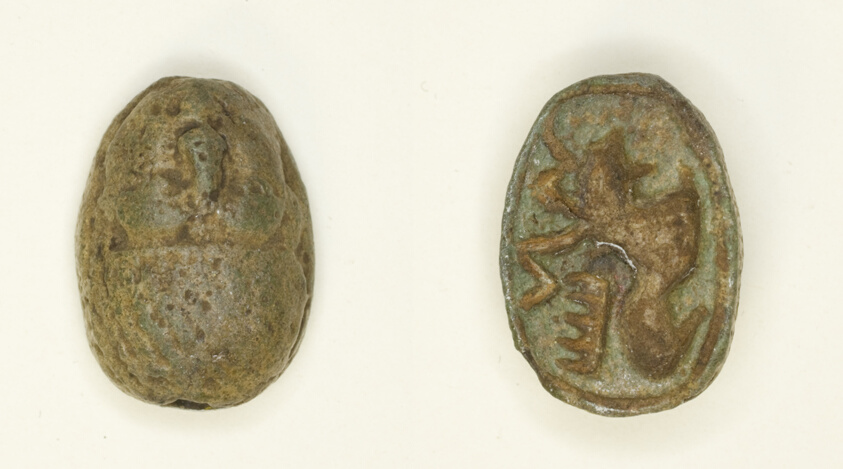
Scarab: Ram (Amun)
Art Institute of Chicago
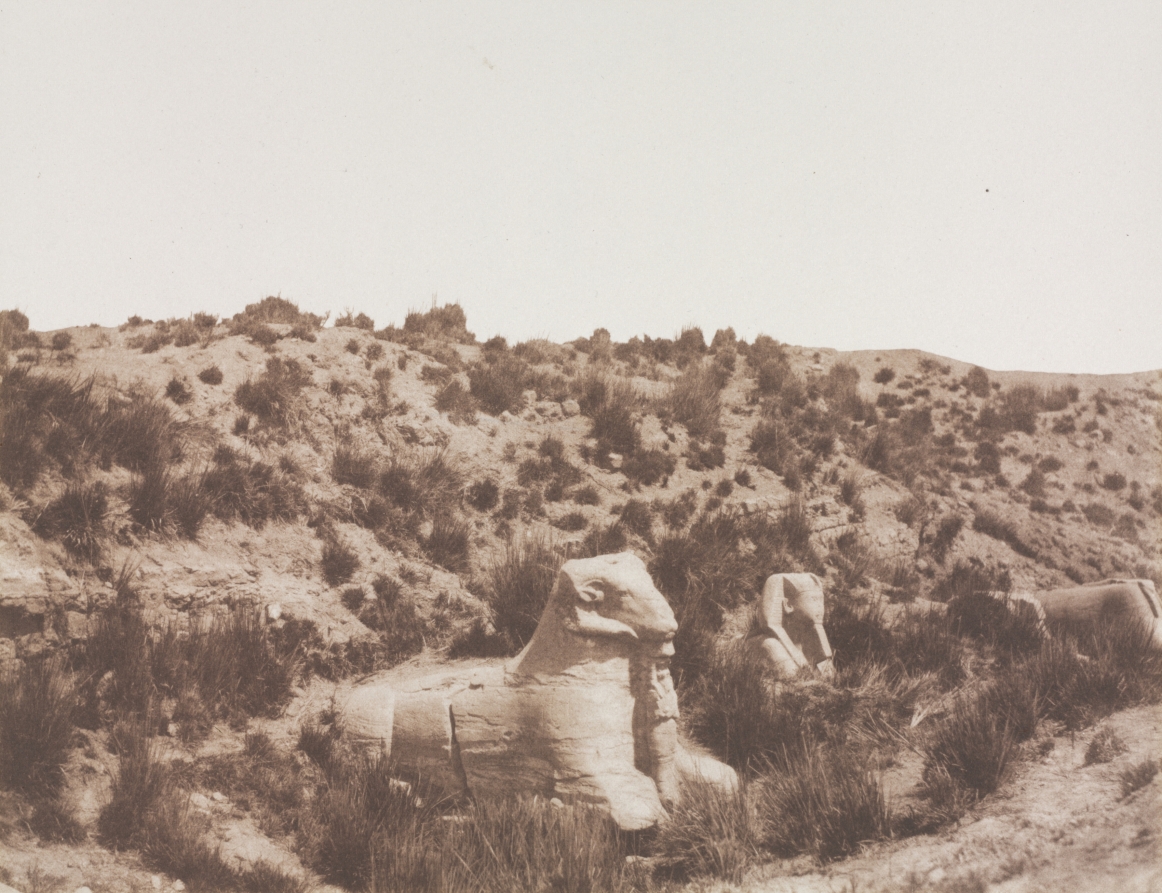
Sphinxes with a Human Head and with a Ram Head at Point Y. Karnak (Thebes)
Cleveland Museum of Art
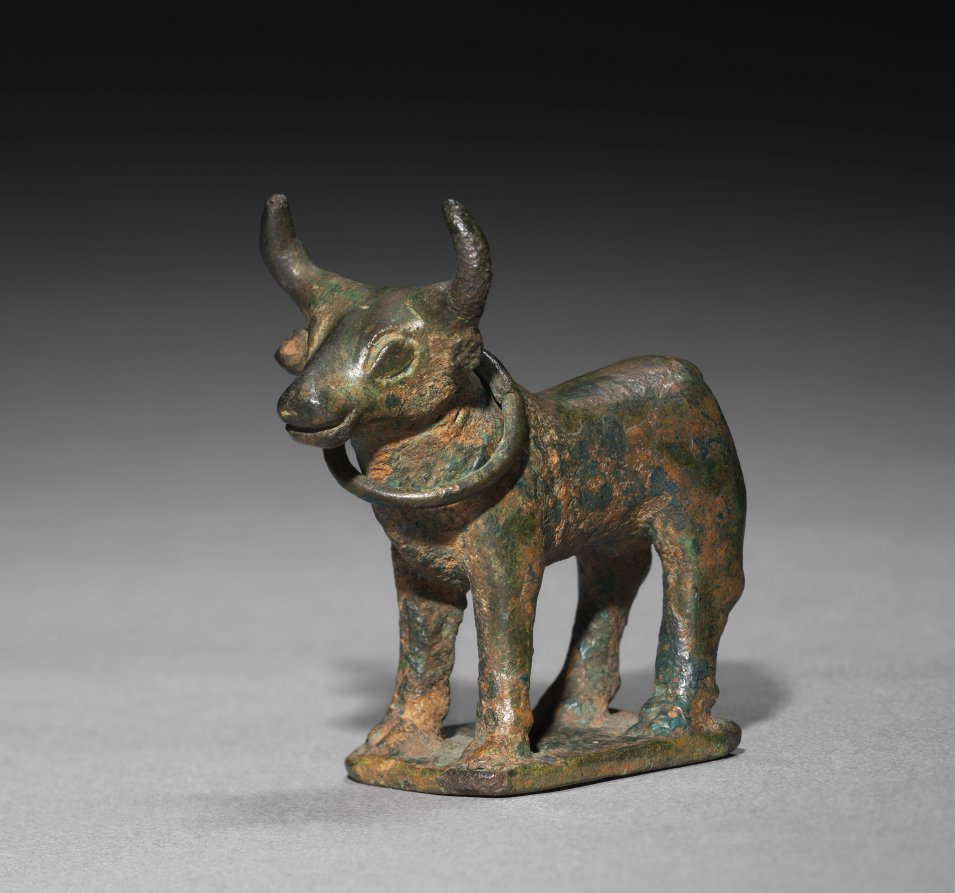
Statuette of a Bull with Curved Horns
Cleveland Museum of Art

Pendant: Ram's Head
Getty Museum
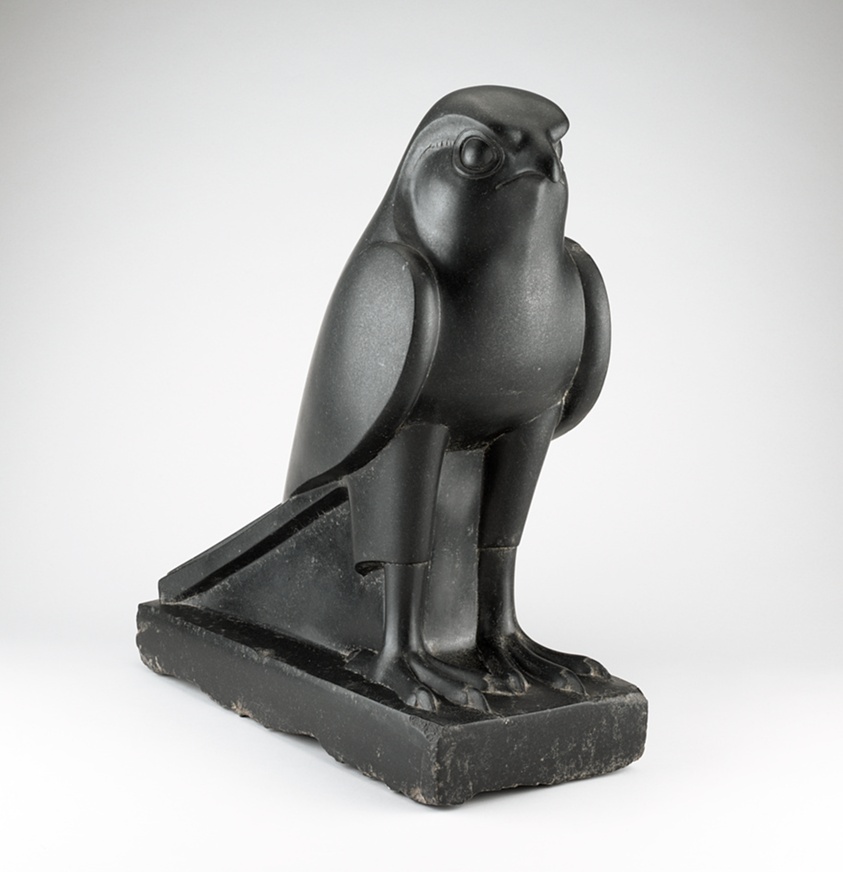
Statue of Horus
Art Institute of Chicago