Art Institute of Chicago
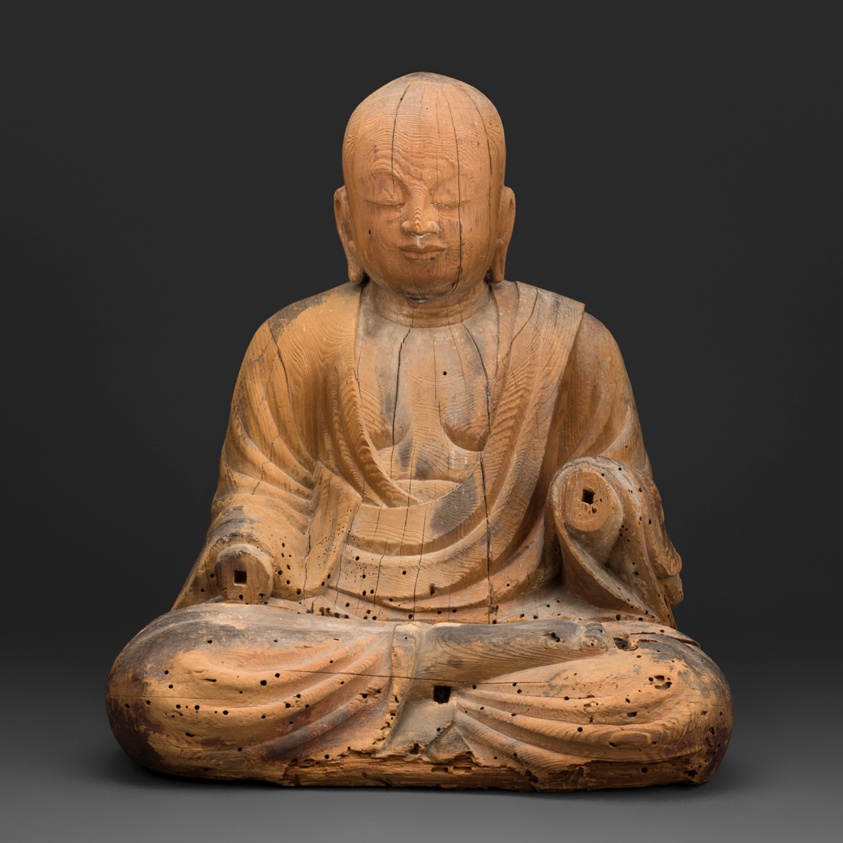
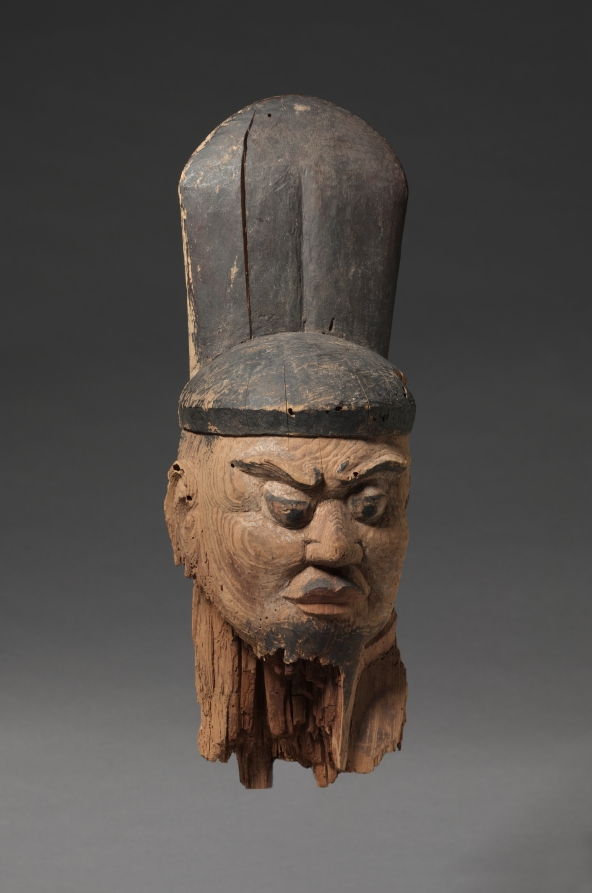
Sōgyō Hachiman
Japan
- Date
- 10th century
- Medium
- Wood with traces of white pigment
- Culture
- Japan
- Department
- Arts of Asia
- Institution
- Art Institute of Chicago
This work is believed to be part of a group of sculptures produced by one studio around the same time, possibly for a processional ritual. The literal meaning of its title is “Hachiman in the guise of a monk.” The cult of the Shinto deity Hachiman originated at Usa in northeast Kyushu, a site relatively close to the Korean peninsula and also a prominent early Buddhist center. Buddhism had been introduced into Japan in the 6th century, and monks became one of the most recognizable symbols of its practice. Hachiman’s “guise” reflects the melding of Buddhist and indigenous Shinto beliefs into a shared iconography.
The authoritative record is held by Art Institute of Chicago. LinkedCulture surfaces this object and its connections; it does not alter institutional metadata.
Linked open data
Authority identifiers that link this record into the wider web of cultural data — stable references you can follow to the source.
- Object type
- AAT300301253
Related across collections
Semantically similar works from Art Institute of Chicago and other institutions.

Hachiman in the Guise of a Buddhist Monk
Minneapolis Institute of Art
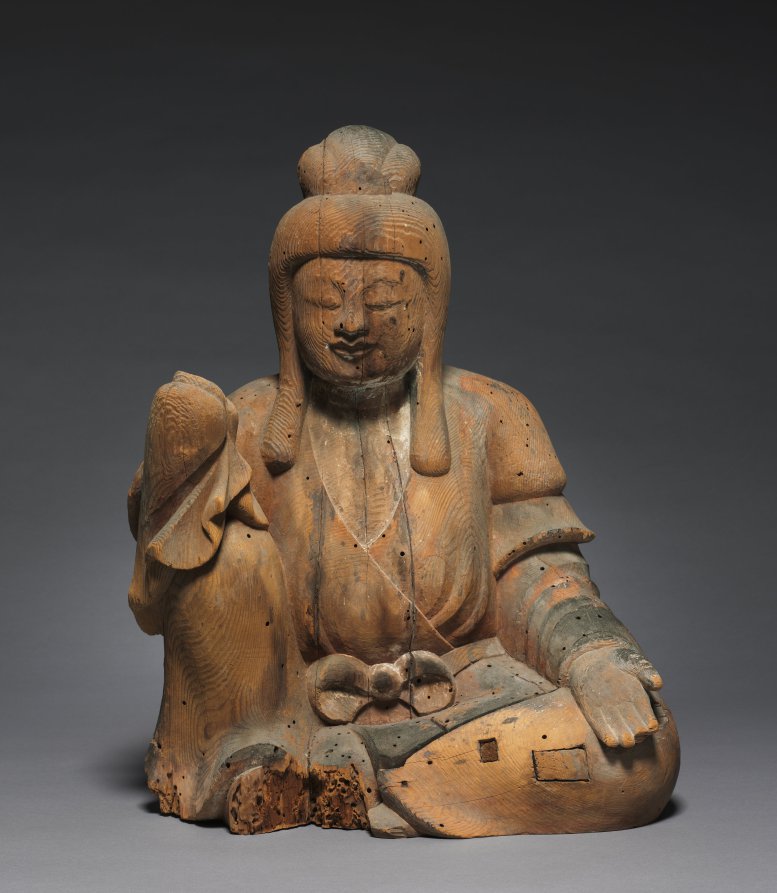
Shinto Deity
Cleveland Museum of Art
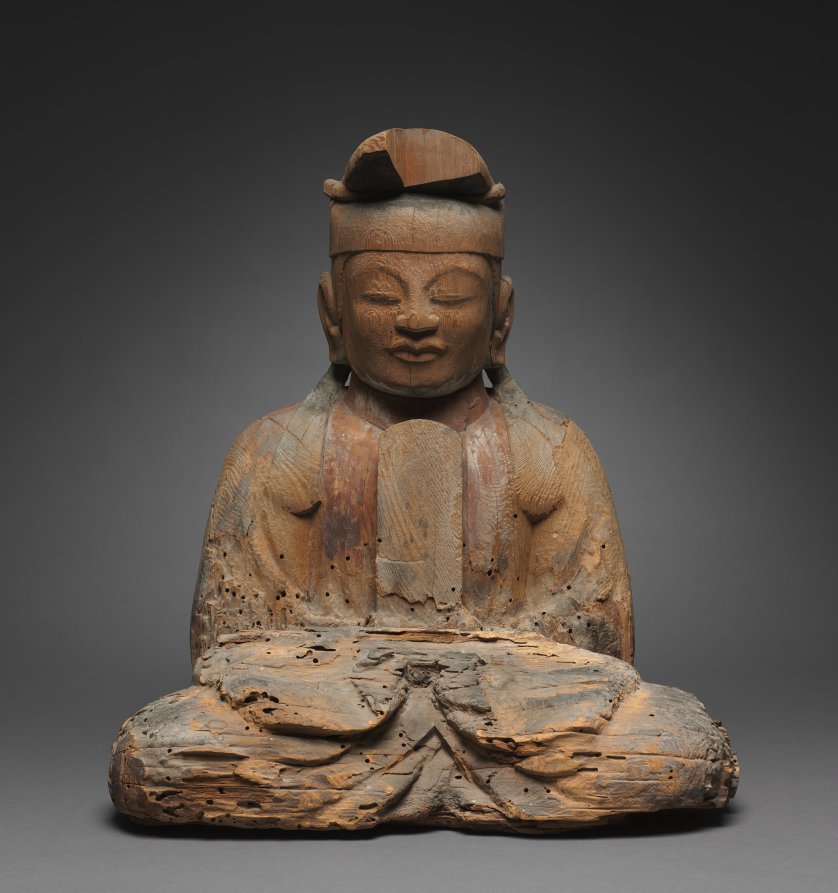
Shinto Deity
Cleveland Museum of Art
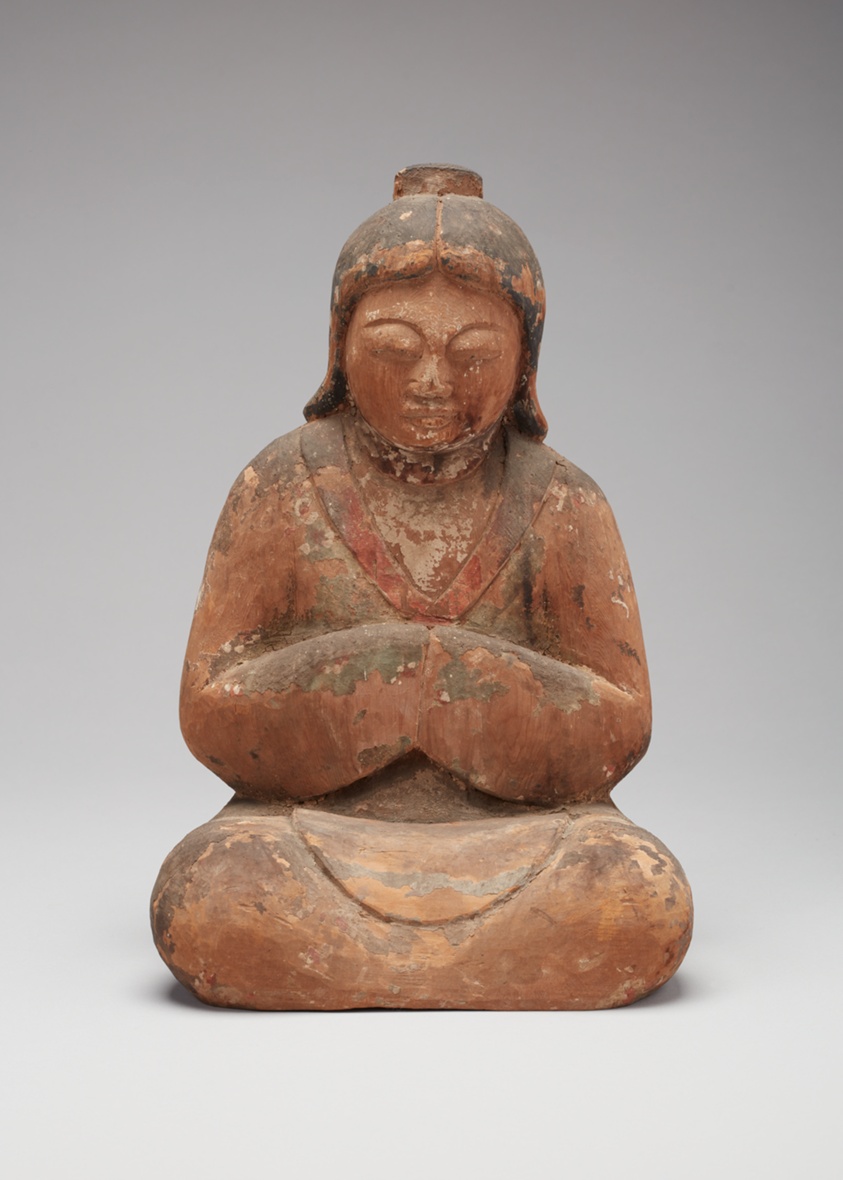
Female Shinto Deity
Art Institute of Chicago
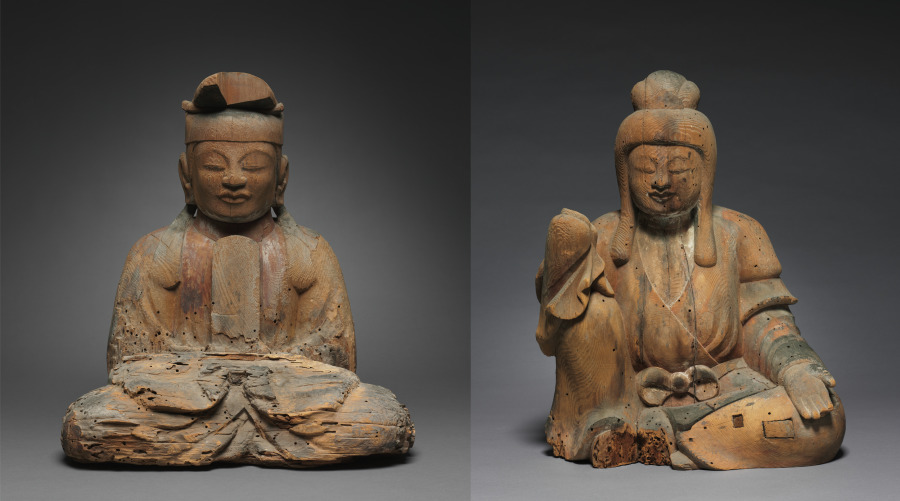
Shinto Deities
Cleveland Museum of Art
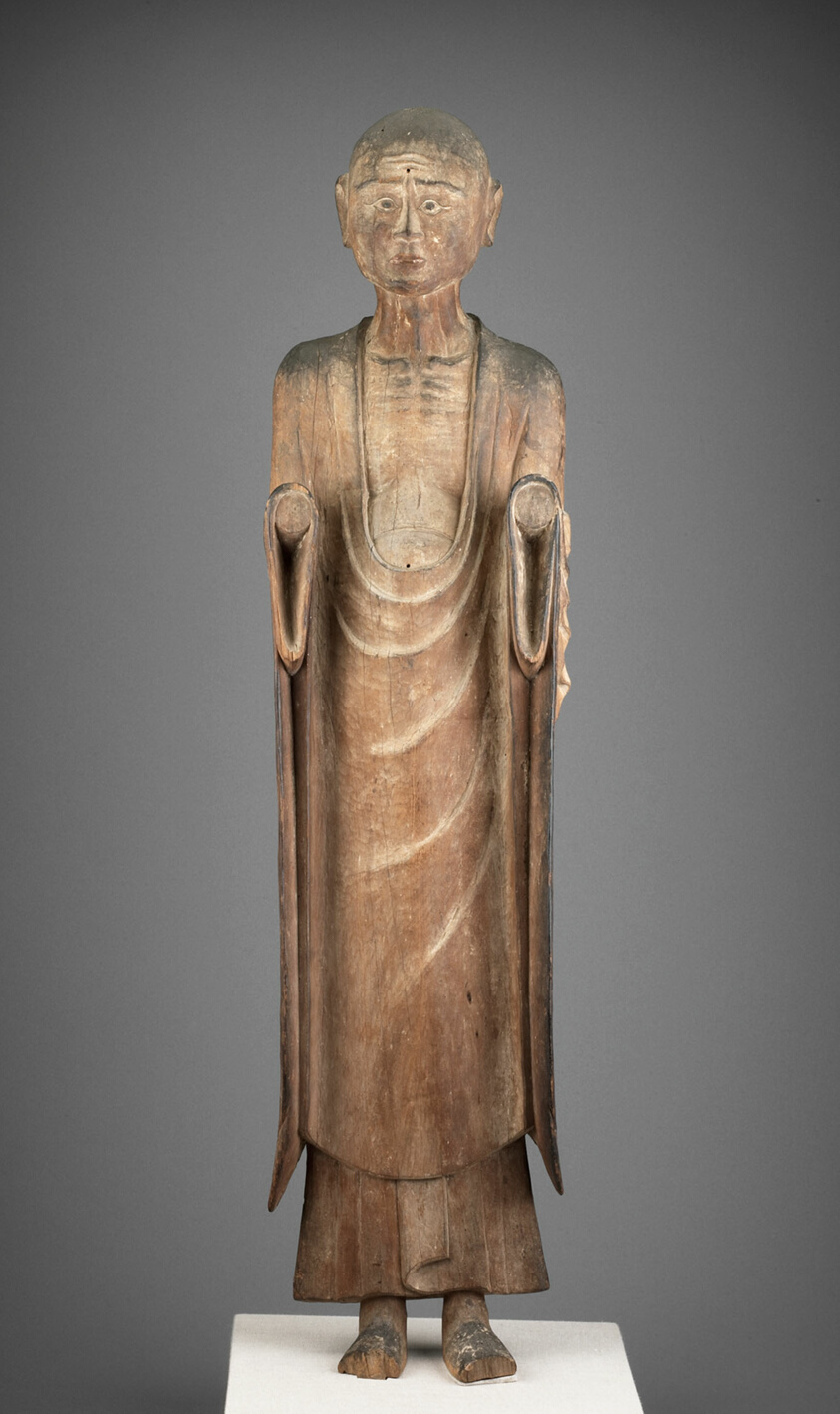
Shinto Deity in the Guise of the Monk Hyeja
Art Institute of Chicago

Uhōdōji, the Divine Rainmaking Boy
Minneapolis Institute of Art

Shinto God
Minneapolis Institute of Art
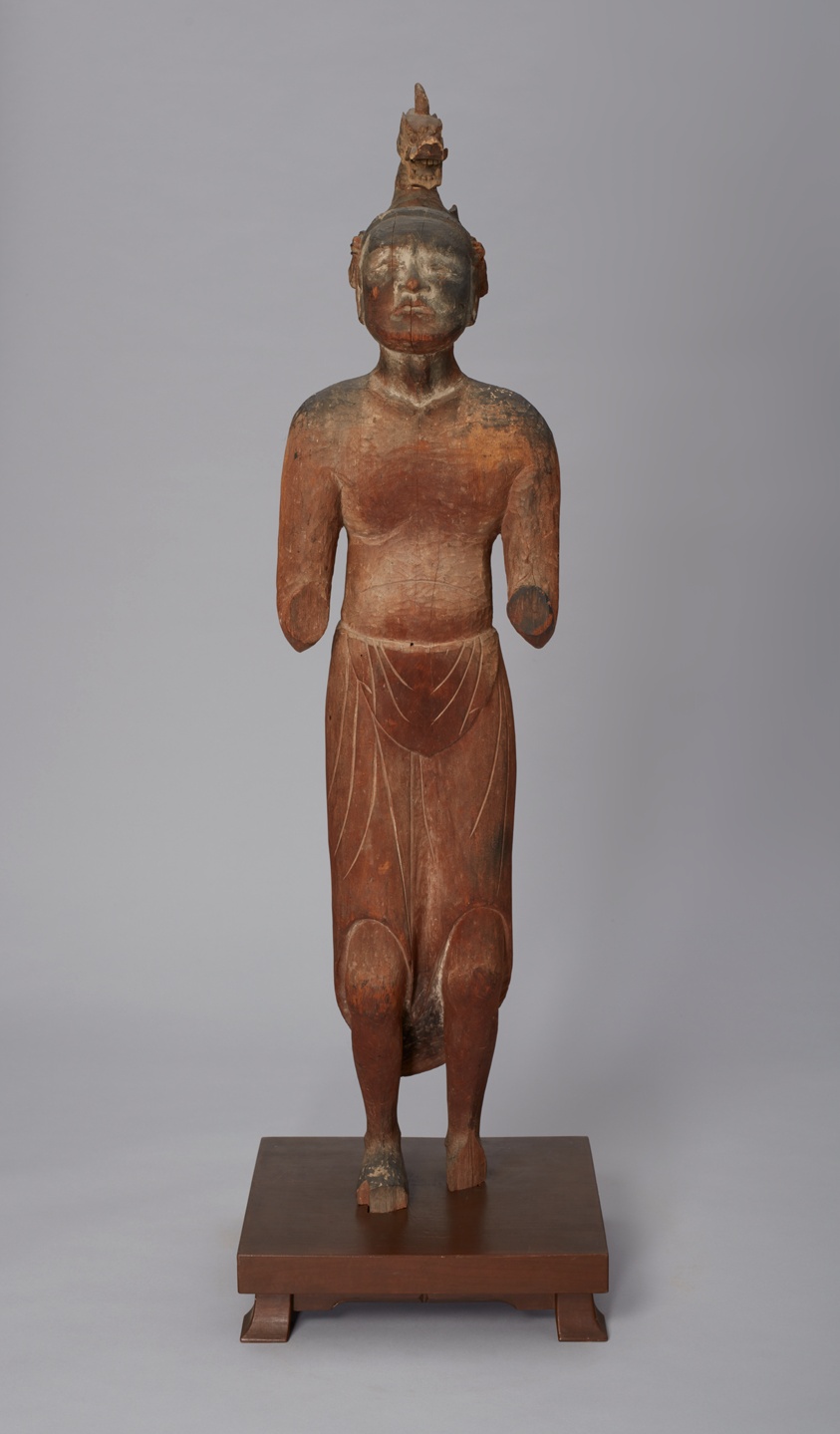
Dragon King
Art Institute of Chicago
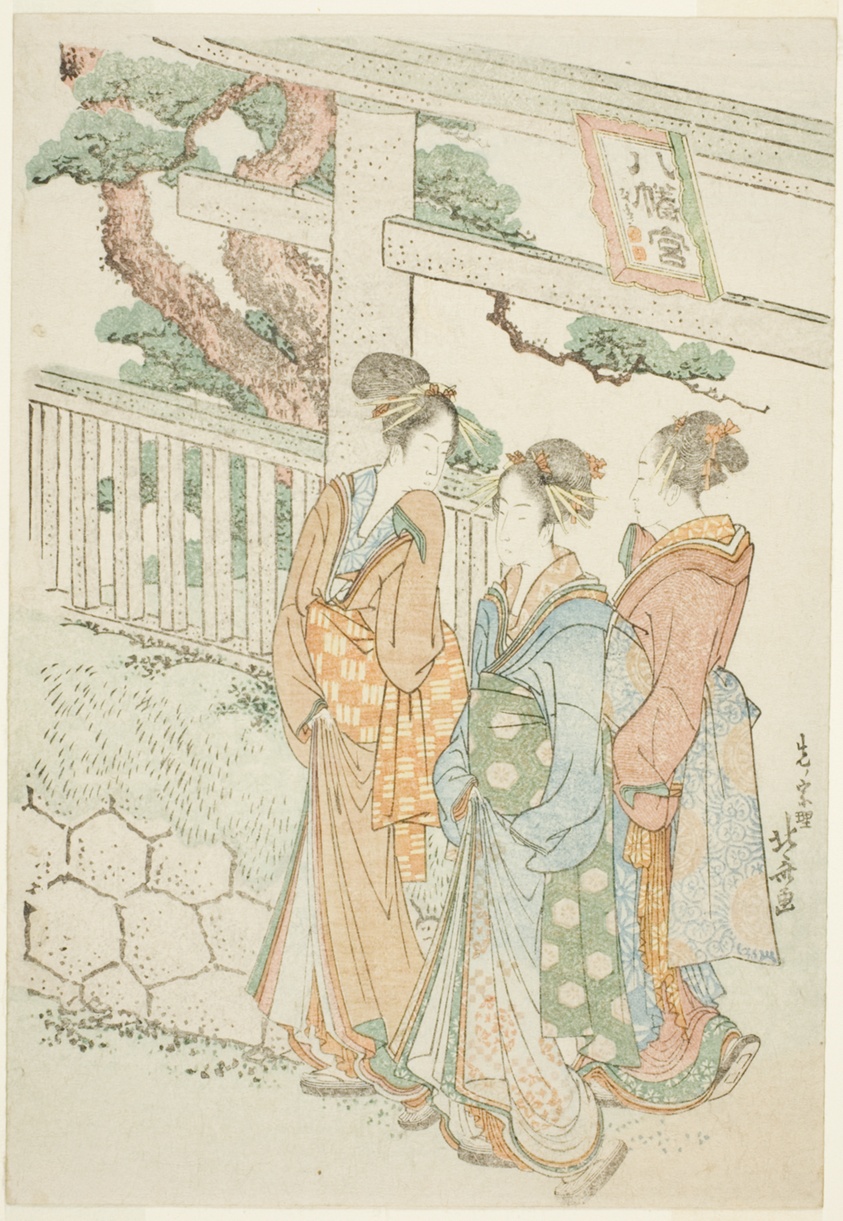
Visitors to the Hachiman shrine
Art Institute of Chicago

Shinto Goddess
Minneapolis Institute of Art
Head of a Male Shinto Deity
Cleveland Museum of Art