
Minneapolis Institute of Art
Hachiman in the Guise of a Buddhist Monk
Japan
- Date
- 12th century
- Medium
- Japanese cypress with polychrome
- Department
- Asian Art
- Institution
- Minneapolis Institute of Art
Buddhism was introduced to Japan through Korea after 500 and early Buddhists immediately set off to reconcile the new, foreign religion with the indigenous belief system of Shintō. According to the theory of honji suijaku (Shintō/Buddhist syncretism), Shintō kami (deities) were temporary embodiments of Buddhist deities on this earth, and specifically manifested themselves in Japan to save humans. Hachiman was a kami (deity) of war and archery. According to Shintō belief, Emperor Ōjin (270-310) became Hachiman after death. The worshipping of Hachiman was popular among samurai who traced their lineage back to the Emperor. Wearing a kesa, or wrap, over a robe and with a shaven head, Hachiman presents himself here as a Buddhist monk, reflecting the merging of different beliefs in one. This sculpture was once fully painted, and some traces of pigment—like the white skin, green on the robe, yellow and black on the kesa—remains on the surface. Asia
The authoritative record is held by Minneapolis Institute of Art. LinkedCulture surfaces this object and its connections; it does not alter institutional metadata.
Related across collections
Semantically similar works from Minneapolis Institute of Art and other institutions.
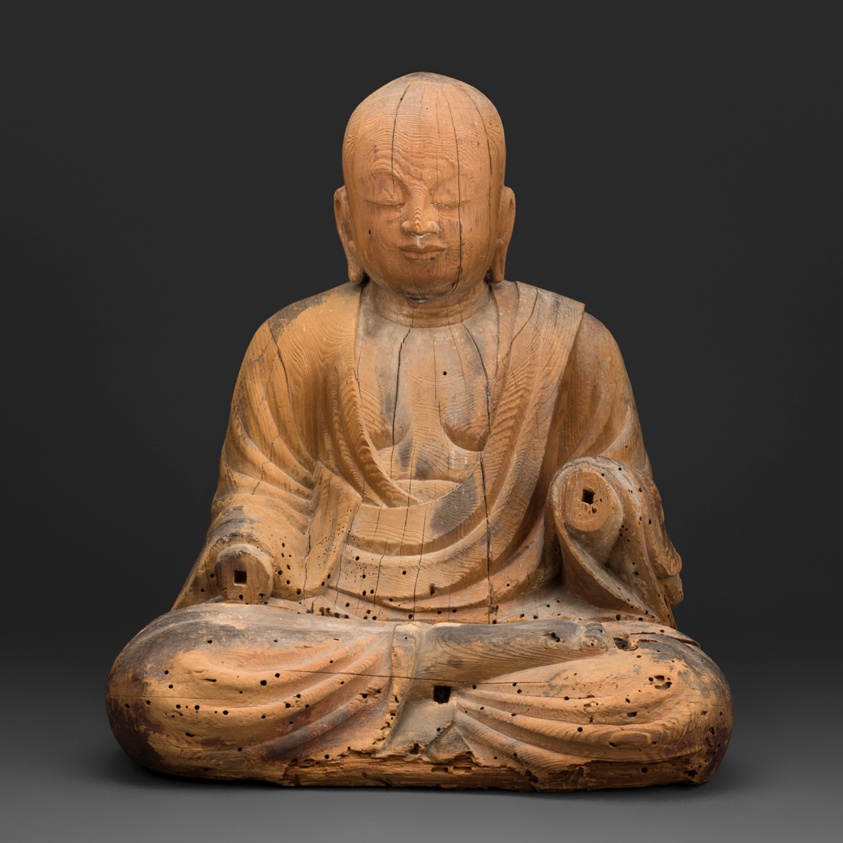
Sōgyō Hachiman
Art Institute of Chicago
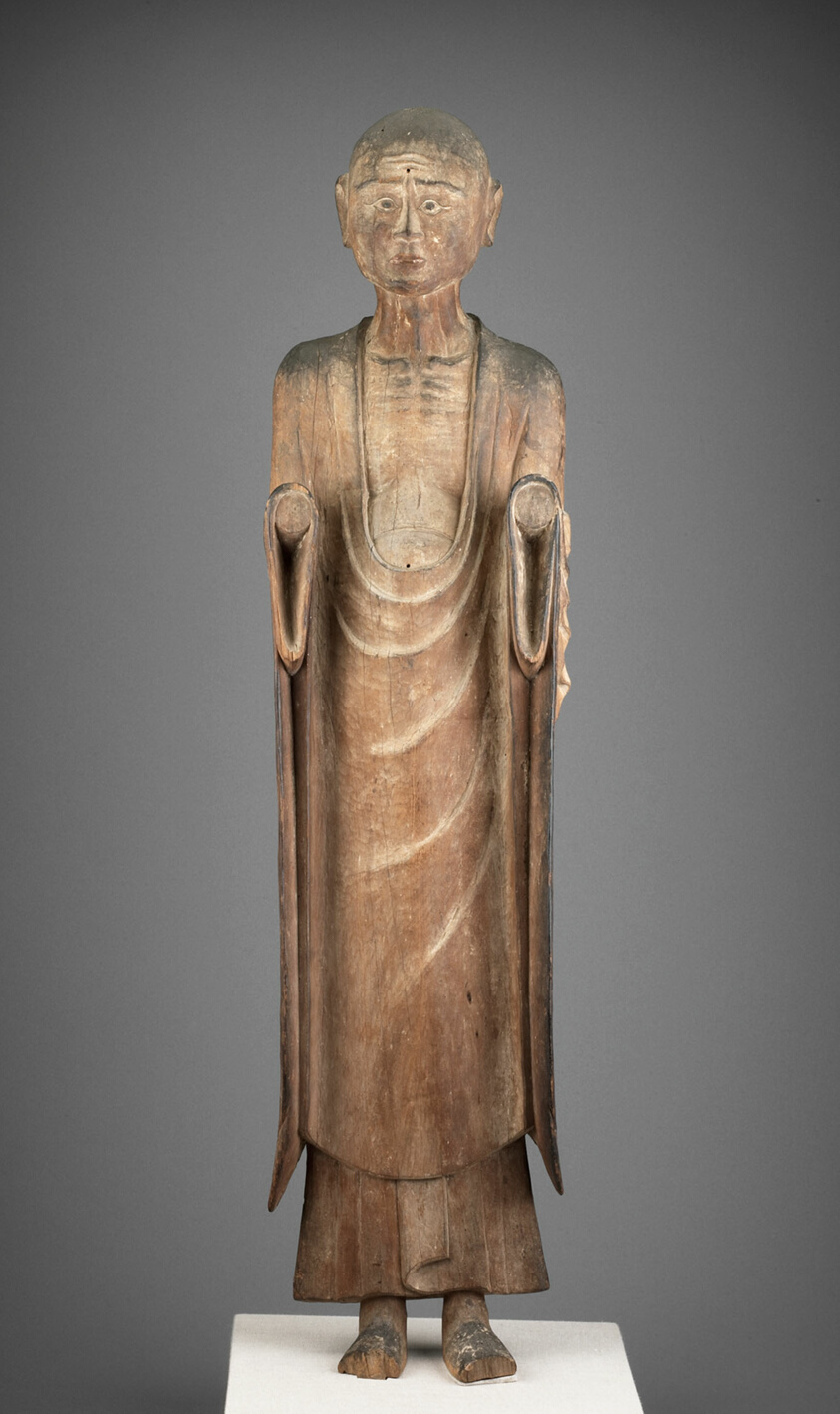
Shinto Deity in the Guise of the Monk Hyeja
Art Institute of Chicago

Portrait of Rigen Daishi
Minneapolis Institute of Art

Akiba Gongen, Manifestation of Mount Akiba
Minneapolis Institute of Art

White-Robed Kannon
Minneapolis Institute of Art
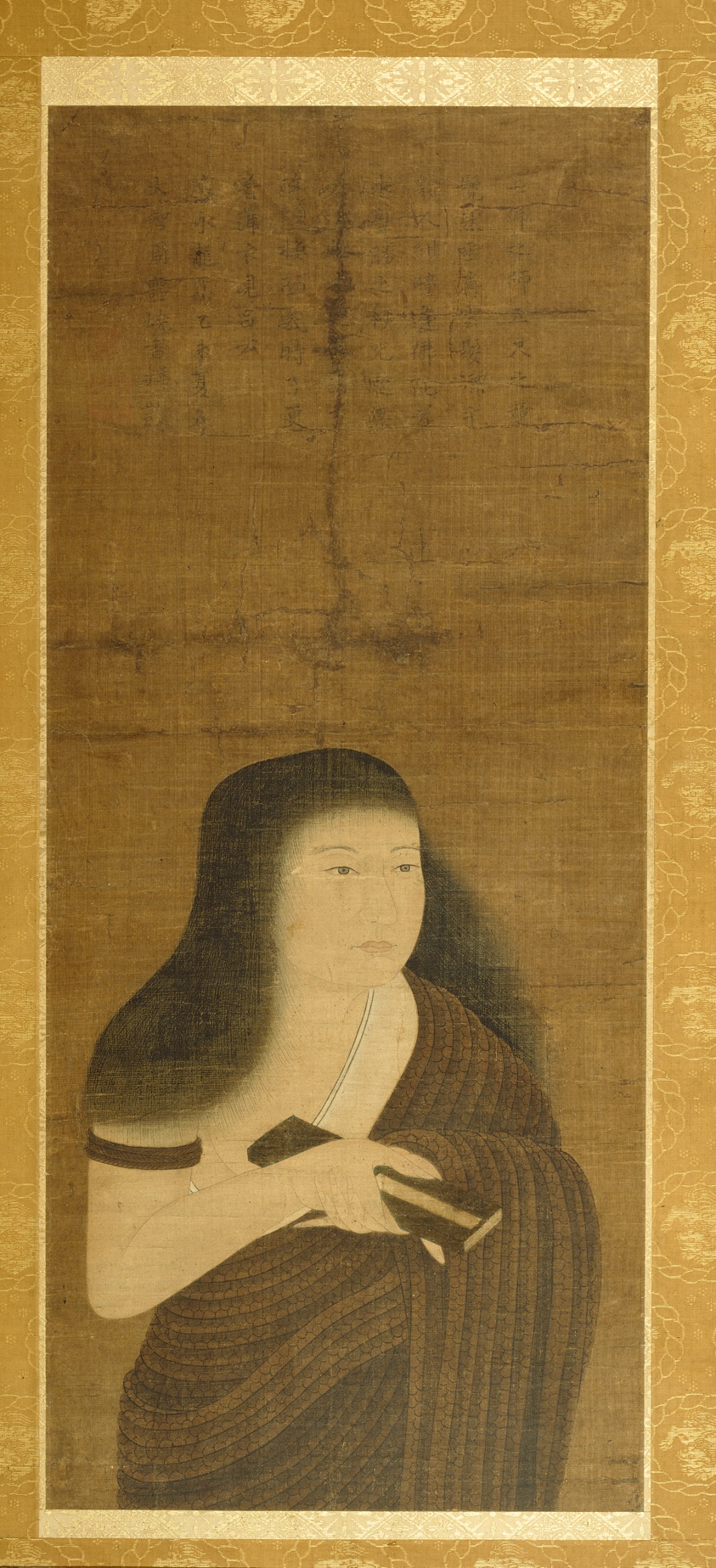
Monju Dressed in a Robe of Braided Grass (Nawa Monju)
Art Institute of Chicago

Welcoming Descent of Jizō, Bodhisattva of the Earth Matrix
Minneapolis Institute of Art
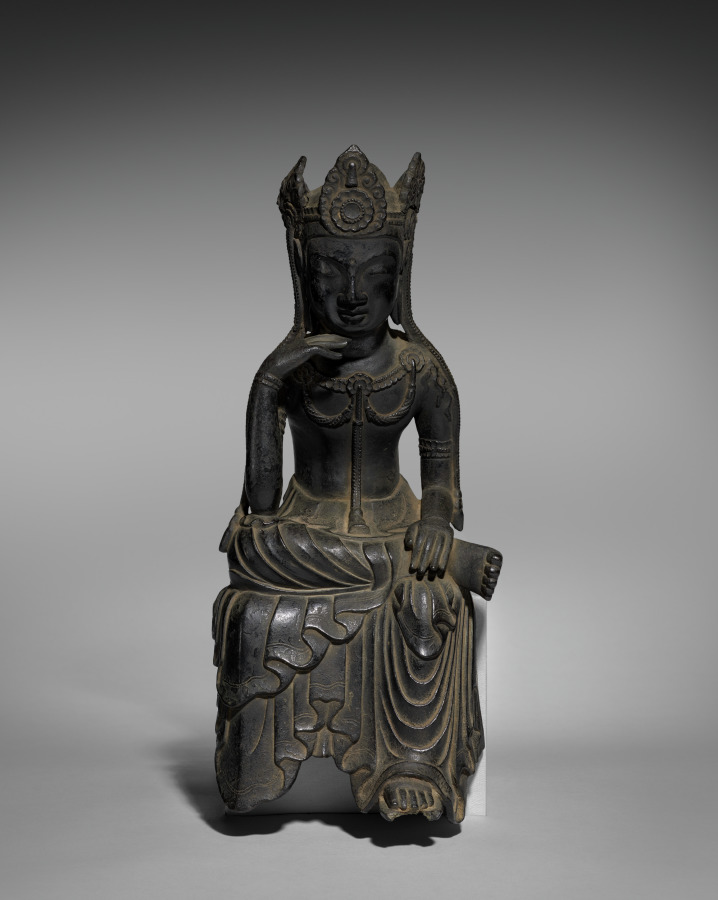
Buddha of the Future (Miroku Bosatsu)
Cleveland Museum of Art
Buddha of the Future (Miroku Bosatsu)
Cleveland Museum of Art
Shinto Deity
Cleveland Museum of Art
Shinto Deity
Cleveland Museum of Art
Shinto Deities
Cleveland Museum of Art