Art Institute of Chicago
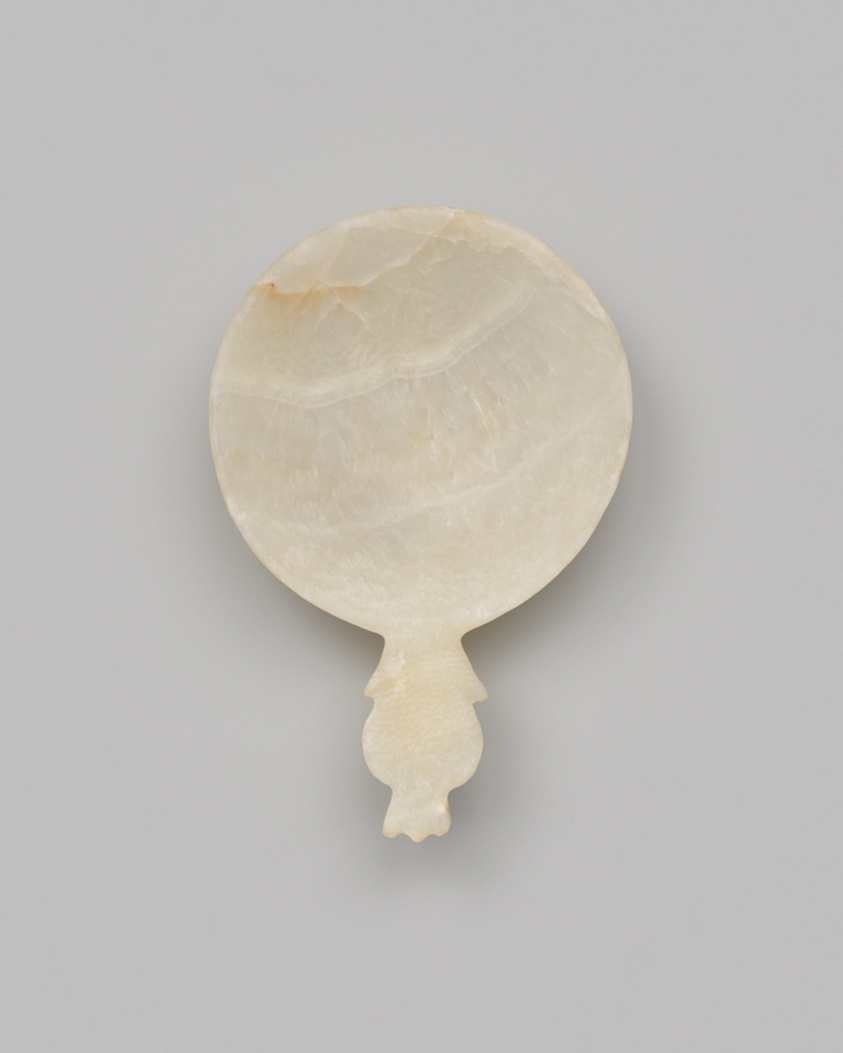
Ointment Vessel
EgyptianLinkedCulture matchlcp-b3f2759025d0
- Date
- New Kingdom, Dynasty 18 (about 1550-1295 BCE)
- Medium
- Travertine (Egyptian alabaster)
- Culture
- Egypt
- Department
- Arts of Africa
- Institution
- Art Institute of Chicago
- Object ID
- 128012
From the Art Institute of Chicago record
Perfumes and fragrant ointments for soothing the skin were an important part of beauty routines in Egypt’s hot, dry climate. Like the sometimes costly cosmetics they were designed to contain, these elegant vessels were desirable luxury goods, made in varied forms from an array of materials. The shallow bowl here was used for scented ointments and is embellished with a pomegranate-shaped handle. Regarded as a fertility symbol because of its numerous seeds, the pomegranate became a popular decorative motif in ancient Egyptian jewelry and other objects associated with beauty.
The authoritative record is held by Art Institute of Chicago. LinkedCulture surfaces this object and its connections; it does not alter institutional metadata.
Get printable QR codesHide QR codes
Open QR codes for this object page and the museum record. They stay collapsed until needed.
Provenance & credit
As published by the source institution. Coverage varies — not every institution's open-data feed includes ownership history.
- Credit line
- Purchased with funds provided by Henry H. Getty and Charles L. Hutchinson
- Provenance
- Reverend Chauncey Murch (1859-1907), Luxor, Egypt; sold to the Art Institute of Chicago, 1894; price reimbursed by Henry H. Getty and Charles L. Hutchinson, 1894.
Linked open data
Authority identifiers that link this record into the wider web of cultural data — stable references you can follow to the source.
- Object type
- AAT300193015
Related across collections
Semantically similar works from Art Institute of Chicago and other institutions.