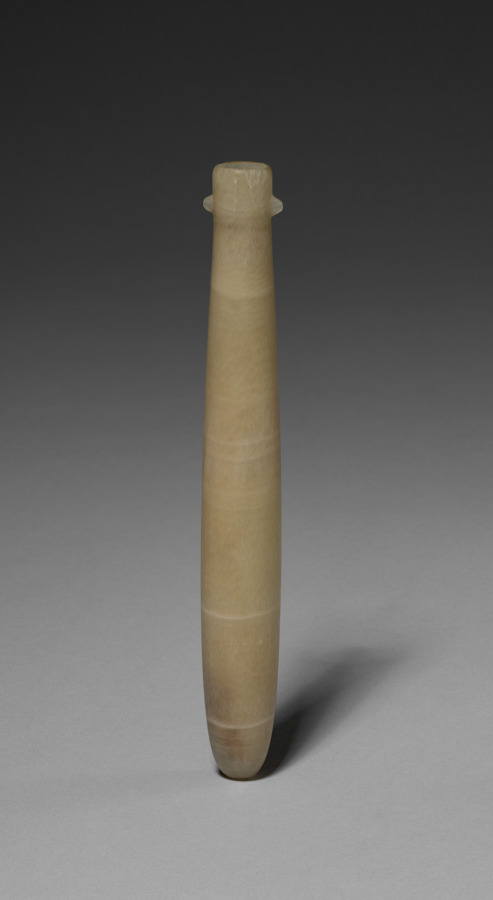
Cleveland Museum of Art
Alabastron
- Date
- 305–222 BCE
- Medium
- travertine
- Culture
- Egypt, Greco-Roman period (332 BCE–395 CE), Ptolemaic dynasty (305–30 BCE)
- Department
- Egyptian and Ancient Near Eastern Art
- Institution
- Cleveland Museum of Art
Both ancient Egyptian men and women loved cosmetics. Unguents, oils, and perfumes made from aromatic plant resins and gums were obtained at great cost from distant lands. The objects identified with cosmetics were given lavish treatment. This perfume holder might have been attached to a string, making it easily portable.
The authoritative record is held by Cleveland Museum of Art. LinkedCulture surfaces this object and its connections; it does not alter institutional metadata.
Related across collections
Semantically similar works from Cleveland Museum of Art and other institutions.
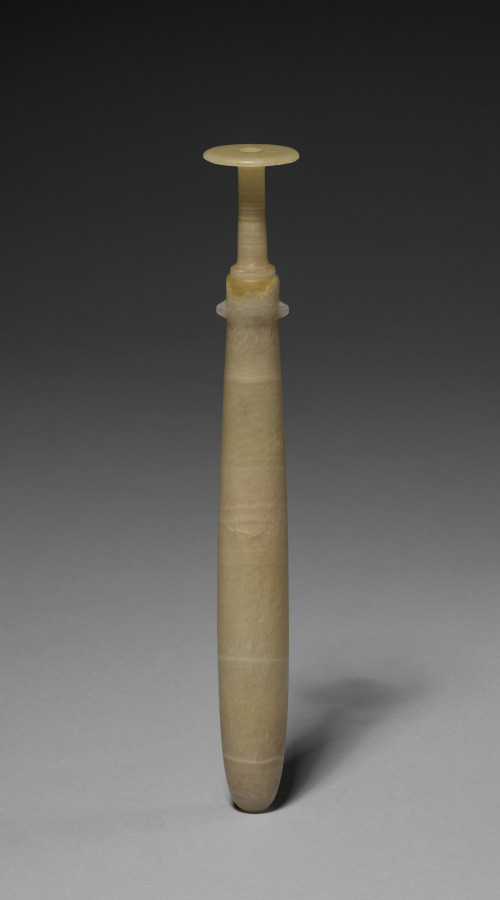
Alabastron
Cleveland Museum of Art
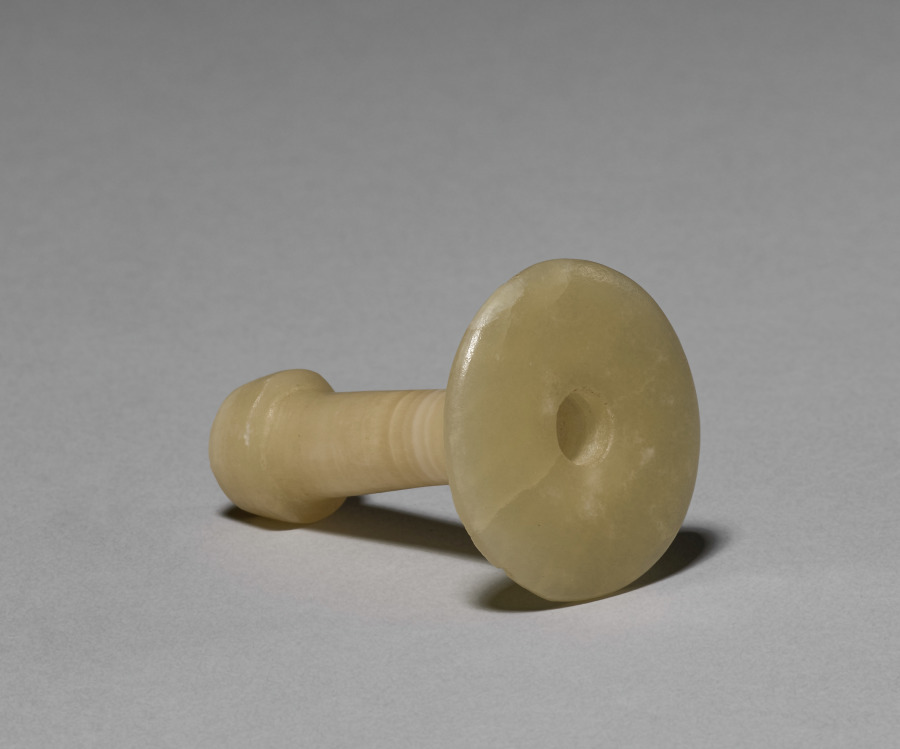
Alabastron (stopper)
Cleveland Museum of Art
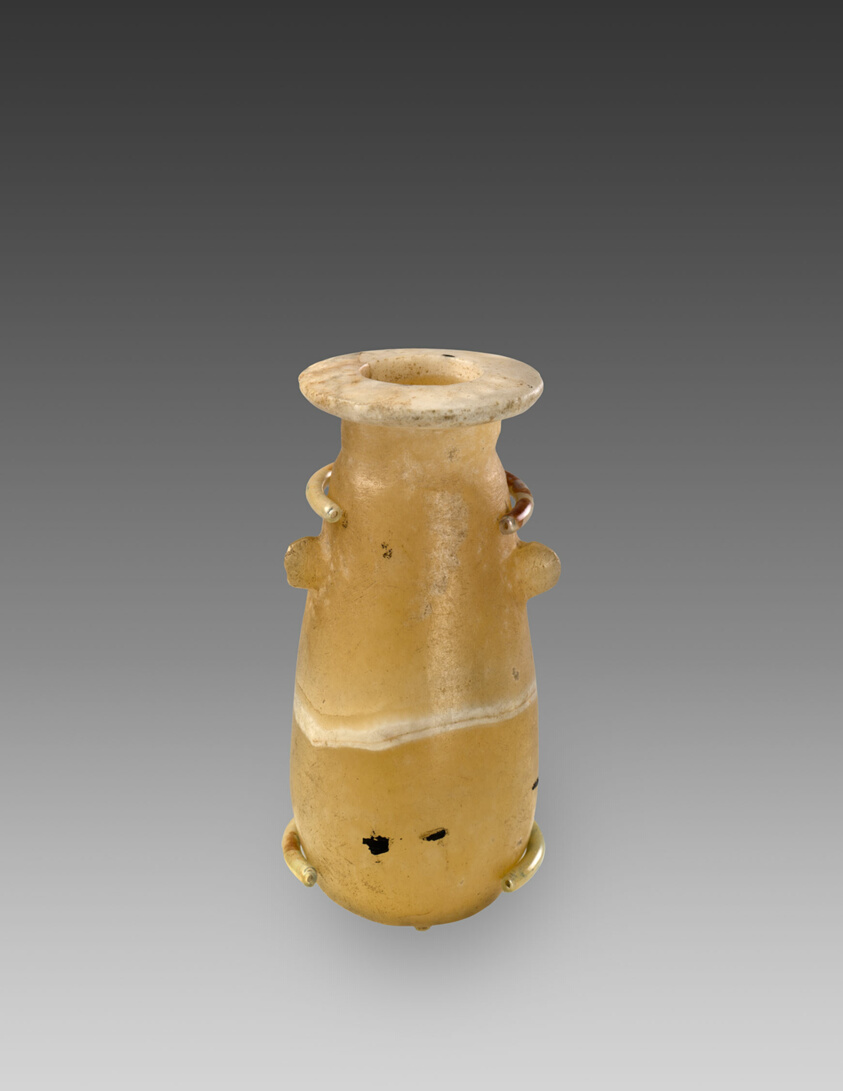
Alabastron (Container for Scented Oil)
Art Institute of Chicago
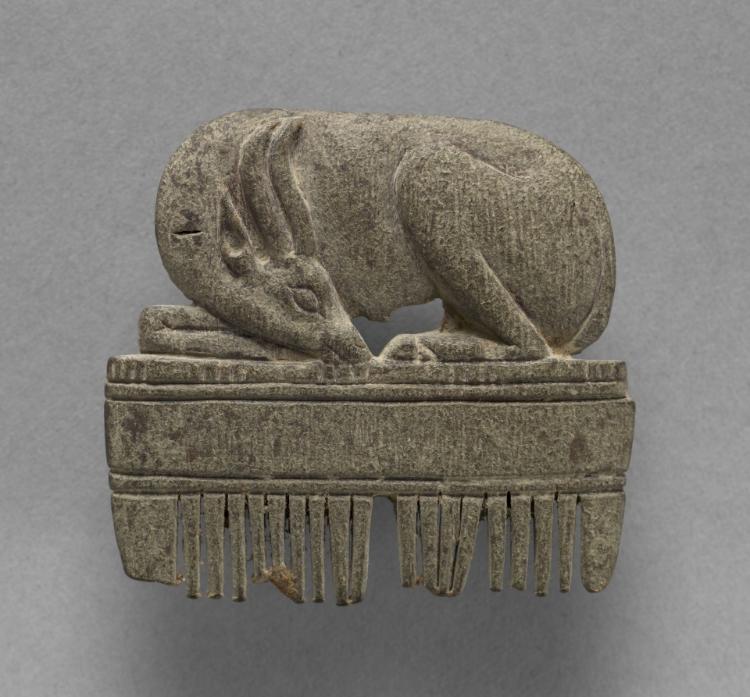
Comb with Gazelle
Cleveland Museum of Art
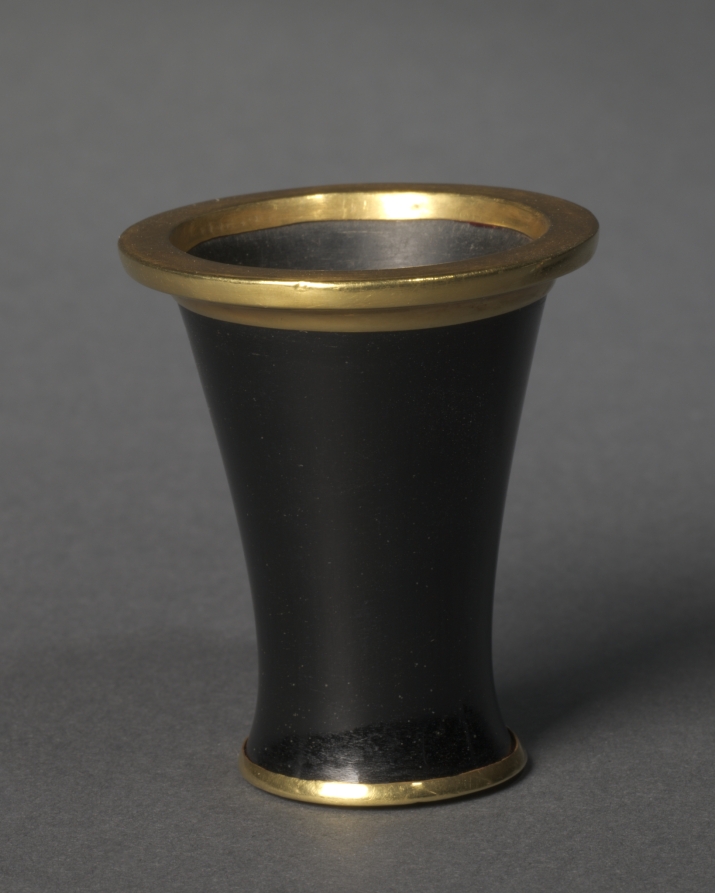
Cosmetic Vessel (Beaker)
Cleveland Museum of Art
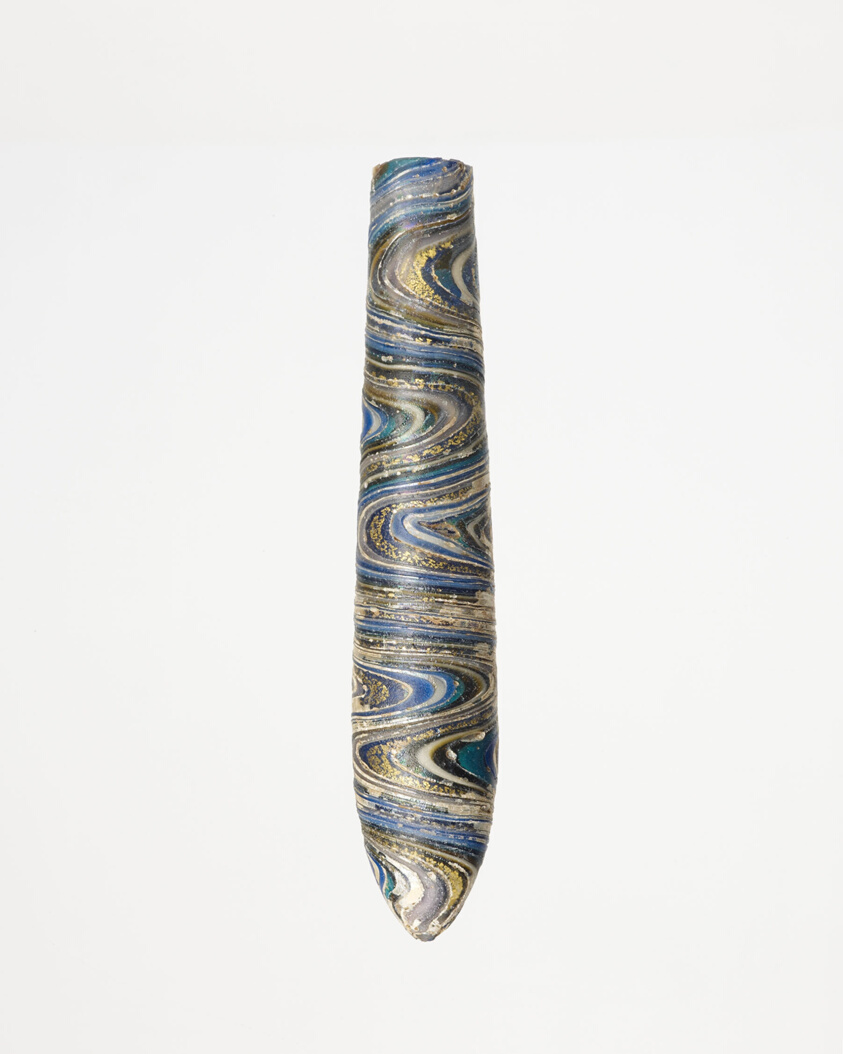
Alabastron (Container for Scented Oil)
Art Institute of Chicago
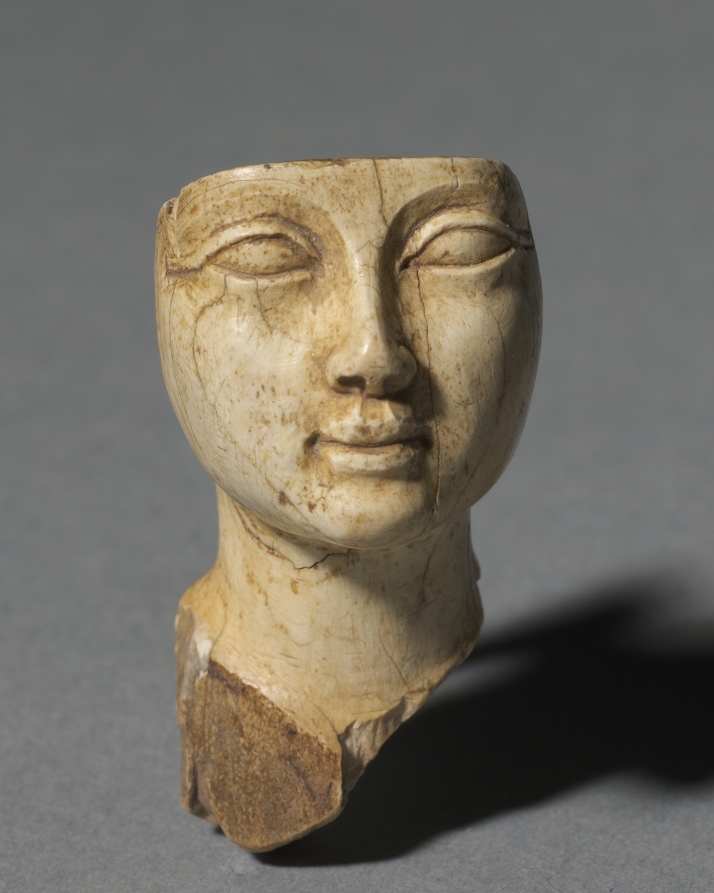
Face from a Cosmetic Spoon
Cleveland Museum of Art
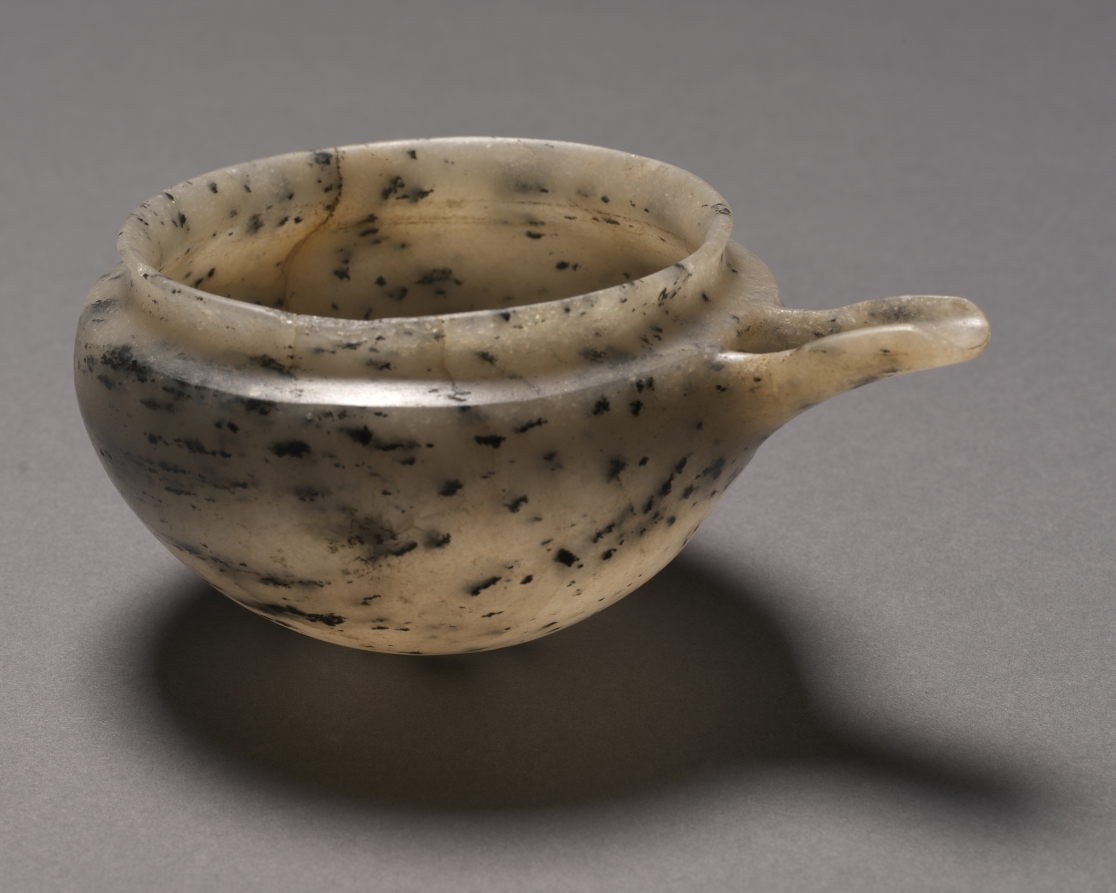
Spouted Bowl
Cleveland Museum of Art

Perfume Bottle in the Form of a Woman
Getty Museum
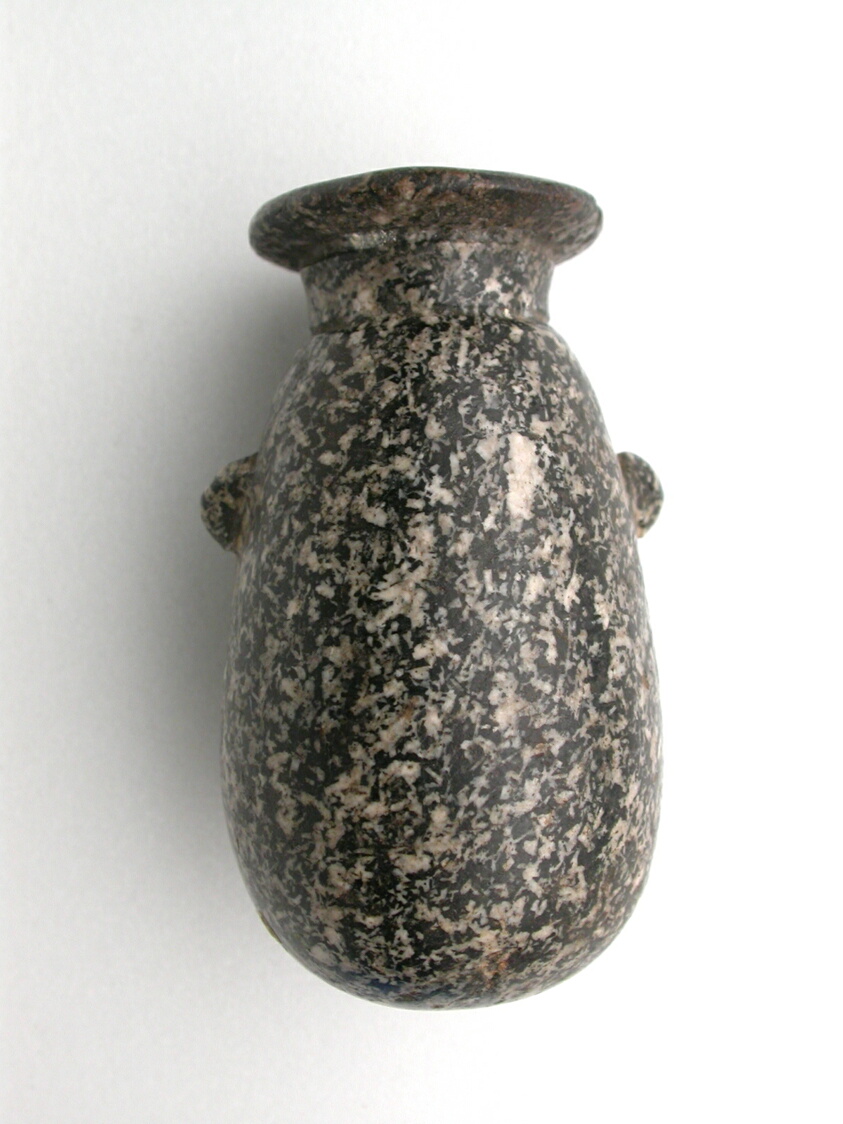
Alabastron (Container for Scented Oil)
Art Institute of Chicago
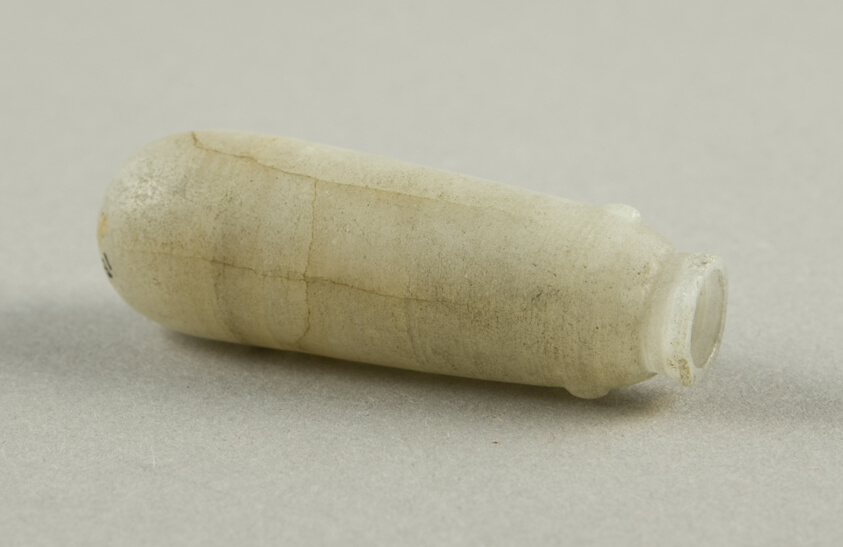
Alabastron (Container for Scented Oil)
Art Institute of Chicago
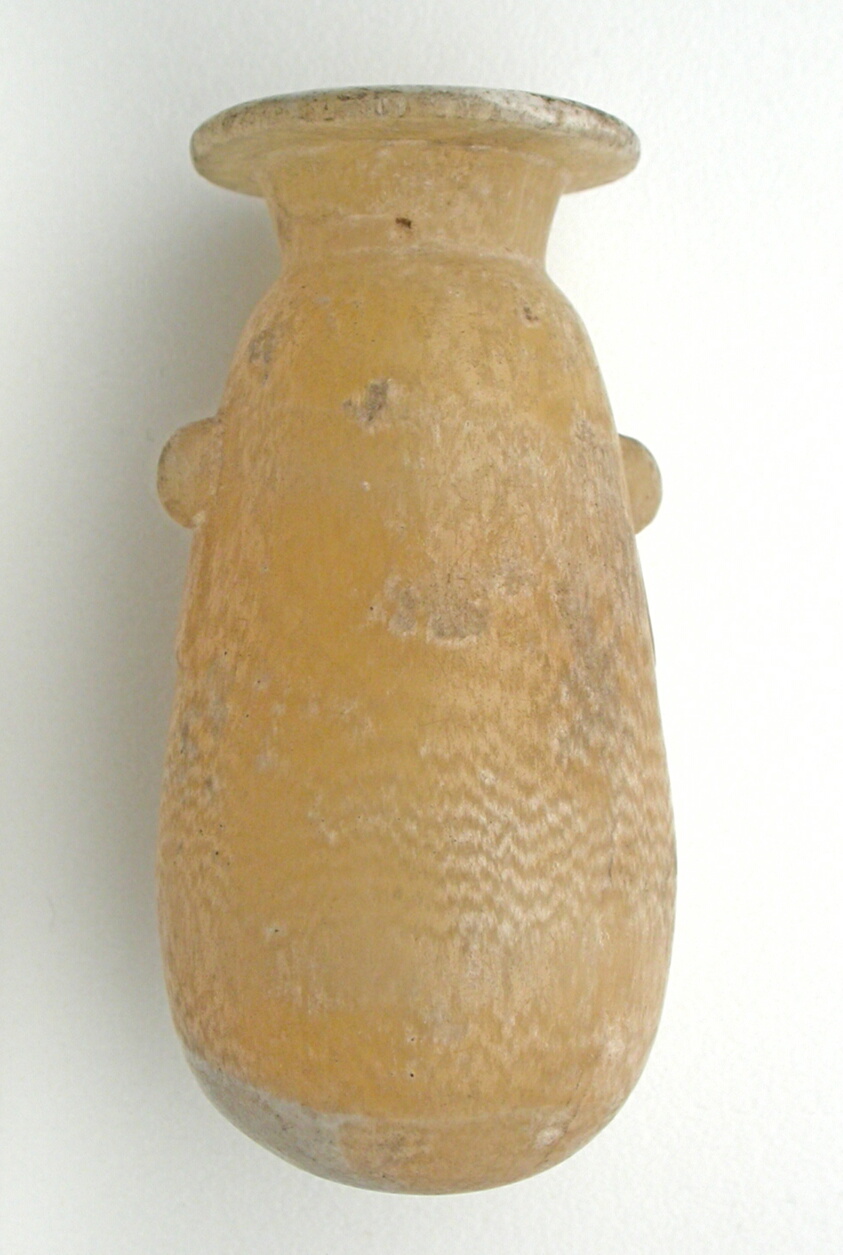
Alabastron (Container for Scented Oil)
Art Institute of Chicago