
Art Institute of Chicago
Weight in the Form of a Frog
Egyptian
- Date
- New Kingdom, about 1550-1069 BCE
- Medium
- Copper alloy
- Culture
- Egypt
- Department
- Arts of Africa
- Institution
- Art Institute of Chicago
Ancient Egyptians used weights, like this small frog, to help calculate the value of goods. One Ancient Egyptian unit of measurement was the qedet , equivalent to about nine grams. While this piece is small, it weighs 36.1 grams, or about 4 qedets . Since some animals were associated with favorable characteristics like strength and affluence, they became a popular form for weights during the New Kingdom. The Ancient Egyptians linked frogs to fertility and rebirth, likely because of the animal’s prolific reproduction. These ties to abundance may have made frogs a suitable form for objects used to determine value.
The authoritative record is held by Art Institute of Chicago. LinkedCulture surfaces this object and its connections; it does not alter institutional metadata.
Linked open data
Authority identifiers that link this record into the wider web of cultural data — stable references you can follow to the source.
- Object type
- AAT300209261
Related across collections
Semantically similar works from Art Institute of Chicago and other institutions.
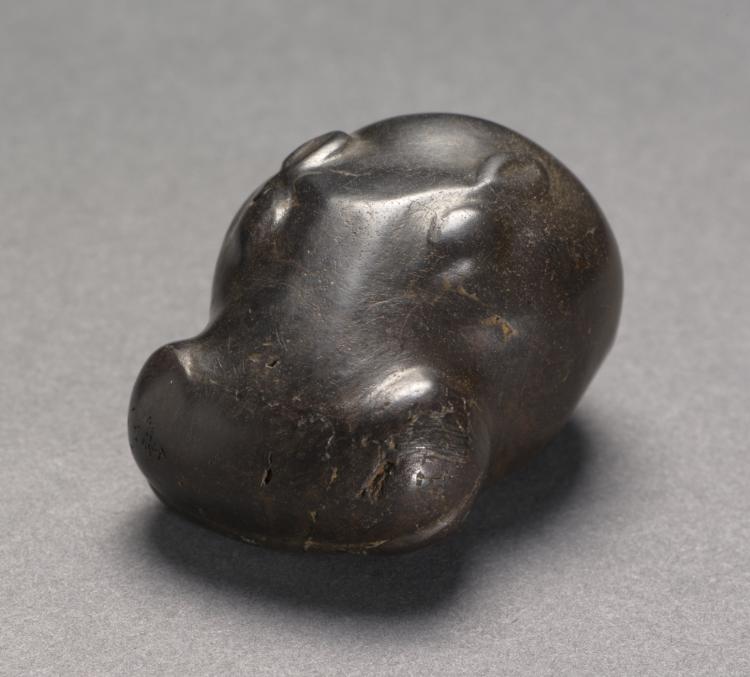
Weight in the Form of a Hippopotamus Head
Cleveland Museum of Art
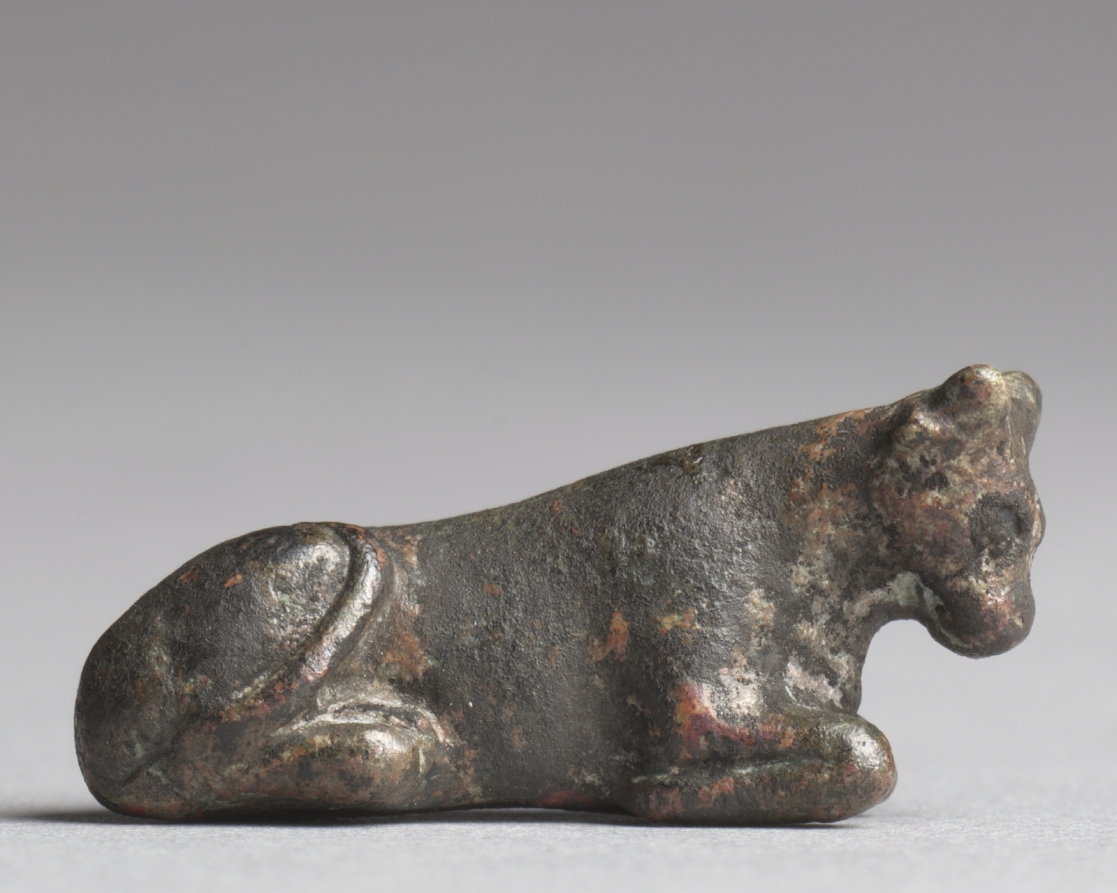
Weight in the Form of a Bull or Cow
Cleveland Museum of Art
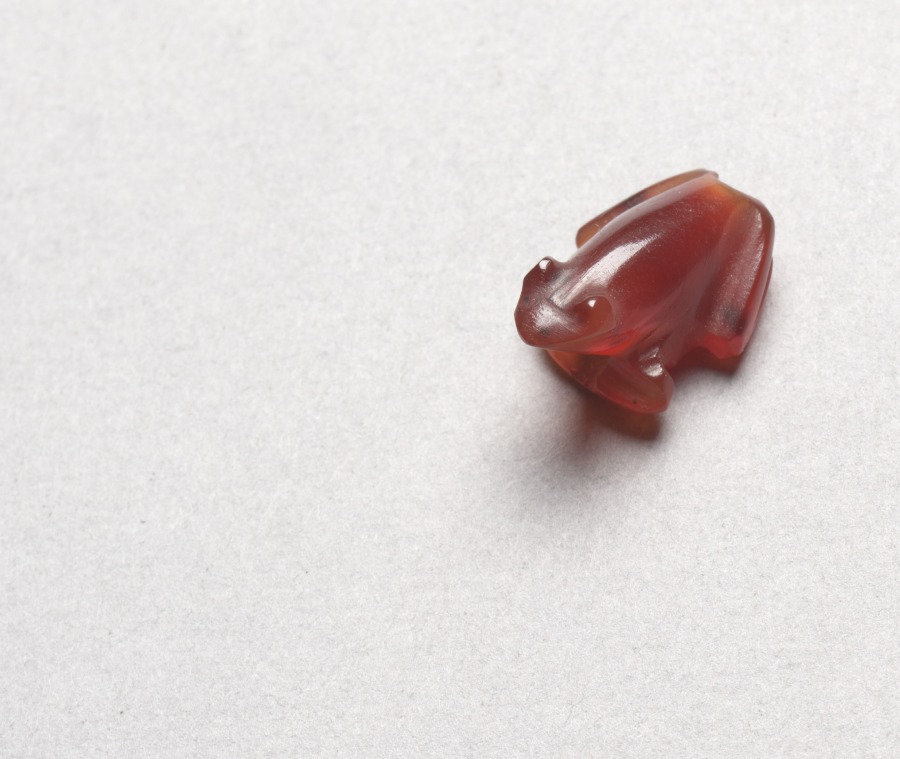
Frog Amulet
Cleveland Museum of Art
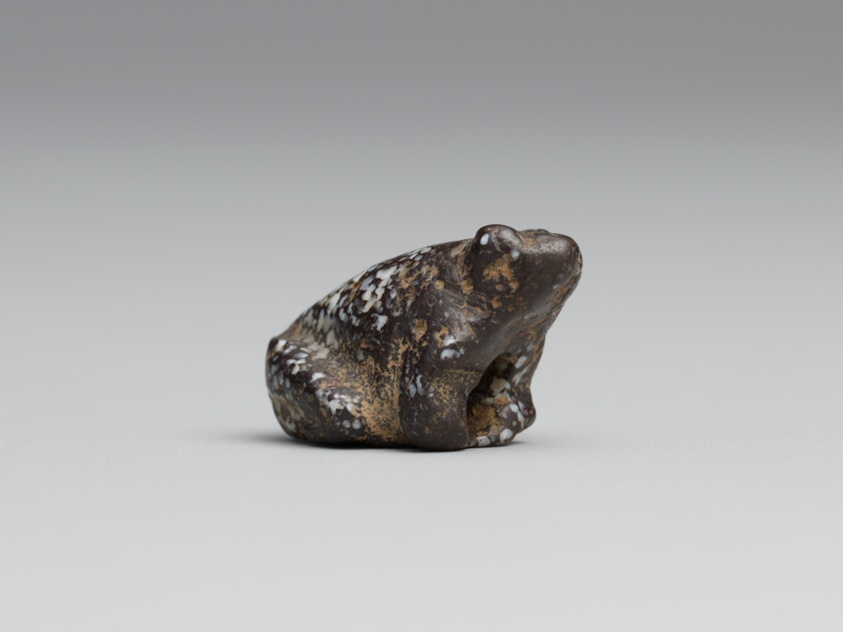
Amulet of a Frog
Art Institute of Chicago
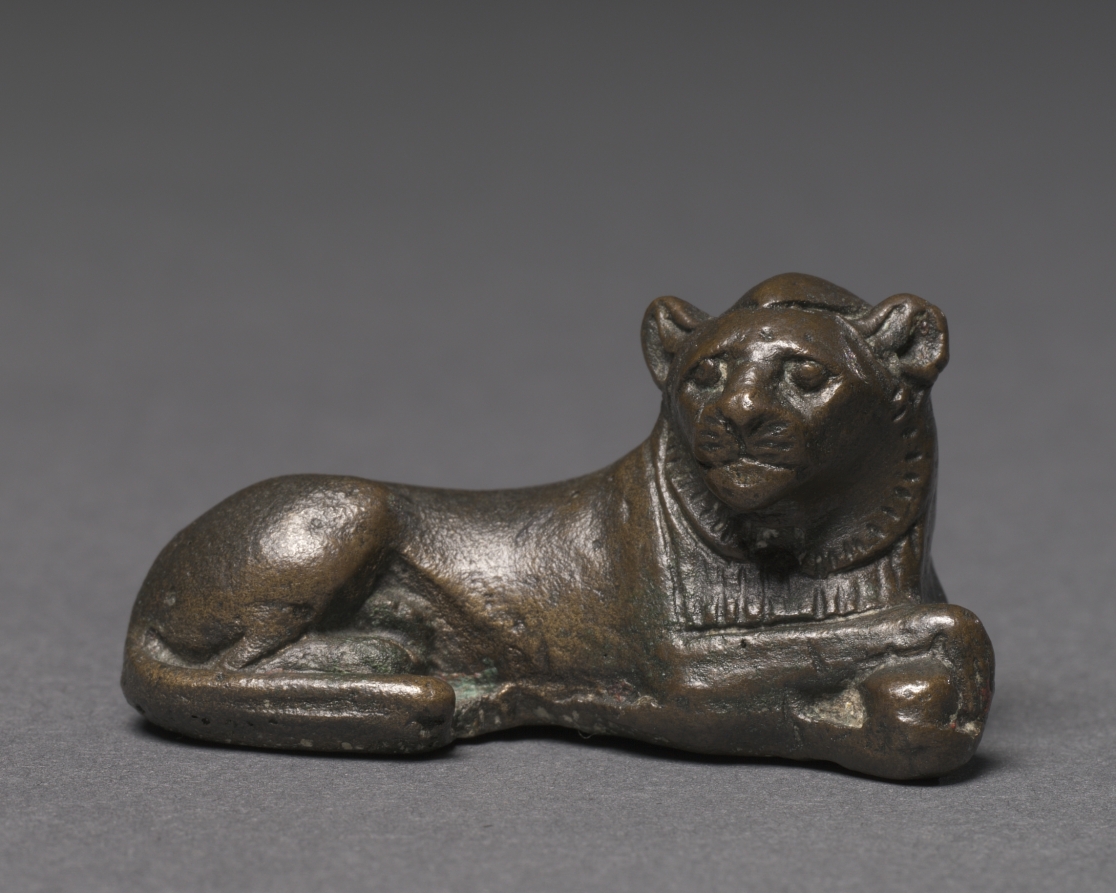
Weight in the Form of a Lion
Cleveland Museum of Art
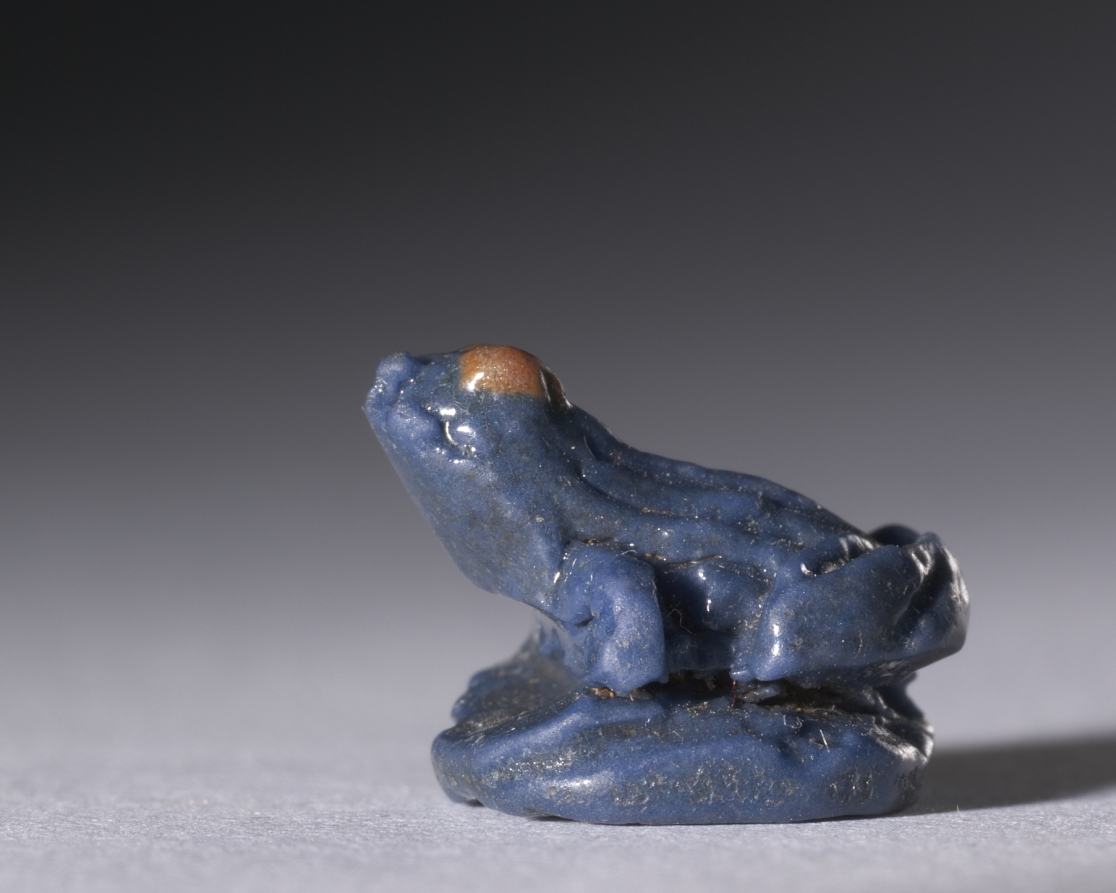
Frog Amulet
Cleveland Museum of Art
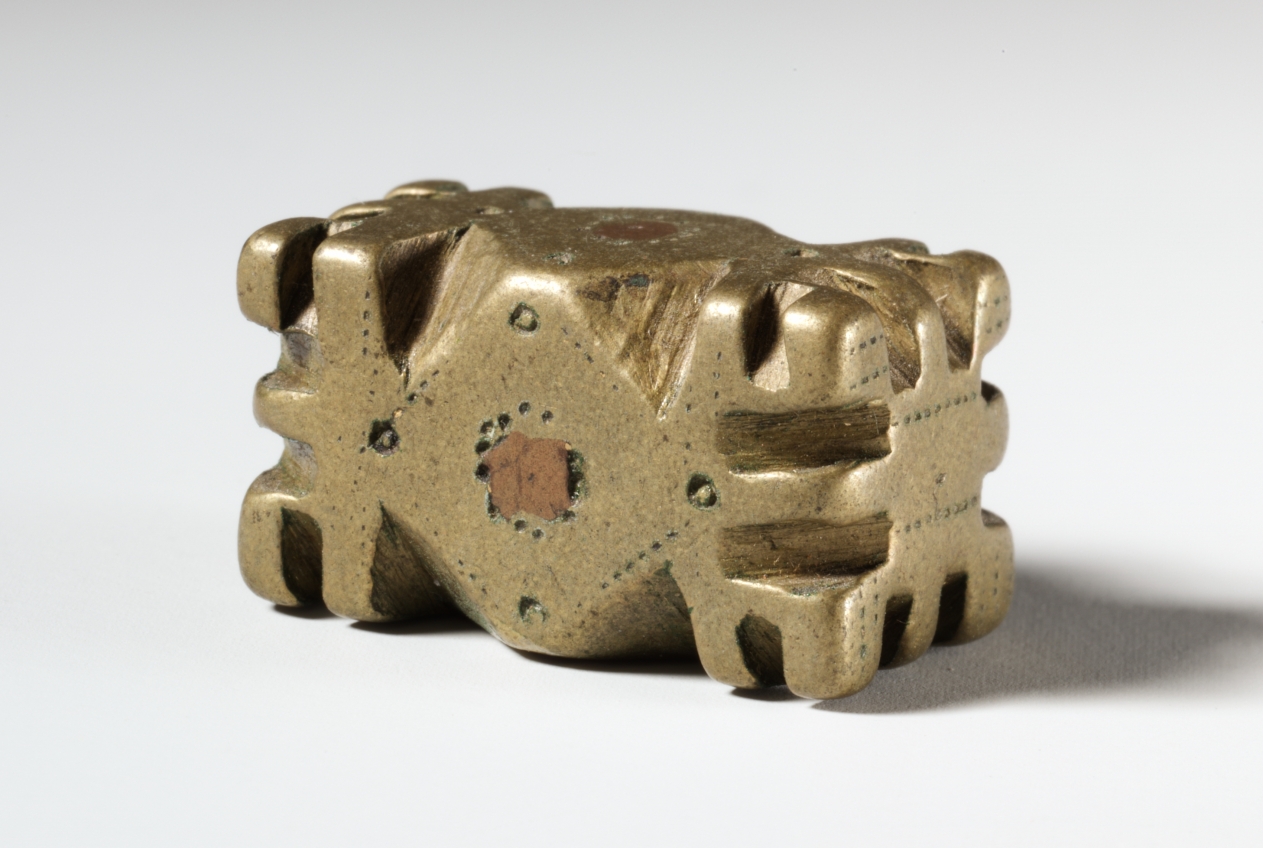
Gold Weight (abrammuo): Geometric Form
Cleveland Museum of Art
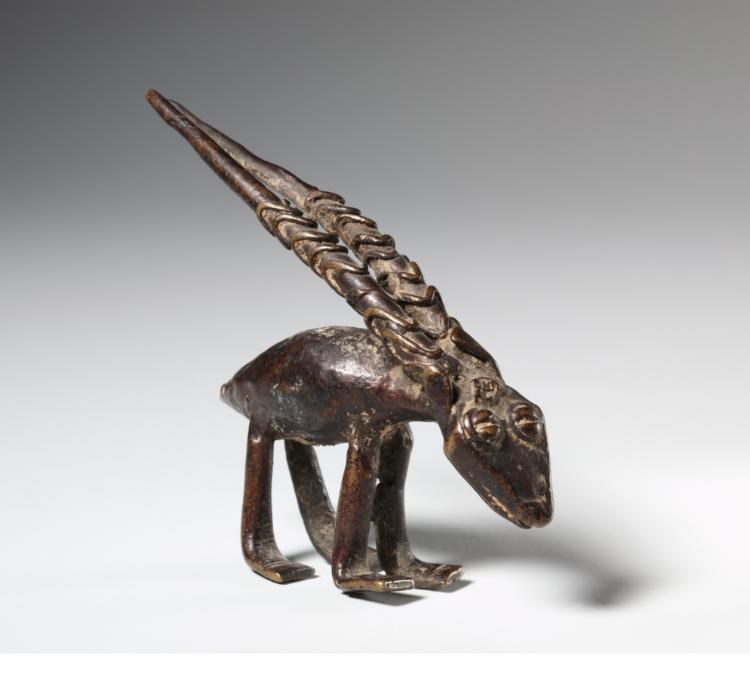
Gold Weight (abrammuo): Antelope
Cleveland Museum of Art
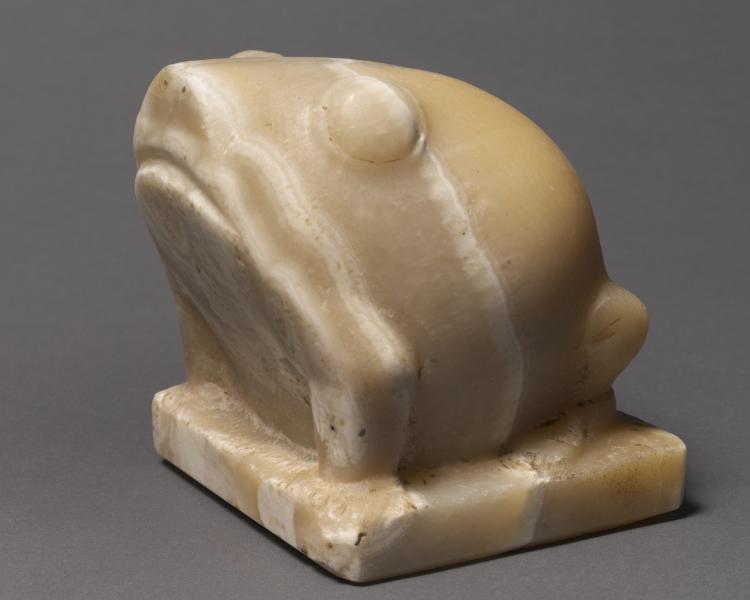
Statue of Heqat, the Frog Goddess
Cleveland Museum of Art

Weight with Amphora
Getty Museum

Weight
Getty Museum
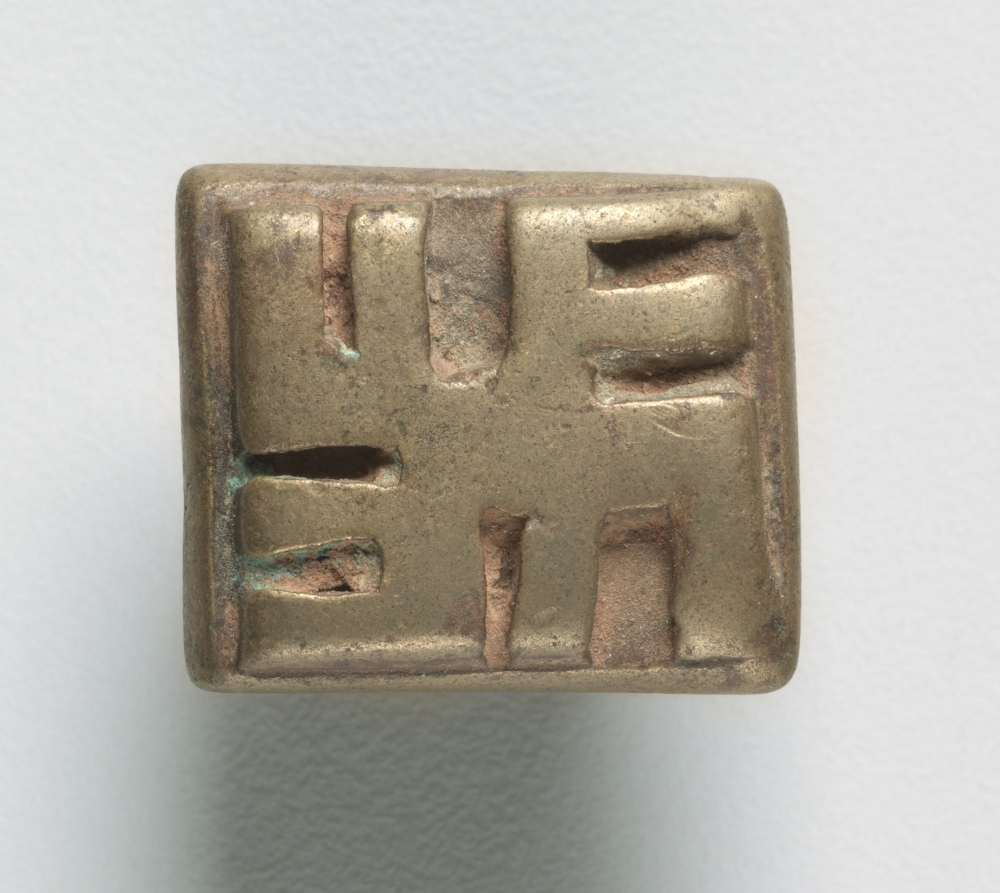
Gold Weight (abrammuo): Geometric
Cleveland Museum of Art