Cleveland Museum of Art
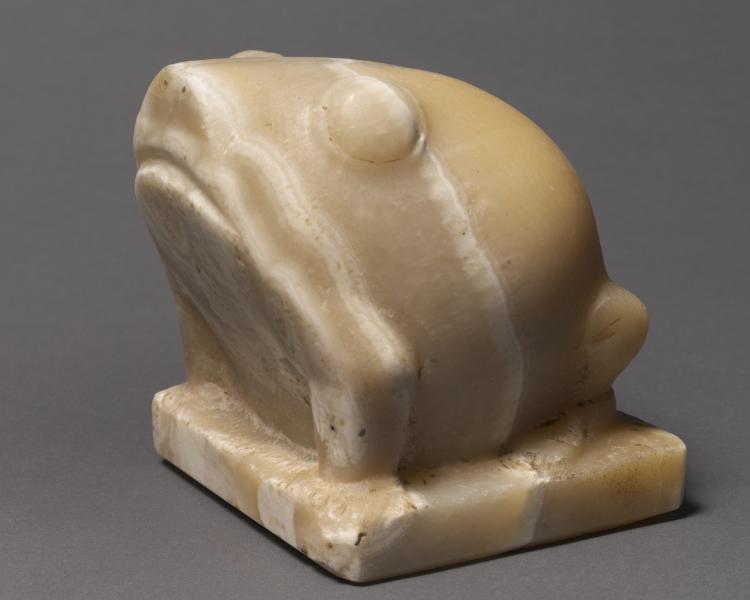
Statue of Heqat, the Frog Goddess
- Date
- c. 2950 BCE
- Medium
- travertine (Egyptian alabaster)
- Culture
- Egypt, Predynastic (5000–2950 BCE), Naqada III (3200–3000 BCE)–Egypt, Early Dynastic (2950–2647 BCE), Dynasty 1
- Department
- Egyptian and Ancient Near Eastern Art
- Institution
- Cleveland Museum of Art
During the Predynastic period statues of animals are much more common than those of humans. This statue of a frog stands at the beginning of a great tradition of animal sculpture in Egyptian art. The sculptor has shown great sensitivity to the natural banding of the stone, using it to enhance the roundness of the animal's form. Small frogs, mostly of faience, are among the most common votive offerings deposited at early temple sites. The frog's exact religious significance in the Predynastic period is unknown, but in later times it was most often identified with Heqat, the goddess who assisted at childbirth. This probably represents a puffed-up Bufo viridis , one of two types of "frogs" (it is actually a toad) represented in Egyptian art.
The authoritative record is held by Cleveland Museum of Art. LinkedCulture surfaces this object and its connections; it does not alter institutional metadata.
Related across collections
Semantically similar works from Cleveland Museum of Art and other institutions.
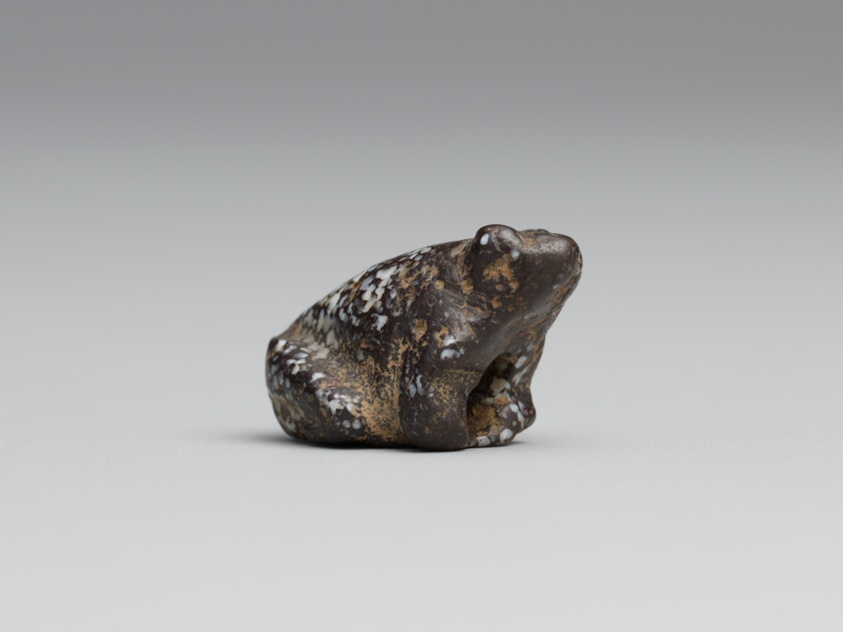
Amulet of a Frog
Art Institute of Chicago
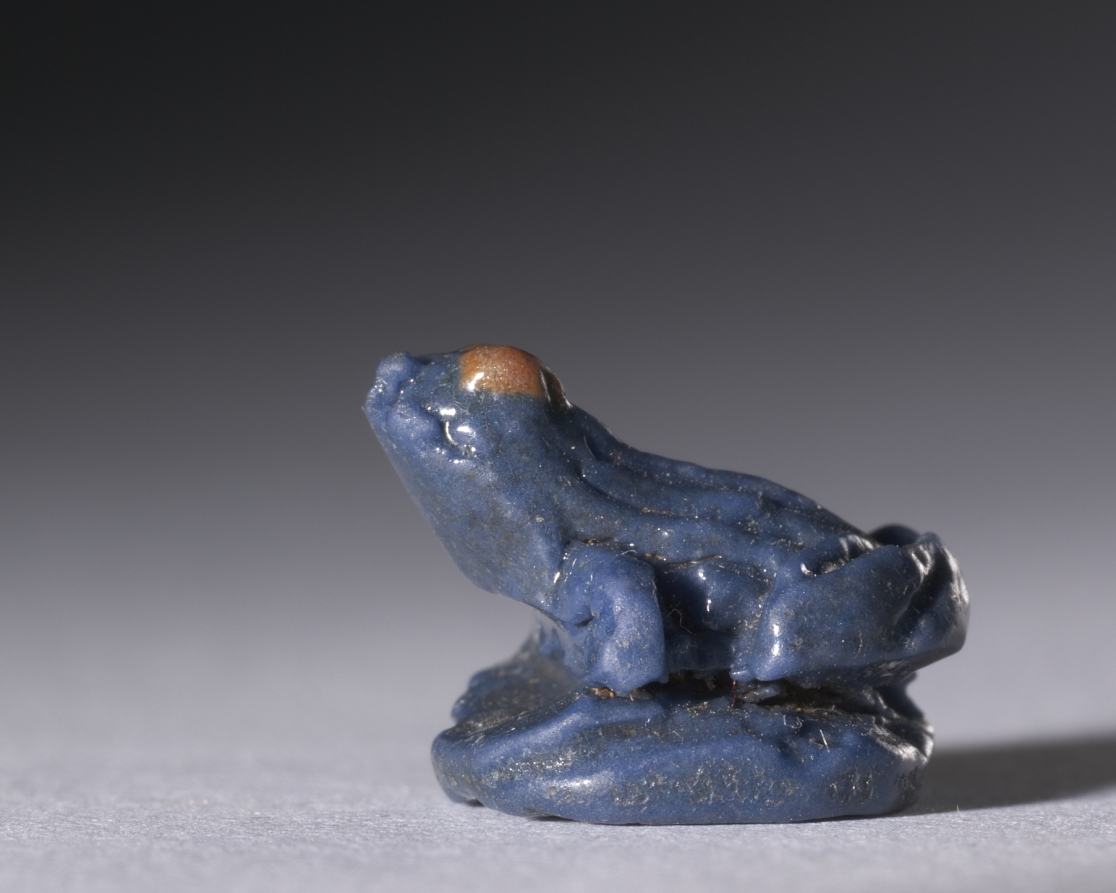
Frog Amulet
Cleveland Museum of Art
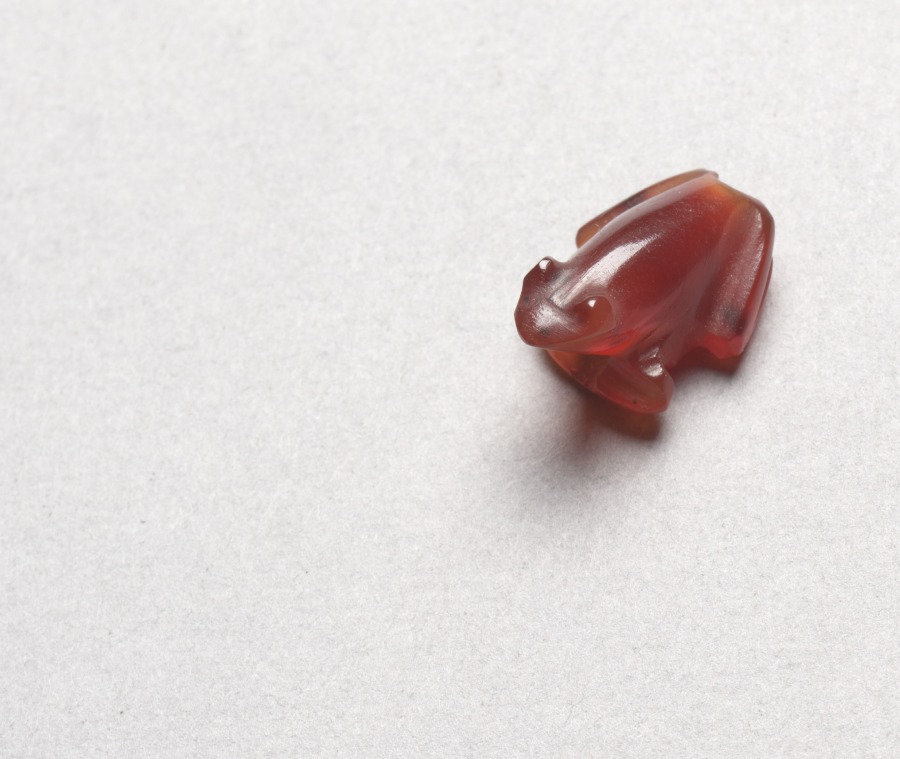
Frog Amulet
Cleveland Museum of Art
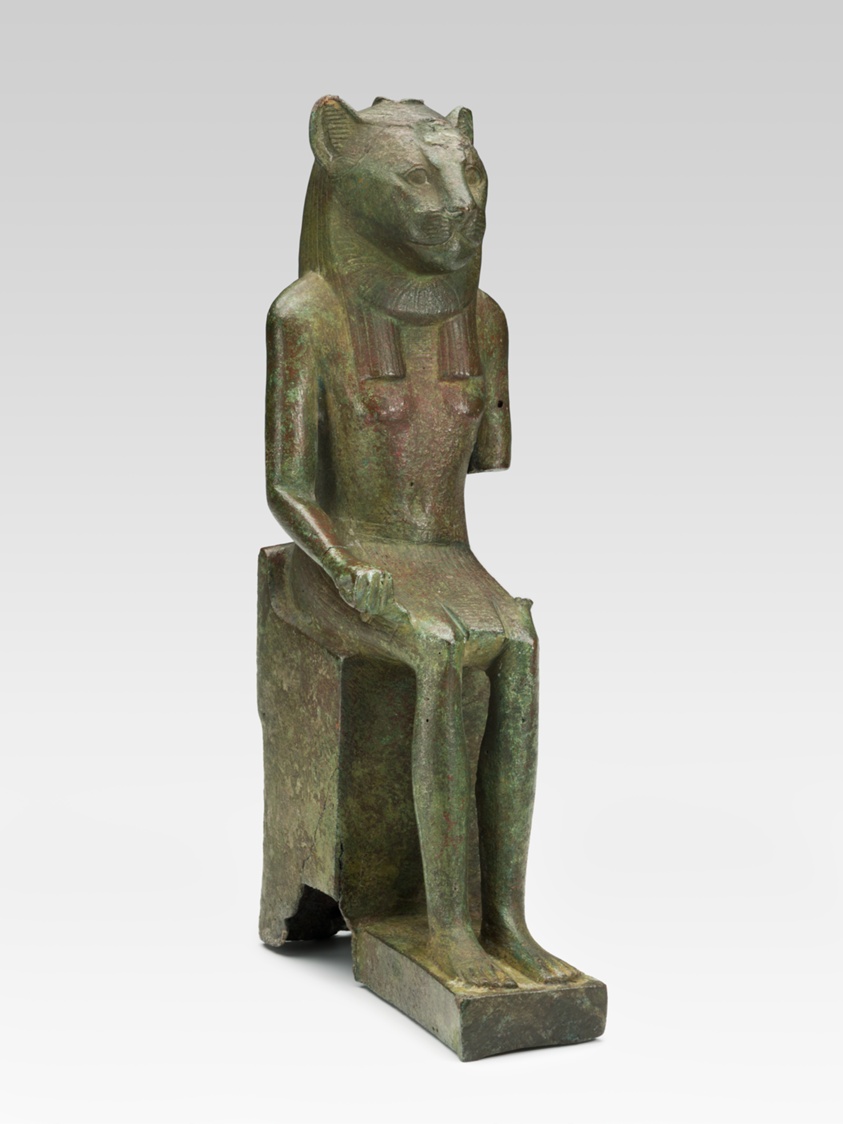
Statuette of a Lion-headed God, probably Horus of Buto
Art Institute of Chicago
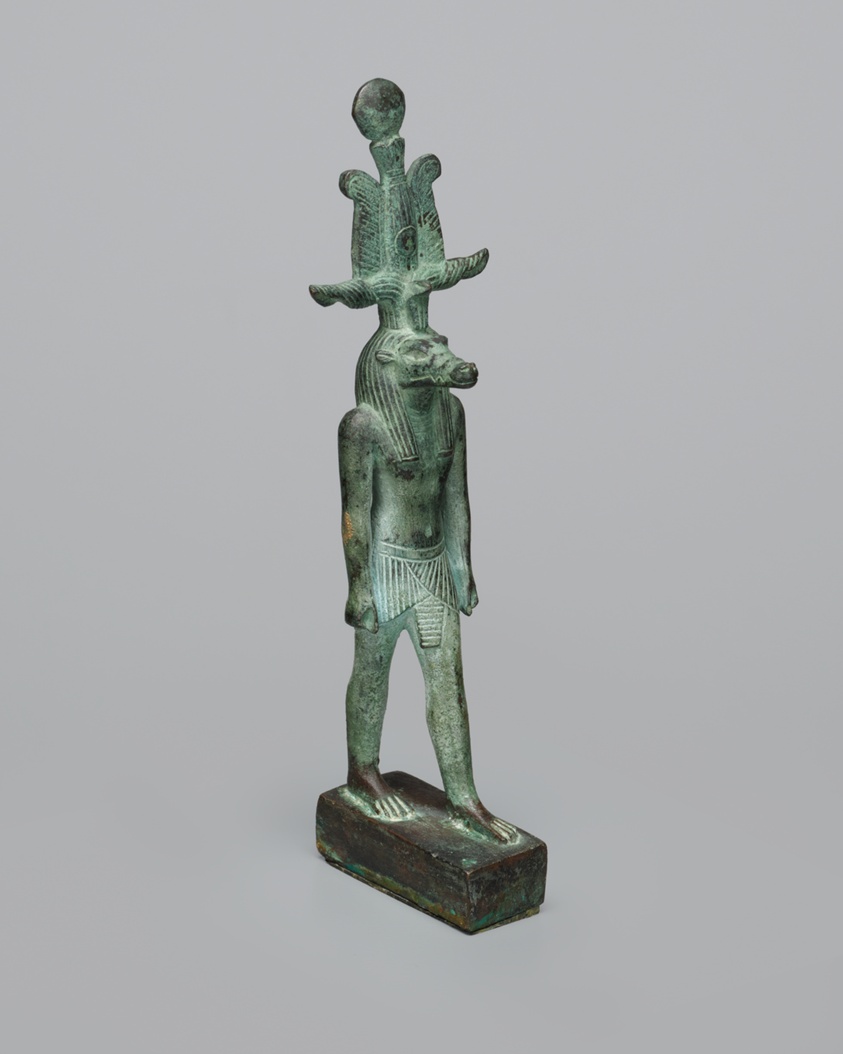
Statuette of Sobek
Art Institute of Chicago

Baboon (Moon God Thoth)
Minneapolis Institute of Art
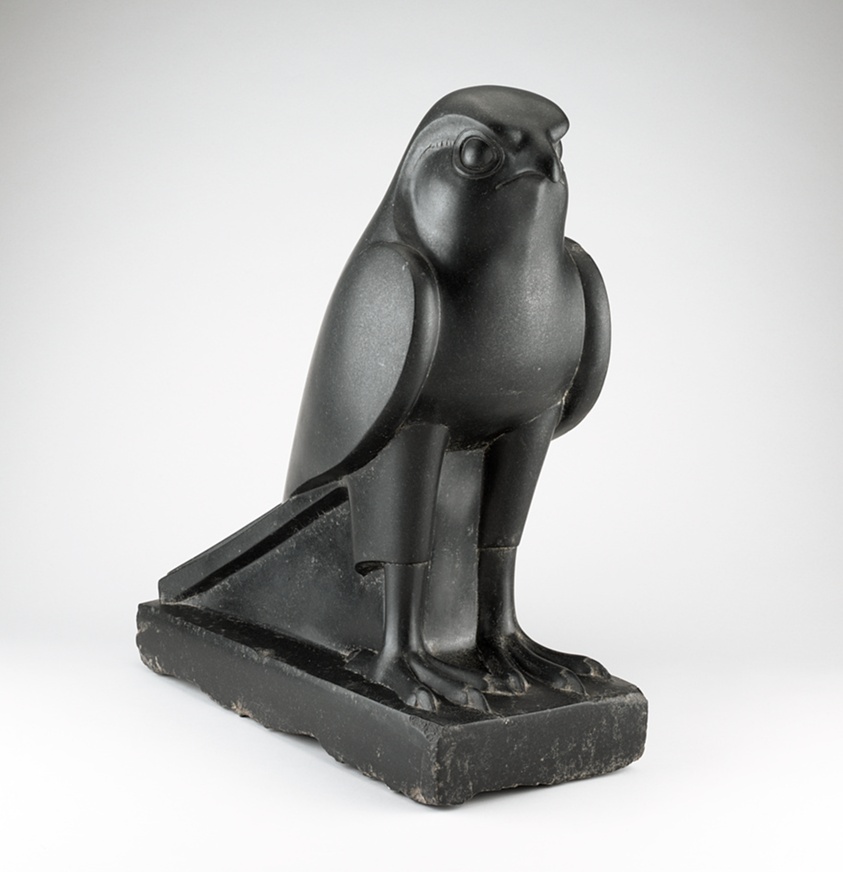
Statue of Horus
Art Institute of Chicago
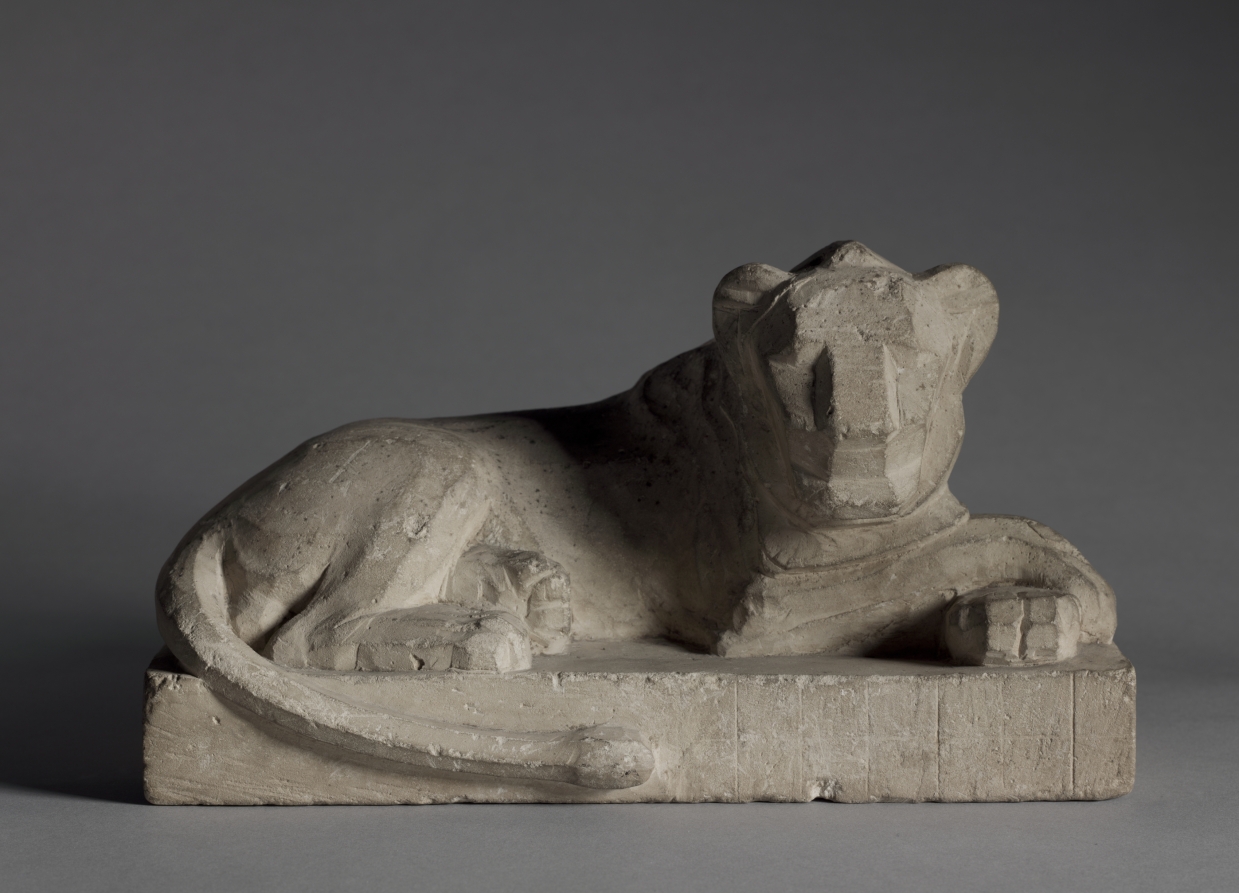
Statuette of a Lion
Cleveland Museum of Art
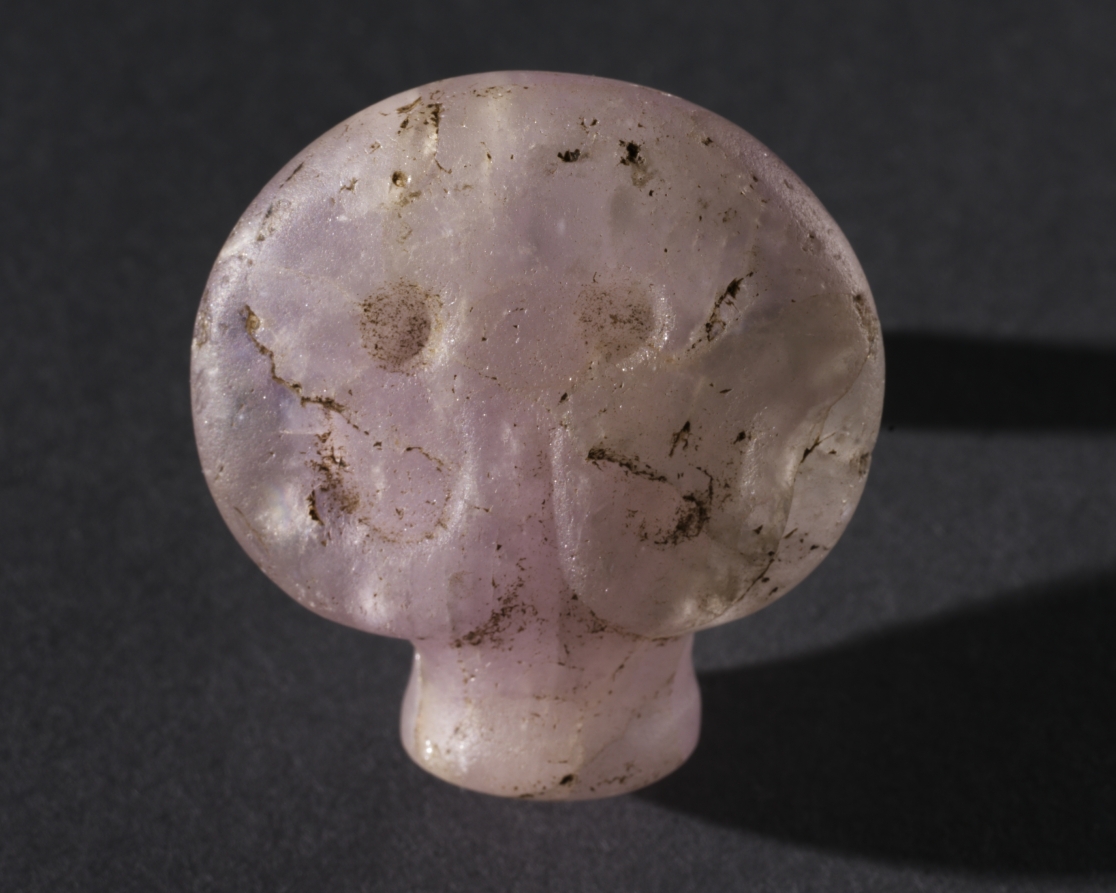
Bull's-Head Amulet
Cleveland Museum of Art
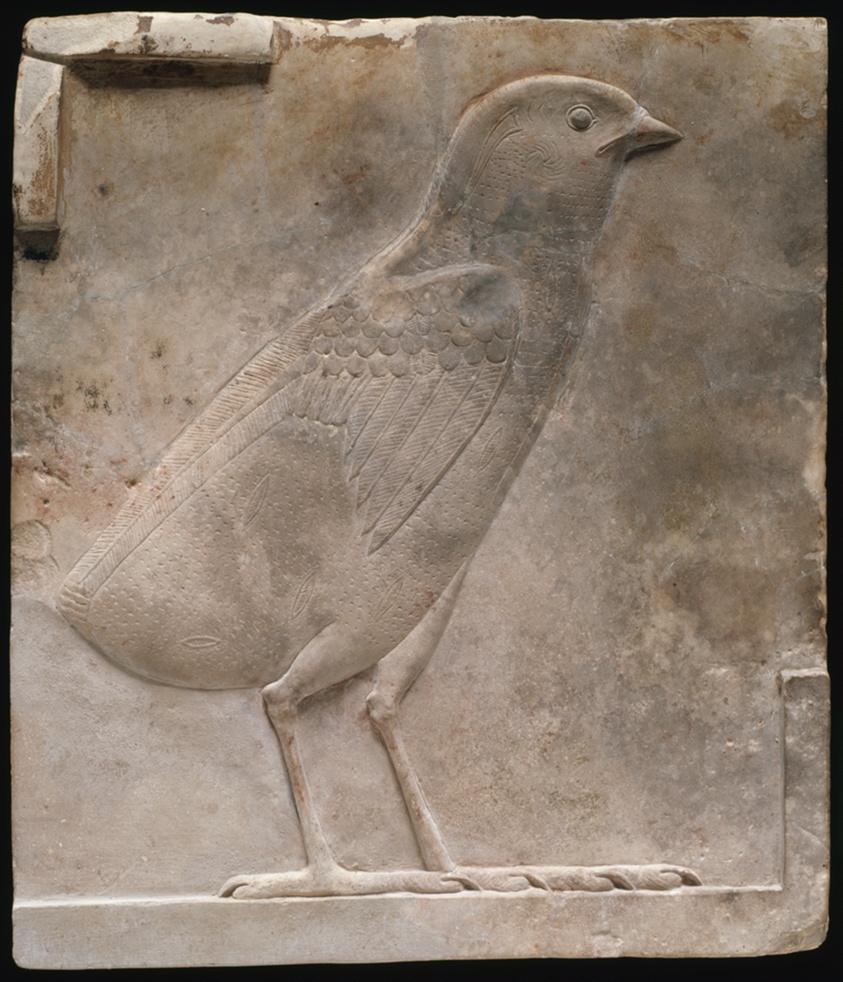
Plaque Depicting a Quail Chick
Art Institute of Chicago
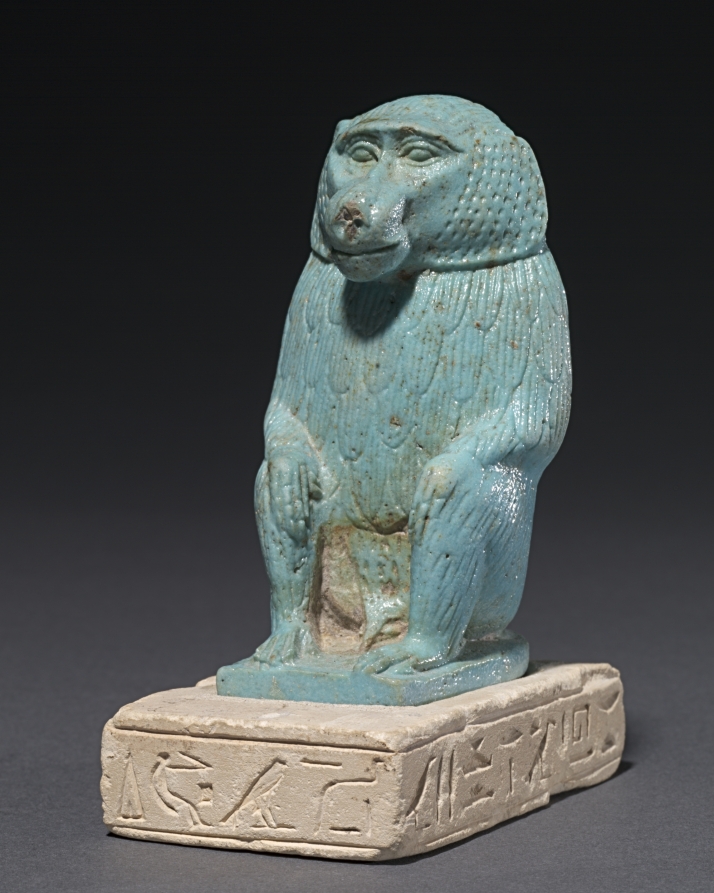
Baboon on a Limestone Base
Cleveland Museum of Art

Weight in the Form of a Frog
Art Institute of Chicago