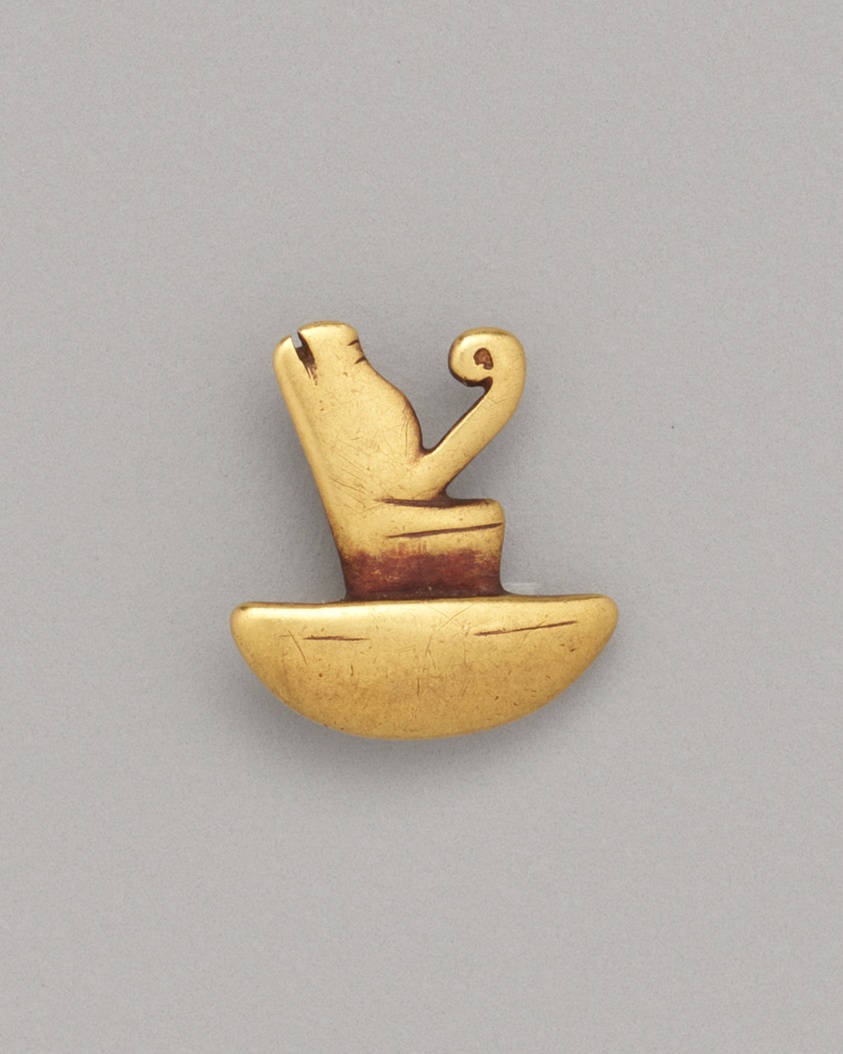
Art Institute of Chicago
Double Crown Amulet
Egyptian
- Date
- Ptolemaic Period (332–30 BCE)
- Medium
- Gold
- Culture
- Egypt
- Department
- Arts of Africa
- Institution
- Art Institute of Chicago
Small-scale Egyptian figurines, known as amulets, were thought to promote health and good luck. Amulets were such an important part of Egyptian religious beliefs that they were worn by both the living and the dead. They could be mounted on rings or strung as bracelets or necklaces and were placed among the mummy wrappings to secure the deceased’s rebirth and well-being in the afterlife. Many varieties of amulets survive, including figures of deities, parts of the human (ordivine) body, animals, plants, and objects of daily life. The crowns of Northern and Southern Egypt are shown atop a half basket which is the hieroglyph for “all” or “lord.” Therefore, this amulet may express the wish that the deceased, as a form of Osiris, rule over all Egypt.
The authoritative record is held by Art Institute of Chicago. LinkedCulture surfaces this object and its connections; it does not alter institutional metadata.
Linked open data
Authority identifiers that link this record into the wider web of cultural data — stable references you can follow to the source.
- Object type
- AAT300209261
Related across collections
Semantically similar works from Art Institute of Chicago and other institutions.
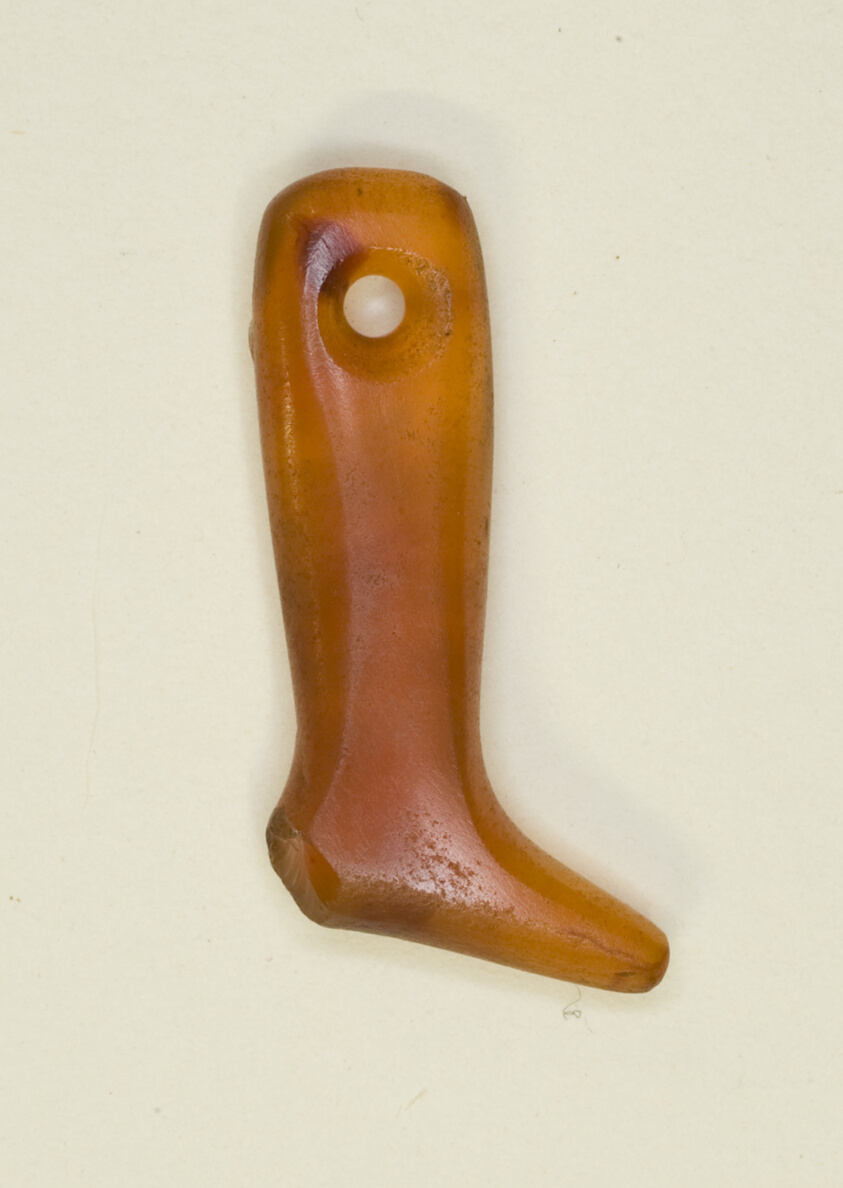
Amulet of a Leg and Foot
Art Institute of Chicago
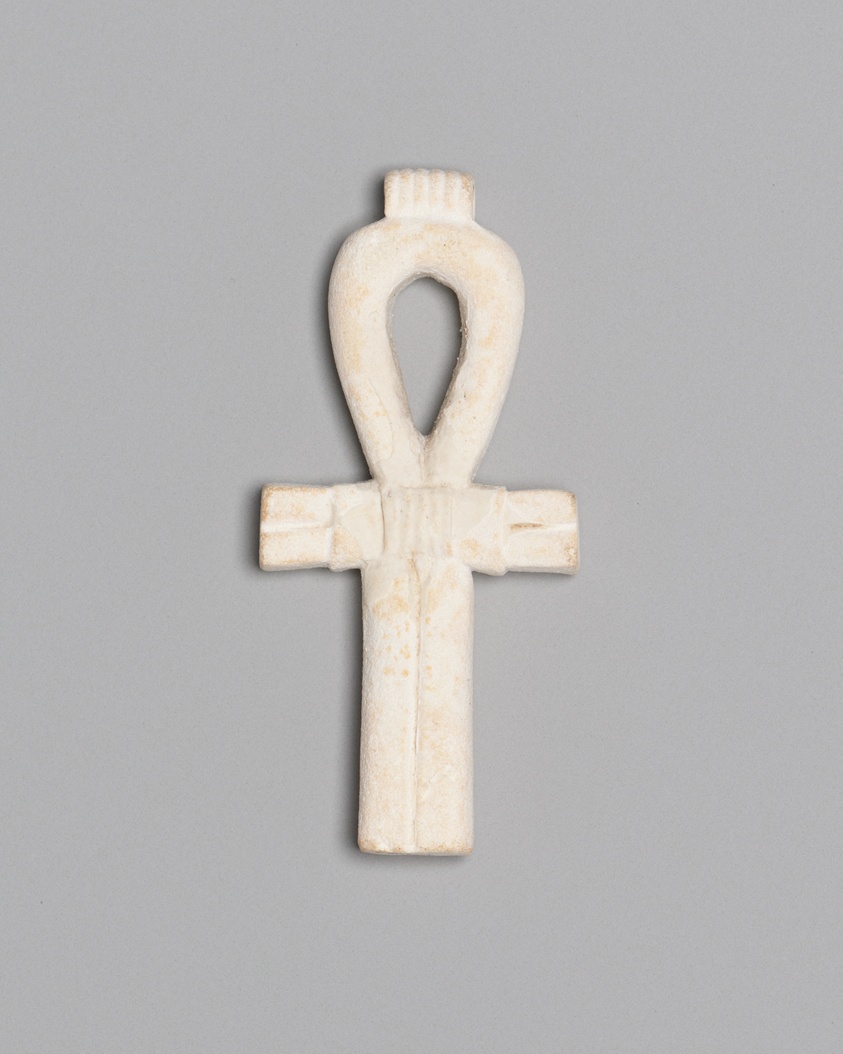
Amulet of an Ankh
Art Institute of Chicago
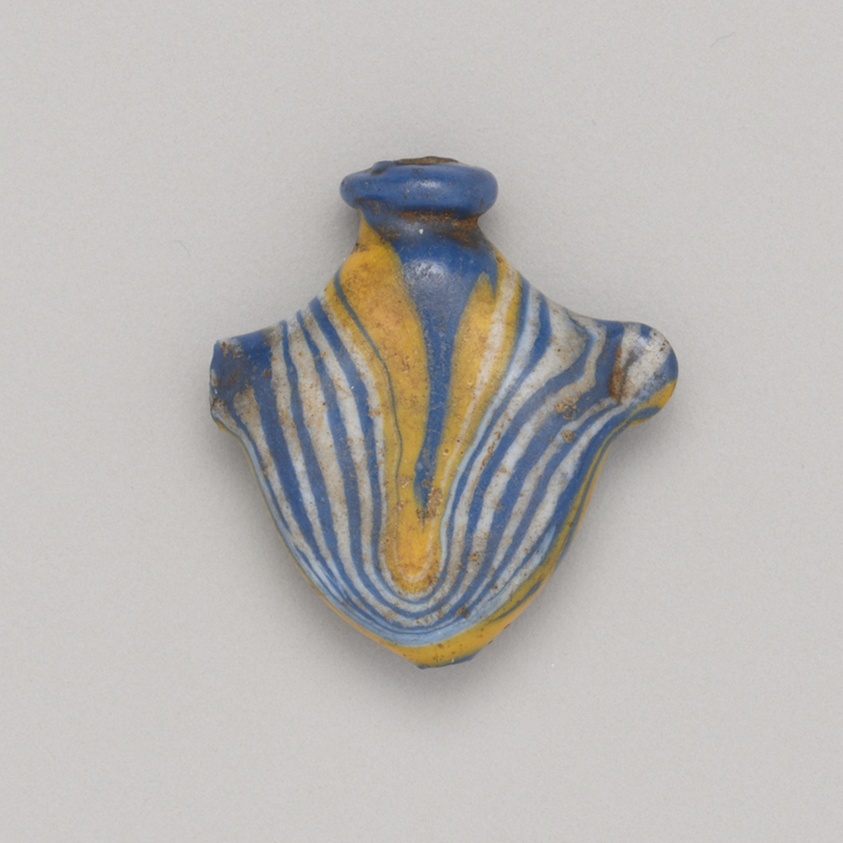
Amulet of a Heart
Art Institute of Chicago

Amulet of a Leg and Foot
Art Institute of Chicago
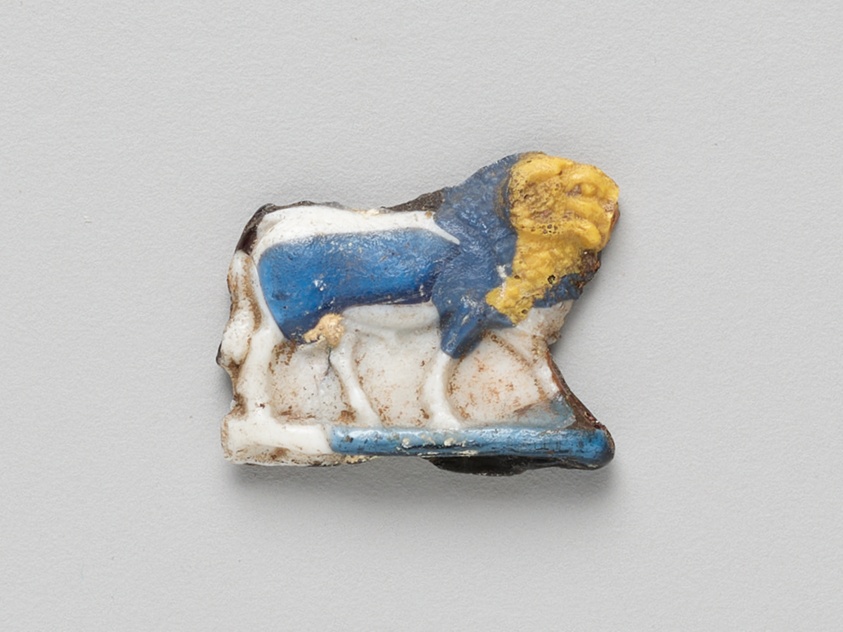
Ram Amulet
Art Institute of Chicago
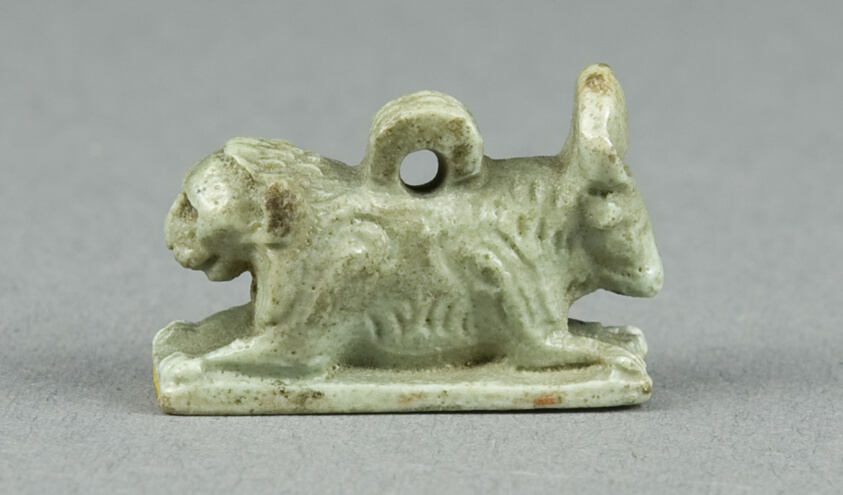
Amulet of a Double Animal: Lion and Bull
Art Institute of Chicago

Scarab
Minneapolis Institute of Art
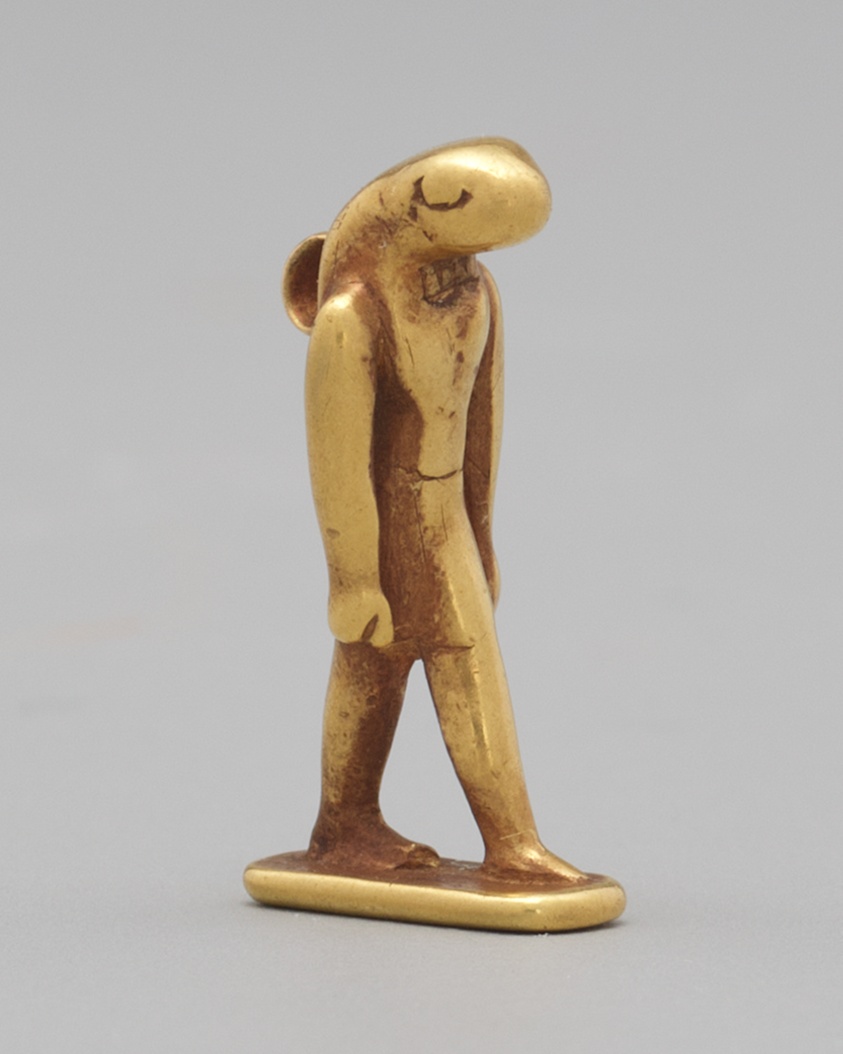
Nehebkau Amulet
Art Institute of Chicago
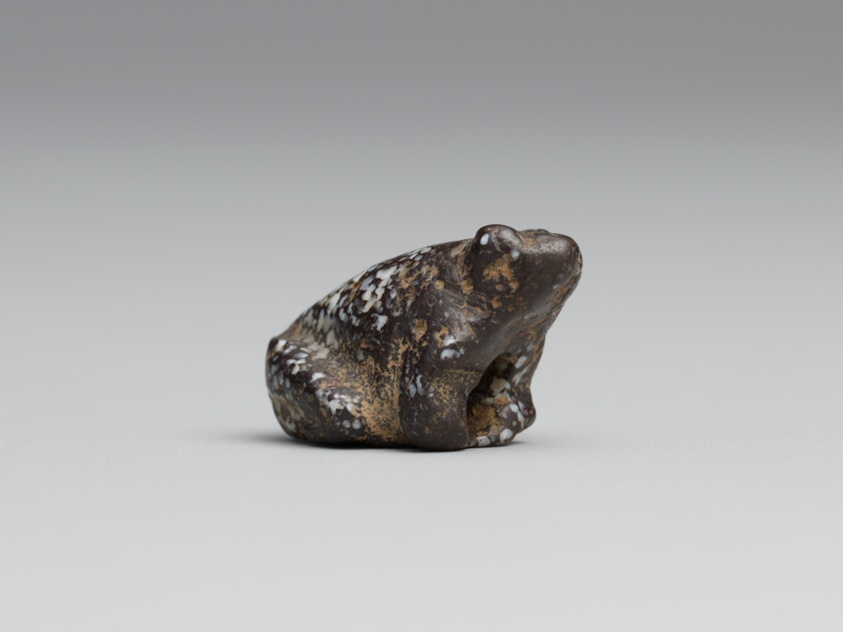
Amulet of a Frog
Art Institute of Chicago
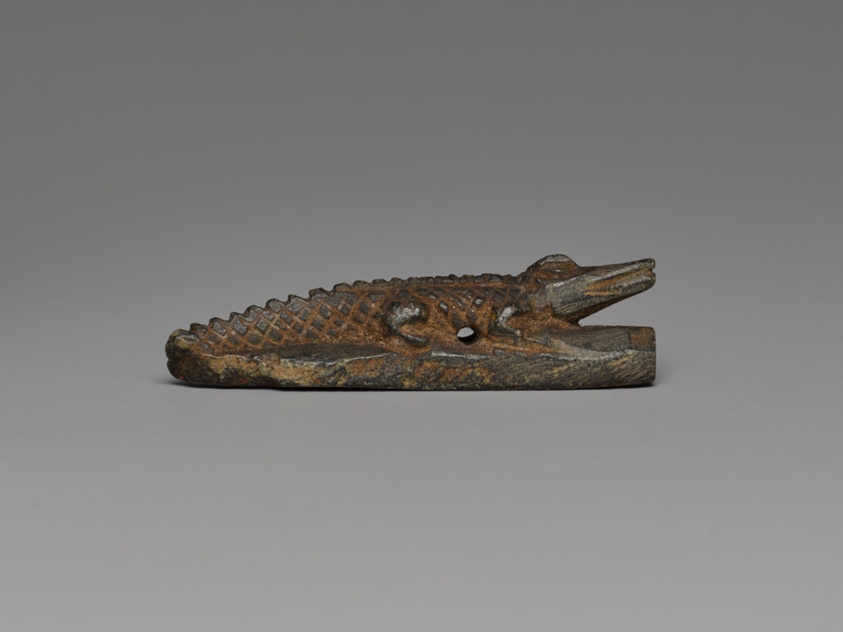
Amulet of a Crocodile
Art Institute of Chicago
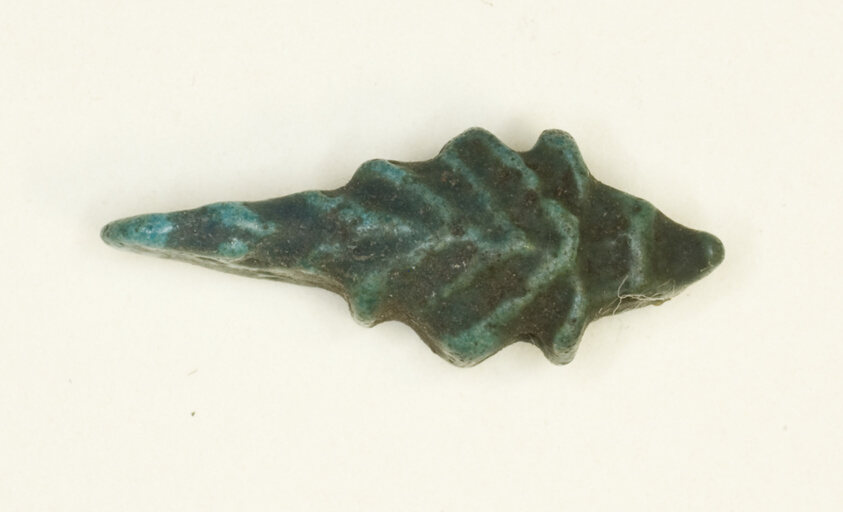
Amulet of a Crocodile
Art Institute of Chicago
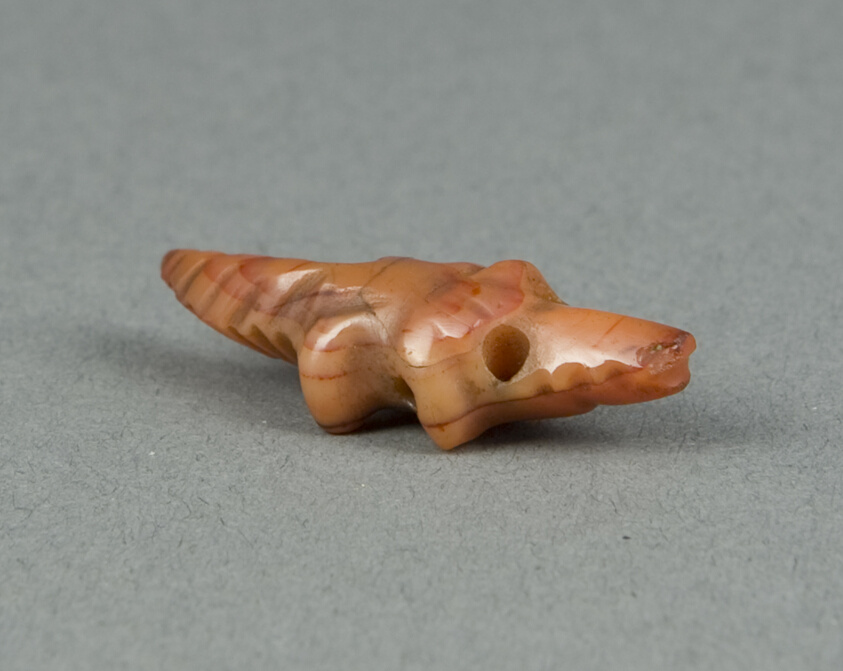
Amulet of a Crocodile
Art Institute of Chicago