Art Institute of Chicago
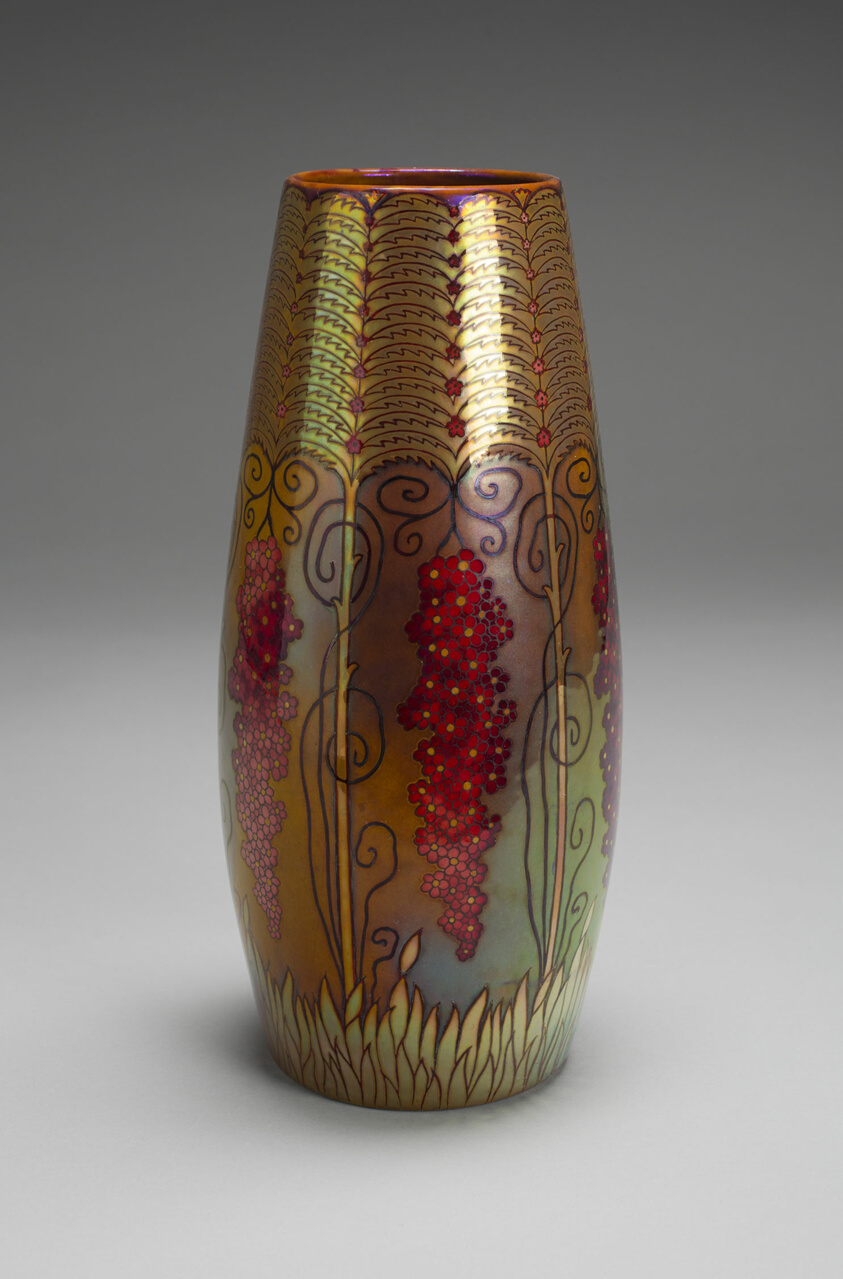
Vase
Design attributed to József Rippl-Rónai
- Date
- 1898/1900
- Medium
- Lead-glazed earthenware with iridescent glazes
- Culture
- Hungary
- Department
- Applied Arts of Europe
- Institution
- Art Institute of Chicago
The iridescent colors of this vase were made using the eosin glazing process, a technique perfected in 1893 at Zsolnay, the preeminent Hungarian ceramics manufactory at the turn of the 20th century. The decoration of the vase—including stylized depictions of golden trees and pendant clusters of pink and ruby flowers—is attributed to József Rippl-Rónai who also designed other decorative arts. Rippl-Rónai spent 15 years in Paris, where he was part of a collective of young painters known as the Nabis (Prophets), a group that included Pierre Bonnard, Édouard Vuillard, and Maurice Denis.
The authoritative record is held by Art Institute of Chicago. LinkedCulture surfaces this object and its connections; it does not alter institutional metadata.
Linked open data
Authority identifiers that link this record into the wider web of cultural data — stable references you can follow to the source.
- Object type
- AAT300386308
Related across collections
Semantically similar works from Art Institute of Chicago and other institutions.

Grand vase
Minneapolis Institute of Art

Vase
Minneapolis Institute of Art

Vase
Minneapolis Institute of Art
Vase
Art Institute of Chicago

Floriform vase
Minneapolis Institute of Art

Vase
Getty Museum
Bottle-Shaped Vase
Art Institute of Chicago
Vase (Vase étrusque à rouleau)
Art Institute of Chicago

Covered Vase
Minneapolis Institute of Art

Vase
Minneapolis Institute of Art

Covered vase, one of a pair
Minneapolis Institute of Art
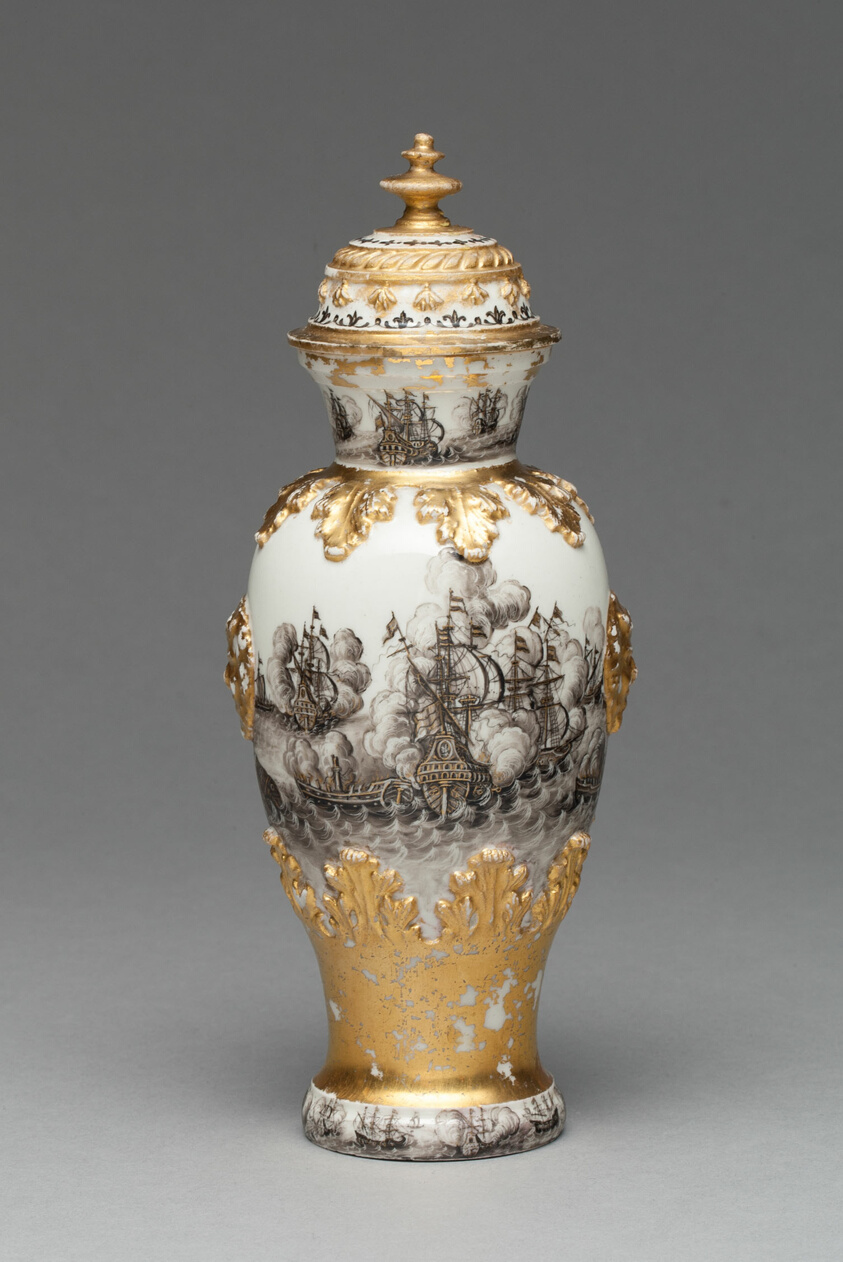
Vase and Cover (one of a pair)
Art Institute of Chicago