Art Institute of Chicago
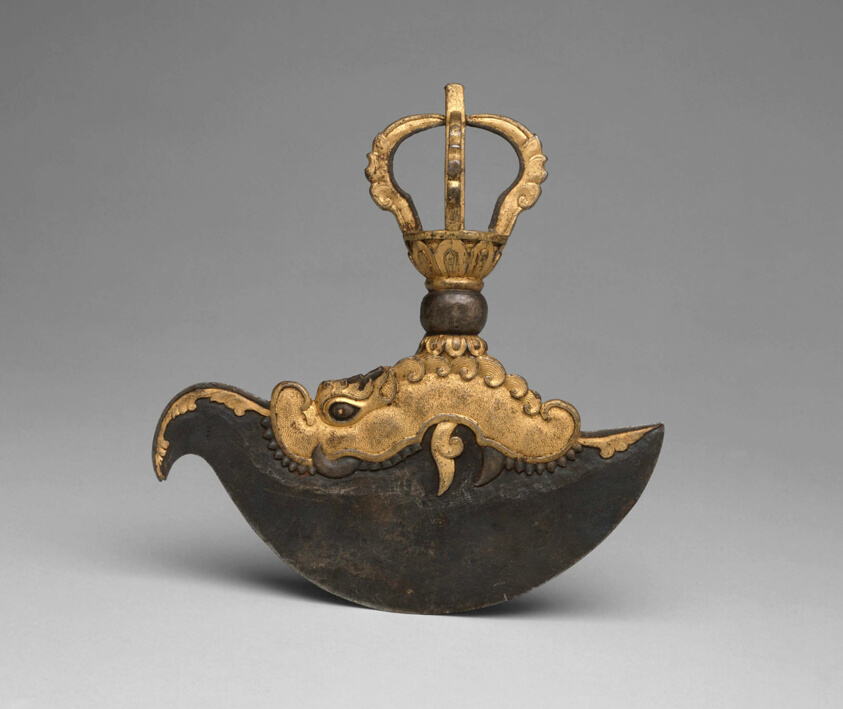
Ritual Flaying Knife (Kartrika)
Tibet
- Date
- 17th/18th century
- Medium
- Gilt iron
- Culture
- Tibet
- Department
- Arts of Asia
- Institution
- Art Institute of Chicago
The flaying knife (kartrika) is one of the most prominent weapons used by Tantric Buddhism's angry deities, both male and female, especially the Mahakala and the Vajrayogini class of deities. They typically brandish a flaying knife in one hand and a skullcup (kapala) in the other. The blade, which is surmounted by the flayed mantle of a stylized lion, terminates in a sharp point or curved hook, and combines the flaying implements of a cutting-knife and scraping blade with the piercing activity of a dagger or pulling-hook. The handle usually consists of a half vajra, or thunderbolt, as here, and is a quintessential symbol of Vajrayana Buddhism. In visual images and in the literature, the kartrika is used as a blade to skin the hides of demons, animals, and humans. Conceptually, its purpose is to cut up disbelievers, and to kill ignorance.
The authoritative record is held by Art Institute of Chicago. LinkedCulture surfaces this object and its connections; it does not alter institutional metadata.
Linked open data
Authority identifiers that link this record into the wider web of cultural data — stable references you can follow to the source.
- Object type
- AAT300312158
Related across collections
Semantically similar works from Art Institute of Chicago and other institutions.
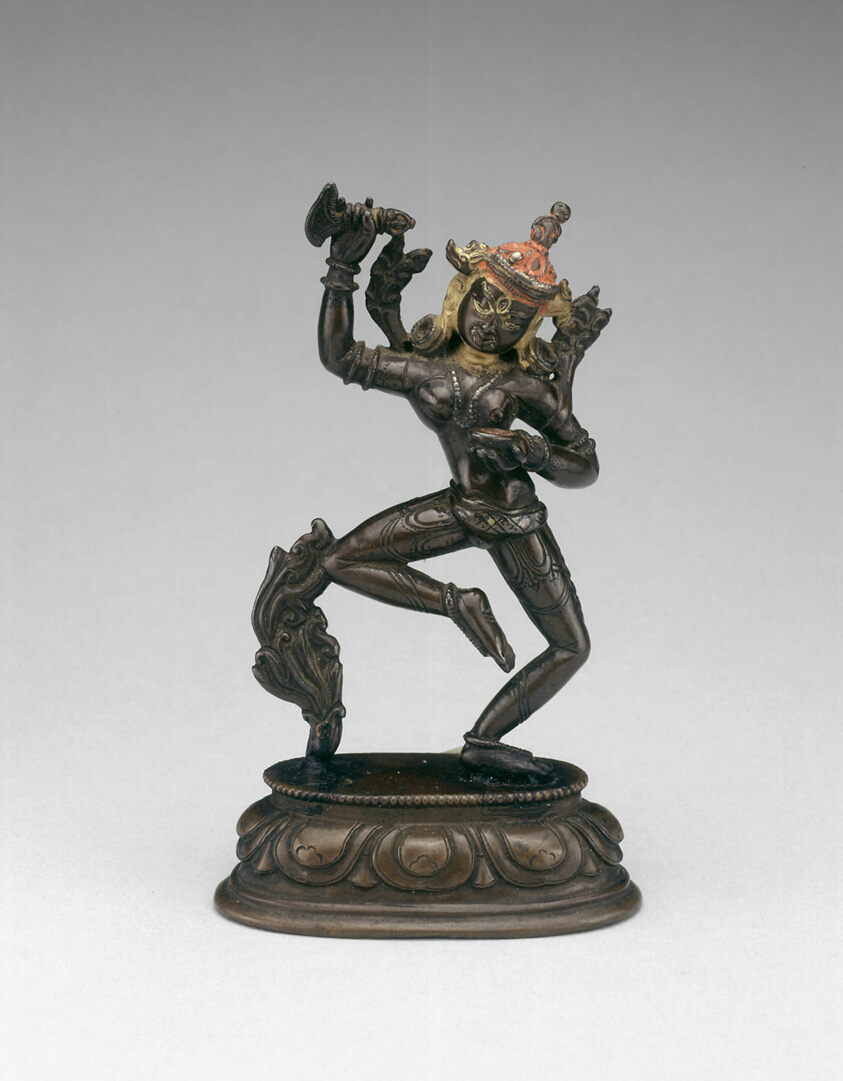
Goddess Vajravarahi Dancing with Chopper (karttrika) and Skullcup (kapala)
Art Institute of Chicago
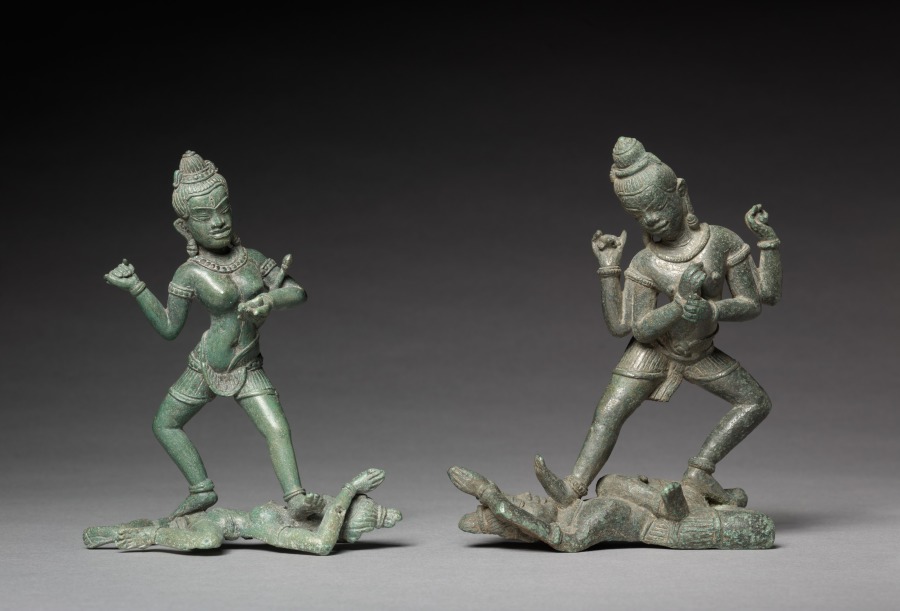
Shamvara and A Dakini
Cleveland Museum of Art
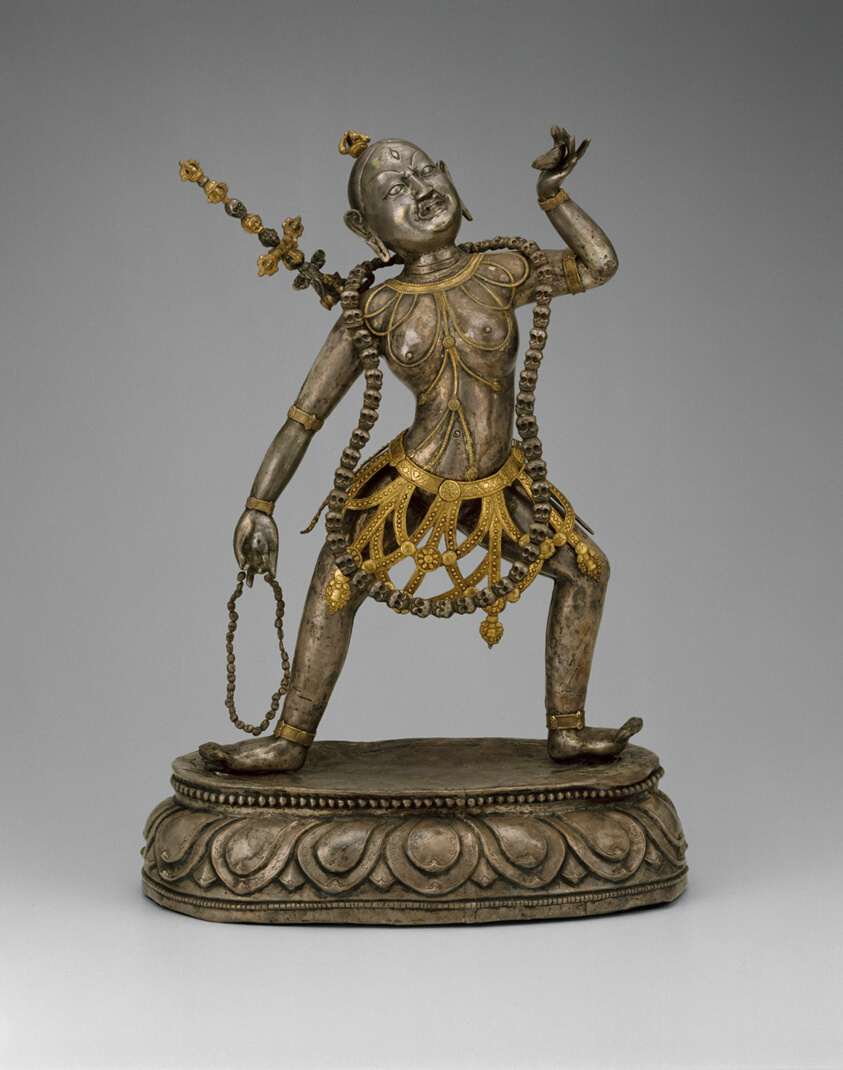
Tantric Female Enlightened Being (Vajrayogini) Holding a Skull Cup
Art Institute of Chicago

Khatamka ritual staff
Minneapolis Institute of Art

Thangka of Vajrakila and Diptachakra
Minneapolis Institute of Art
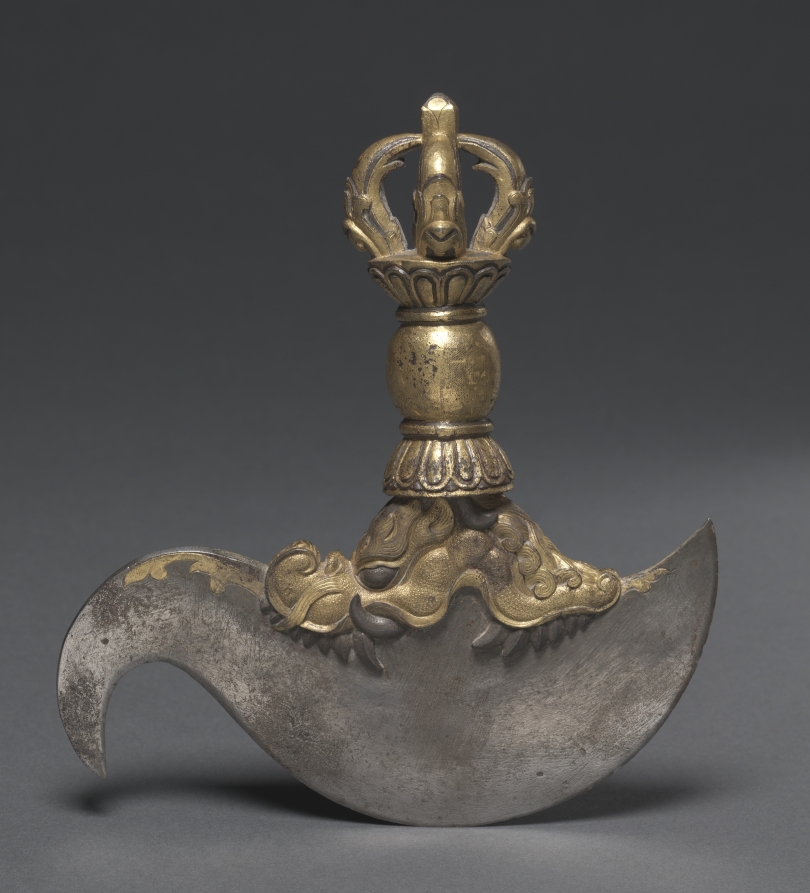
Ritual Flaying Knife
Cleveland Museum of Art
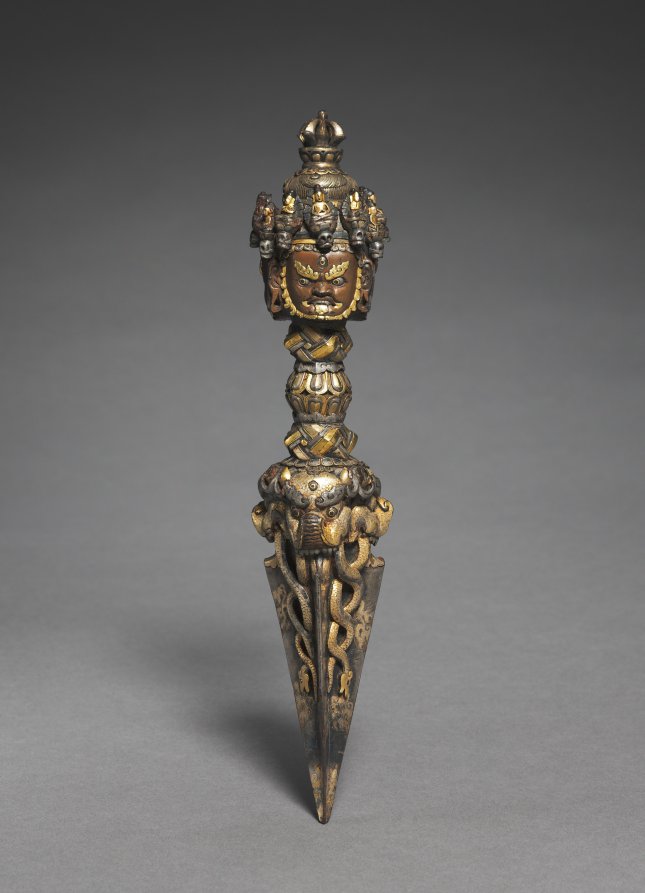
Phurbu
Cleveland Museum of Art
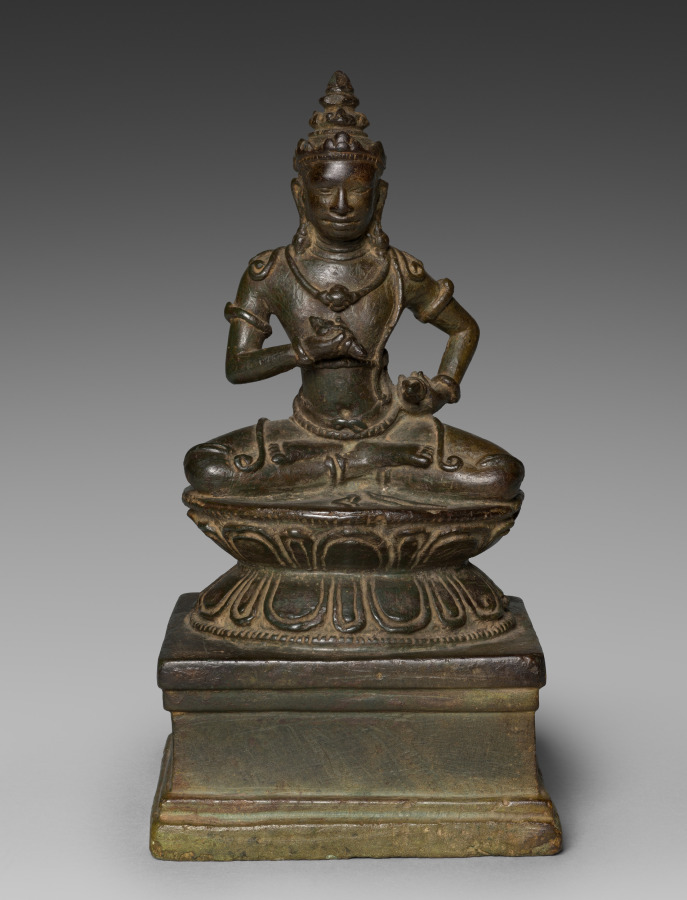
Vajrasattva
Cleveland Museum of Art
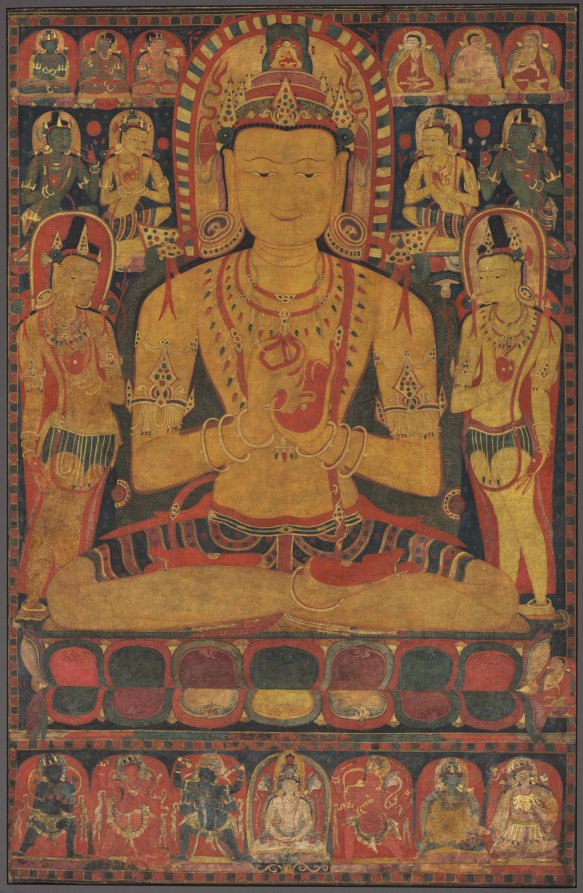
Tantric Buddha Vairochana as Vajrasattva
Cleveland Museum of Art

Ritual dagger (Phurba)
Minneapolis Institute of Art

Five-pronged vajra
Minneapolis Institute of Art
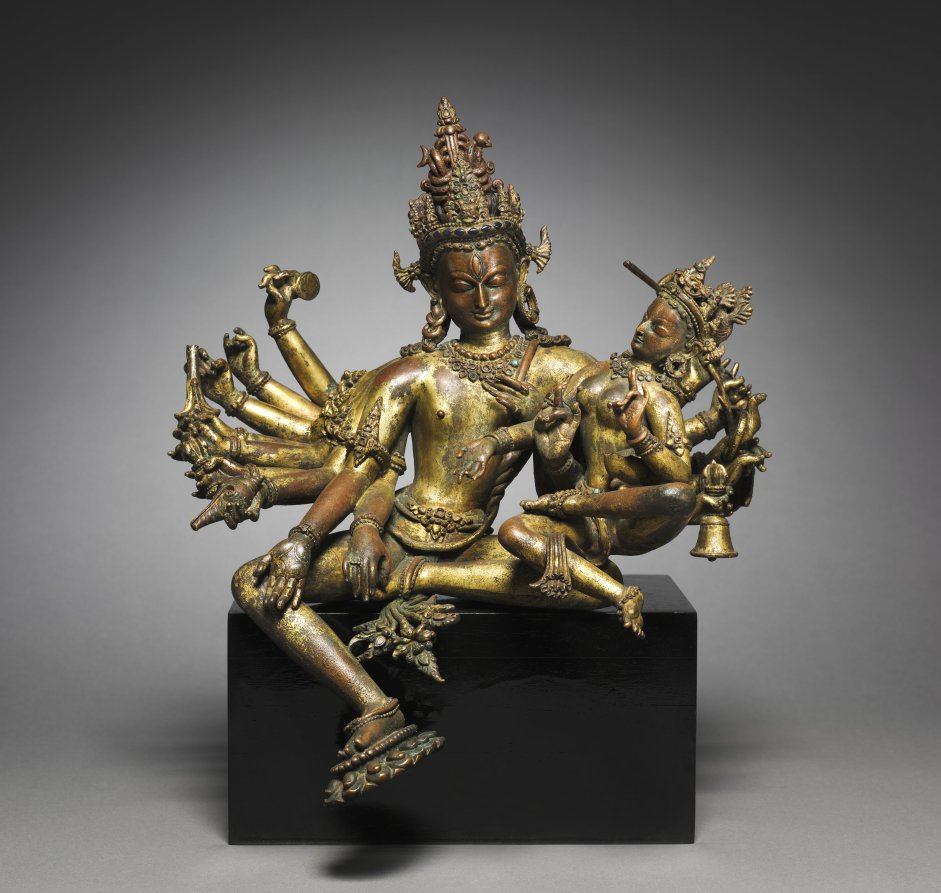
Kubjika–Navatman
Cleveland Museum of Art