
Minneapolis Institute of Art
Five-pronged vajra
Japan
- Date
- late 14th century
- Medium
- Gilt bronze
- Department
- Asian Art
- Institution
- Minneapolis Institute of Art
A Vajra (thunderbolt) is a ritual implement used in Esoteric Buddhist ceremonies. Originally a weapon carried by ancient Indian gods, it was adopted into Buddhism as a symbol of the indestructible truth of the Buddha’s teaching. Five-pronged vajras are said to represent the Five Wisdoms of the Five Cosmic Buddhas. This is an unusual example with its prongs positioned closely together and, in fact, attached to the tip of the central prong. This arrangement is said to suggest the nascent enlightened mind. Japan, Asia
The authoritative record is held by Minneapolis Institute of Art. LinkedCulture surfaces this object and its connections; it does not alter institutional metadata.
Related across collections
Semantically similar works from Minneapolis Institute of Art and other institutions.
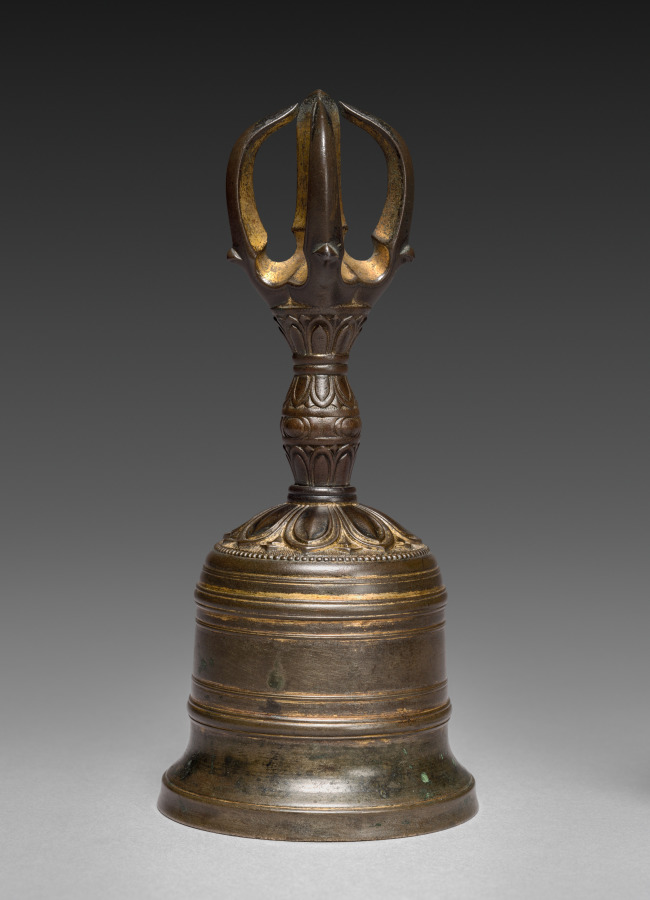
Five-pronged Vajra Bell (Gokorei)
Cleveland Museum of Art
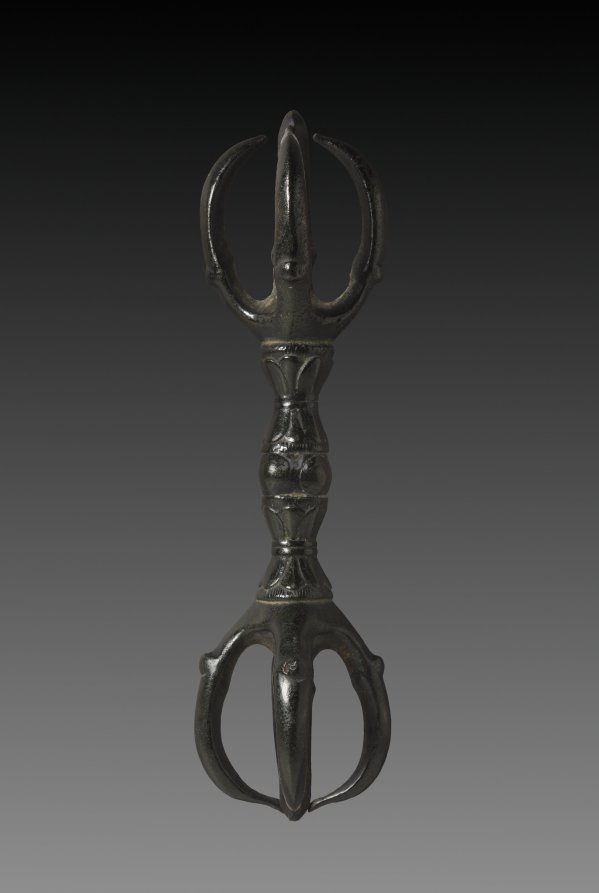
Five-pronged Vajra Pestle (Gokosho)
Cleveland Museum of Art
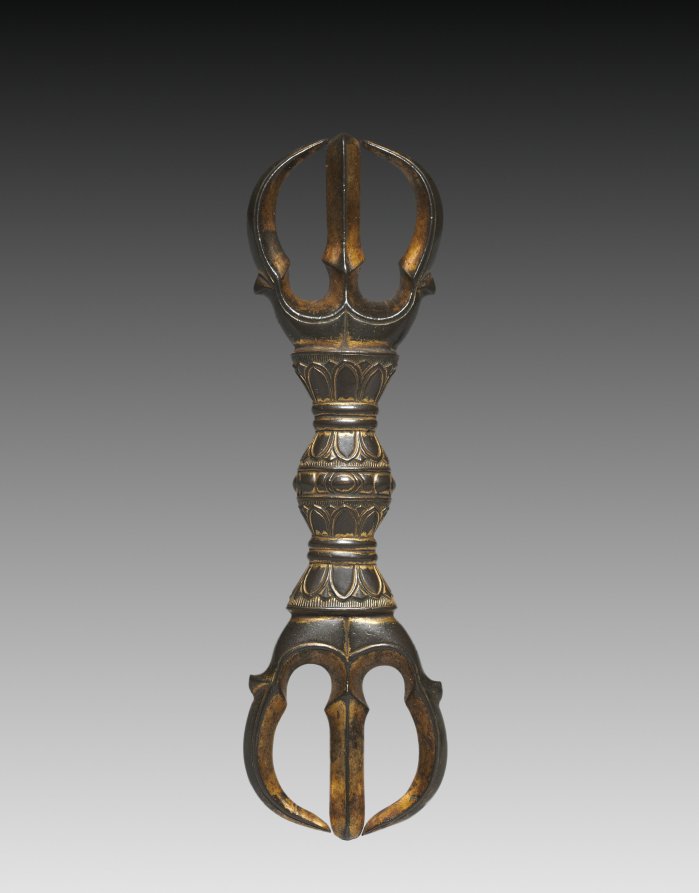
Three-pronged Vajra Pestle (Sankosho)
Cleveland Museum of Art
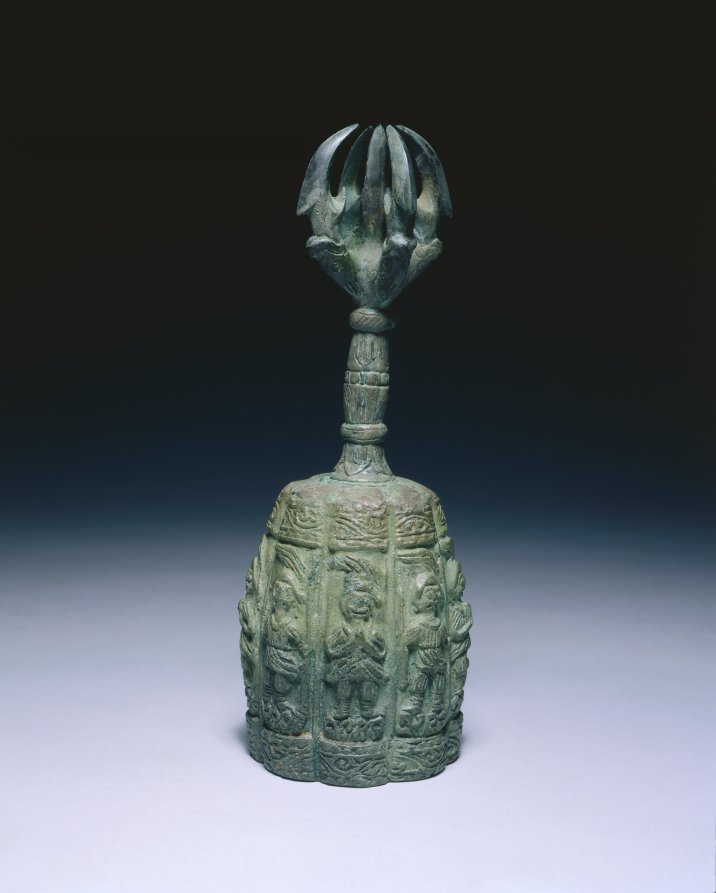
Buddhist Ritual Bell
Cleveland Museum of Art

Ritual bell with handle in the shape of the vajra
Minneapolis Institute of Art

Dorje drilbu (Bell with vajra handle)
Minneapolis Institute of Art

Khatamka ritual staff
Minneapolis Institute of Art
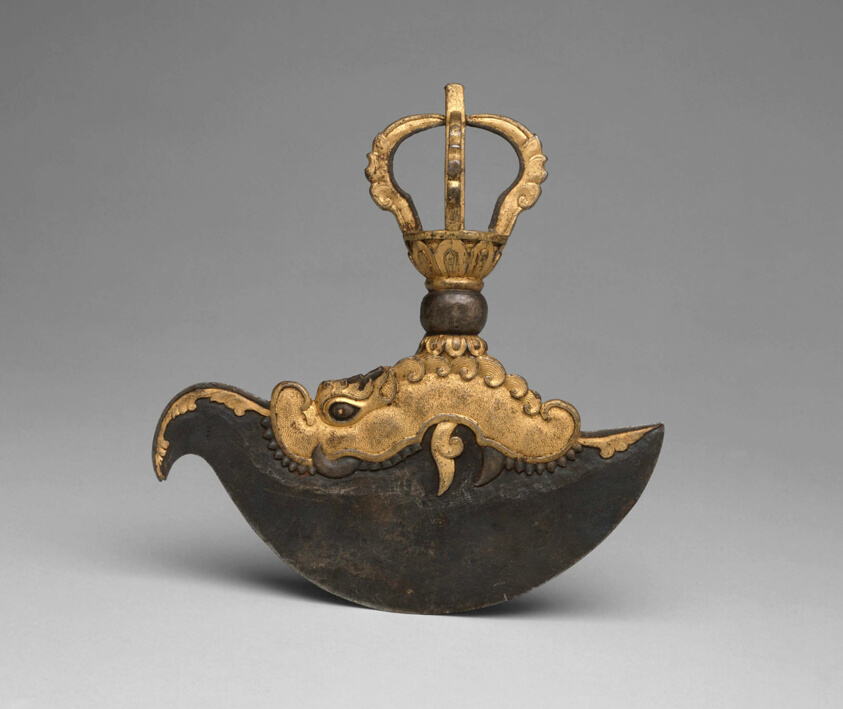
Ritual Flaying Knife (Kartrika)
Art Institute of Chicago

Portrait of Rigen Daishi
Minneapolis Institute of Art
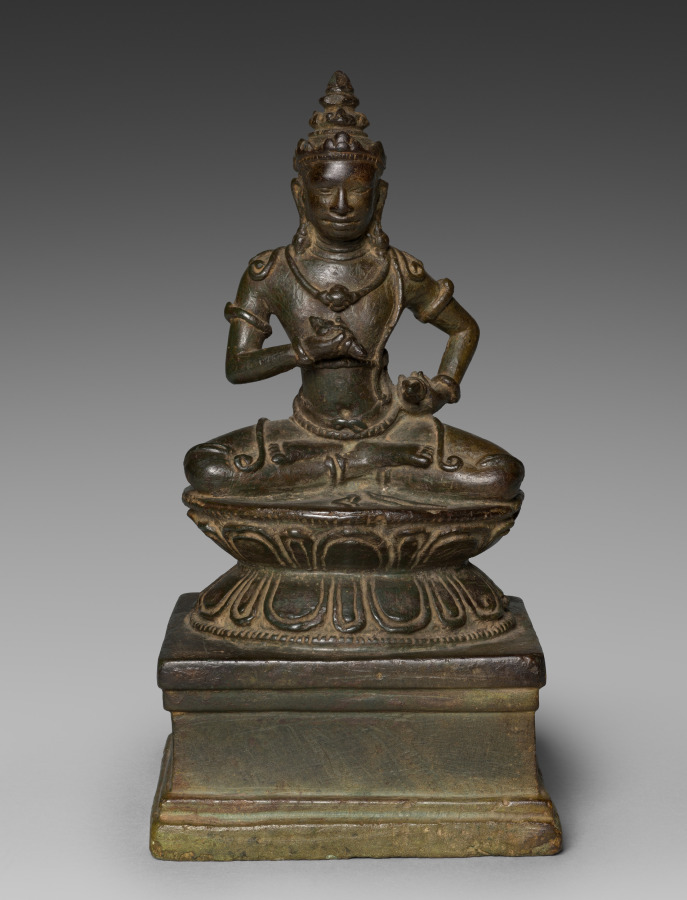
Vajrasattva
Cleveland Museum of Art
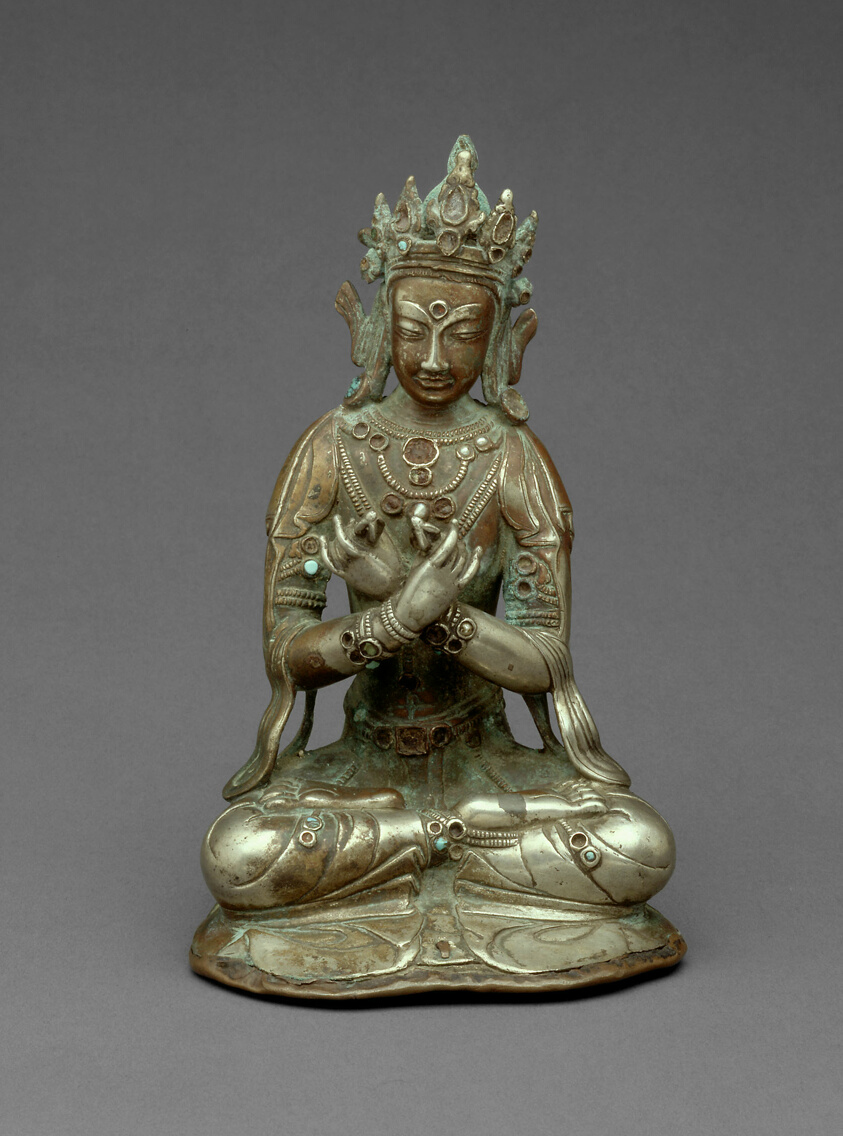
Vajradhara Buddha Seated Holding a Thunderbolt (Vajra) and Bell (Ghanta)
Art Institute of Chicago

Dorje (Vajra)
Minneapolis Institute of Art