Cleveland Museum of Art
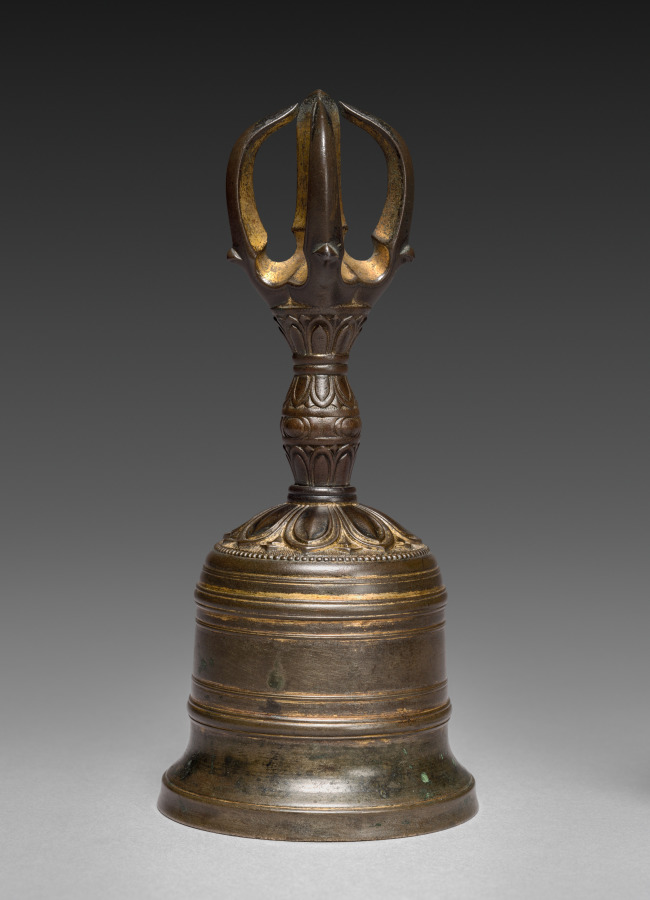
Five-pronged Vajra Bell (Gokorei)
- Date
- early 1300s
- Medium
- gilt bronze
- Culture
- Japan, Kamakura period (1185–1333)
- Department
- Japanese Art
- Institution
- Cleveland Museum of Art
The five prongs of this bell symbolize the Buddhist “Five Perfections”—generosity, morality, patience, perseverance, and concentration. The mouth of the bell symbolizes the “Sixth Perfection” of wisdom. The bell was used in Japanese Esoteric Buddhist rituals along with vajra pestles, or kongōsho. Vajras are symbolic weapons, representing the properties of a diamond (indestructibility) and a thunderbolt (irresistible force), still used in Buddhist ceremonies today.
The authoritative record is held by Cleveland Museum of Art. LinkedCulture surfaces this object and its connections; it does not alter institutional metadata.
Related across collections
Semantically similar works from Cleveland Museum of Art and other institutions.

Five-pronged vajra
Minneapolis Institute of Art
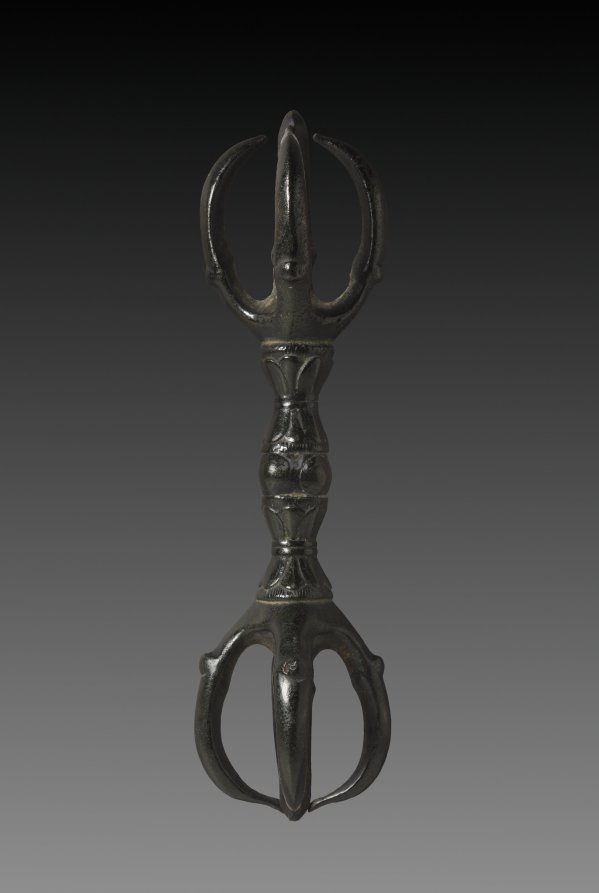
Five-pronged Vajra Pestle (Gokosho)
Cleveland Museum of Art
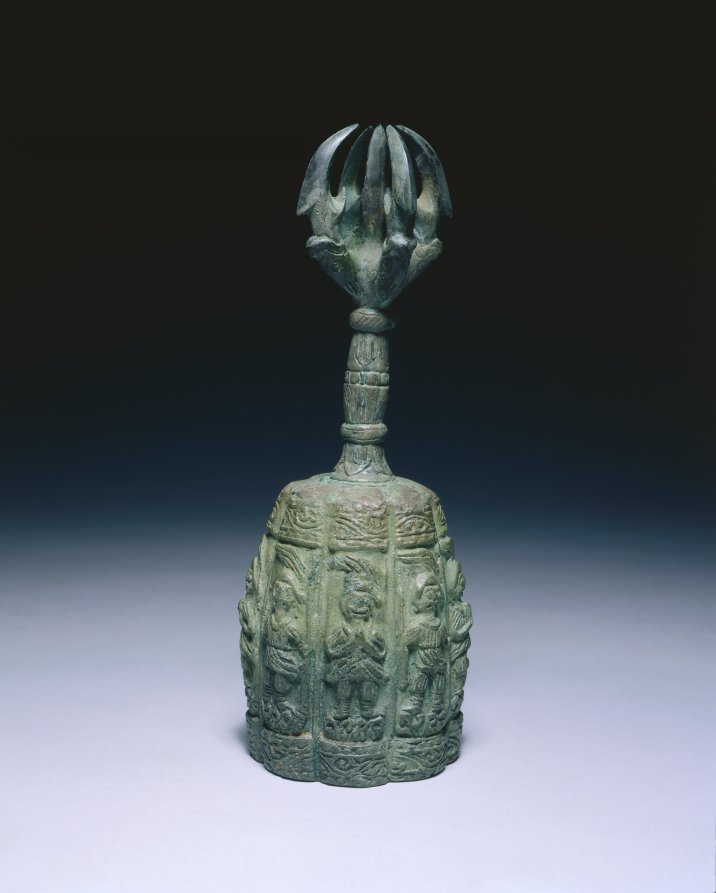
Buddhist Ritual Bell
Cleveland Museum of Art

Ritual bell with handle in the shape of the vajra
Minneapolis Institute of Art

Dorje drilbu (Bell with vajra handle)
Minneapolis Institute of Art
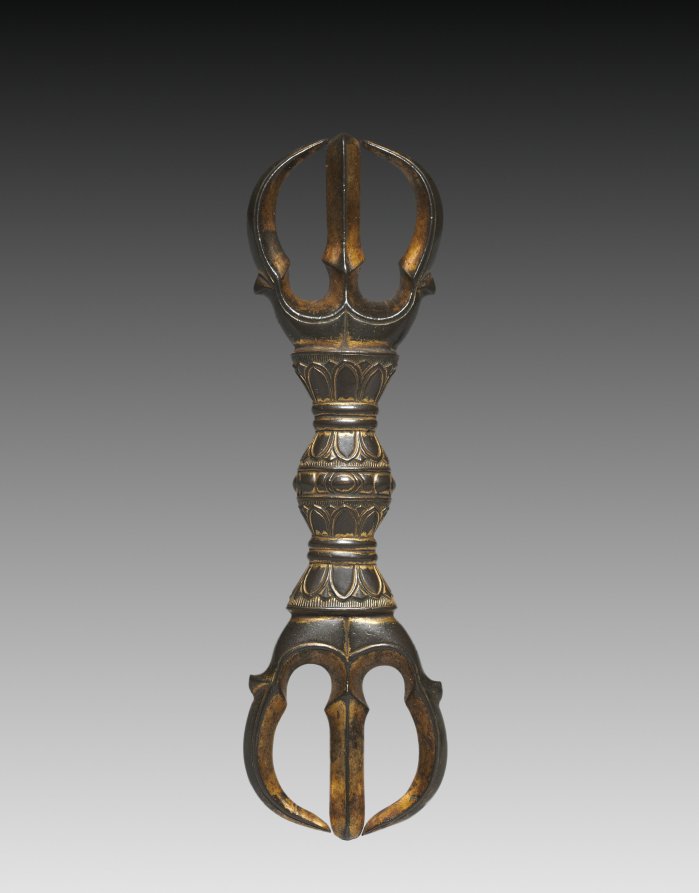
Three-pronged Vajra Pestle (Sankosho)
Cleveland Museum of Art

Dorje (Vajra)
Minneapolis Institute of Art
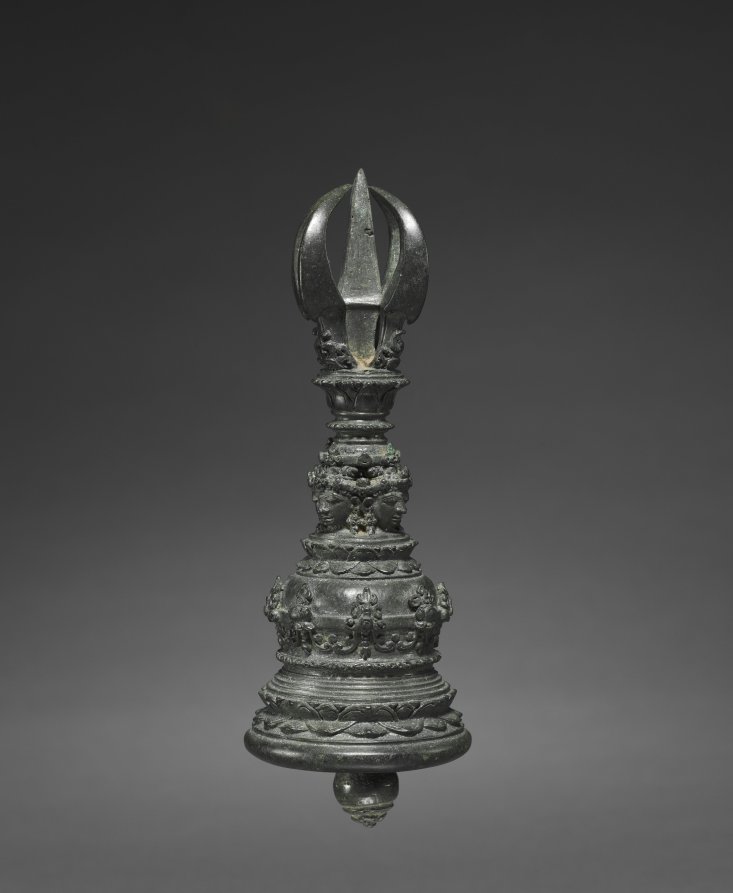
Bell with Vajra Handle
Cleveland Museum of Art
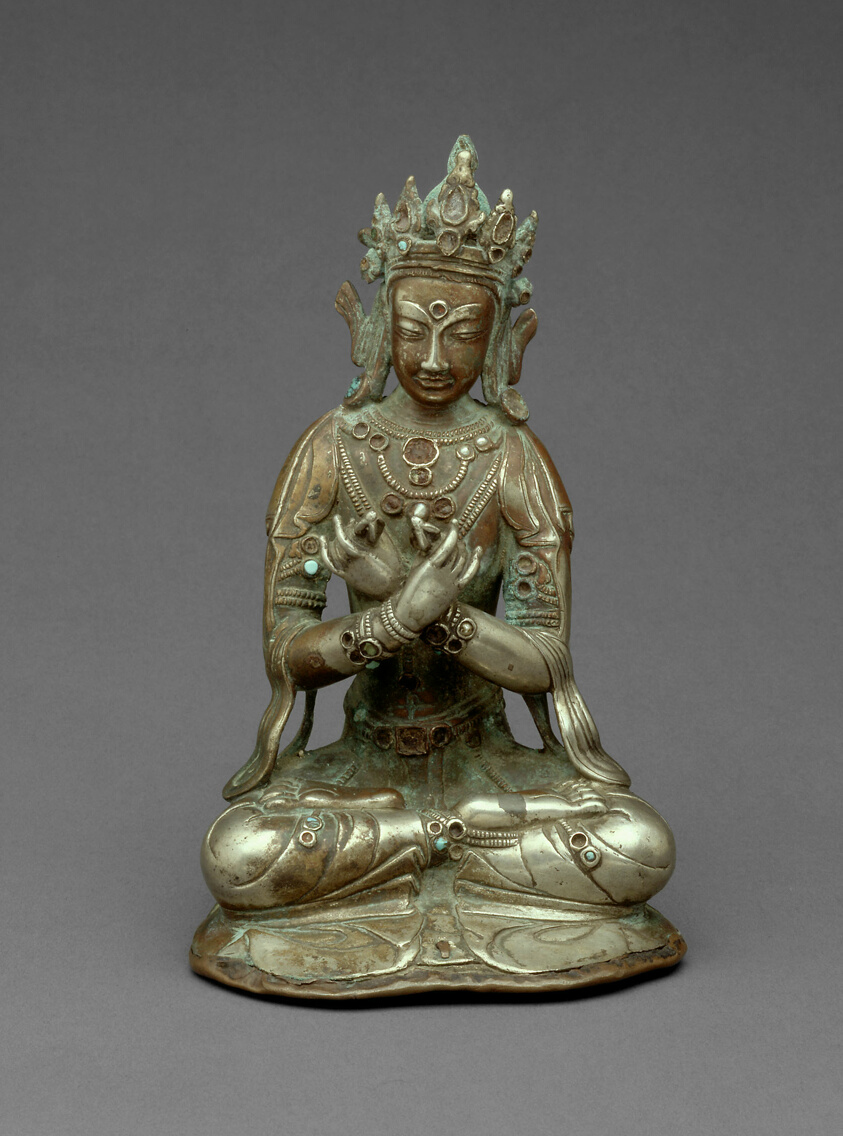
Vajradhara Buddha Seated Holding a Thunderbolt (Vajra) and Bell (Ghanta)
Art Institute of Chicago
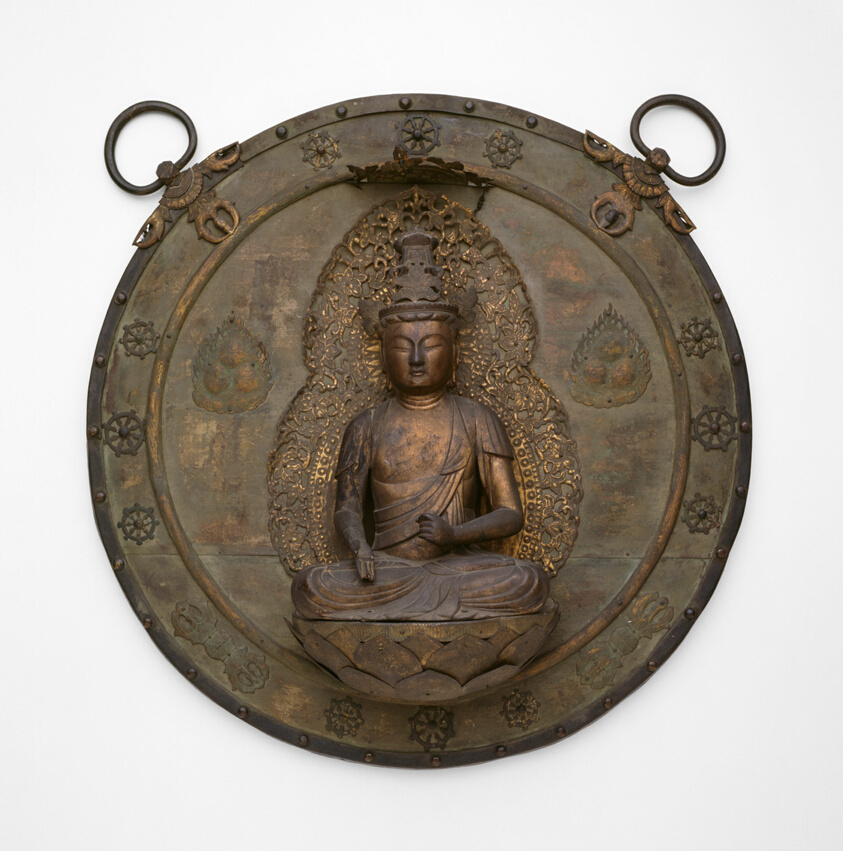
Icon Plaque (Kakebotoke) with bodhisattva
Art Institute of Chicago

Vajra hammer
Minneapolis Institute of Art

Vajra Warrior (one of a pair)
Minneapolis Institute of Art