Cleveland Museum of Art
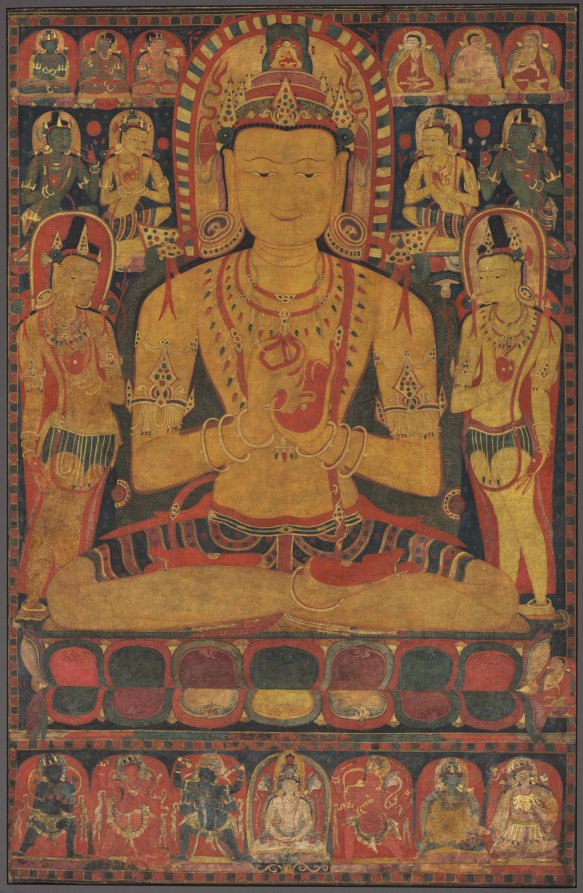
Tantric Buddha Vairochana as Vajrasattva
- Date
- c. 1150–1200
- Medium
- gum tempera, ink, and gold on cloth
- Culture
- Central Tibet
- Department
- Indian and Southeast Asian Art
- Institution
- Cleveland Museum of Art
The seated Buddha dominating the composition is identified as Vairochana because of his hand gesture, the mudra communicating supreme enlightenment in which the index finger of one hand is grasped by the fingers of the opposite hand. His golden color and the tiny vajra —a six-pronged ritual object representing a thunderbolt—balanced on top of his finger suggest that he is in the guise of Vajrasattva, the summation of all enlightened beings. In his crown is the image of a monk, who is probably the guru of the donor, the small monastic figure at the lower right next to the lotus pedestal. A mantra written behind the figures invokes their living presence in the thangka painting.
The authoritative record is held by Cleveland Museum of Art. LinkedCulture surfaces this object and its connections; it does not alter institutional metadata.
Related across collections
Semantically similar works from Cleveland Museum of Art and other institutions.
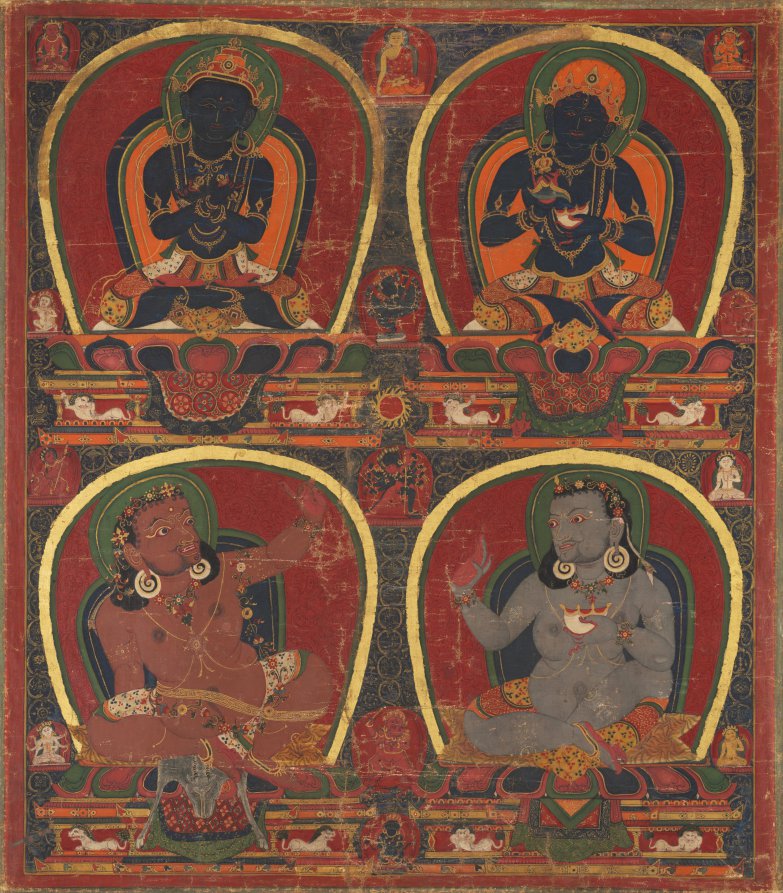
Vajradhara, Nairatmya, and mahasiddhas Virupa and Kanha
Cleveland Museum of Art
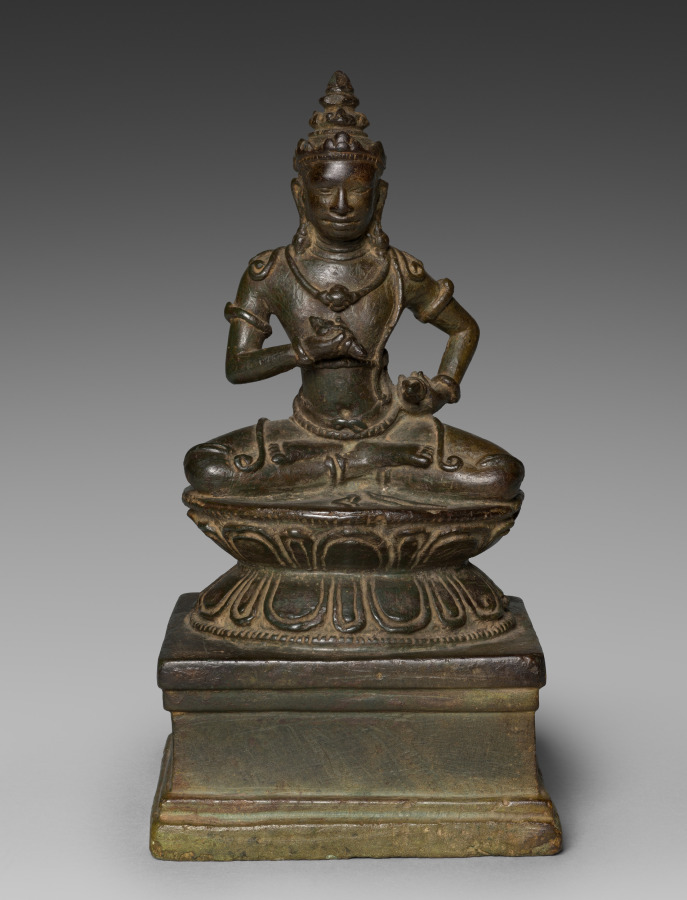
Vajrasattva
Cleveland Museum of Art

Thangka of Vajrakila and Diptachakra
Minneapolis Institute of Art
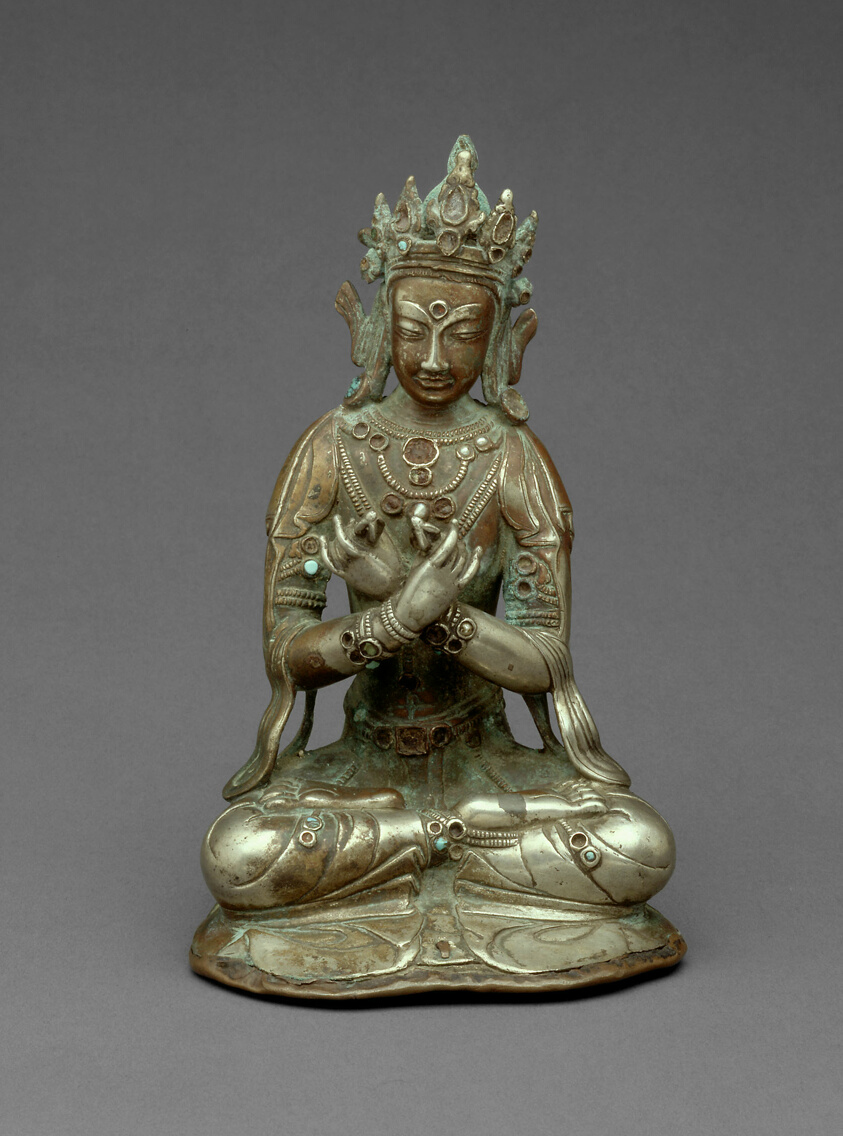
Vajradhara Buddha Seated Holding a Thunderbolt (Vajra) and Bell (Ghanta)
Art Institute of Chicago

Buddhist trinity of Vairocana, Manjusri and Samantabhadra
Minneapolis Institute of Art
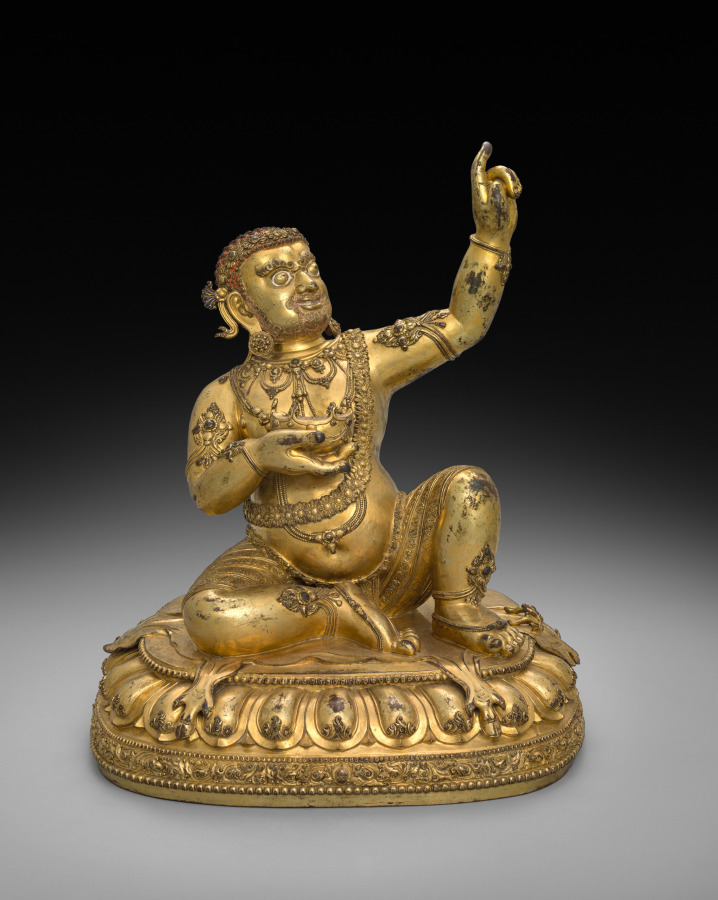
Virupa
Cleveland Museum of Art
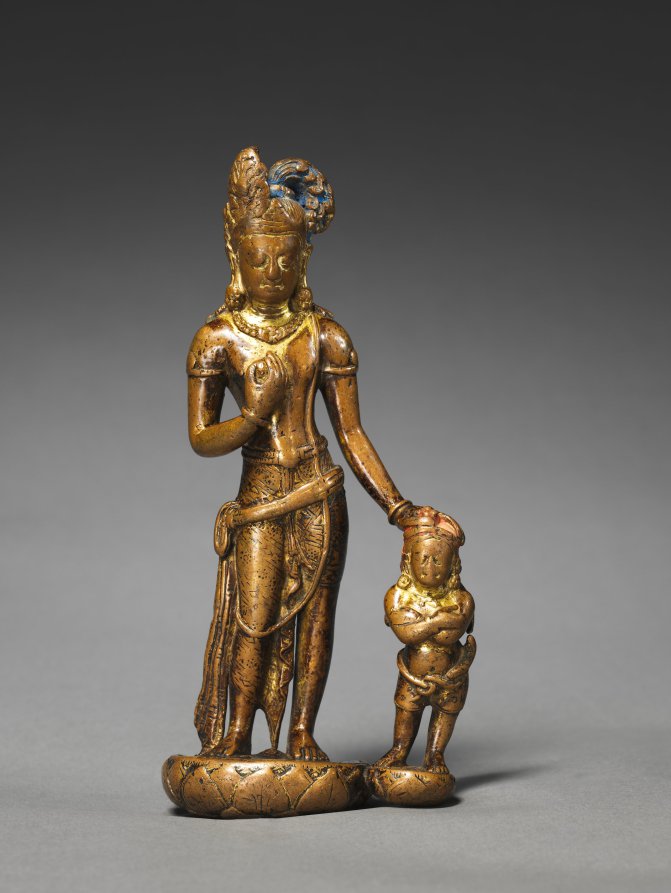
Bodhisattva Vajrapani
Cleveland Museum of Art

Ratnasambhava, Akshobhya, Vairochana with attendants, Amitabha, and Amoghasiddhi, Top cover, from a Manuscript of the Perfection of Wisdom in Eight Thousand Lines (Ashtasahasrika Prajnaparamita-sutra)
Cleveland Museum of Art
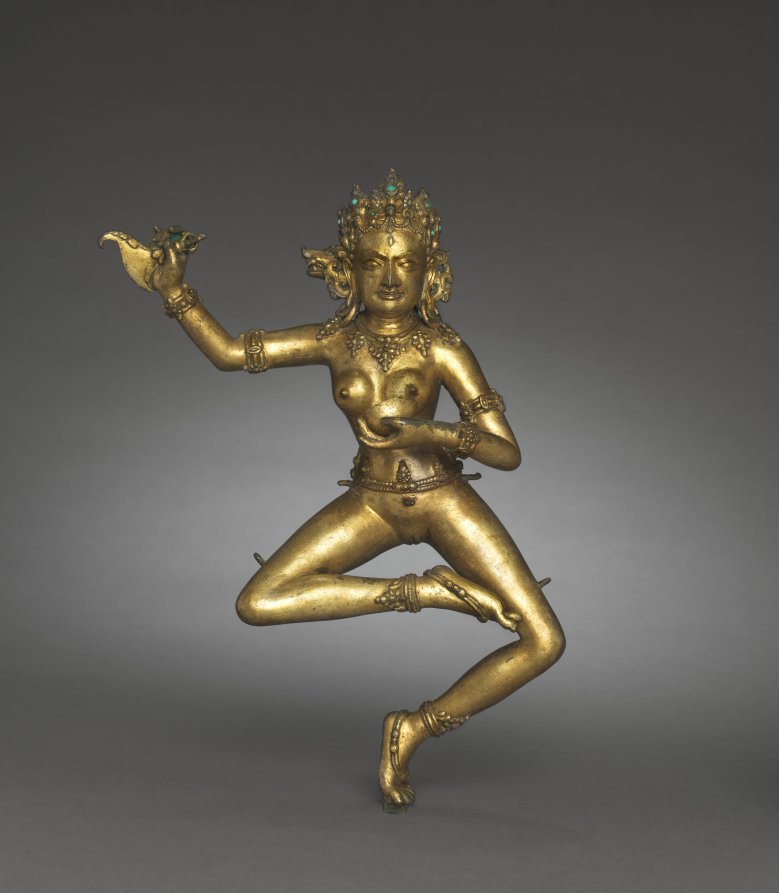
Vajravarahi
Cleveland Museum of Art

Vajrabhairava
Minneapolis Institute of Art

The Bodhisattva Avalokitesvara
Minneapolis Institute of Art
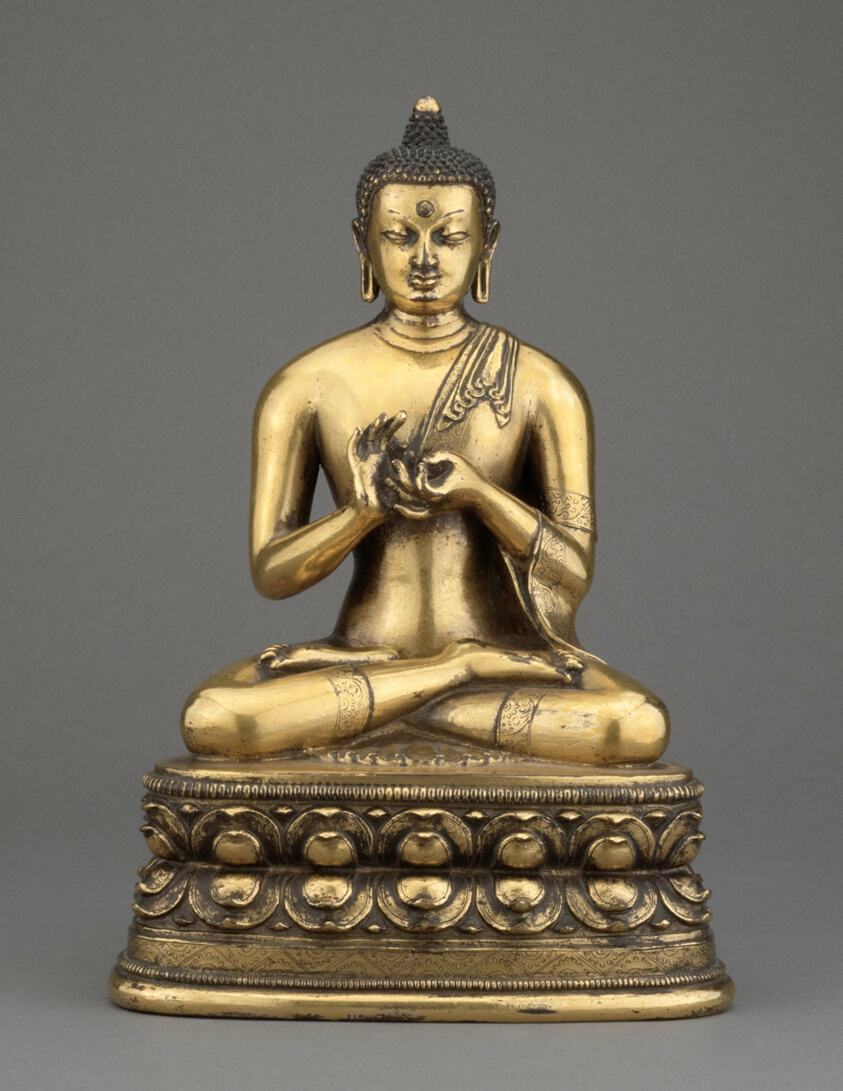
Vairochana Buddha Seated Giving the First Sermon (Dharmachakramudra)
Art Institute of Chicago