Cleveland Museum of Art
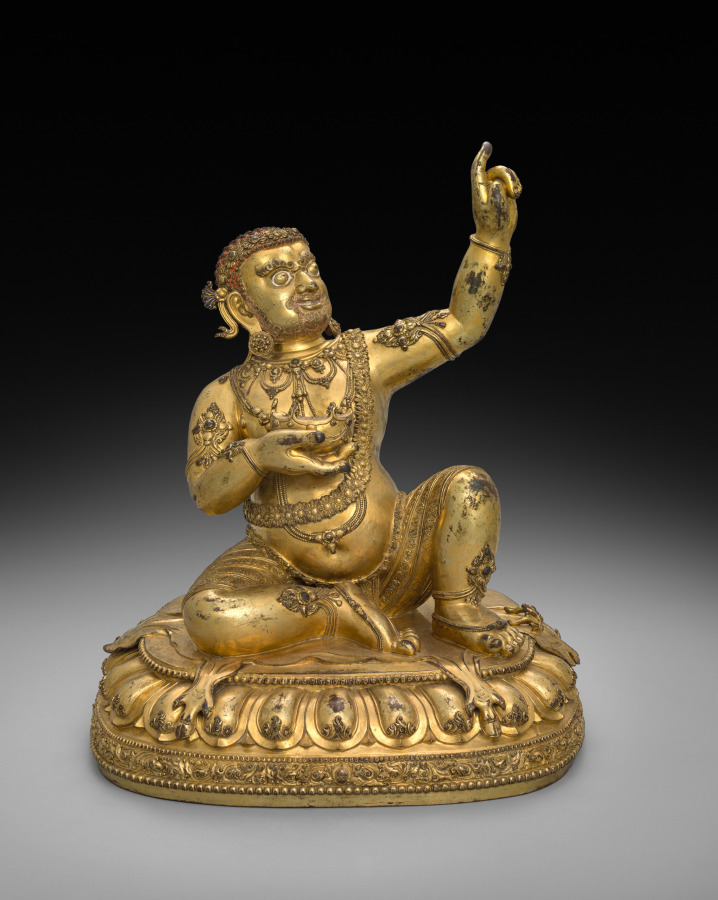
Virupa
- Date
- early 1400s
- Medium
- Gilt bronze with silver, stones, and pigment
- Culture
- China, Ming dynasty (1368-1644), Yongle reign (1403-1424)
- Department
- Chinese Art
- Institution
- Cleveland Museum of Art
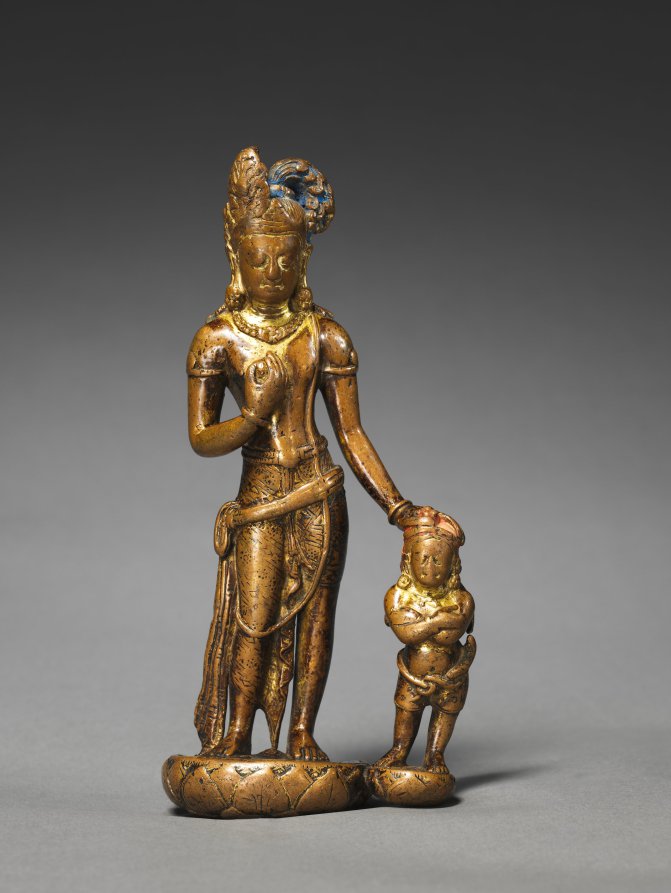
Virupa is one of the great teachers in the history of tantric Buddhism. His posture references his ability to stop the sun; as an enlightened being, he can control phenomena of nature. As a tantric practitioner, he overturns ordinary assumptions about proper behavior, so he overeats, drinks large quantities of liquor, and waits for the king to pay his bill at the tavern. At the edge of the lotus pedestal is an inscription identifying the image as having been made in the imperial kilns of the third emperor of the Ming dynasty in China as a gift to a Tibetan monastic leader. While closely linked to Tibetan styles, the luxurious detailing, special gilding process, and the casting of the ornaments onto the body without use of inlay are specifically Chinese characteristics. Virupa's clothing and jewelry are embellished with silver and stones, while pigments enhance his hair and eyes.
The authoritative record is held by Cleveland Museum of Art. LinkedCulture surfaces this object and its connections; it does not alter institutional metadata.
Related across collections
Semantically similar works from Cleveland Museum of Art and other institutions.
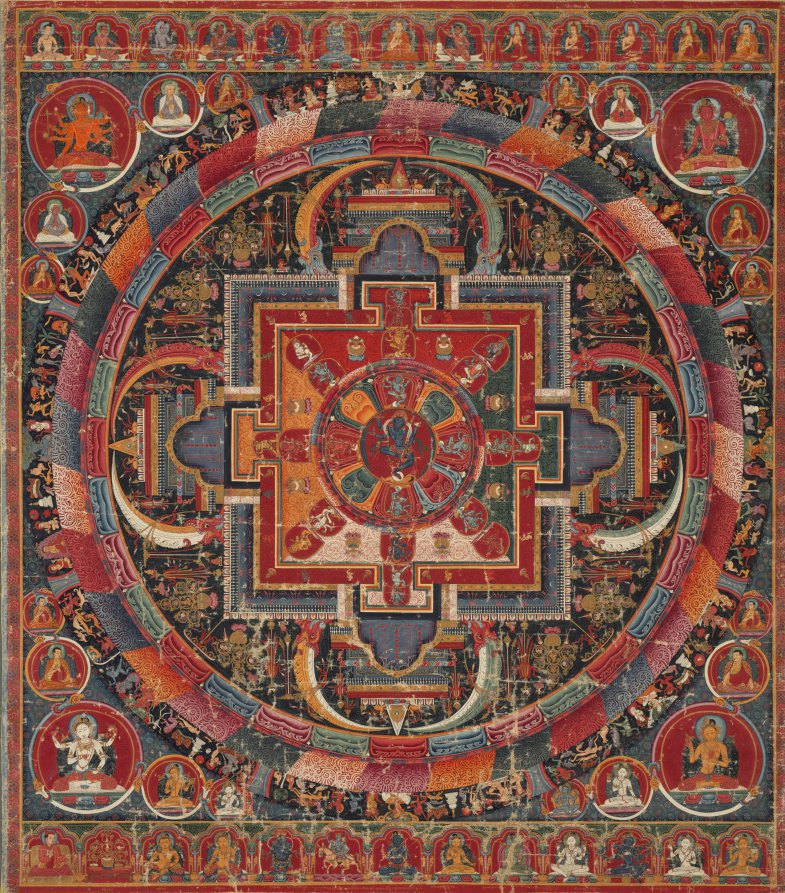
Twenty-three Deity Nairatma Mandala
Cleveland Museum of Art
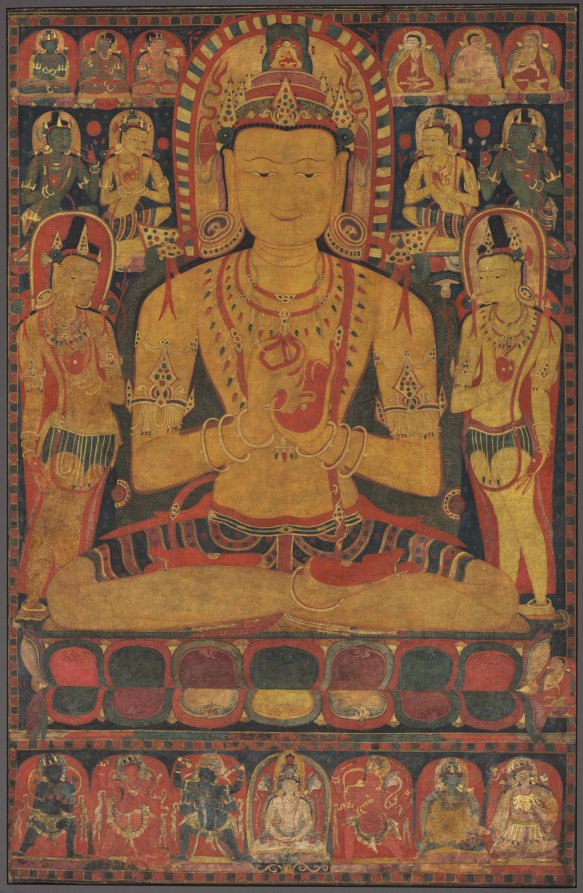
Tantric Buddha Vairochana as Vajrasattva
Cleveland Museum of Art

Book cover with Virupa and Sachen Kunga Kyingpo
Minneapolis Institute of Art
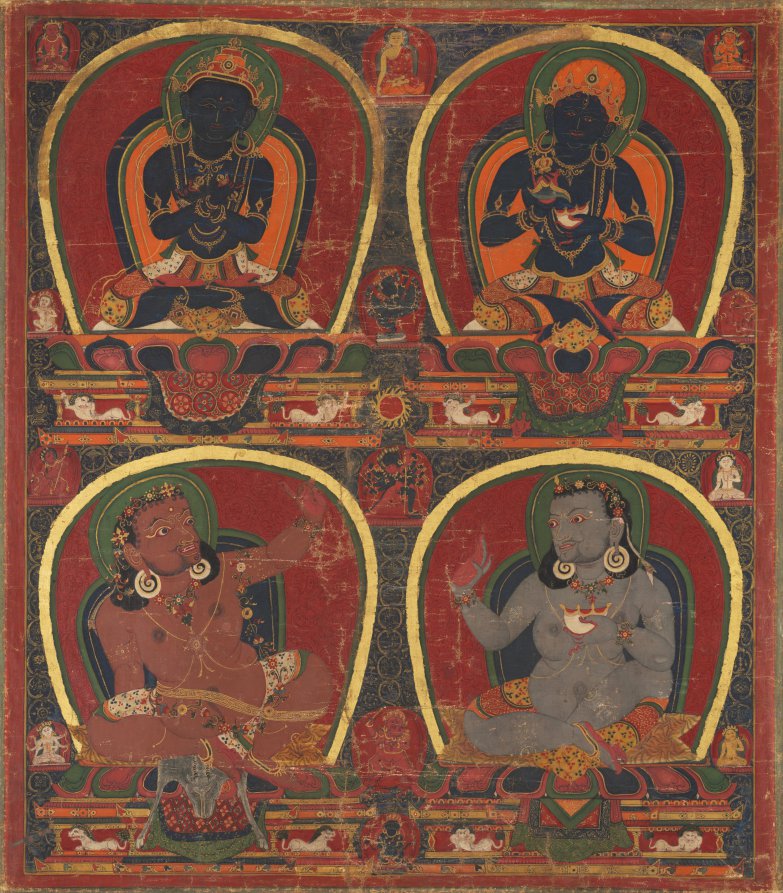
Vajradhara, Nairatmya, and mahasiddhas Virupa and Kanha
Cleveland Museum of Art
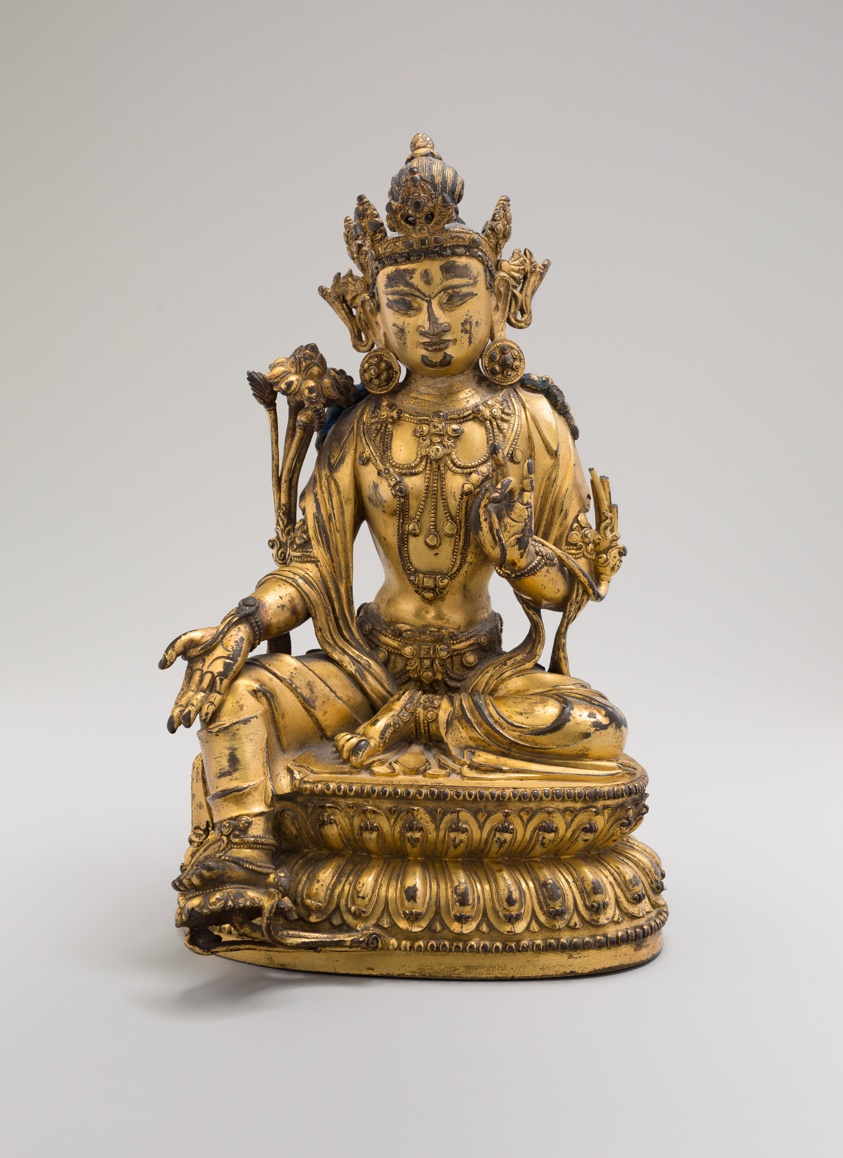
Green Tara, Seated in Pose of Royal Ease (Lalitasana), with Lotus Stalks on Right Shoulder and Hands in Gestures of Reasoning (Vitarkamudra) and Gift Conferring (Varadamudra)
Art Institute of Chicago
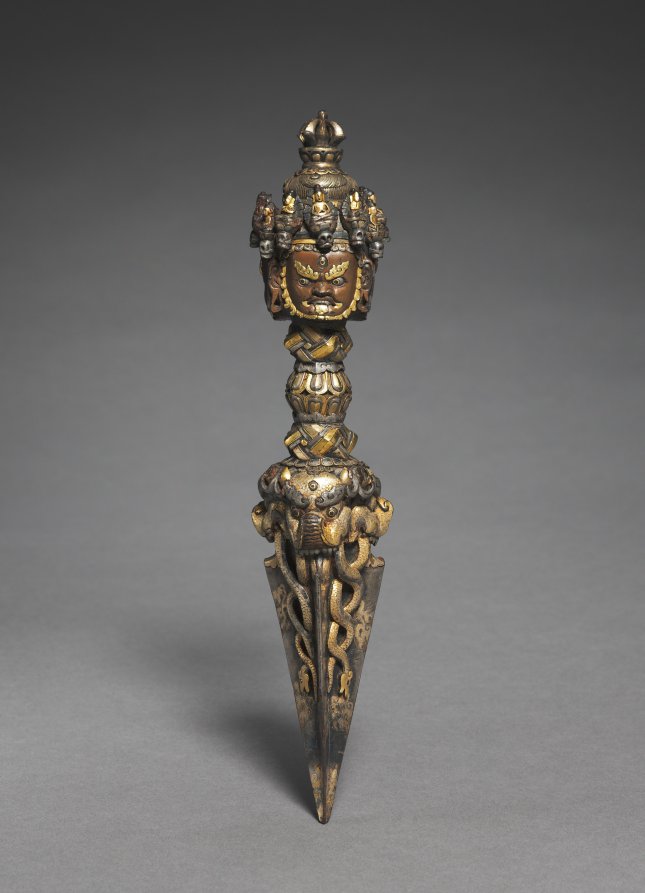
Phurbu
Cleveland Museum of Art

Thangka of Vajrakila and Diptachakra
Minneapolis Institute of Art
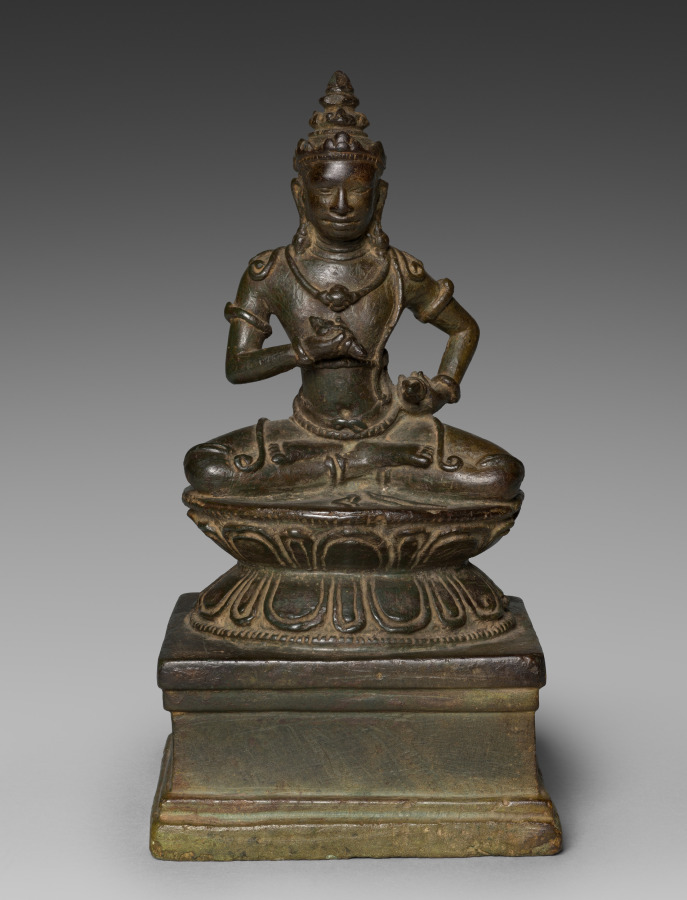
Vajrasattva
Cleveland Museum of Art
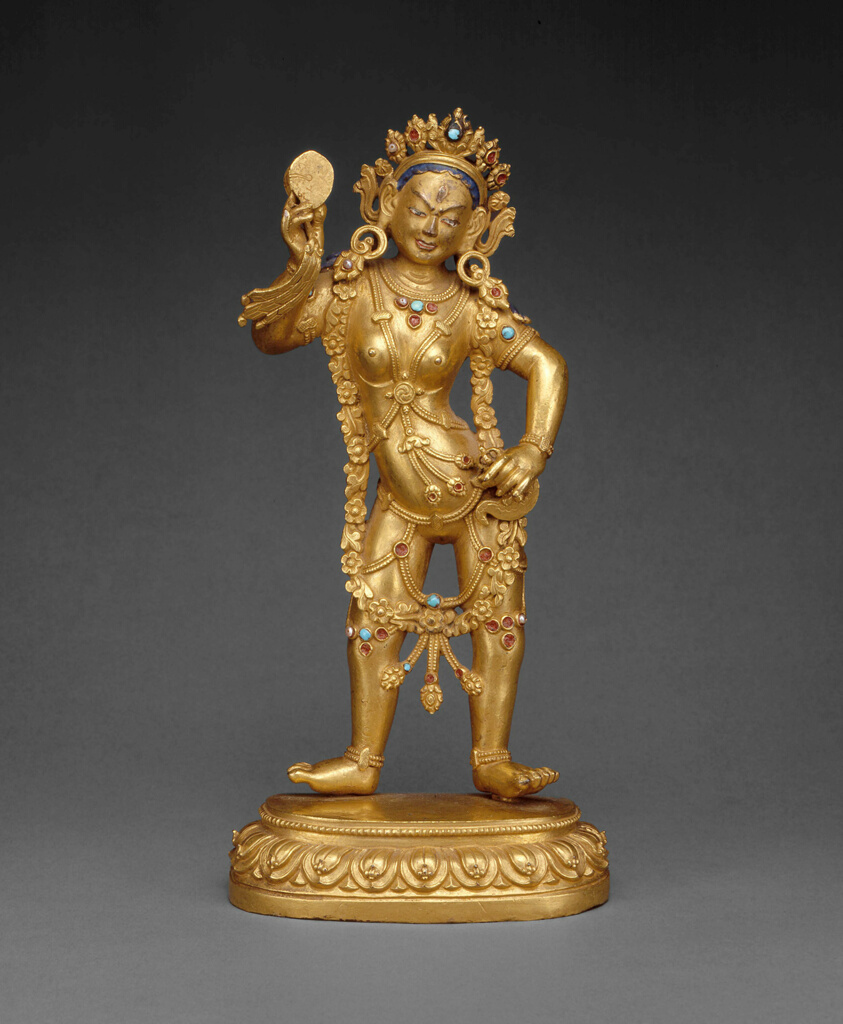
Tantric Enlightened Being (Vajrayogini) Queen of Bliss (Dechen Gyalmo)
Art Institute of Chicago
Bodhisattva Vajrapani
Cleveland Museum of Art

Buddhist trinity of Vairocana, Manjusri and Samantabhadra
Minneapolis Institute of Art

Vajrabhairava
Minneapolis Institute of Art