
Art Institute of Chicago
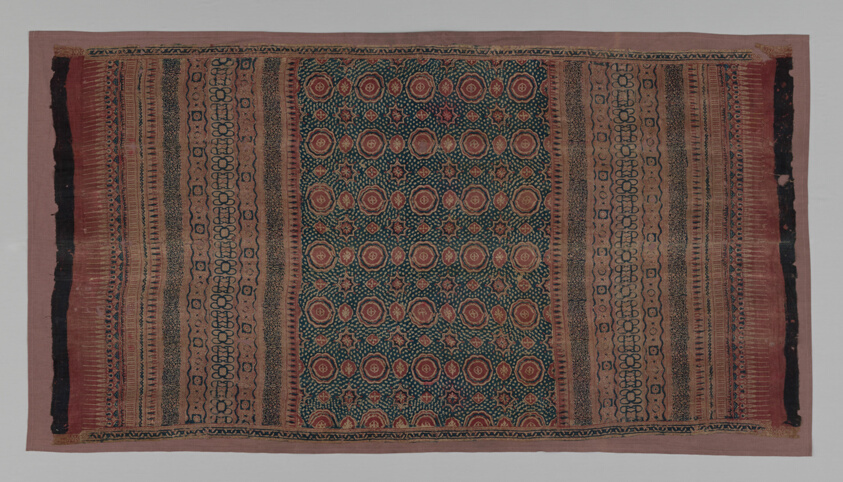
Patolu
Gujarat, India
- Date
- 18th–19th century
- Medium
- Silk and silver-metal-strip-wrapped silk, stripes of warp and weft resist dyed (double ikat), plain weave, stripes of weft resist dyed (weft ikat), plain weave, bands of plain weave and bands of open warps; plied and knotted main warp fringe
- Culture
- India
- Department
- Textiles
- Institution
- Art Institute of Chicago
Patola are finely woven silk textiles made in Gujarat, India. They became highly valued imports in Indonesia, where merchants gave them to local rajas (rulers) to curry favor for trade. As a result, they came to be prized by their owners as heirlooms denoting high status. Artists create the designs using a double-ikat technique, dyeing the threads prior to weaving. Patola with the geometric basket design ( chhabadi bhat ), like the example on the right here, were used in funeral ceremonies in eastern Indonesia.
The authoritative record is held by Art Institute of Chicago. LinkedCulture surfaces this object and its connections; it does not alter institutional metadata.
Linked open data
Authority identifiers that link this record into the wider web of cultural data — stable references you can follow to the source.
- Object type
- AAT300014063
Related across collections
Semantically similar works from Art Institute of Chicago and other institutions.
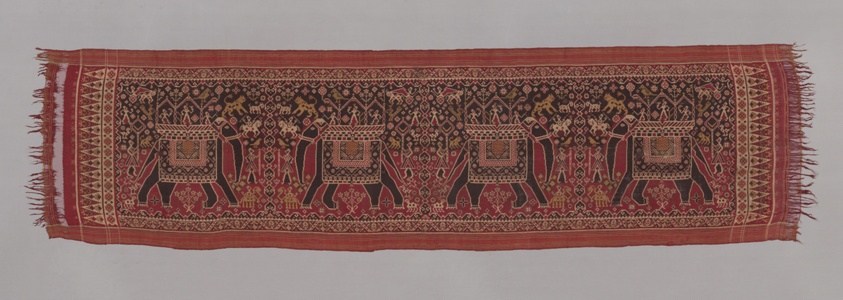
Patolu
Art Institute of Chicago
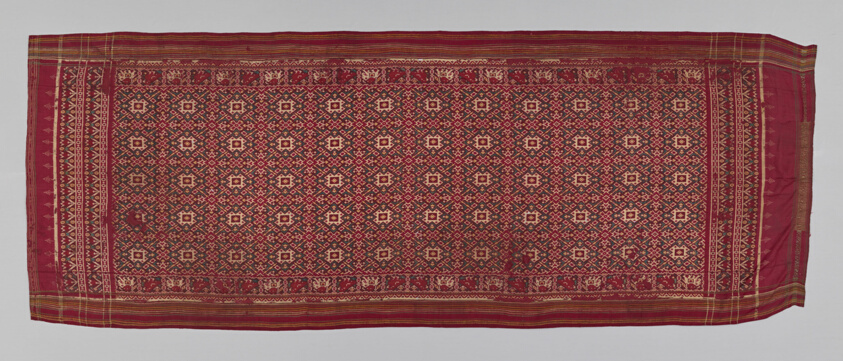
Patolu
Art Institute of Chicago
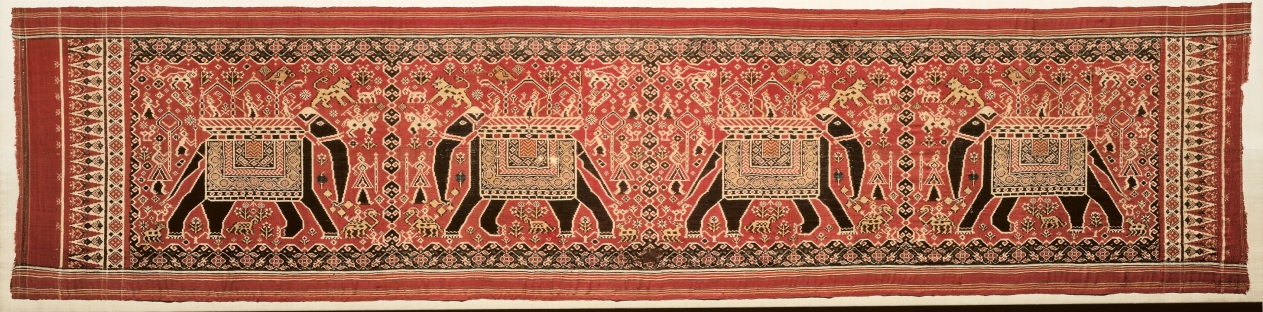
Patolu
Cleveland Museum of Art
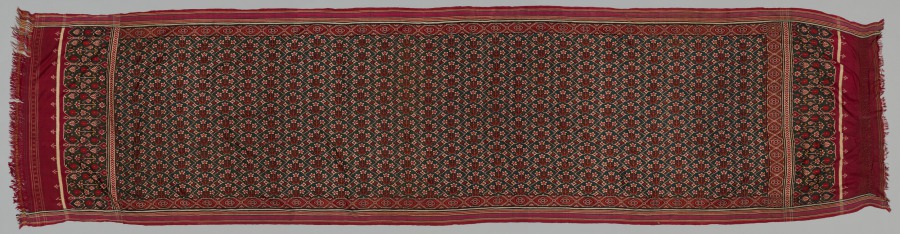
Silk Patolu Sari
Cleveland Museum of Art
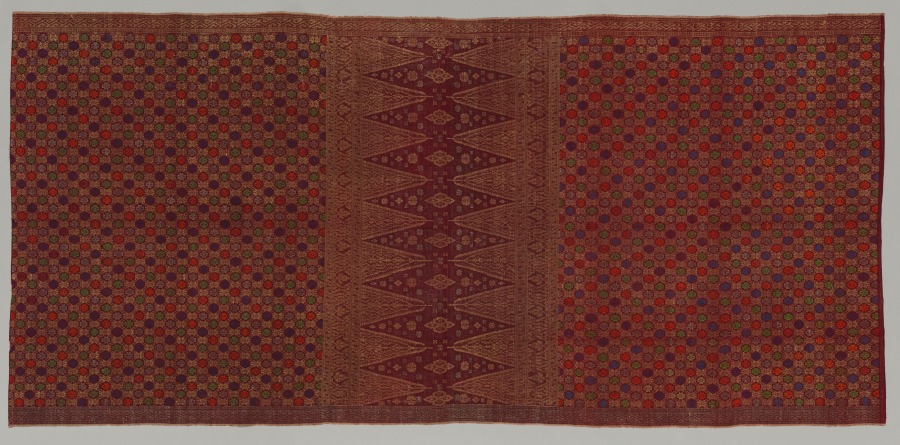
Wearing Cloth
Cleveland Museum of Art
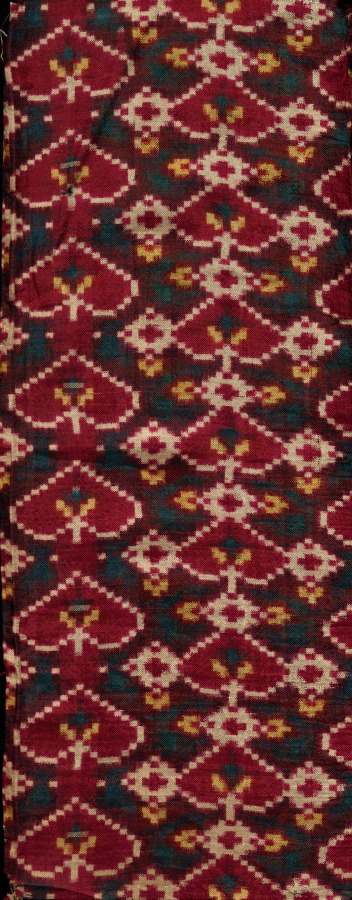
Fragment
Cleveland Museum of Art

Inner wedding veil (Patori)
Minneapolis Institute of Art

Textile panel
Minneapolis Institute of Art

Inner wedding veil (Patori)
Minneapolis Institute of Art
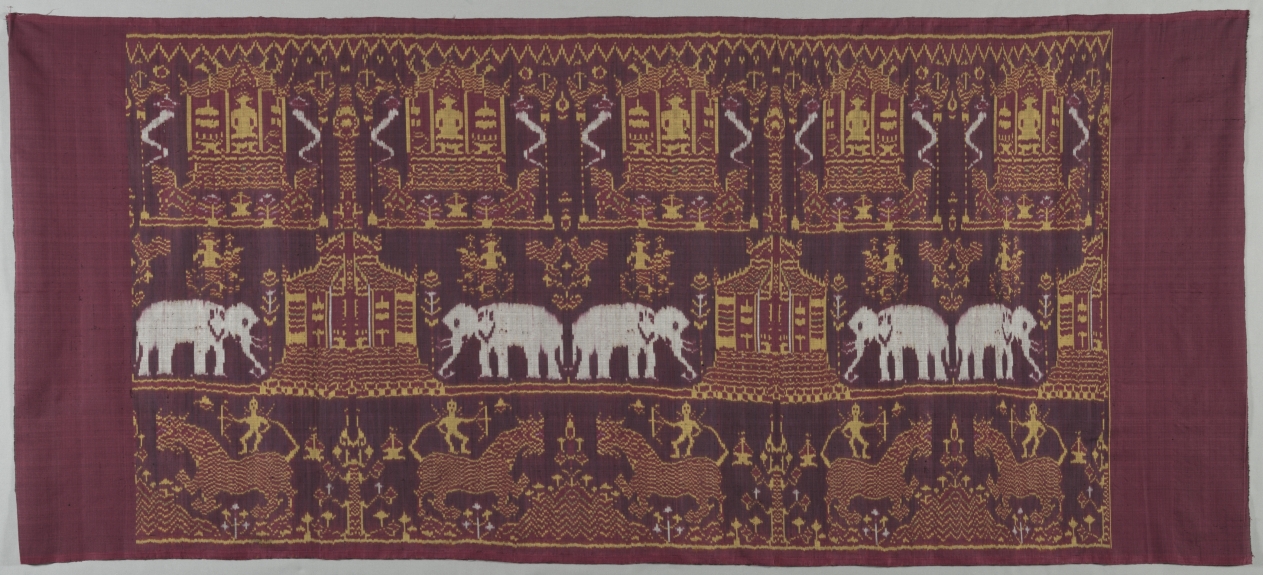
Wall Hanging or Ceiling Canopy
Cleveland Museum of Art
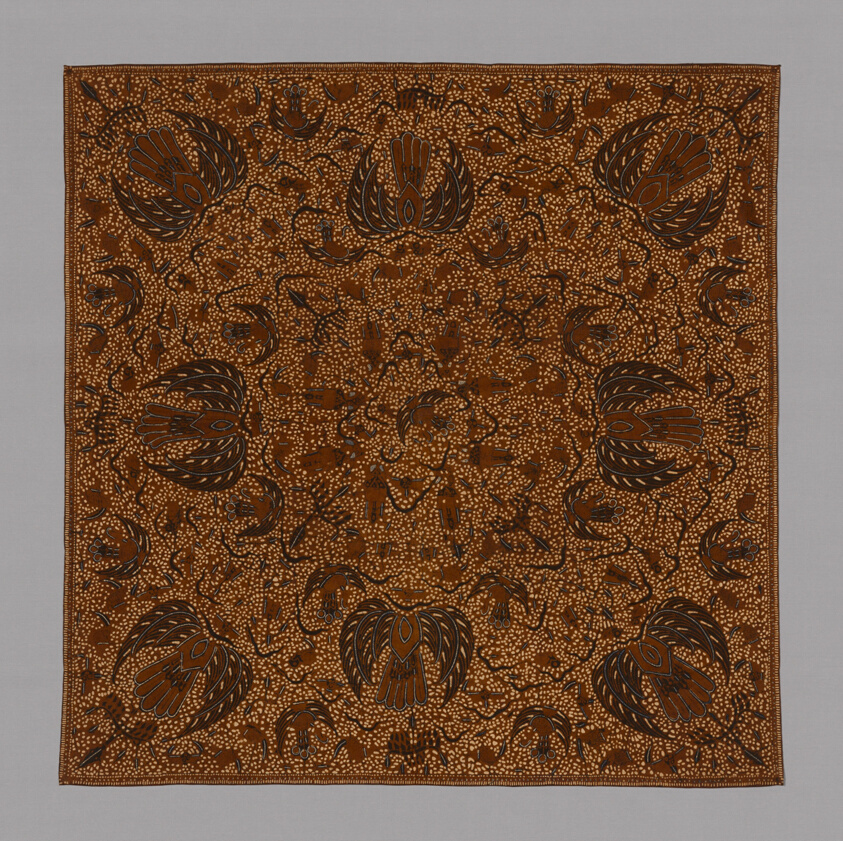
Headcloth (Iket Kepala)
Art Institute of Chicago
Heirloom Textile
Art Institute of Chicago