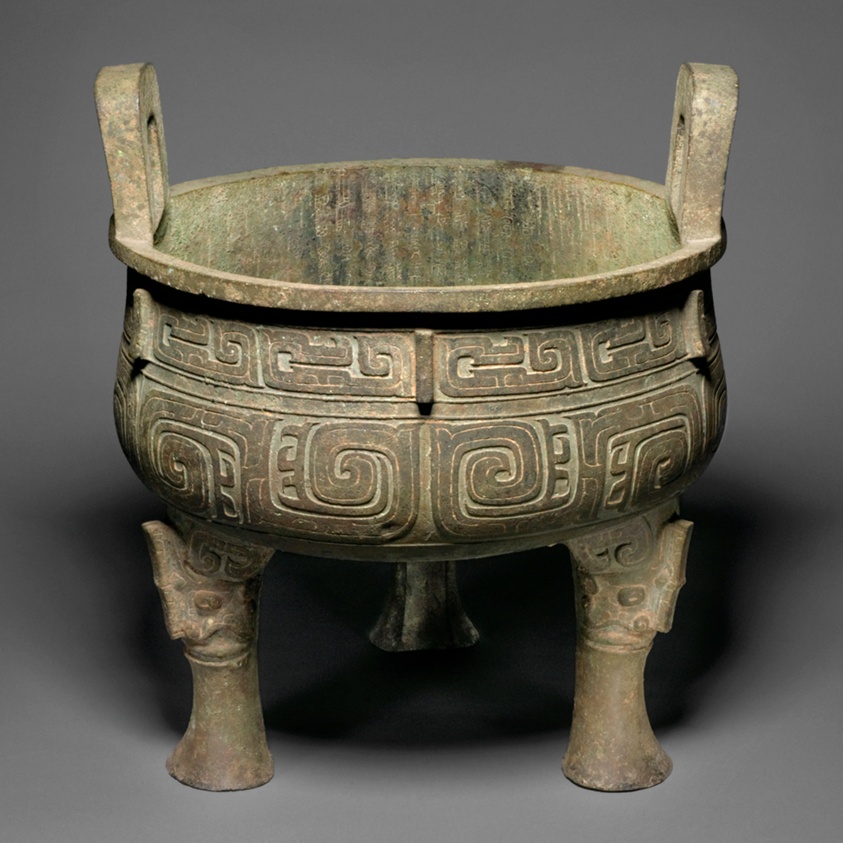
Art Institute of Chicago
Cauldron
China
- Date
- Western Zhou dynasty (1046–771 BC ), early 9th century BC
- Medium
- Bronze
- Culture
- China
- Department
- Arts of Asia
- Institution
- Art Institute of Chicago
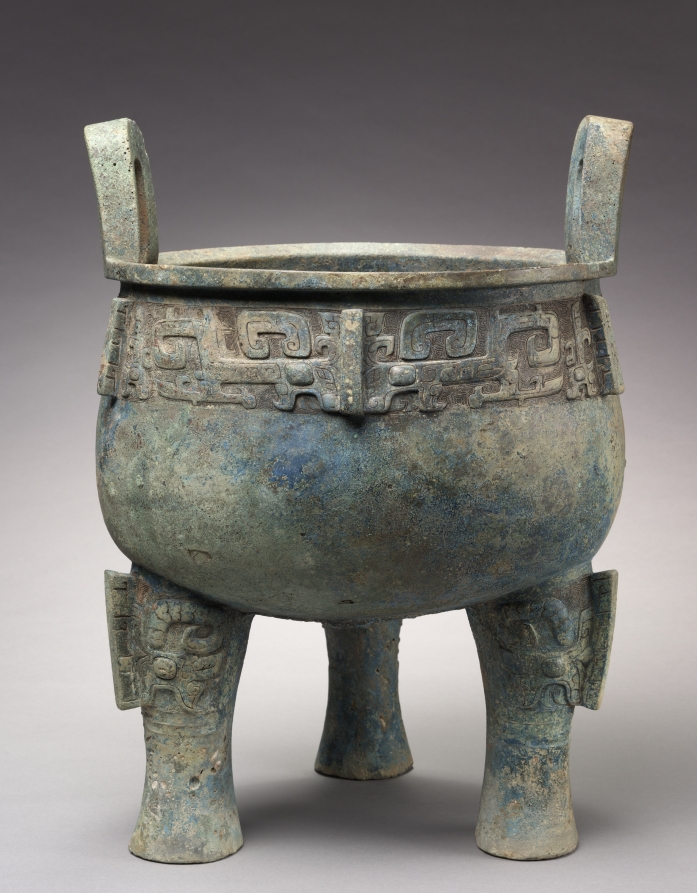
As this monumental cauldron demonstrates, the most distinctive bronze vessels of early China represent important historical documents as well as stunningly powerful works of art. Designed to contain offerings of meat in ritual ceremonies, this vessel was cast with a lengthy inscription on its interior bowl. The text commemorates a solemn ritual ceremony at the imperial court of the Zhou, the second dynasty recorded in Chinese texts, and explains that Captain Wang, a noble official who had been rewarded for his loyal service to the Zhou king, commissioned this vessel to honor his deceased father and record the occasion for succeeding generations. Together with the inscription, the vessel’s shallow profile and austere surface decor date it to the early ninth century BC. Although the monsterlike masks that project from each leg display animal imagery common on older bronzes, the two registers of hooked, ribbonlike bands that encircle the bowl preserve only traces of early dragon or bird patterns. The transition from zoomorphic to abstract surface designs marks a significant turning point in the art of early Chinese bronzes. Recent archaeological discoveries of similar bronze vessels in China indicate that this cauldron was most likely buried as part of a large hoard.
The authoritative record is held by Art Institute of Chicago. LinkedCulture surfaces this object and its connections; it does not alter institutional metadata.
Linked open data
Authority identifiers that link this record into the wider web of cultural data — stable references you can follow to the source.
- Object type
- AAT300193015
Related across collections
Semantically similar works from Art Institute of Chicago and other institutions.
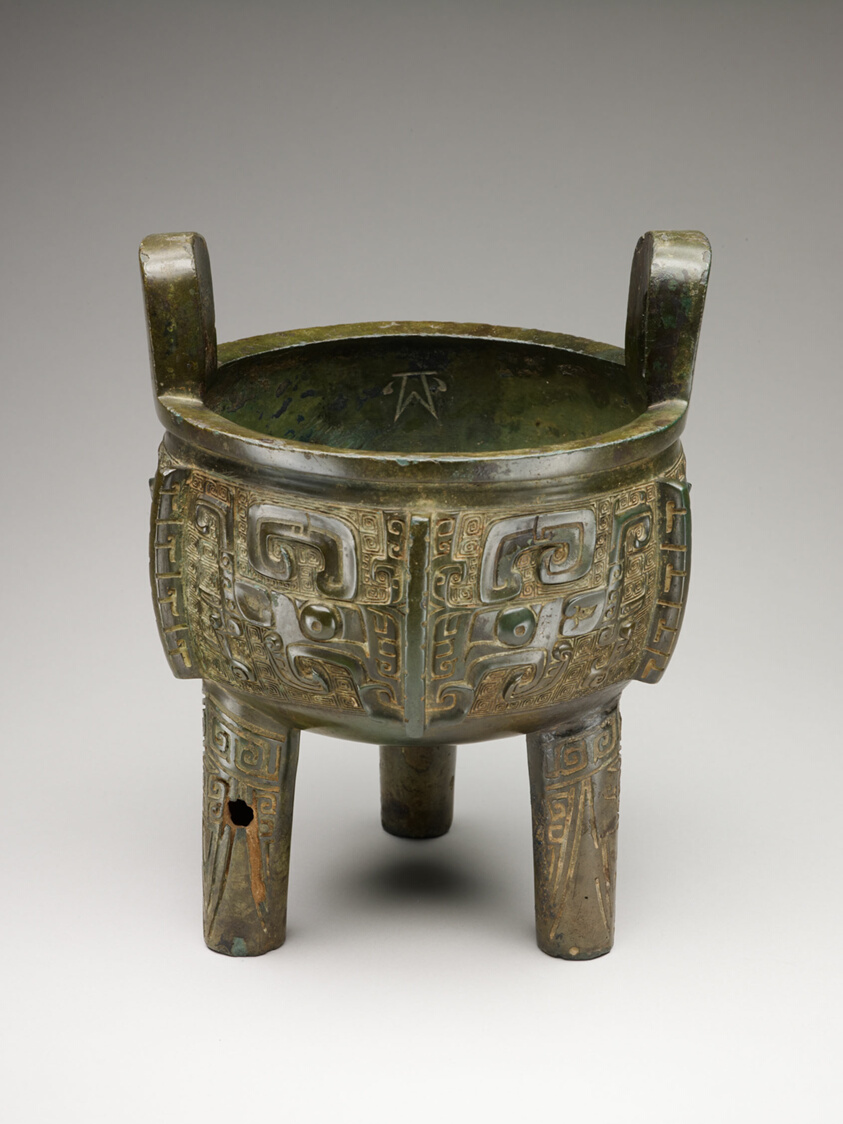
Tripod Cauldron of Ran (Ran ding)
Art Institute of Chicago
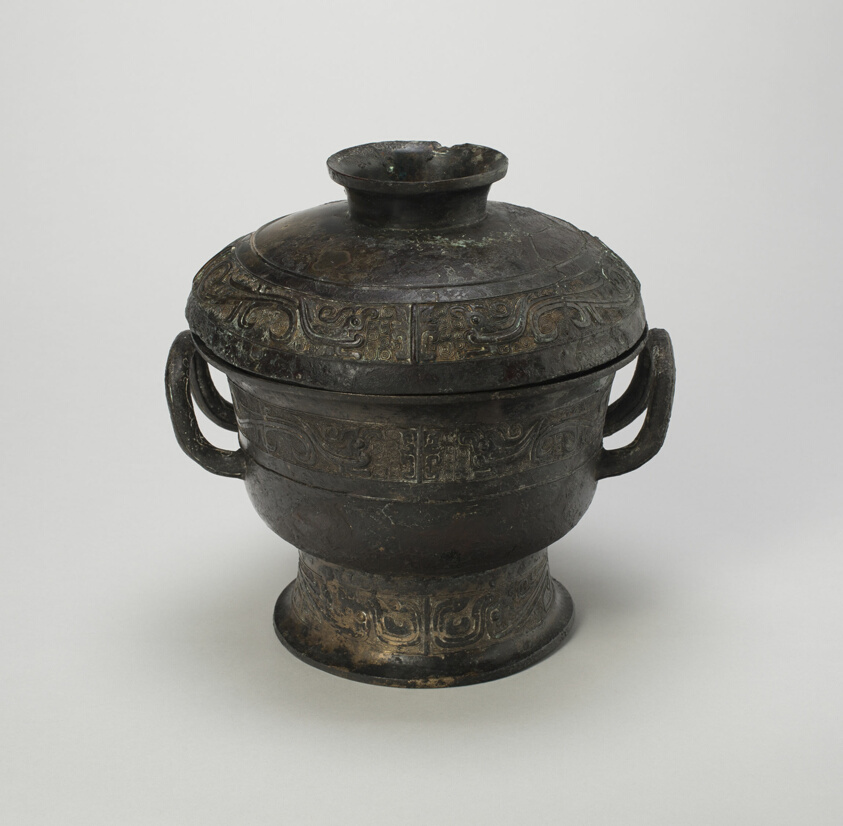
Covered Food Container
Art Institute of Chicago
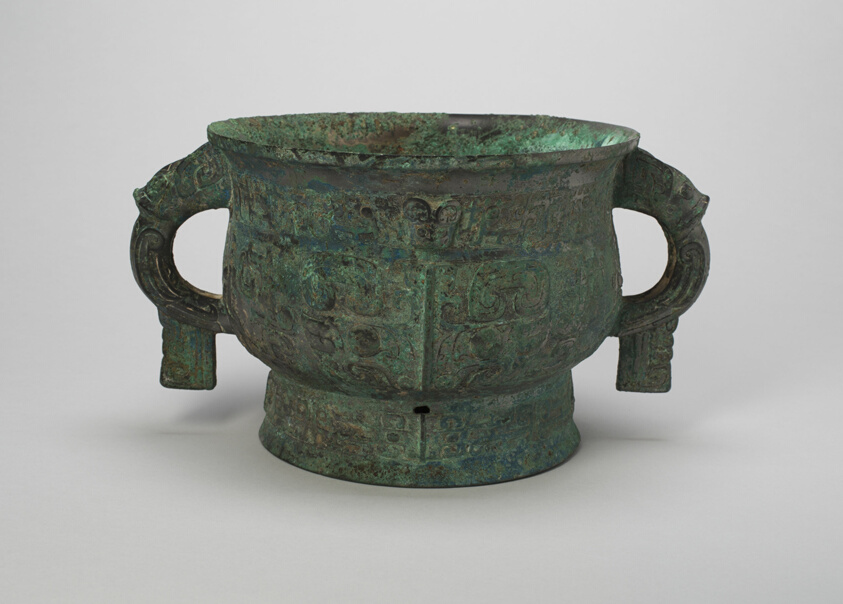
Grain Vessel (Gui)
Art Institute of Chicago
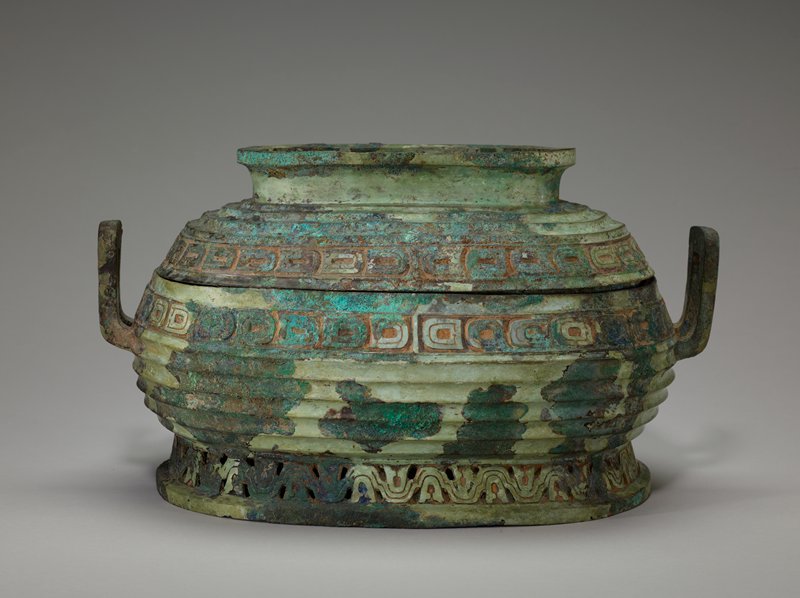
Xu food vessel, one of a pair
Minneapolis Institute of Art

Xu food vessel, one of a pair
Minneapolis Institute of Art
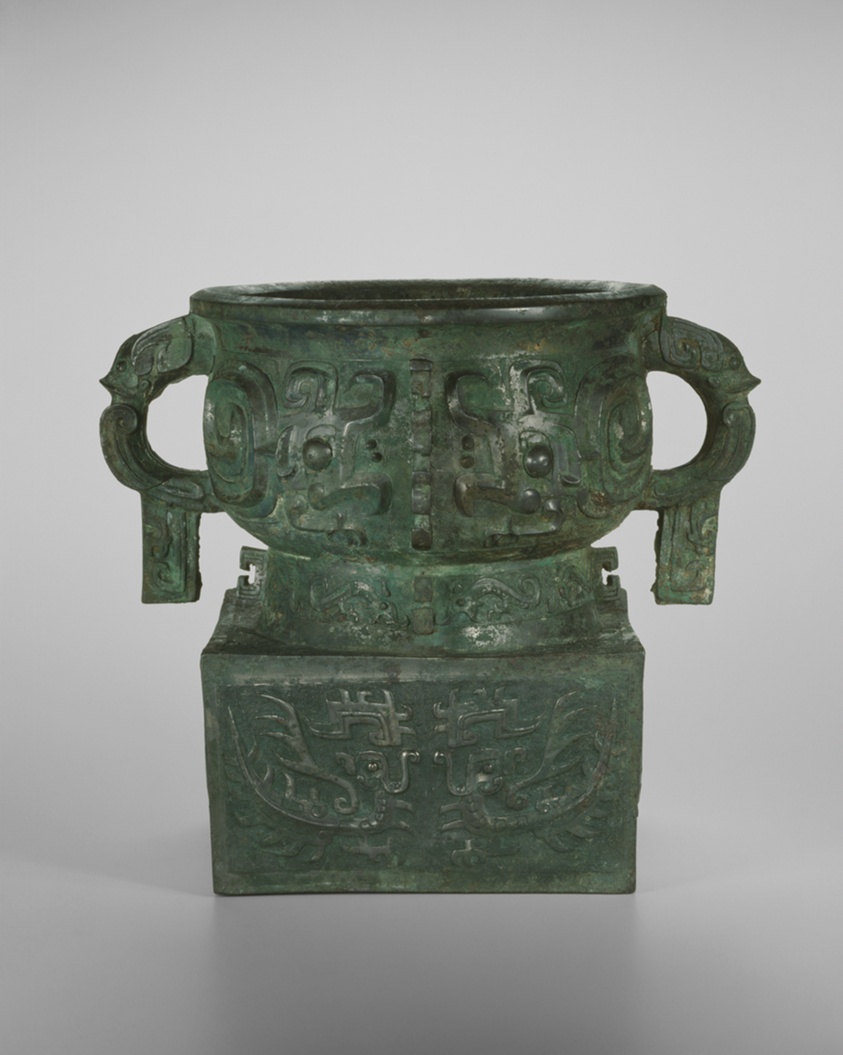
Food container
Art Institute of Chicago

Gui food vessel
Minneapolis Institute of Art
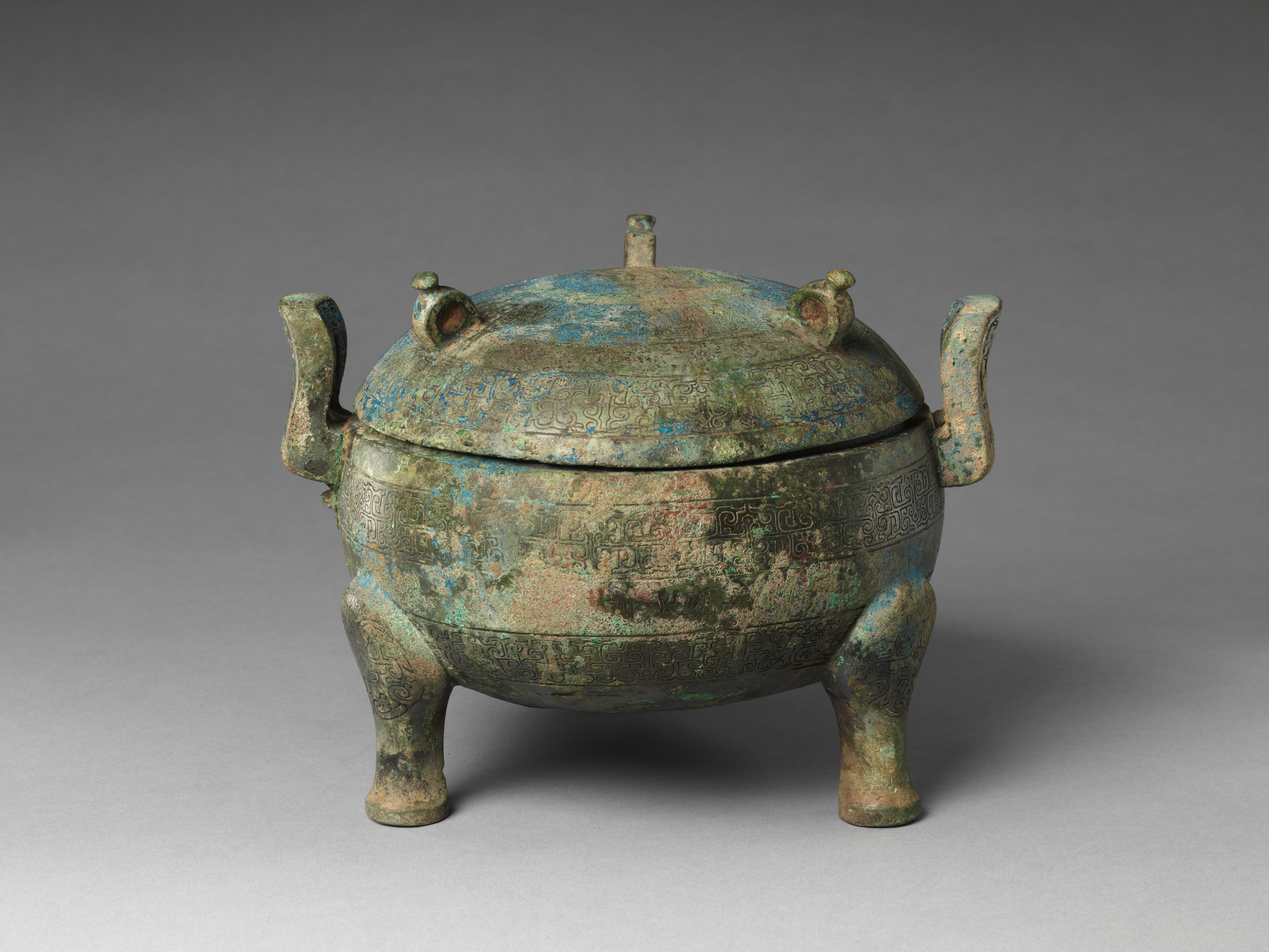
Ritual Tripod Cauldron with Cover (Ding)
The Metropolitan Museum of Art
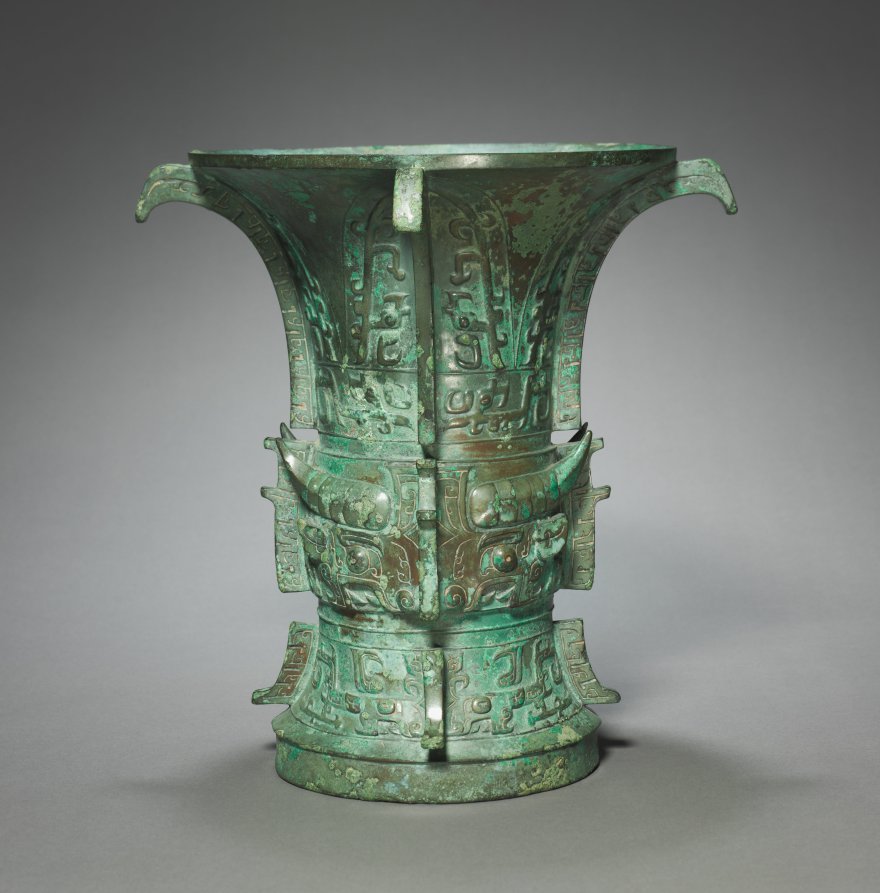
Wine Vessel (Zun)
Cleveland Museum of Art

Ding food vessel
Minneapolis Institute of Art

You wine vessel
Minneapolis Institute of Art
Tripod (Ding)
Cleveland Museum of Art