
Minneapolis Institute of Art
Ding food vessel
China
- Date
- 3rd century BCE
- Medium
- Bronze
- Department
- Asian Art
- Institution
- Minneapolis Institute of Art
The food cauldron, known as a ding , was the most prominent type of ritual vessel during China’s Bronze Age. It was used to cook, hold, and season meat during ceremonies devoted to ancestral spirits. The vertical handles allowed the vessel to be lowered and removed from an open fire. As part of the funerary practices, such bronze ding were buried with the deceased. The number of ding constituting a set depended on the status of the tomb occupant. Rulers were supposed to be buried with nine ding . With its spherical lidded body, three small legs, and prominent handles, this ding is of a simple and elegant type that was produced during the late Warring States period (475–221 BCE) and the succeeding Qin dynasty (221–206 BCE). It contrasts sharply with the more highly decorated and architectonic ding vessels made previously. Asia
The authoritative record is held by Minneapolis Institute of Art. LinkedCulture surfaces this object and its connections; it does not alter institutional metadata.
Related across collections
Semantically similar works from Minneapolis Institute of Art and other institutions.

Ding food vessel
Minneapolis Institute of Art

Ding food vessel
Minneapolis Institute of Art

Ding food vessel
Minneapolis Institute of Art
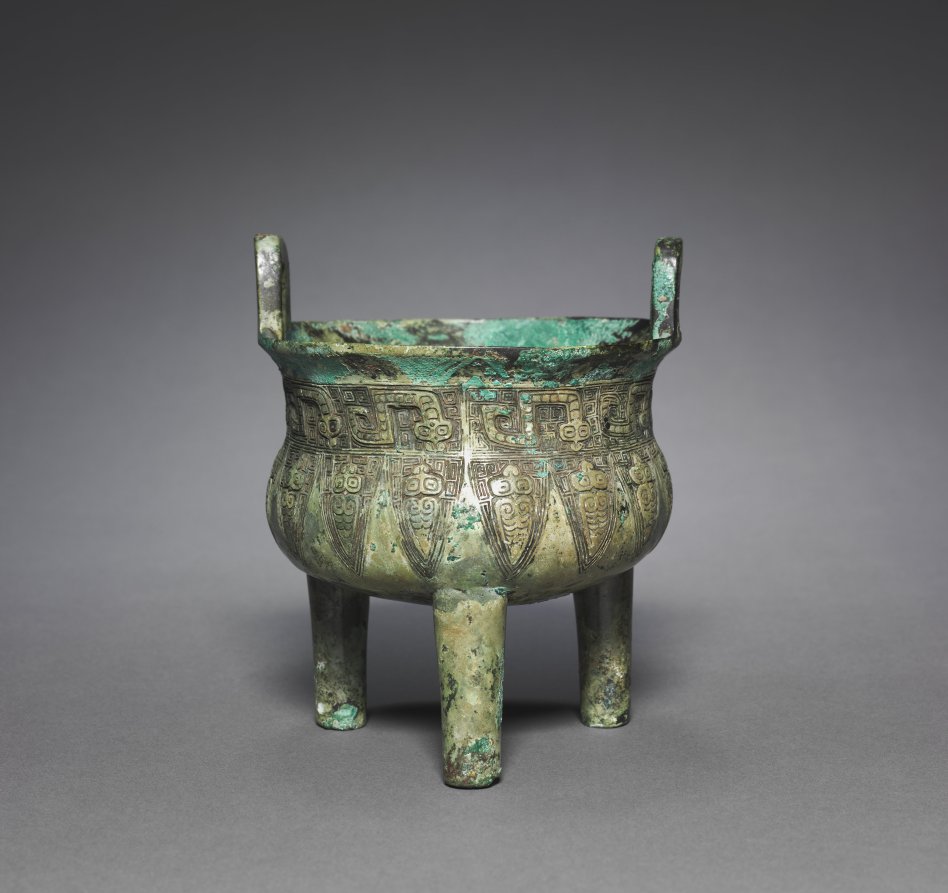
Tripod Cauldron (Ding)
Cleveland Museum of Art

Ding Tripod with Cover
Minneapolis Institute of Art

Gui food vessel
Minneapolis Institute of Art

Ding food vessel
Minneapolis Institute of Art

Gui food vessel
Minneapolis Institute of Art

Ding food vessel
Minneapolis Institute of Art

Ding food vessel
Minneapolis Institute of Art
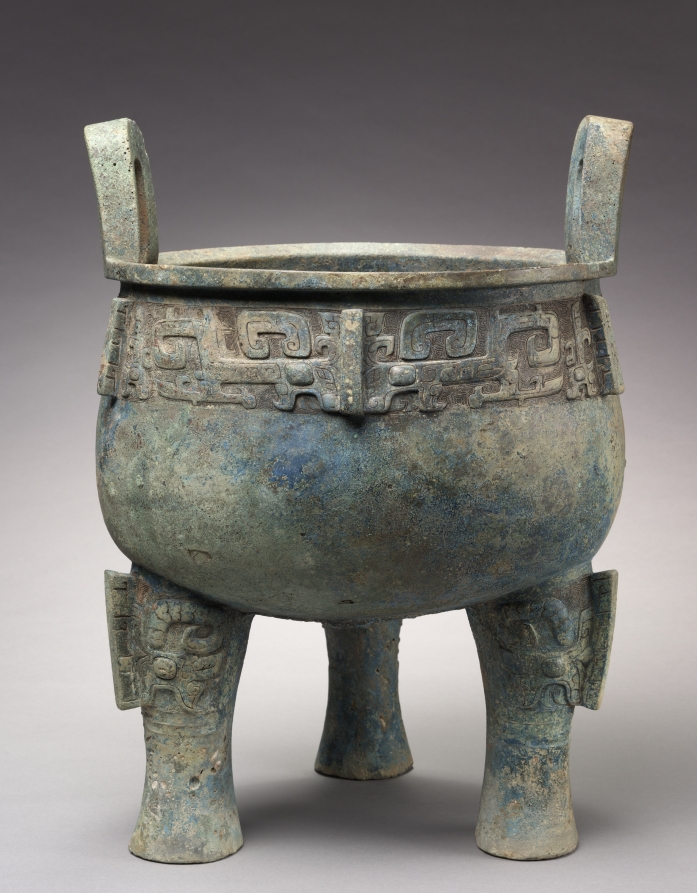
Tripod (Ding)
Cleveland Museum of Art

Liding food vessel
Minneapolis Institute of Art