Art Institute of Chicago
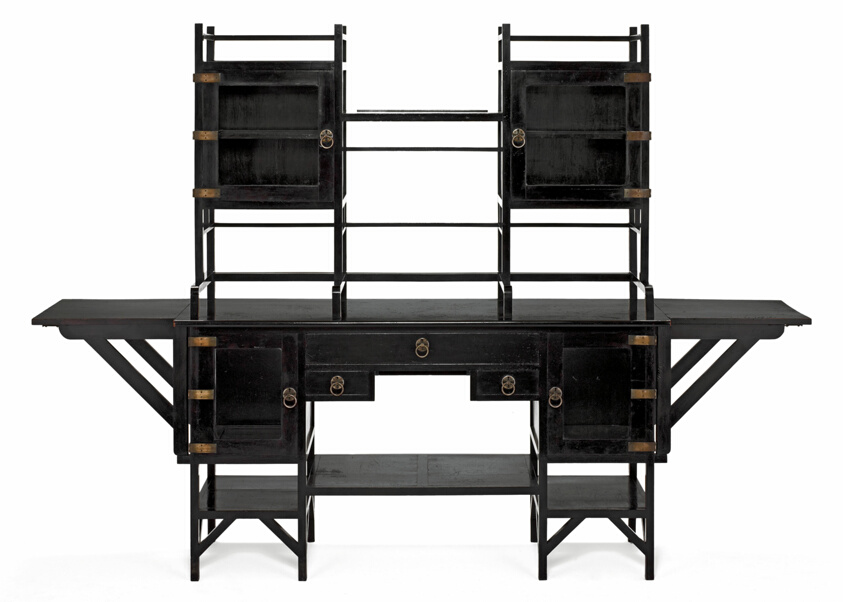
Sideboard
Designed by Edward William Godwin (English, 1833-1886)
- Date
- Designed 1867, made c. 1876
- Medium
- Ebonized mahogany with glass and silvered brass
- Culture
- England
- Department
- Applied Arts of Europe
- Institution
- Art Institute of Chicago
Celebrated as the “poet of architects and architect of all the arts,” Edward William Godwin was a man of many accomplishments. In a career that spanned more than thirty-five years, he was an architect of civic, domestic, and ecclesiastical buildings; an innovative interior decorator and designer of furniture, textiles, and theater sets; and an articulate critic of art and architecture. Godwin first designed his ebonized sideboard, of which this is a variant model, for his own dining room in 1867, and he subsequently reconsidered the form over the next two decades. In its appearance, the sideboard represents a turning away from the weight of contemporary Gothic Revival aesthetics and a move toward a reductionist sensibility expressed through the balance of solids and voids. This spare style gained Godwin some notable contemporary clients, among them James McNeill Whistler and Oscar Wilde. In his 1904 study The English House , the influential German critic Hermann Muthesius wrote that Godwin’s furniture, including this sideboard, foreshadowed the more modern look that emerged at the turn of the twentieth century. While calling Godwin’s creations “wildly picturesque,” Muthesius concluded that the overall effect was “one of elegance.”
The authoritative record is held by Art Institute of Chicago. LinkedCulture surfaces this object and its connections; it does not alter institutional metadata.
Linked open data
Authority identifiers that link this record into the wider web of cultural data — stable references you can follow to the source.
- Object type
- AAT300037336
Related across collections
Semantically similar works from Art Institute of Chicago and other institutions.

Greek-style side chair
Minneapolis Institute of Art

Side cabinet
Minneapolis Institute of Art
Sideboard
Art Institute of Chicago
Sideboard and Wine Cabinet
Art Institute of Chicago
Sideboard
Art Institute of Chicago
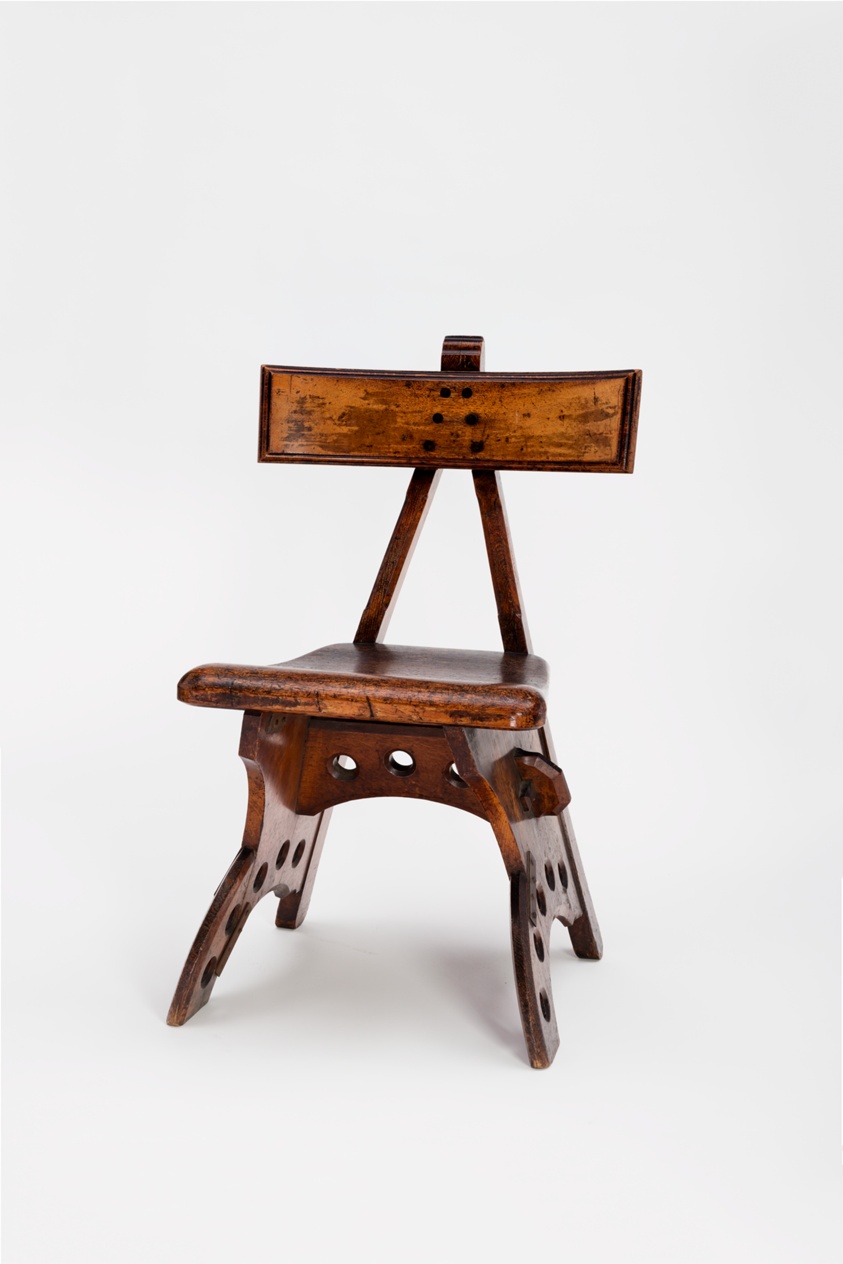
Side Chair
Art Institute of Chicago
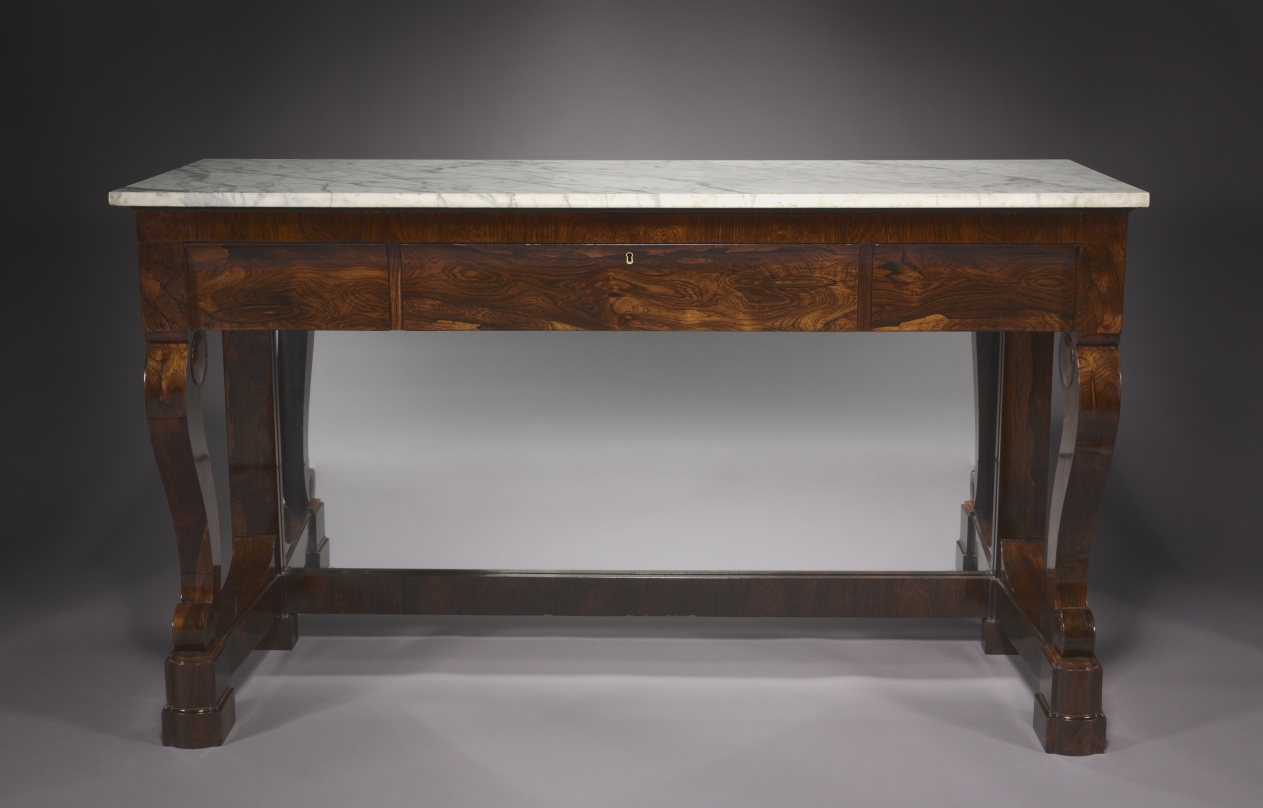
Sideboard
Cleveland Museum of Art
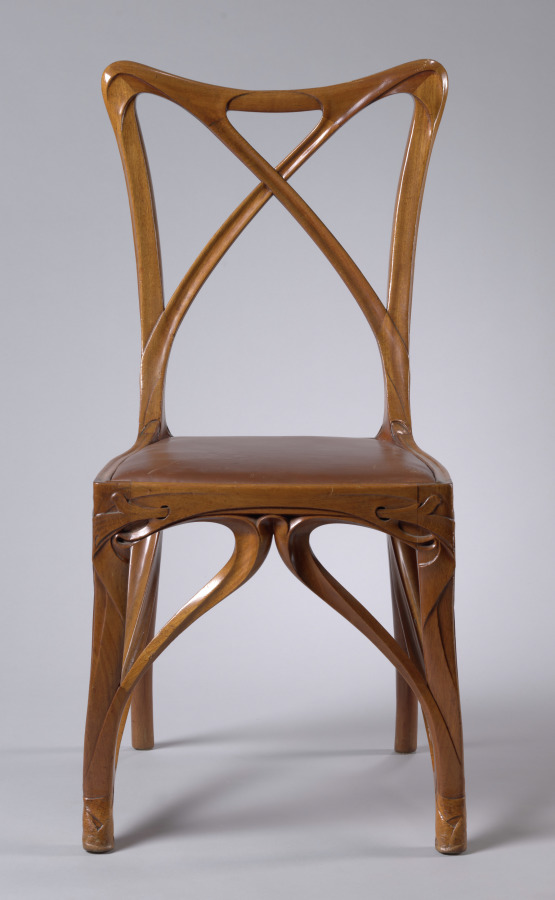
Side Chair
Cleveland Museum of Art
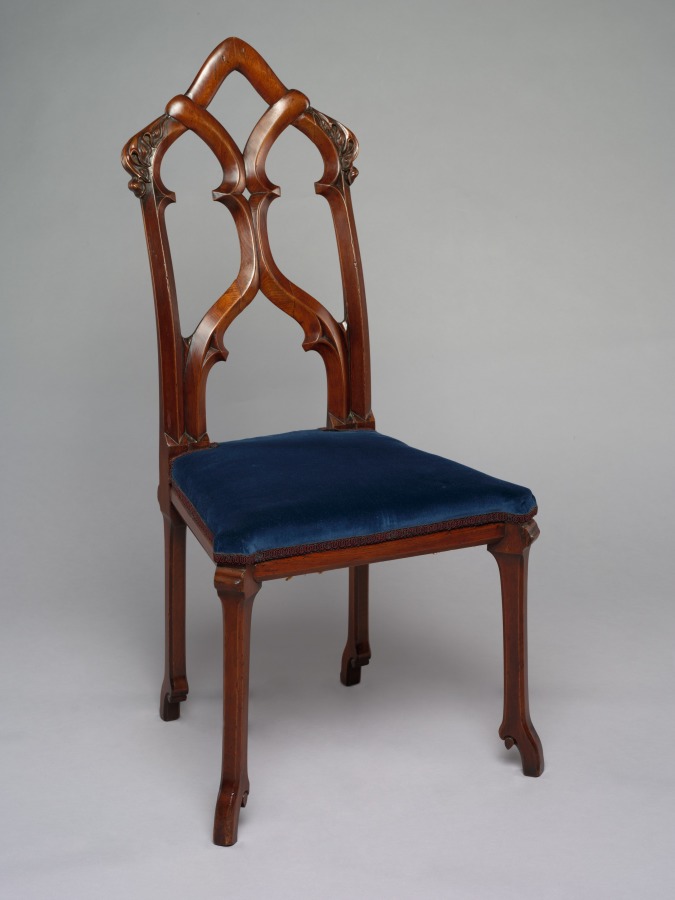
Side Chair: Gothic Revival Style
Cleveland Museum of Art

Sideboard
Minneapolis Institute of Art
Sideboard
Cleveland Museum of Art
Sideboard
Art Institute of Chicago