Cleveland Museum of Art
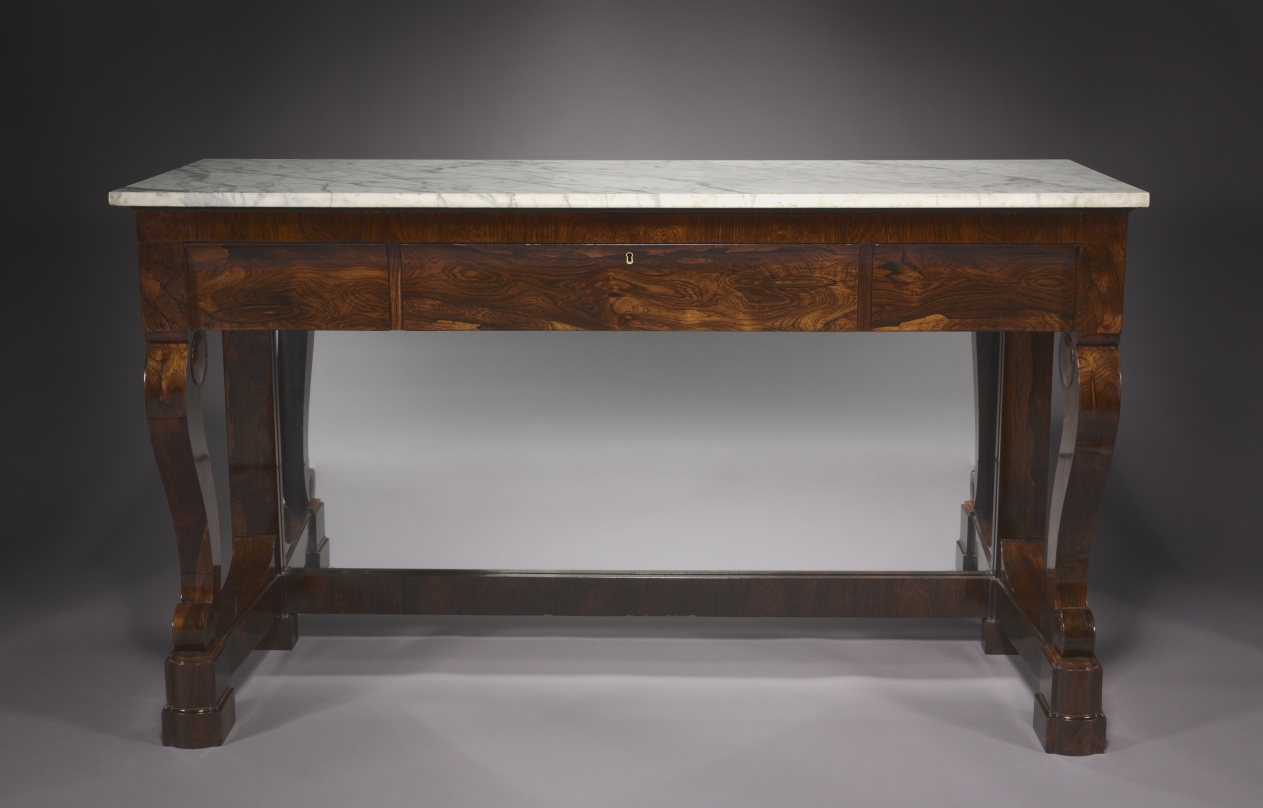
Sideboard
Duncan Phyfe and Son
- Date
- c. 1840
- Medium
- chiefly rosewood veneer with pine and poplar secondary woods
- Culture
- America, New York
- Department
- Decorative Art and Design
- Institution
- Cleveland Museum of Art
Easily the most famous American furniture maker, Duncan Phyfe (born Scotland, 1768-1854) gave his name to New York furniture that is similar to English Sheraton pieces of the early 19th century-characterized by simple designs, straight lines, thin legs, and classical ornamentation. Despite the fashionable success enjoyed by his work, Phyfe responded to stylistic changes, and by the 1830s had evolved a more severe mode that has been termed the "Grecian plain style." This sideboard and its cellarette (a cabinet for storing wine or liquor) are superb examples of that taste, relying for their effect on relatively simple structural forms with ornamentation largely limited to the use of boldly patterned rosewood veneers. This sideboard and cellarette would have graced a 19th-century room. Notice the keyholes on the drawers of both pieces. Expensive silver utensils were stored in the sideboard and wine was kept under lock and key in the cellarette.
The authoritative record is held by Cleveland Museum of Art. LinkedCulture surfaces this object and its connections; it does not alter institutional metadata.
Related across collections
Semantically similar works from Cleveland Museum of Art and other institutions.
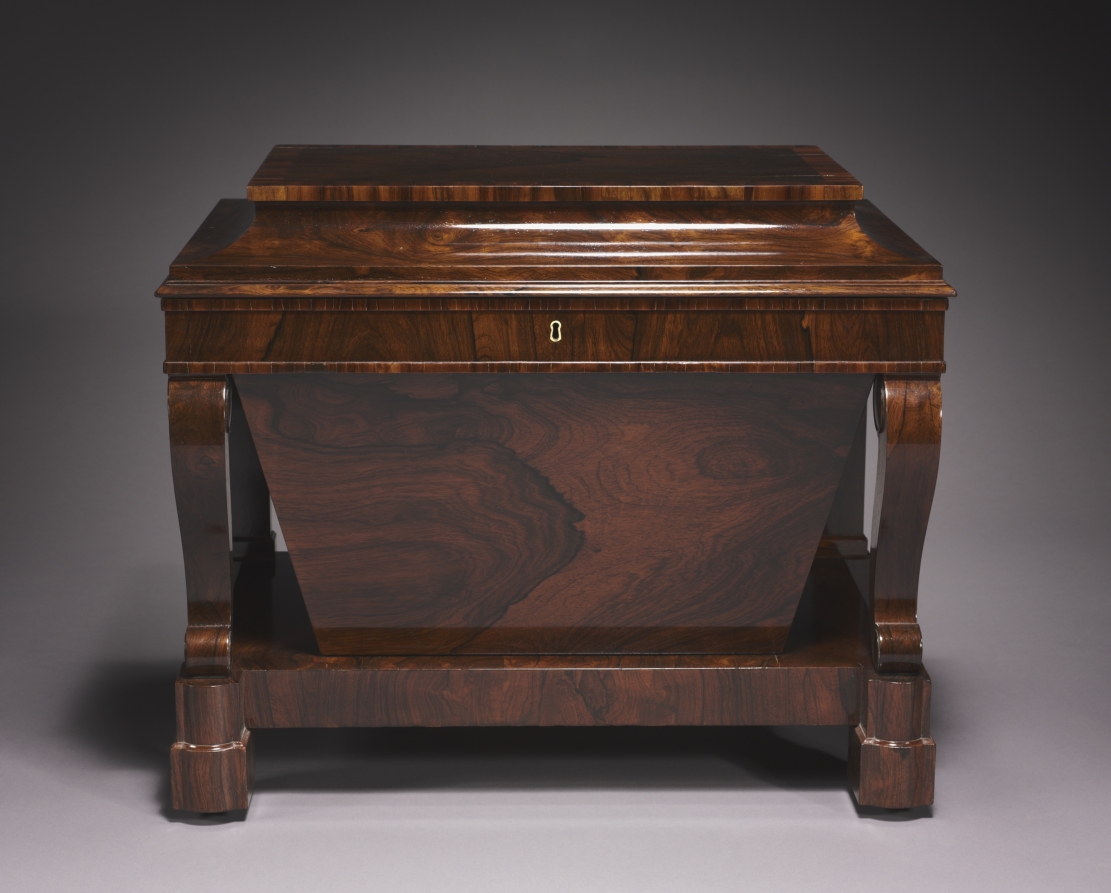
Cellarette
Cleveland Museum of Art
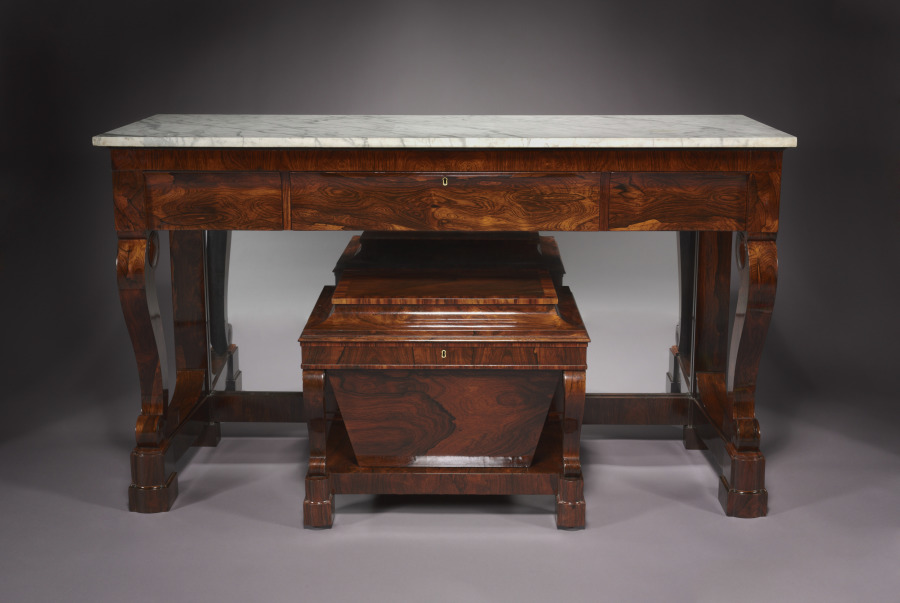
Sideboard and Cellarette
Cleveland Museum of Art
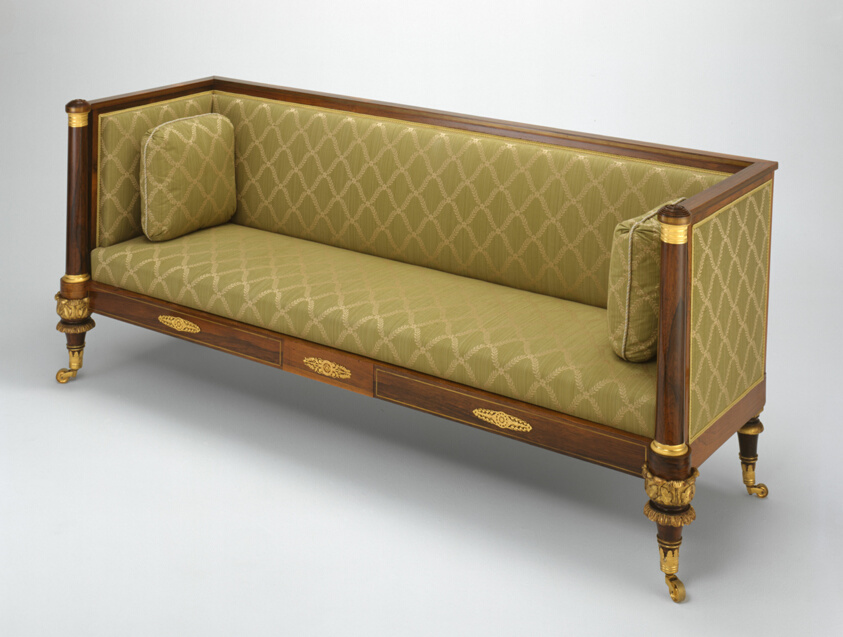
Box Sofa
Art Institute of Chicago
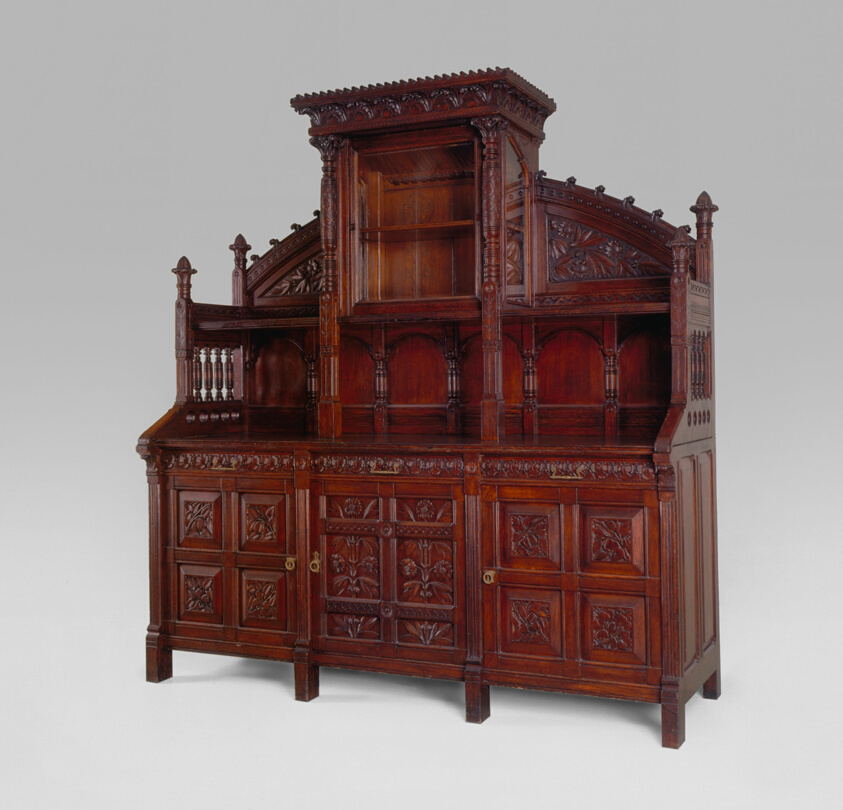
Sideboard
Art Institute of Chicago
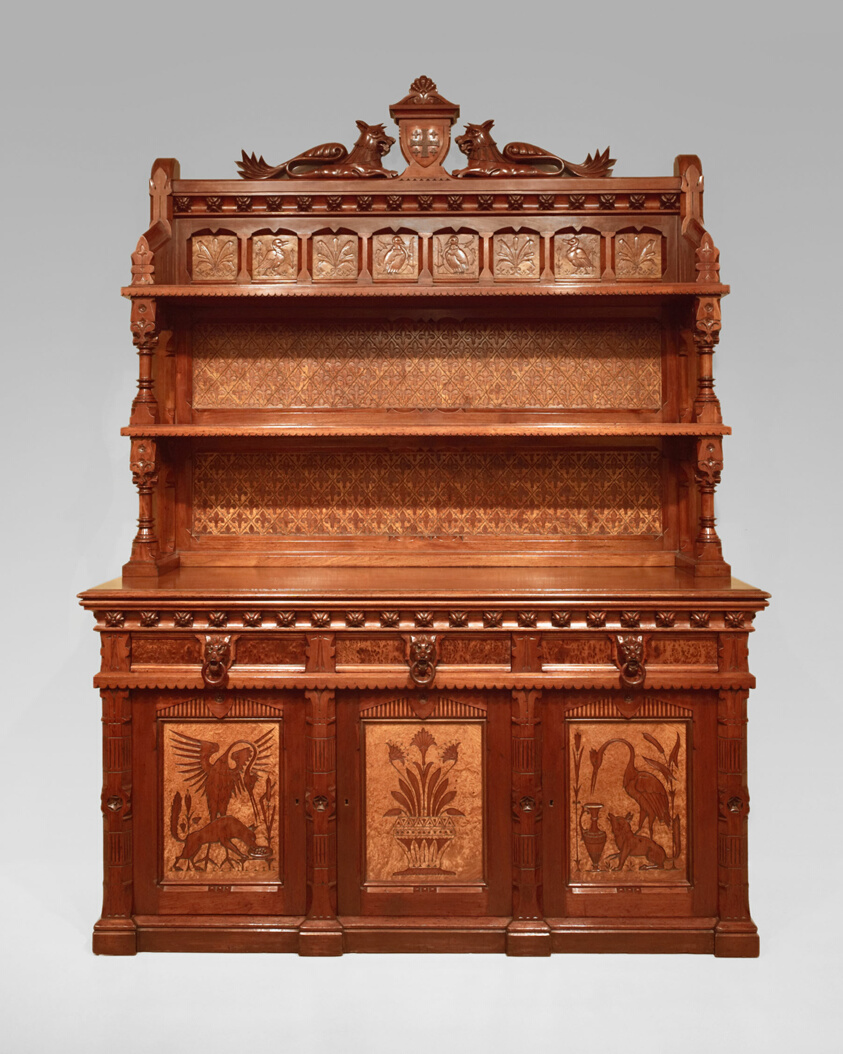
Sideboard
Art Institute of Chicago
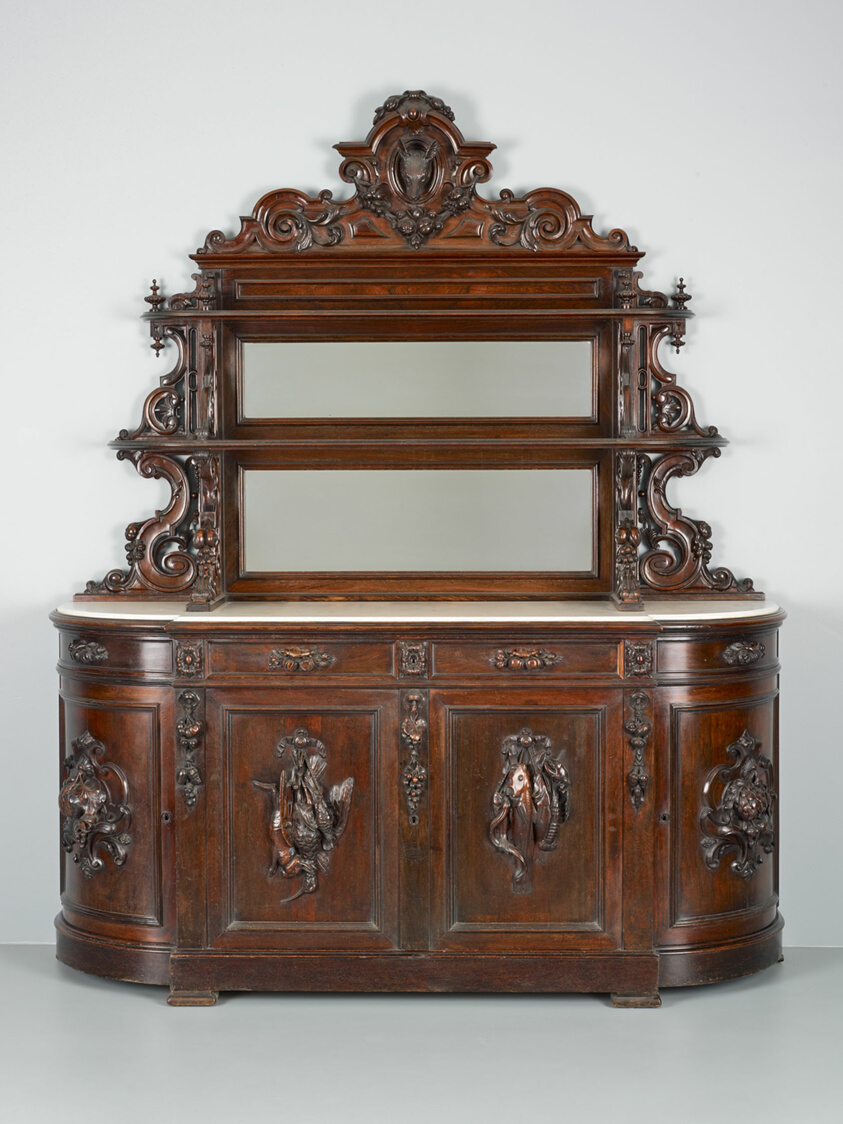
Sideboard
Art Institute of Chicago

Side chair
Minneapolis Institute of Art
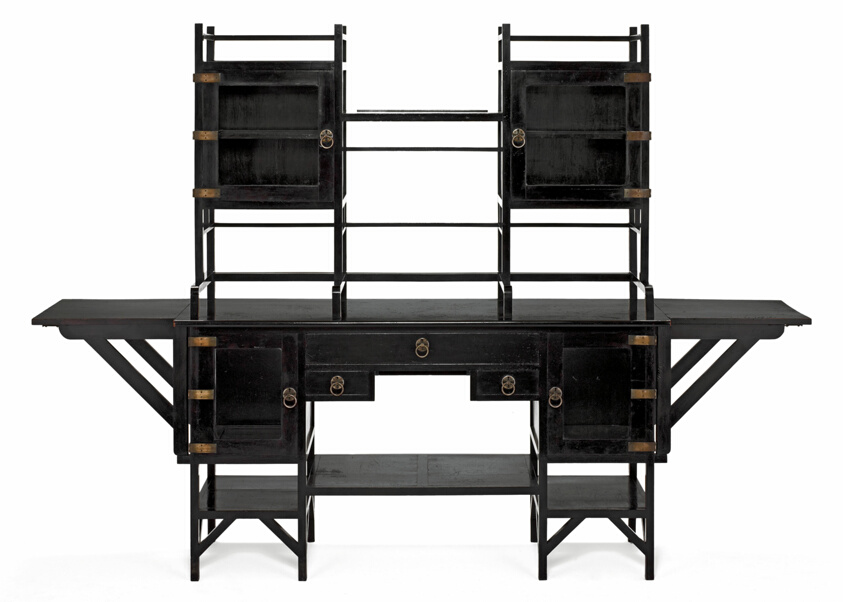
Sideboard
Art Institute of Chicago
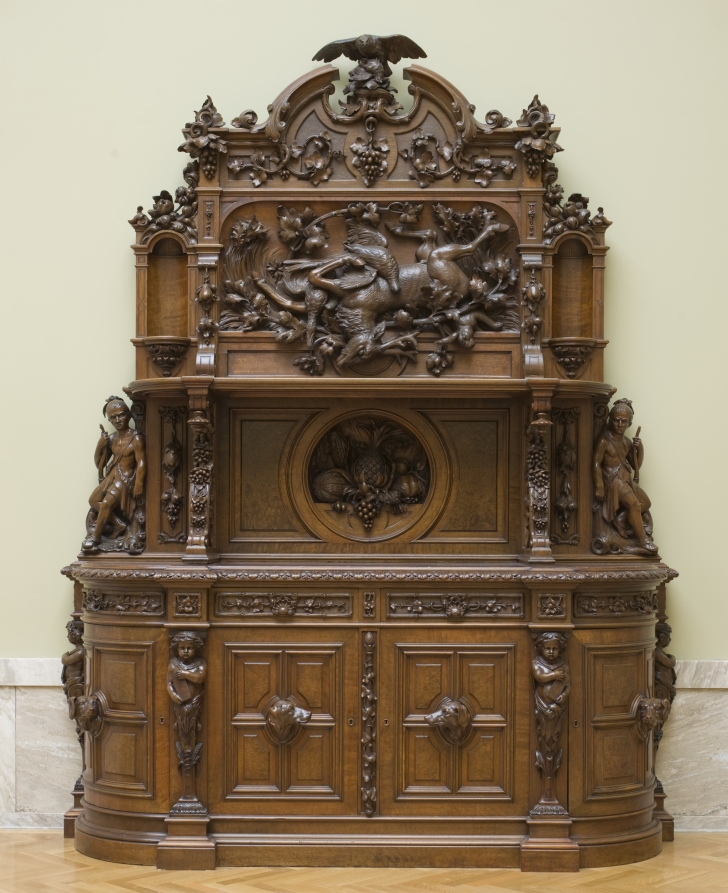
Sideboard
Cleveland Museum of Art
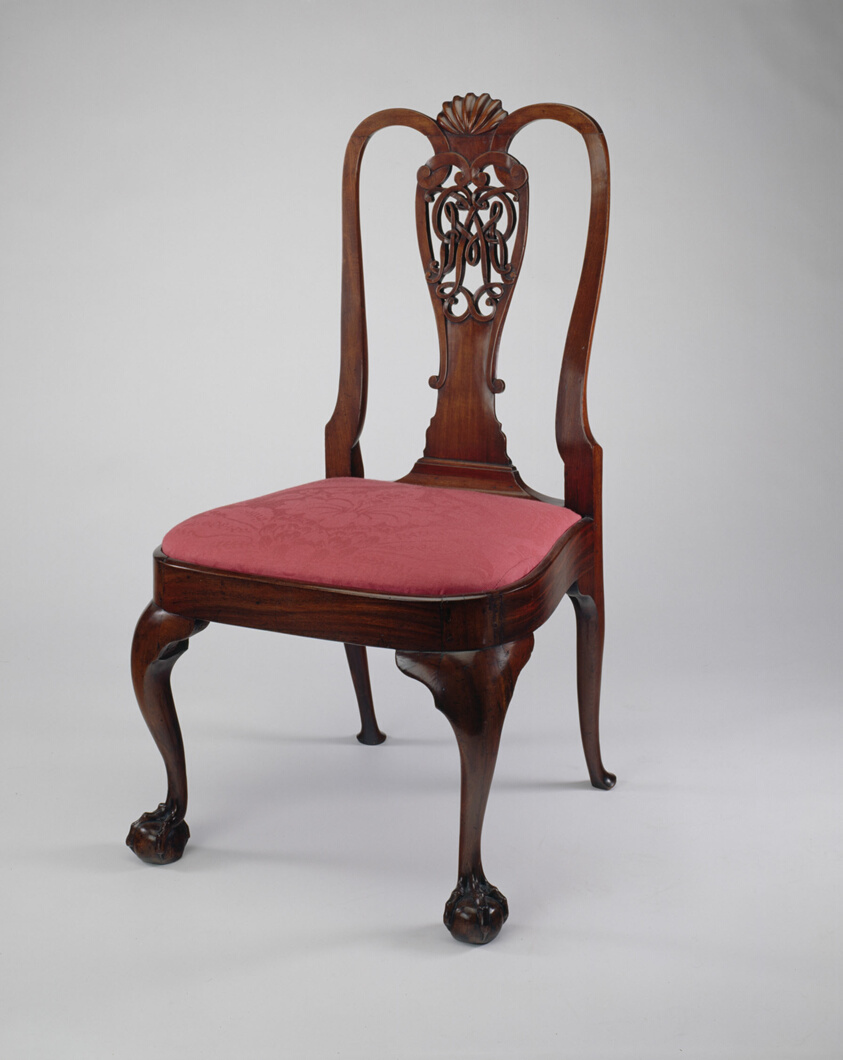
Side Chair
Art Institute of Chicago
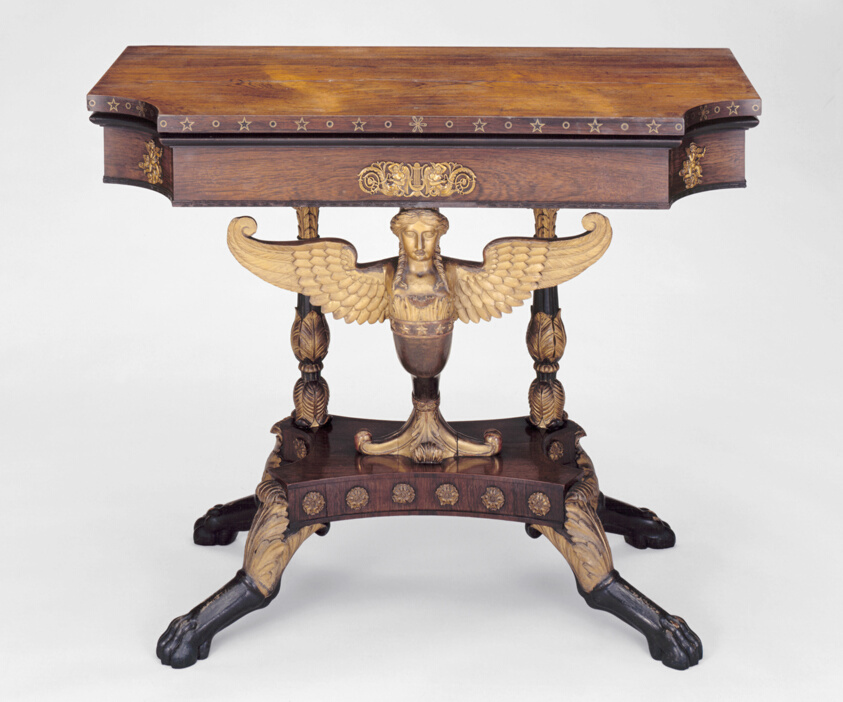
Card Table
Art Institute of Chicago

Sideboard
Minneapolis Institute of Art