Art Institute of Chicago
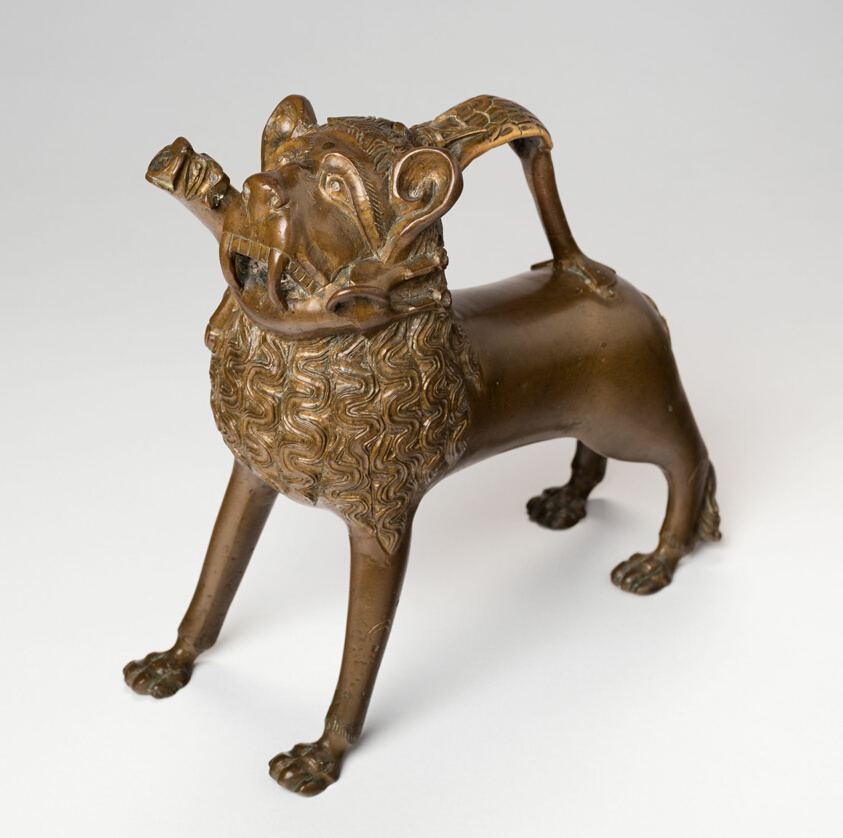
Aquamanile in the Form of a Lion
Follower of Johannes Apengeter
- Date
- c. 1350
- Medium
- Copper alloy
- Culture
- Germany
- Department
- Applied Arts of Europe
- Institution
- Art Institute of Chicago
As the name suggests, an aquamanile—from the Latin for water ( aqua ) and hand ( manus )—is a ewer intended for hand washing. While such vessels were used in both sacred and secular rituals during the Middle Ages, they were also inventive sculptural objects. They usually featured animal forms that could be either whimsical or imposing. This aquamanile, produced by a northern German artist around 1350, takes the shape of a lion, but incorporates three other creatures: a dog that is locked in the lion’s fierce jaws, a basilisk or winged dragon on the lion’s back forming the pitcher’s handle, and a serpentine creature at the end of the lion’s tail.
The authoritative record is held by Art Institute of Chicago. LinkedCulture surfaces this object and its connections; it does not alter institutional metadata.
Related across collections
Semantically similar works from Art Institute of Chicago and other institutions.
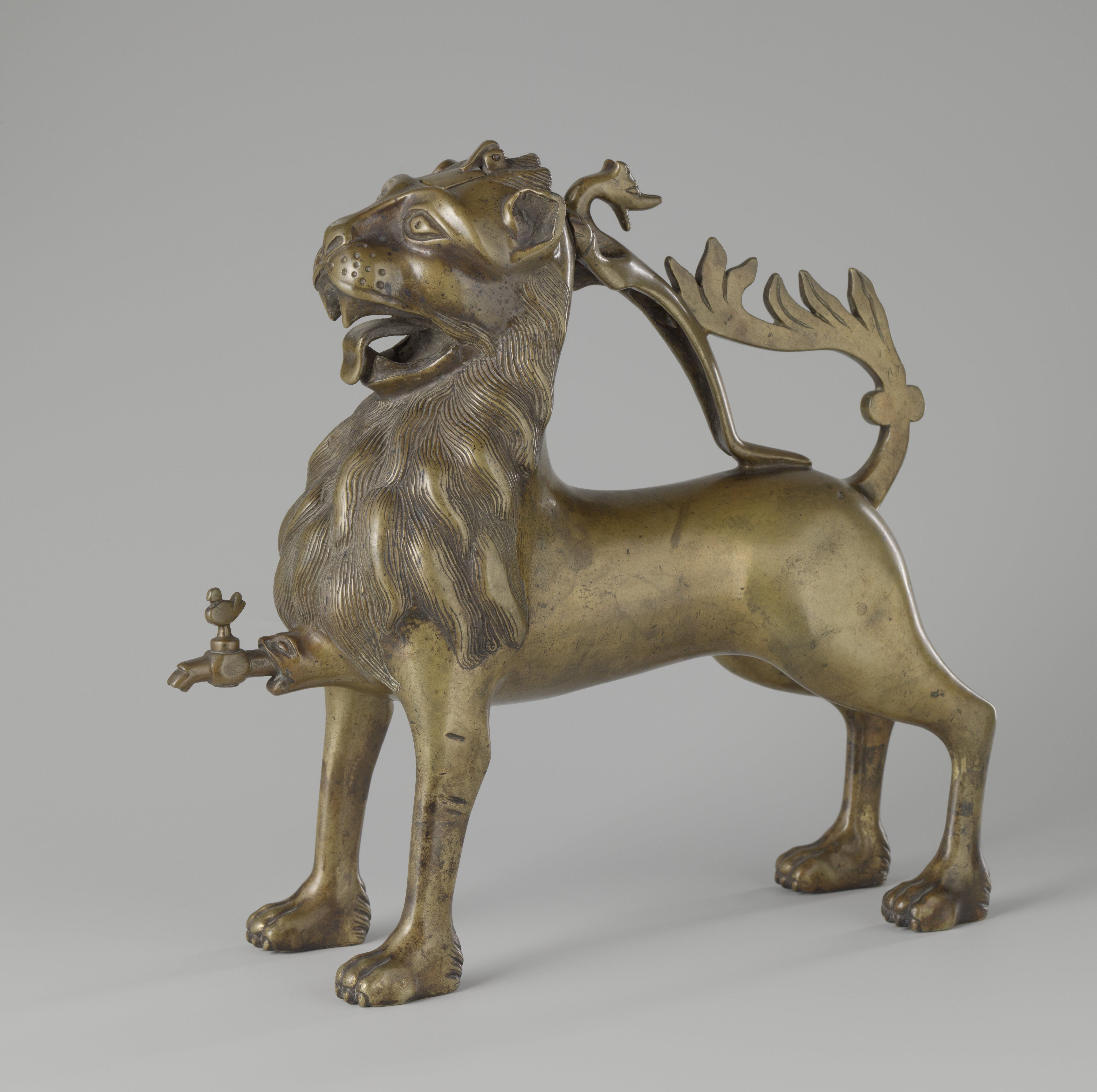
Aquamanile in the form of a lion
Rijksmuseum
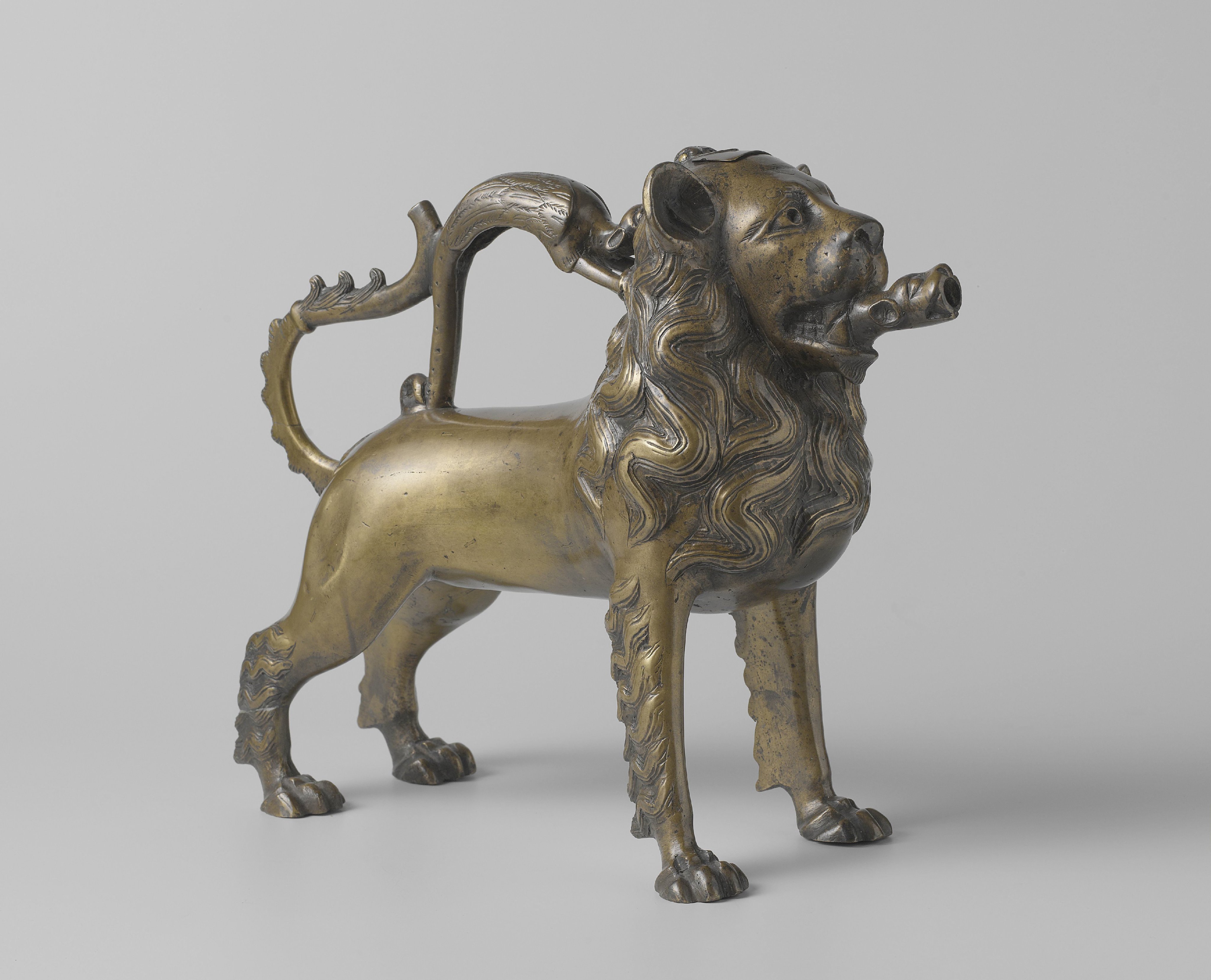
Aquamanile in the form of a lion
Rijksmuseum
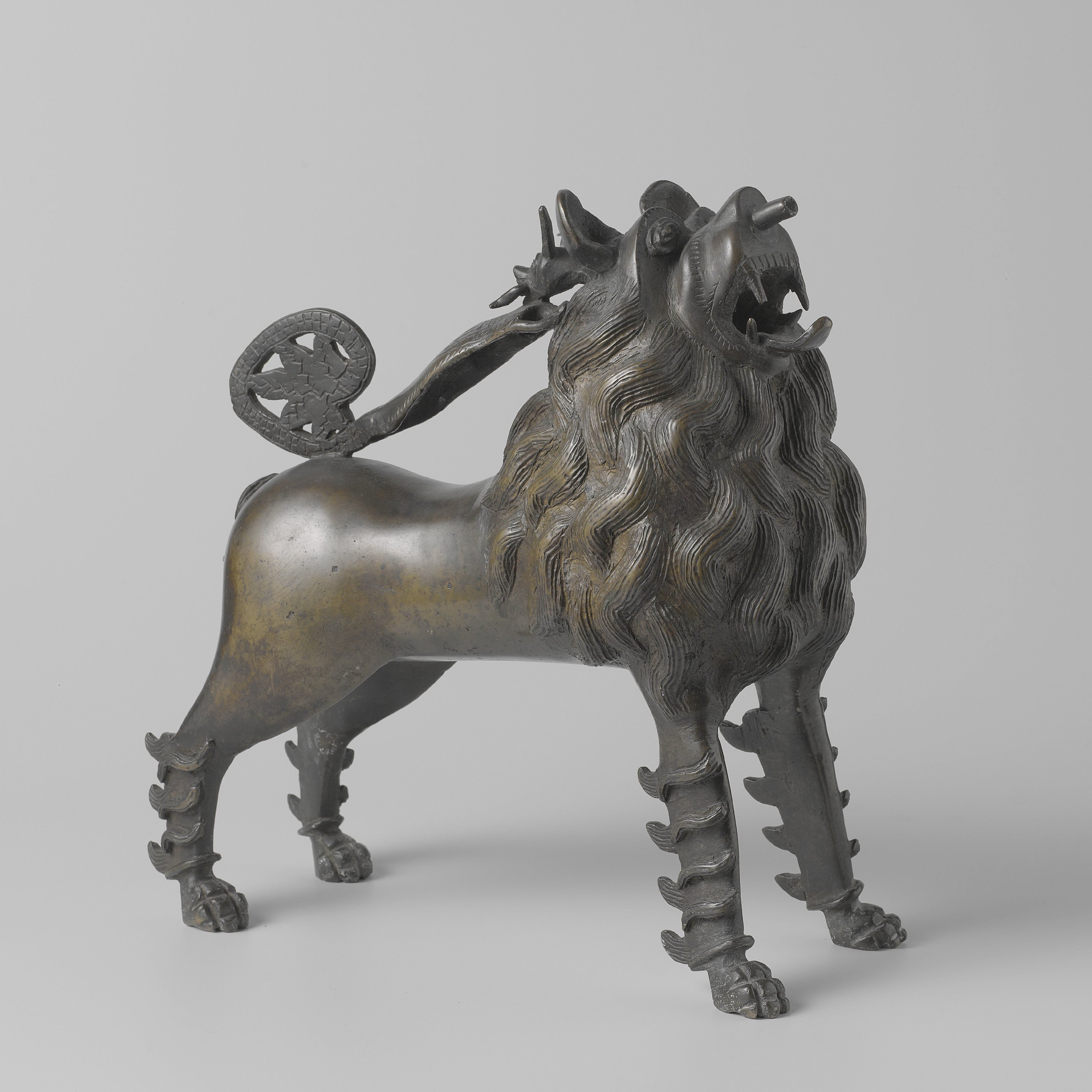
Aquamanile in the form of a lion
Rijksmuseum
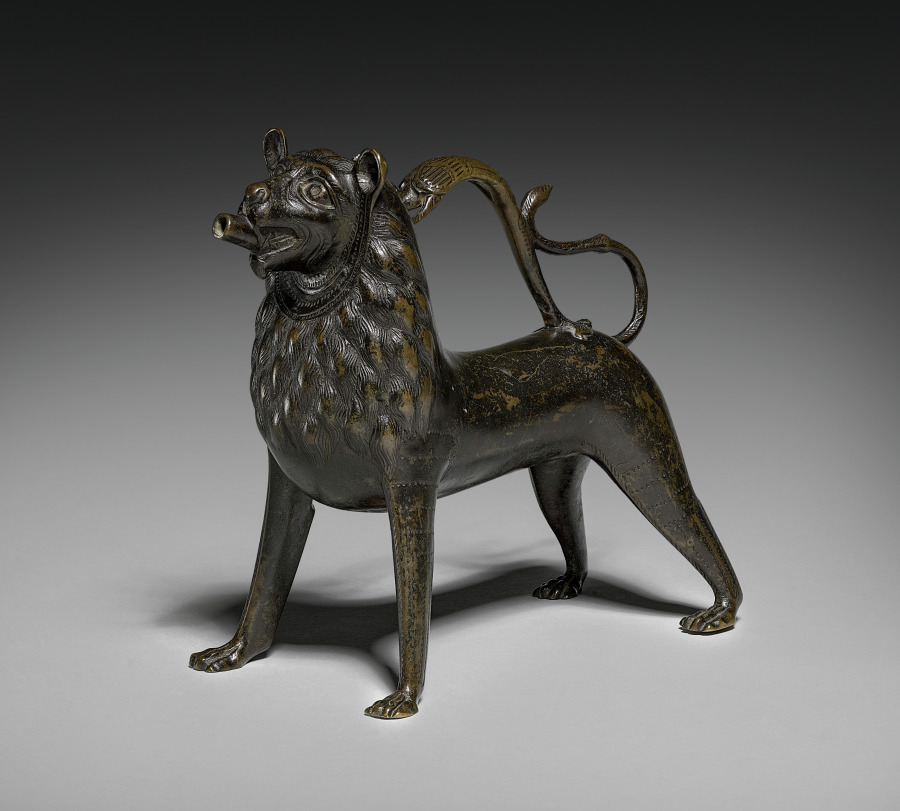
Lion Aquamanile
Cleveland Museum of Art
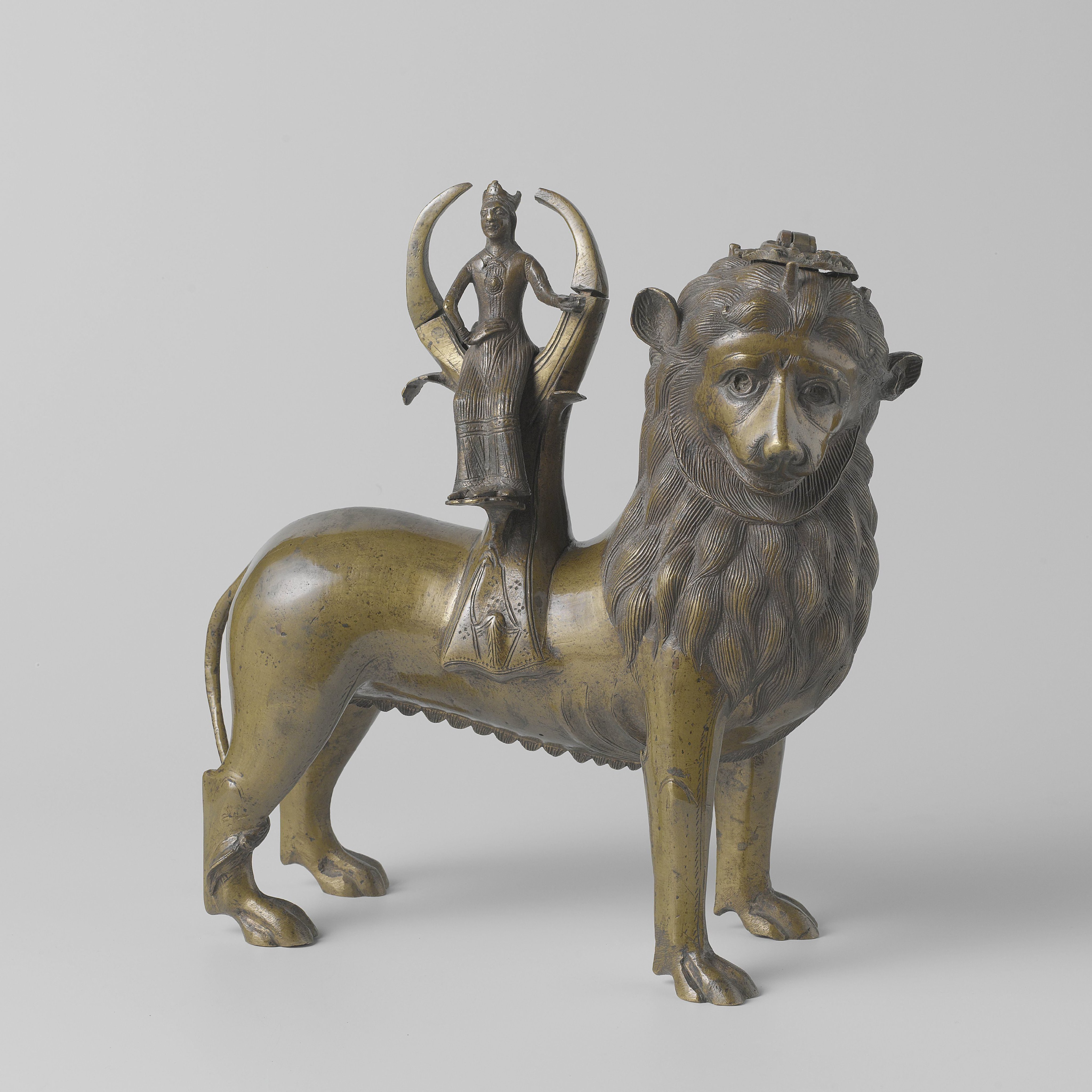
Aquamanile in the Form of a Lion with a Mounted Female Figure
Rijksmuseum
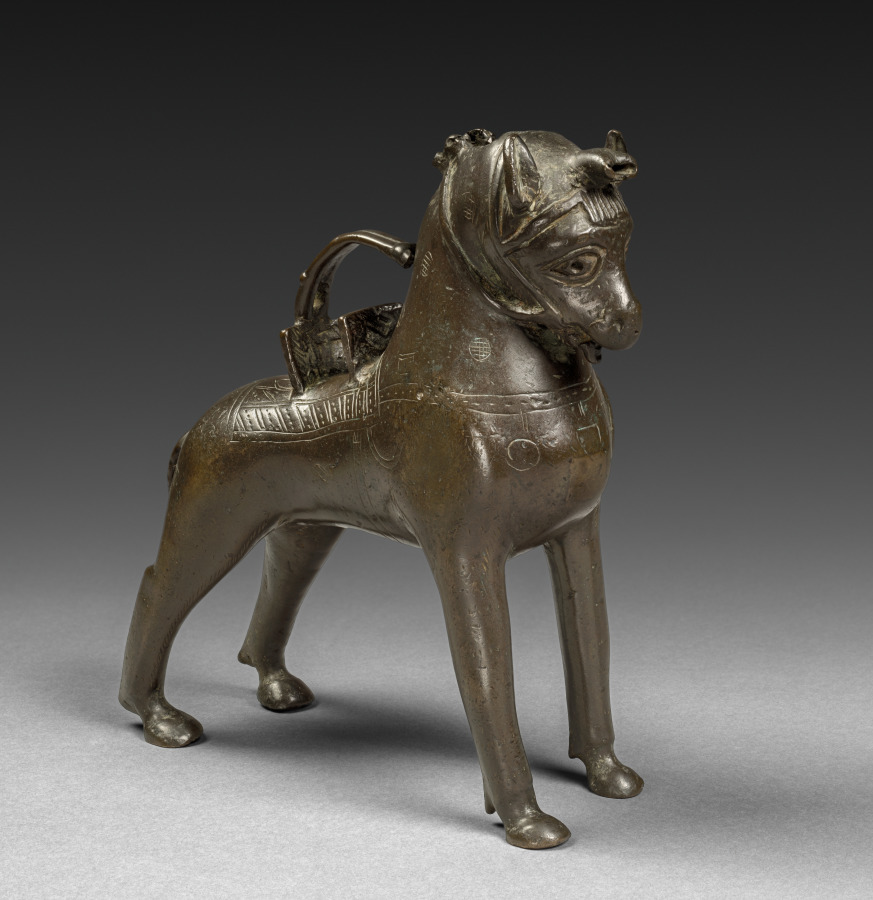
Aquamanile: Saddled Horse
Cleveland Museum of Art

Statuette of a lion
Minneapolis Institute of Art

Water pitcher
Minneapolis Institute of Art

Aquamanile in the Form of a Unicorn
The Metropolitan Museum of Art

Lion Aquamanile
Minneapolis Institute of Art
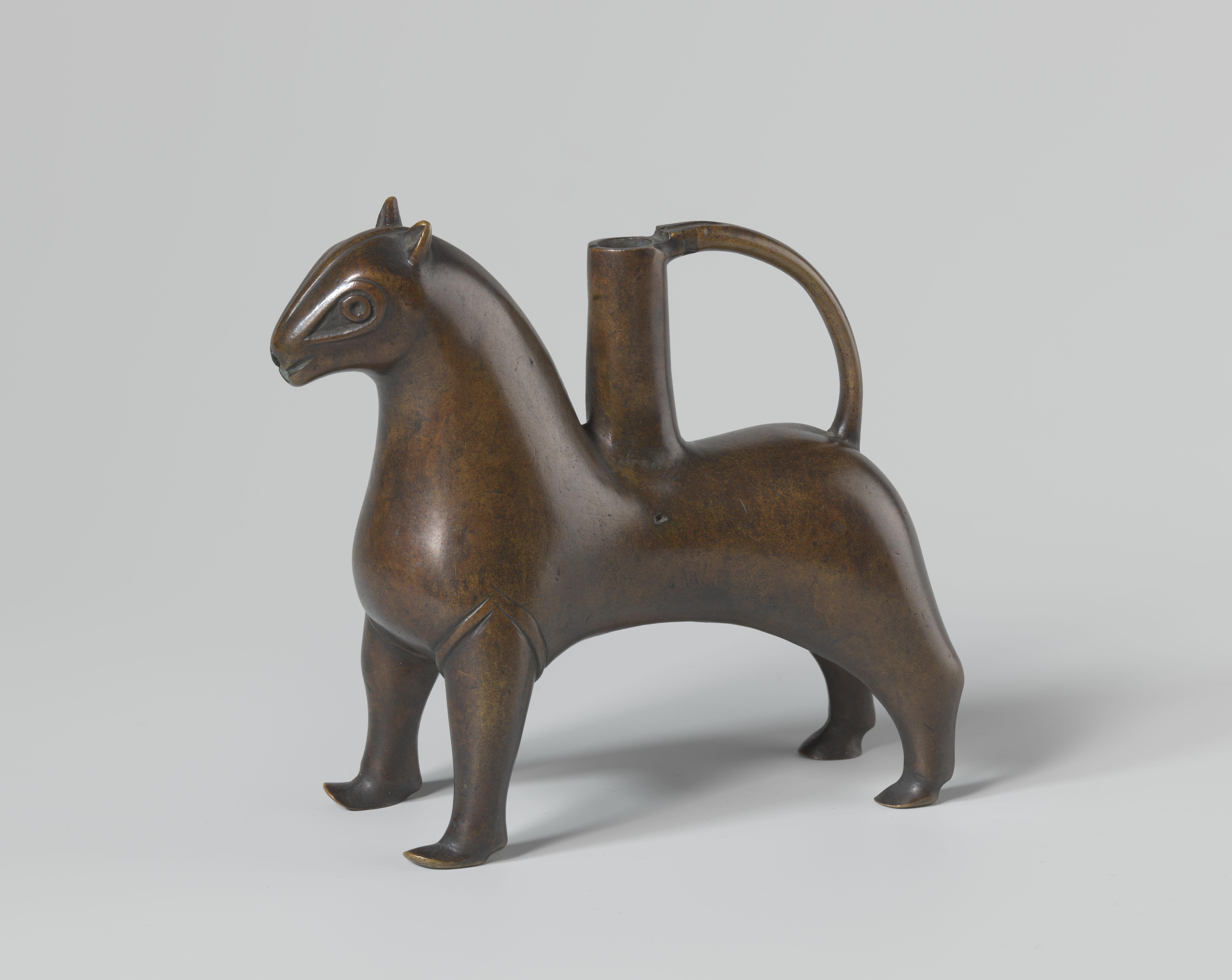
Aquamanile in the form of a horse
Rijksmuseum
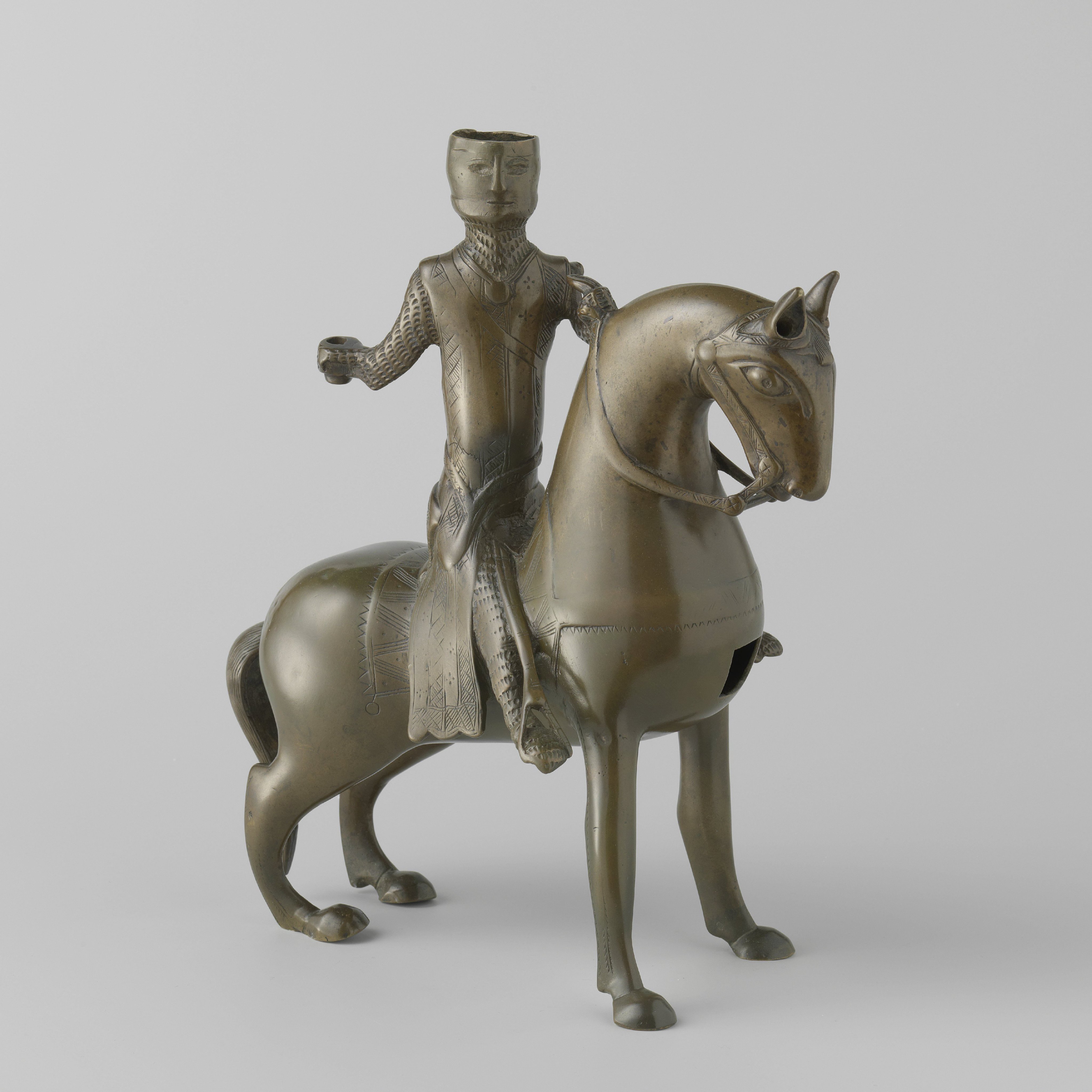
Aquamanile in the Form of a Mounted Knight
Rijksmuseum