
Minneapolis Institute of Art
Water pitcher
Edo artist
- Date
- 18th century
- Medium
- Bronze
- Culture
- Edo
- Department
- Arts of Global Africa
- Institution
- Minneapolis Institute of Art
This specially shaped vessel, called an aquamanile (from the Latin for “water” and “hand”), was used by kings, or obas, of the Benin Kingdom during hand-washing ceremonies. It was filled at the top of the head, its tail acted as a handle, and water was poured from its two nostrils. The leopard was an important symbol of the oba, embodying ferocity, intelligence, agility, and speed. The balanced posture indicates strength, while the perked ears and bared fangs show awareness and aggression—traits the king was expected to have. Animal-shaped aquamaniles were introduced between 900 and 1200 from the Islamic world to Europe, and brought to the Benin peoples by Portuguese traders who came by sea. In Benin belief, the mid-fifteenth-century king Ewuare the Great is credited with gathering aquamanile vessels from the underwater palace of Olokun, the god of the sea. Edo, Nigeria, Africa
The authoritative record is held by Minneapolis Institute of Art. LinkedCulture surfaces this object and its connections; it does not alter institutional metadata.
Related across collections
Semantically similar works from Minneapolis Institute of Art and other institutions.
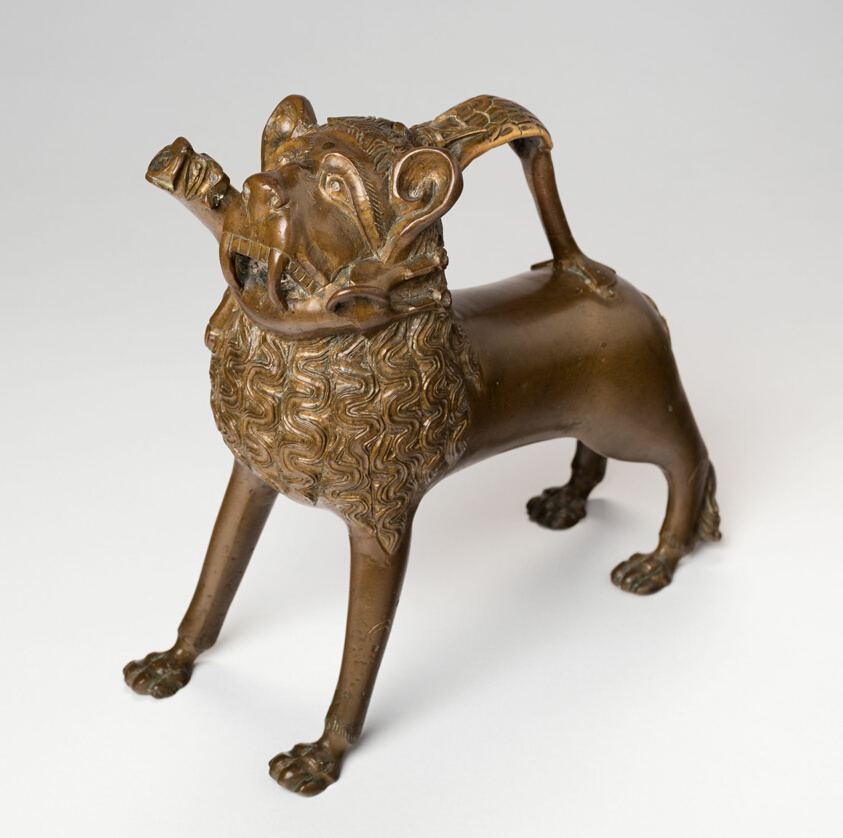
Aquamanile in the Form of a Lion
Art Institute of Chicago
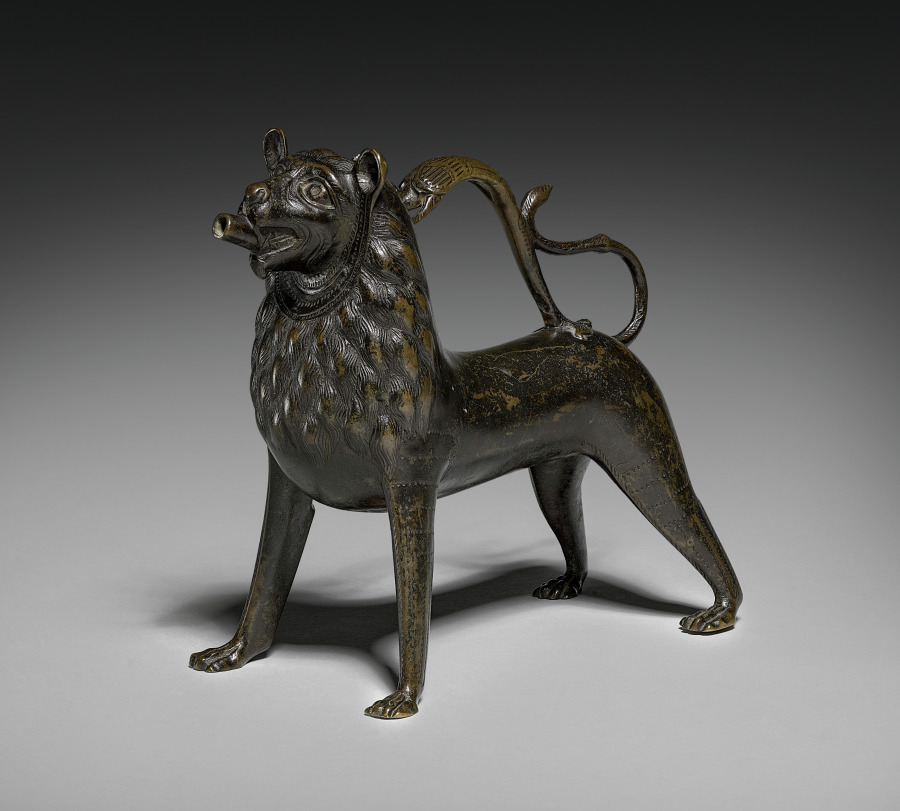
Lion Aquamanile
Cleveland Museum of Art
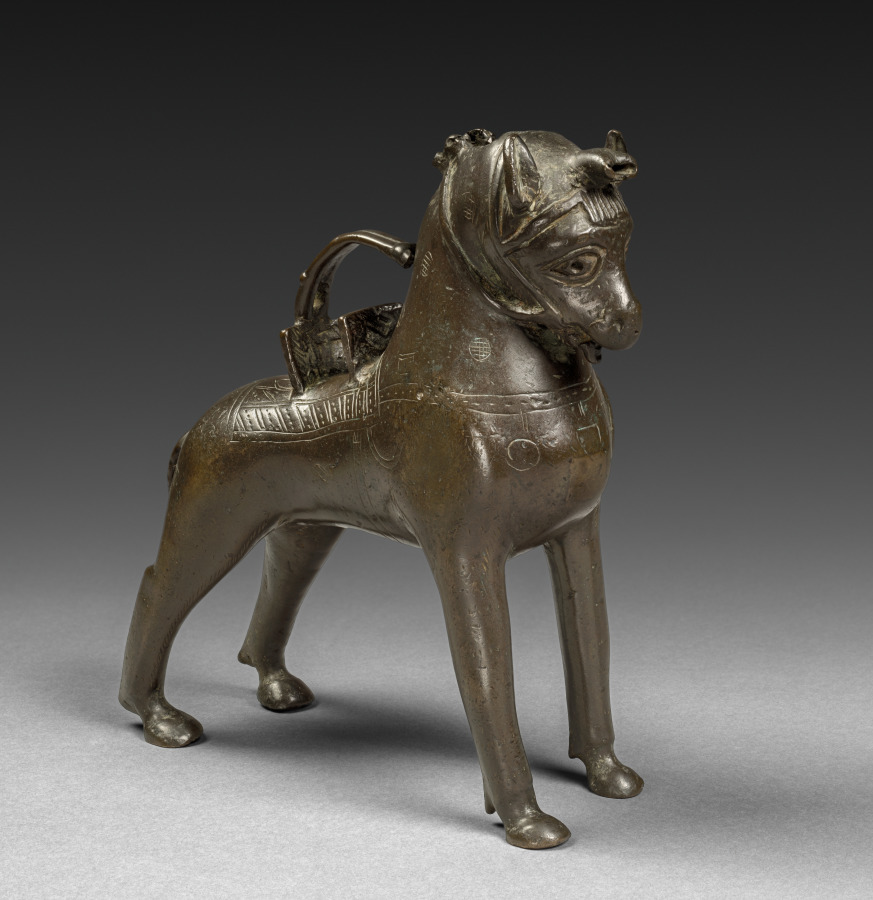
Aquamanile: Saddled Horse
Cleveland Museum of Art
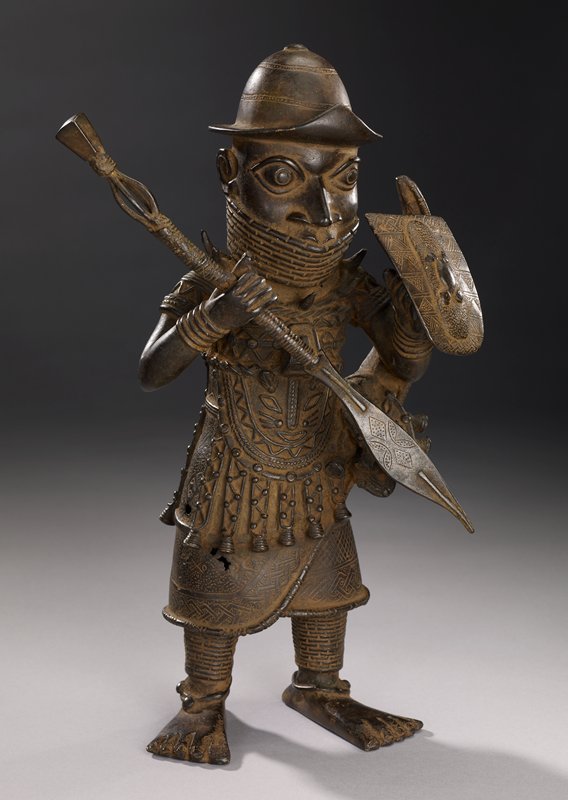
Warrior Chief
Minneapolis Institute of Art
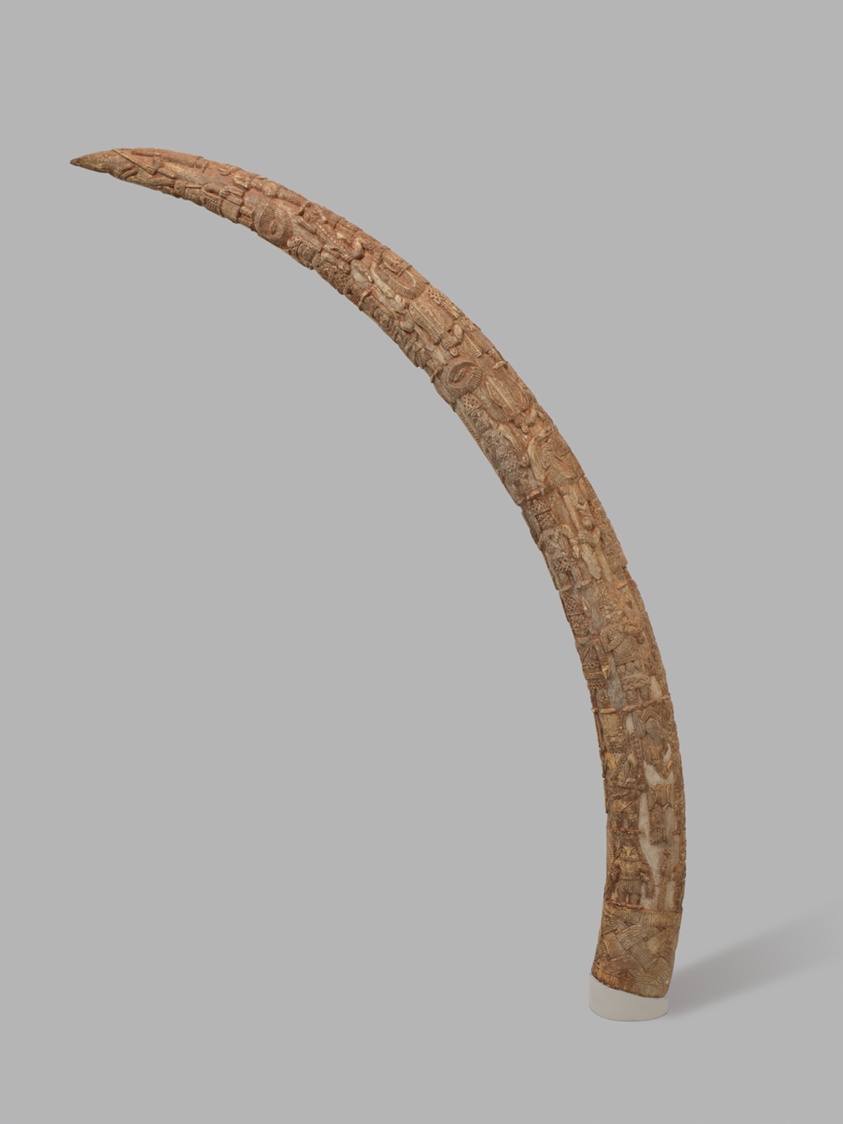
Tusk
Art Institute of Chicago

Tusk
Minneapolis Institute of Art
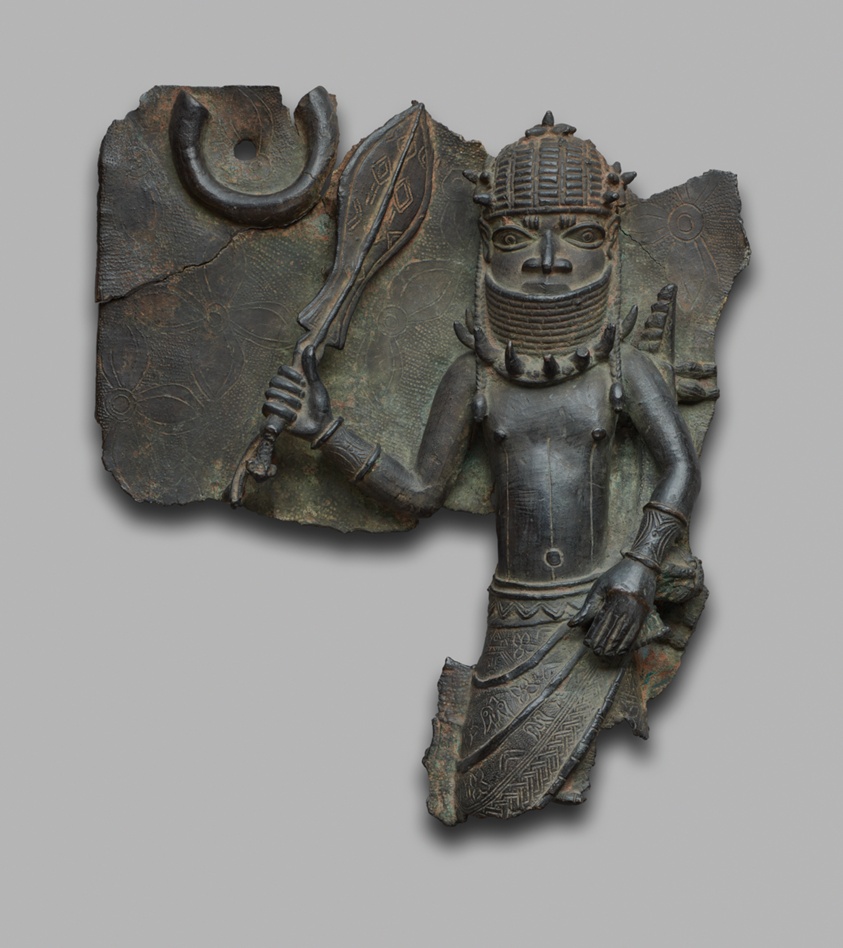
Plaque
Art Institute of Chicago

Waterdropper
Minneapolis Institute of Art

Oinochoe
Getty Museum

Aquamanile in the Form of a Unicorn
The Metropolitan Museum of Art
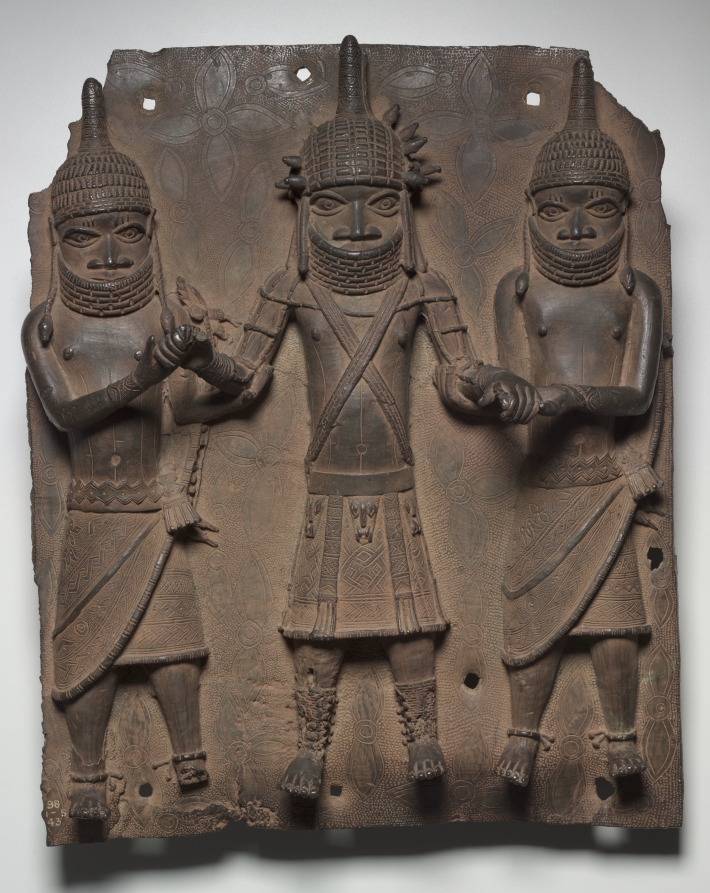
Plaque
Cleveland Museum of Art
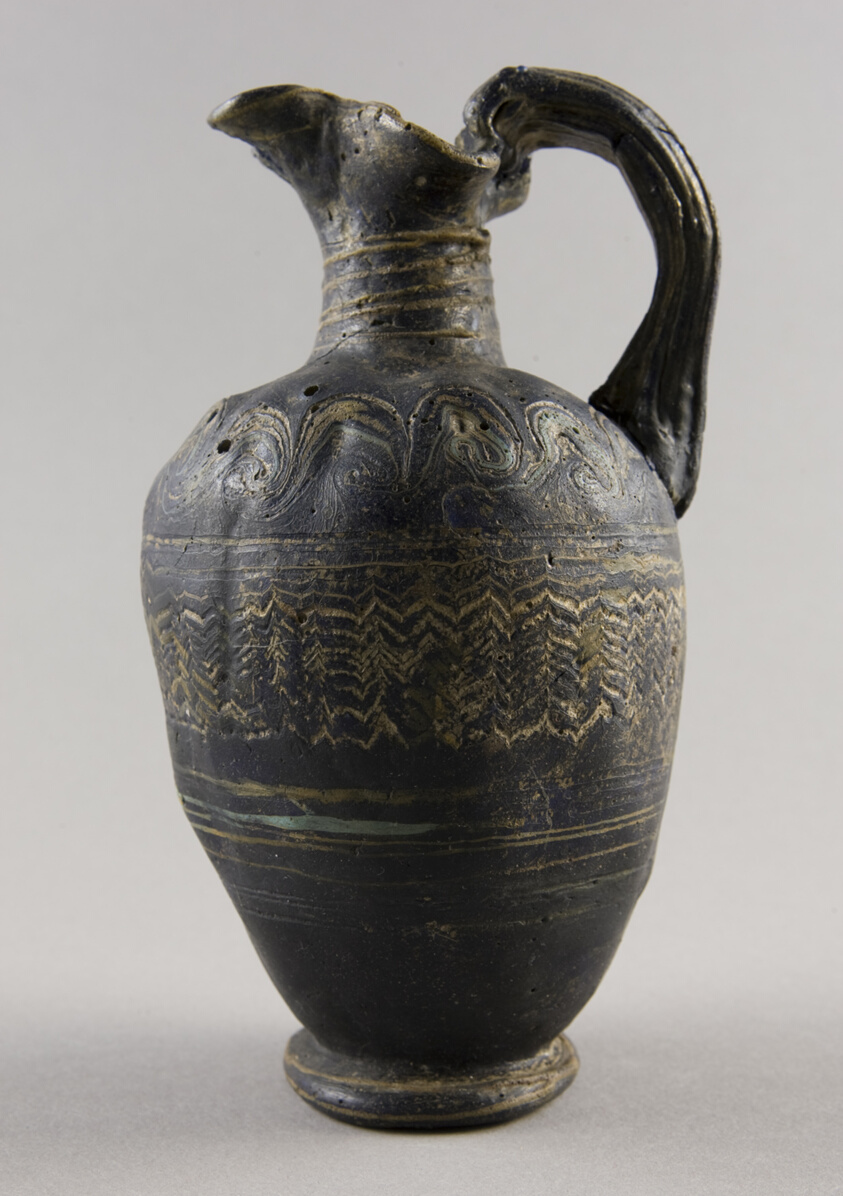
Pitcher
Art Institute of Chicago