Cleveland Museum of Art
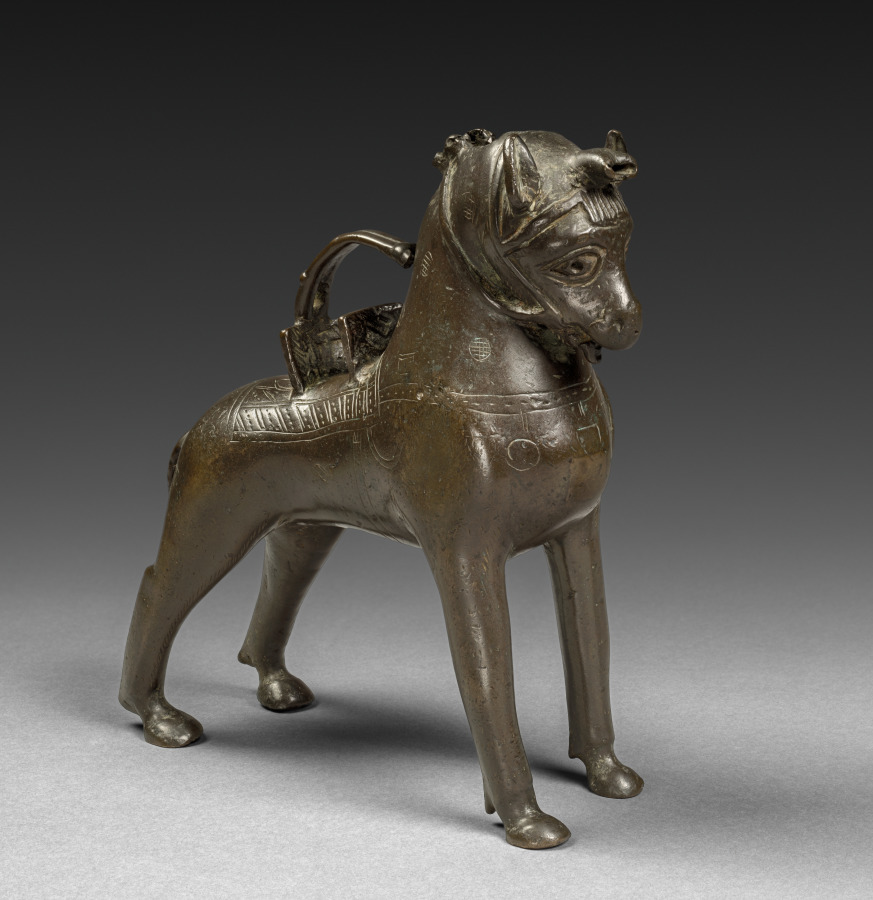
Aquamanile: Saddled Horse
- Date
- c. 1250–1300
- Medium
- copper alloy
- Culture
- North Germany, Lower Saxony (?), 14th century
- Department
- Medieval Art
- Institution
- Cleveland Museum of Art
Aquamanilia, from the Latin aqua meaning water and manus meaning hands, were hollow cast vessels used for hand washing. Although originally intended for liturgical use they became a common sight in the homes of the nobility in the 1200s and 1300s. Often filled with scented water, these vessels were used to wash hands just before and after eating a meal. An accompanying catch basin would have caught the water as it was being poured. Here we see a proud and alert dappled gray warhorse, highly prized in the medieval period. The saddled but riderless form is rare; other popular aquamanilia include lions, dragons, griffins, and human heads. The pattern of crosshatched circles on the surface suggests that the horse is a dappled gray warhorse, a prized possession in the period.
The authoritative record is held by Cleveland Museum of Art. LinkedCulture surfaces this object and its connections; it does not alter institutional metadata.
Related across collections
Semantically similar works from Cleveland Museum of Art and other institutions.
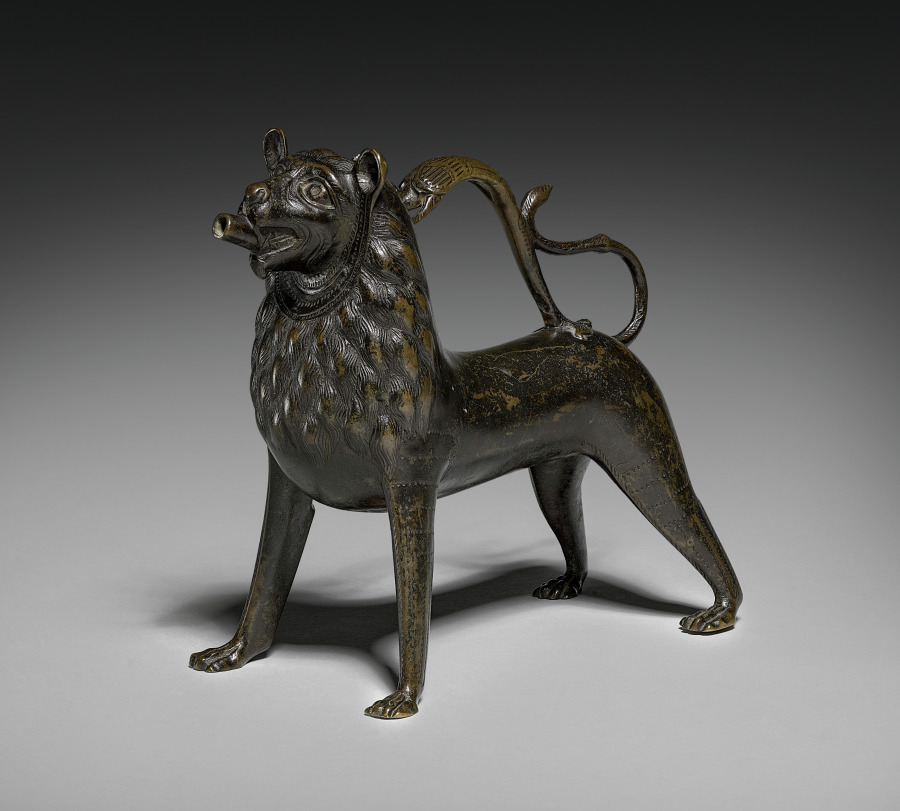
Lion Aquamanile
Cleveland Museum of Art
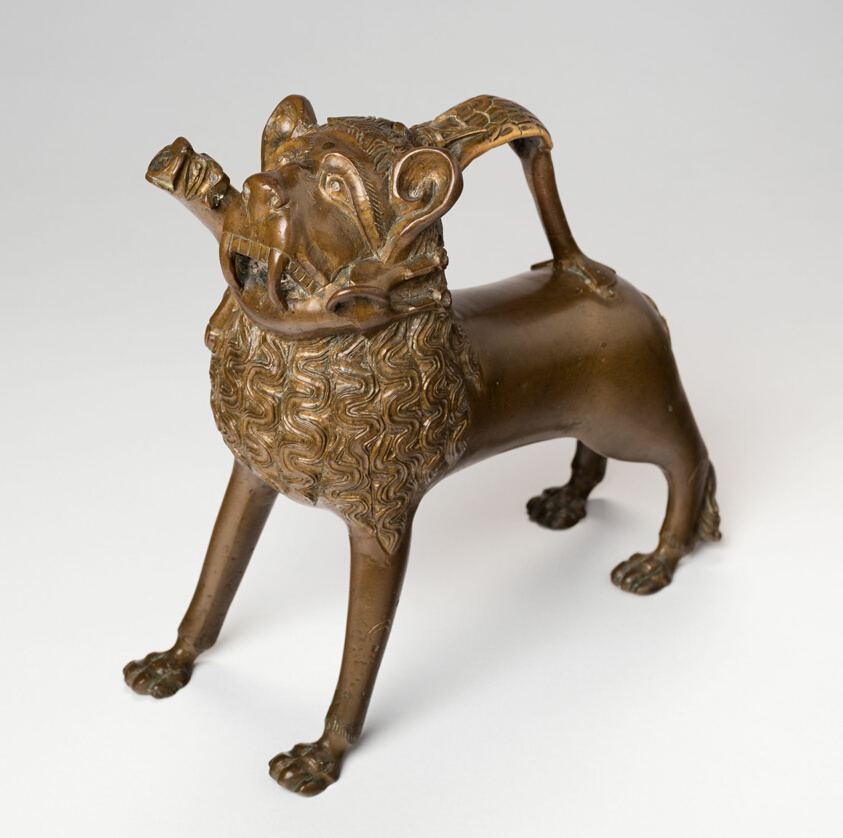
Aquamanile in the Form of a Lion
Art Institute of Chicago
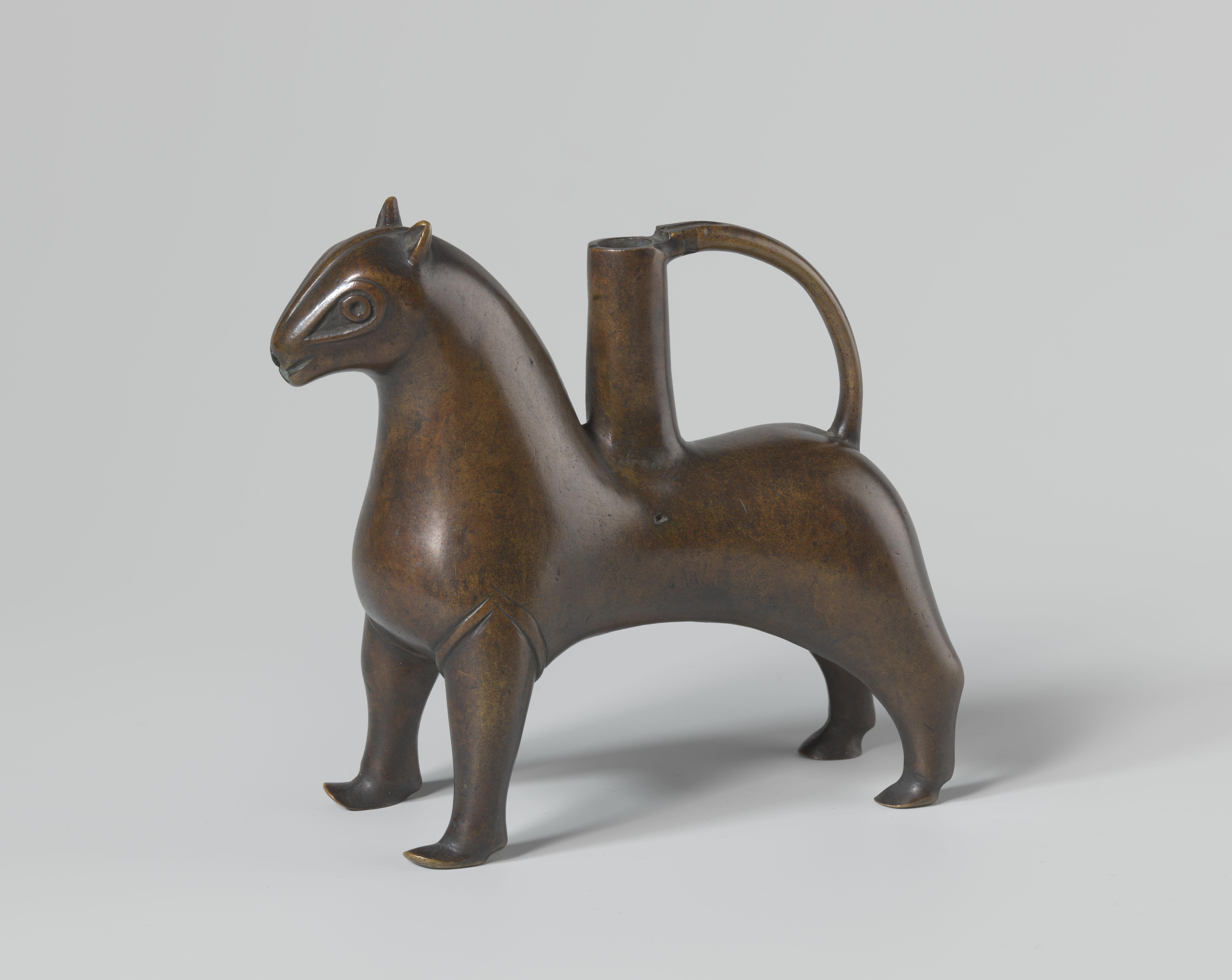
Aquamanile in the form of a horse
Rijksmuseum

Water pitcher
Minneapolis Institute of Art

Aquamanile in the Form of a Unicorn
The Metropolitan Museum of Art
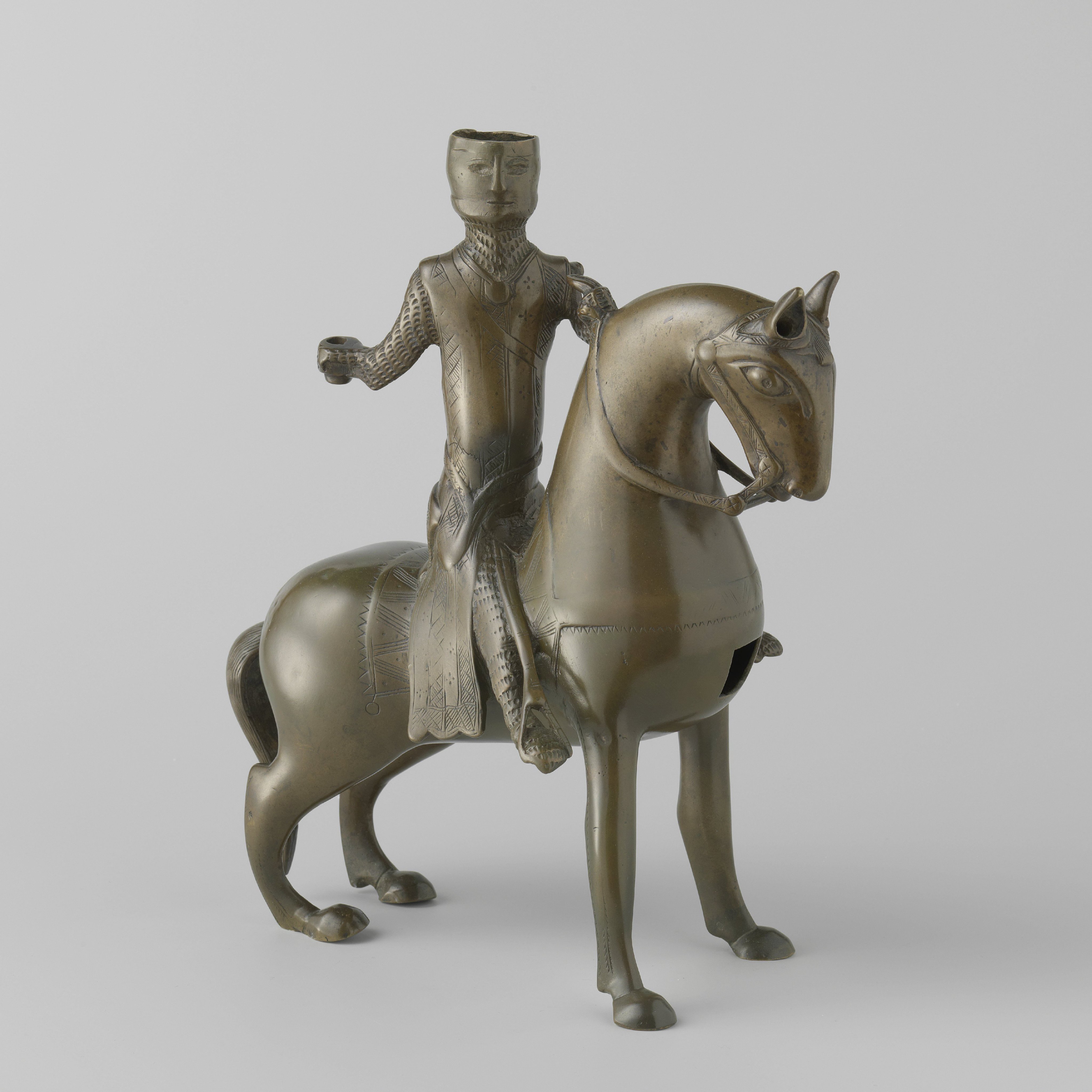
Aquamanile in the Form of a Mounted Knight
Rijksmuseum
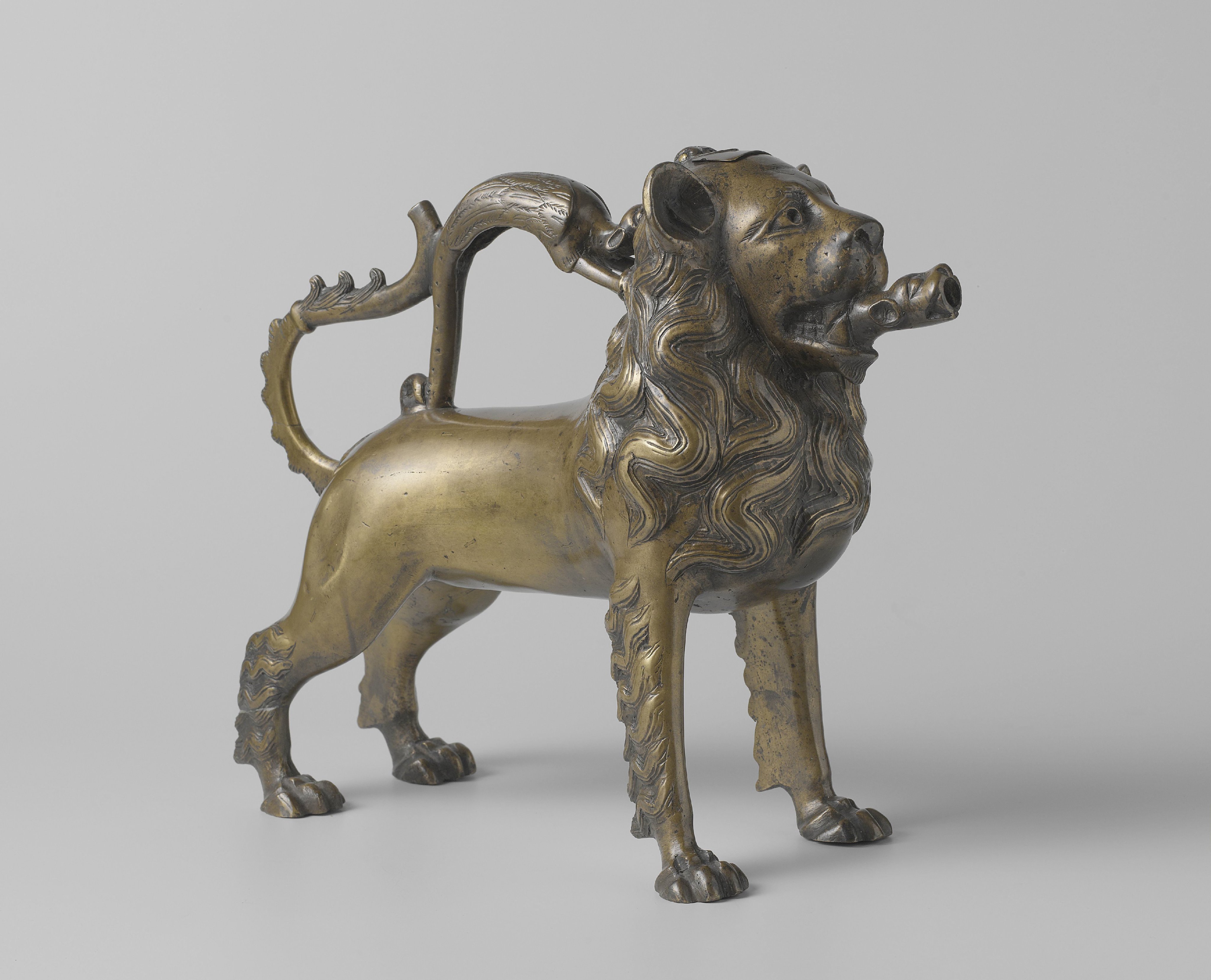
Aquamanile in the form of a lion
Rijksmuseum
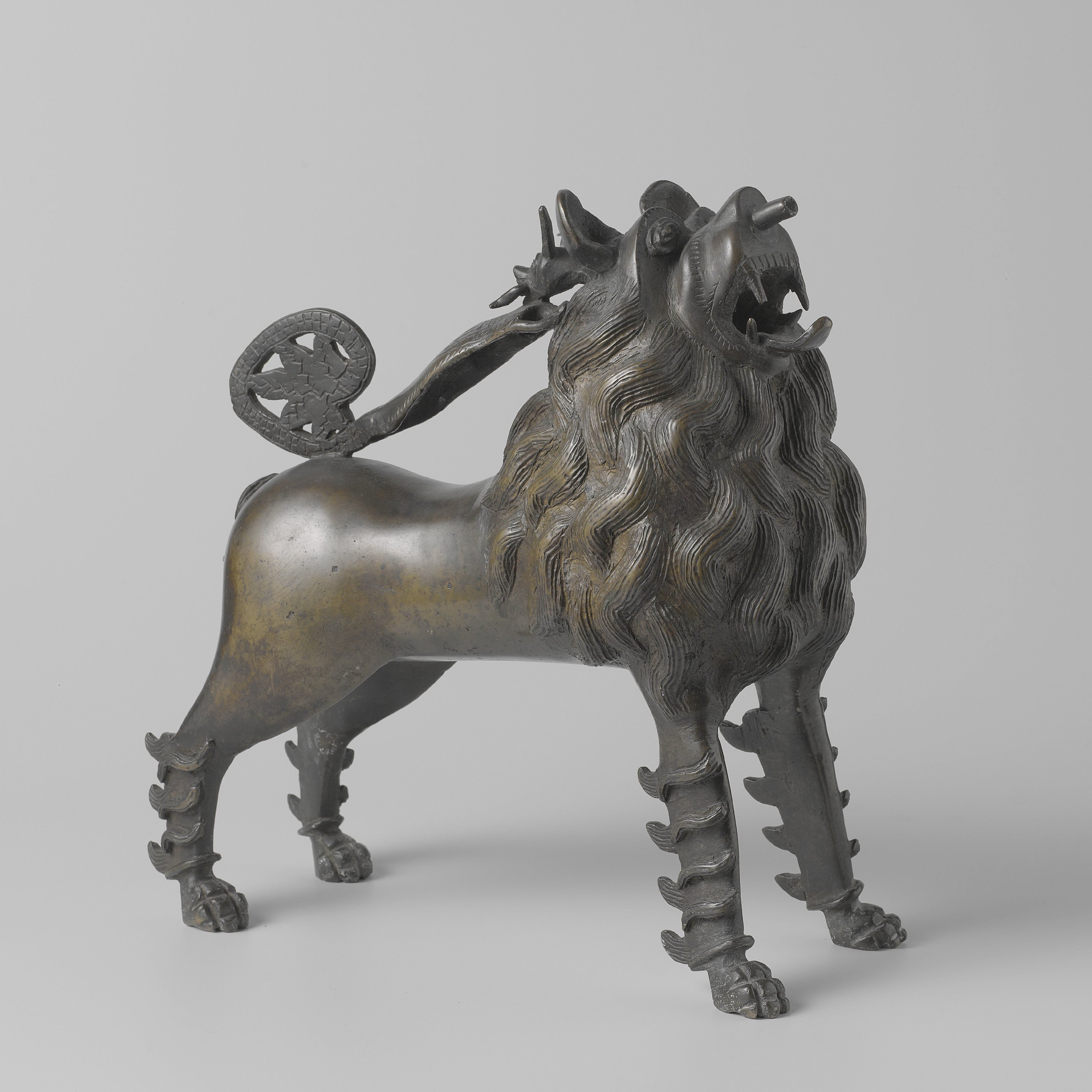
Aquamanile in the form of a lion
Rijksmuseum
Standing Saddled Horse with Clipped Mane, Cropped and Tied Tail, and Roman-Style Bridle Ornaments
Harvard Art Museums
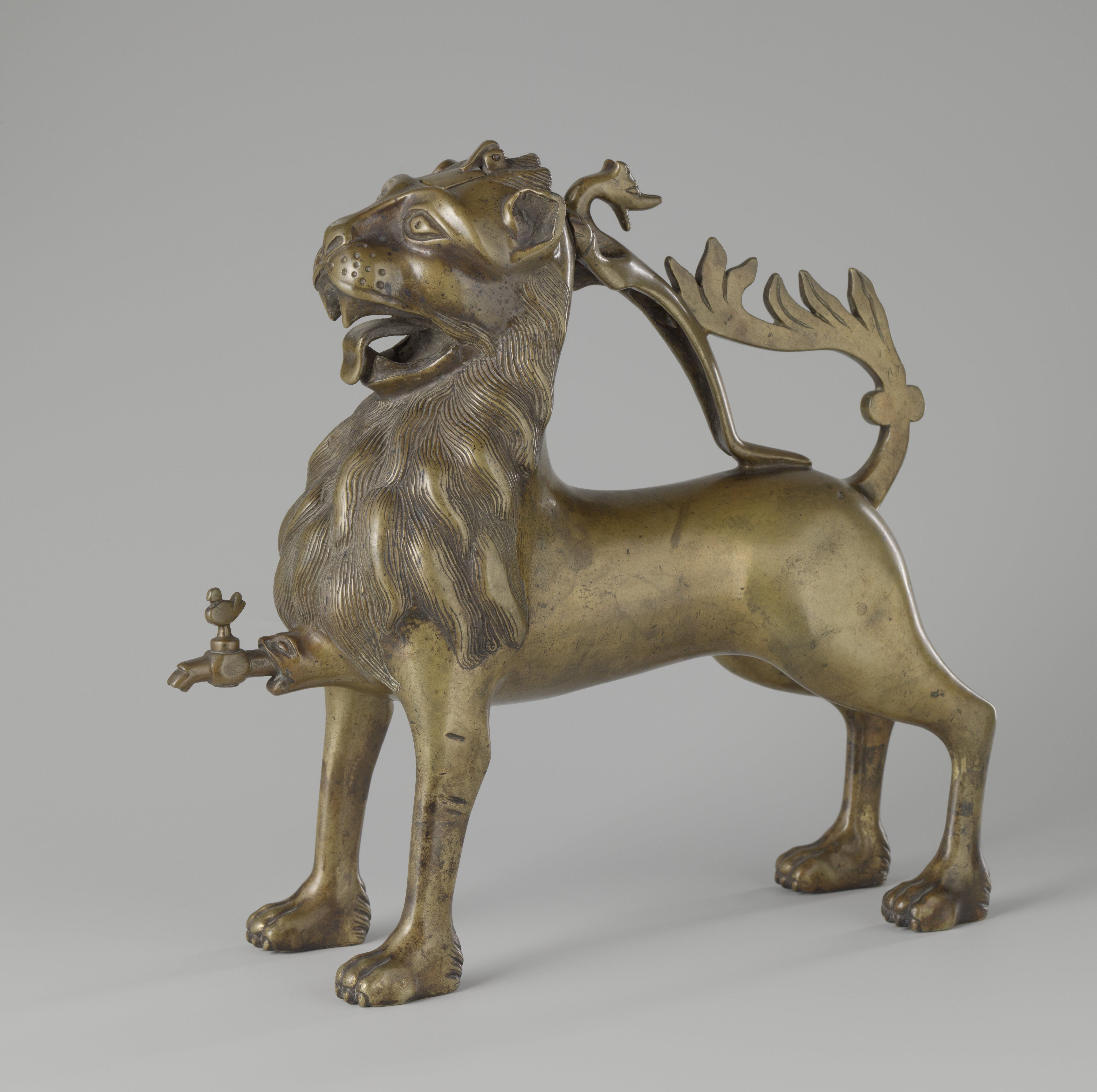
Aquamanile in the form of a lion
Rijksmuseum
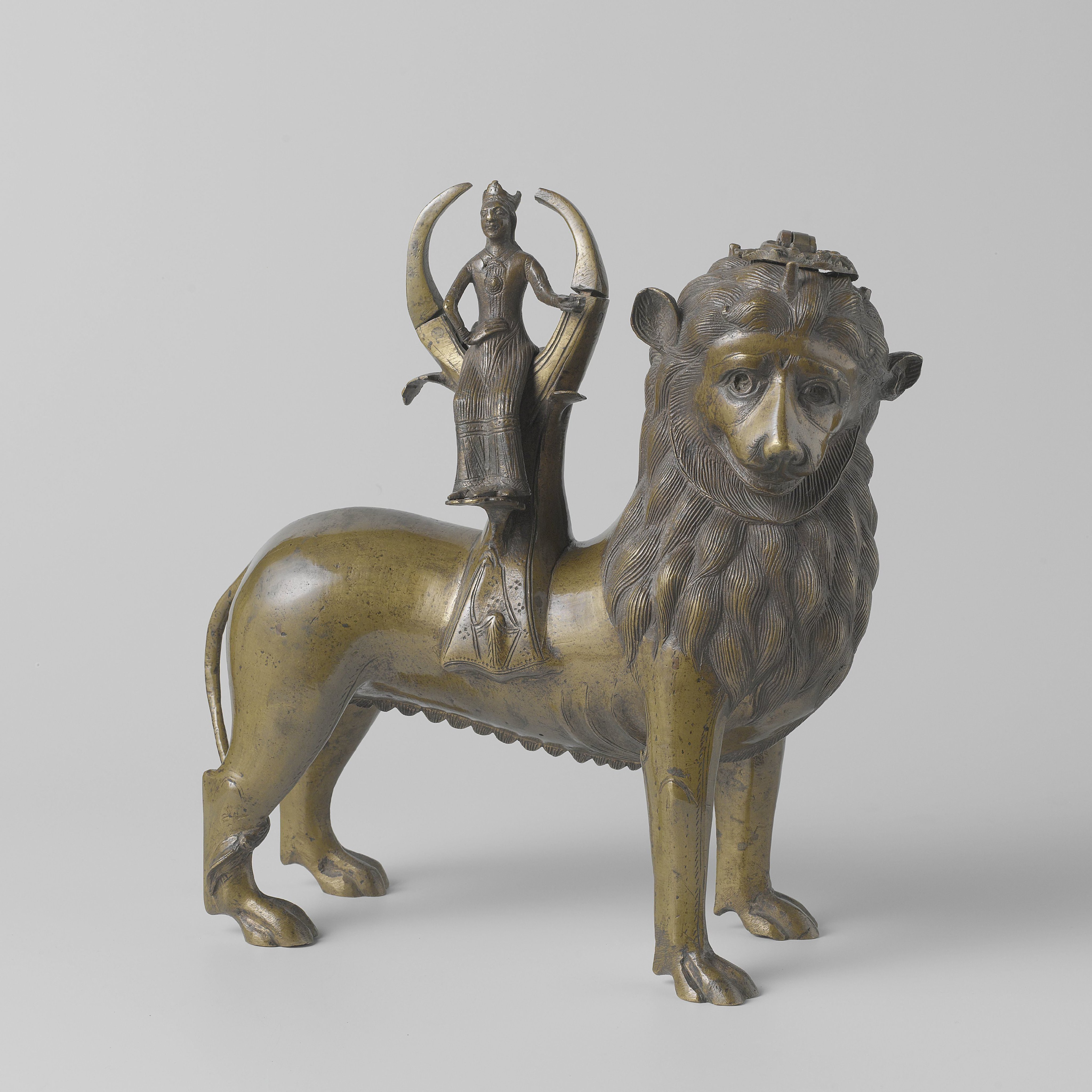
Aquamanile in the Form of a Lion with a Mounted Female Figure
Rijksmuseum
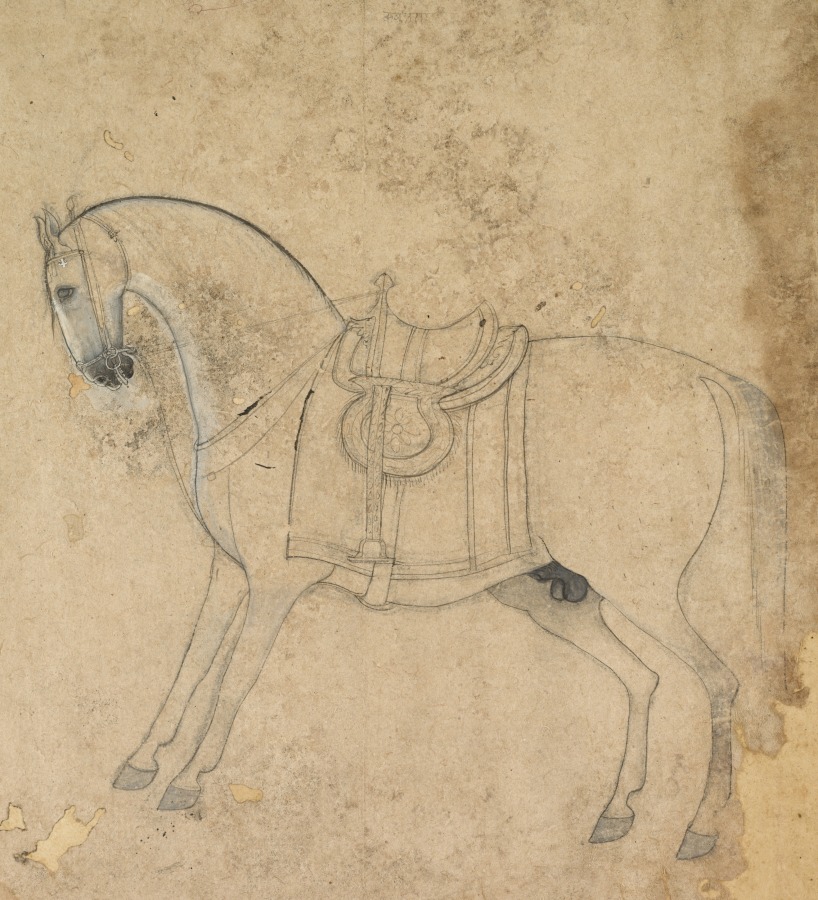
A saddled horse
Cleveland Museum of Art