
Minneapolis Institute of Art
Tusk
Edo artist
- Date
- 1775–77
- Medium
- Ivory
- Culture
- Edo
- Department
- Arts of Global Africa
- Institution
- Minneapolis Institute of Art
The kings (obas) of the Benin Kingdom and the high-ranking chiefs who served them displayed ivory tusks on altars to honor their ancestors. This tusk was commissioned by Ekeneza in 1775, the year he became ezomo, or military commander, under King Akengbuda (r. 1750–1804). The size of the tusk and complexity of the images, meant to be read from bottom to top, rival altar tusks created for an oba. The intricate carvings that cover the entire surface of the tusk were accomplished by several members of the royal ivory-carvers’ guild, who used small tools to chip, smooth, and scrape away ivory. Motifs include deified kings, courtly women, and important commanders from the past; Portuguese soldiers, identified by their skirts, long hair, and beards; and leopards, elephants, reptiles, and mudfish—all symbolic animals in Benin imagery. Edo, Nigeria, Africa
The authoritative record is held by Minneapolis Institute of Art. LinkedCulture surfaces this object and its connections; it does not alter institutional metadata.
Related across collections
Semantically similar works from Minneapolis Institute of Art and other institutions.
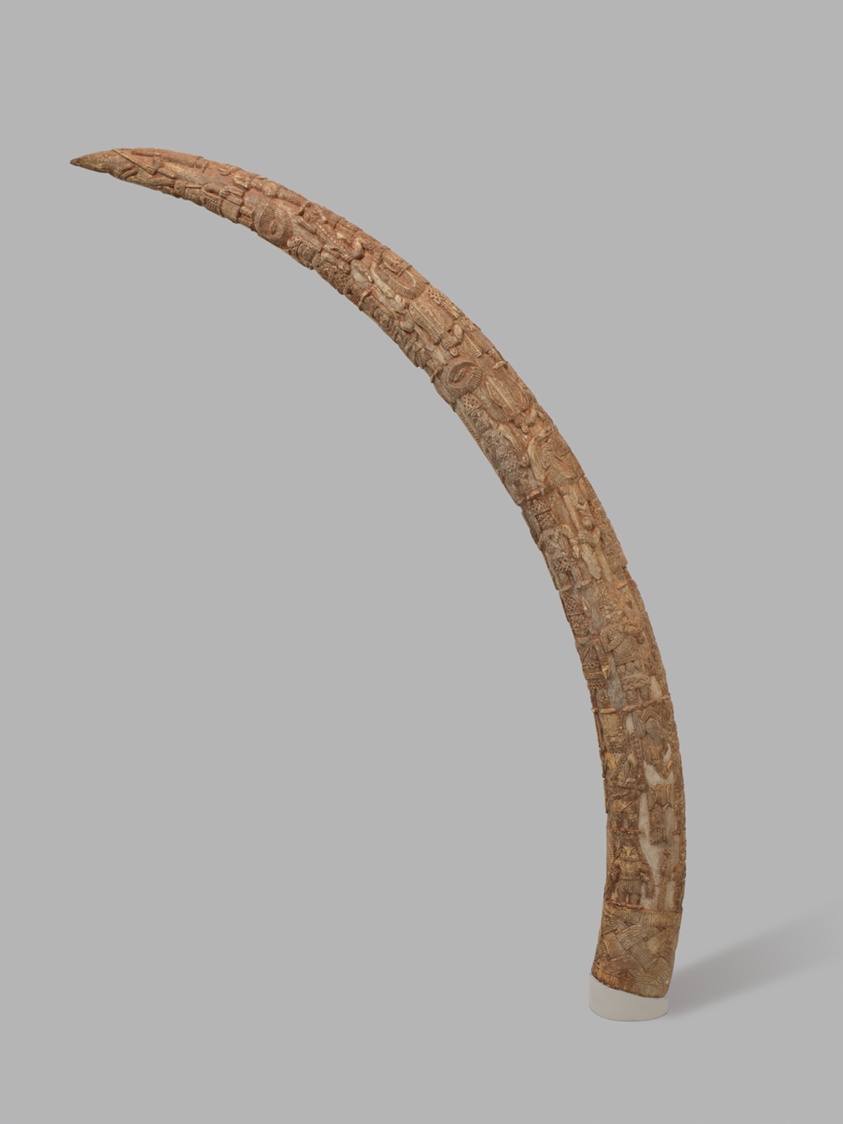
Tusk
Art Institute of Chicago
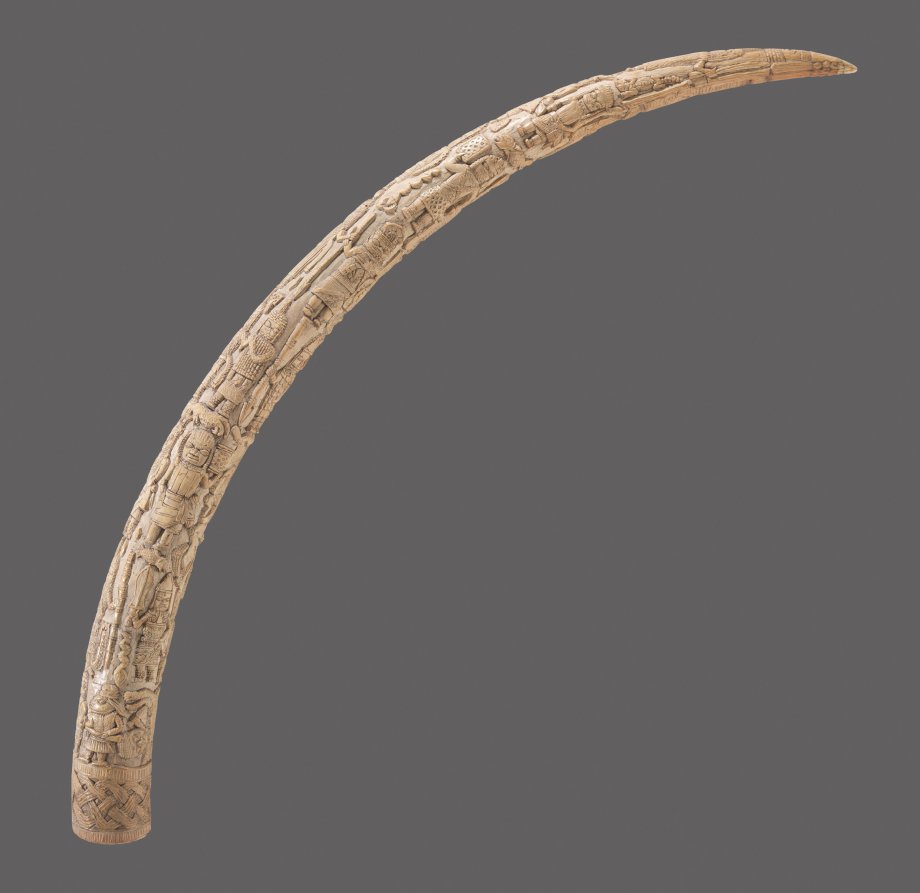
Ancestral Altar Tusk
Cleveland Museum of Art
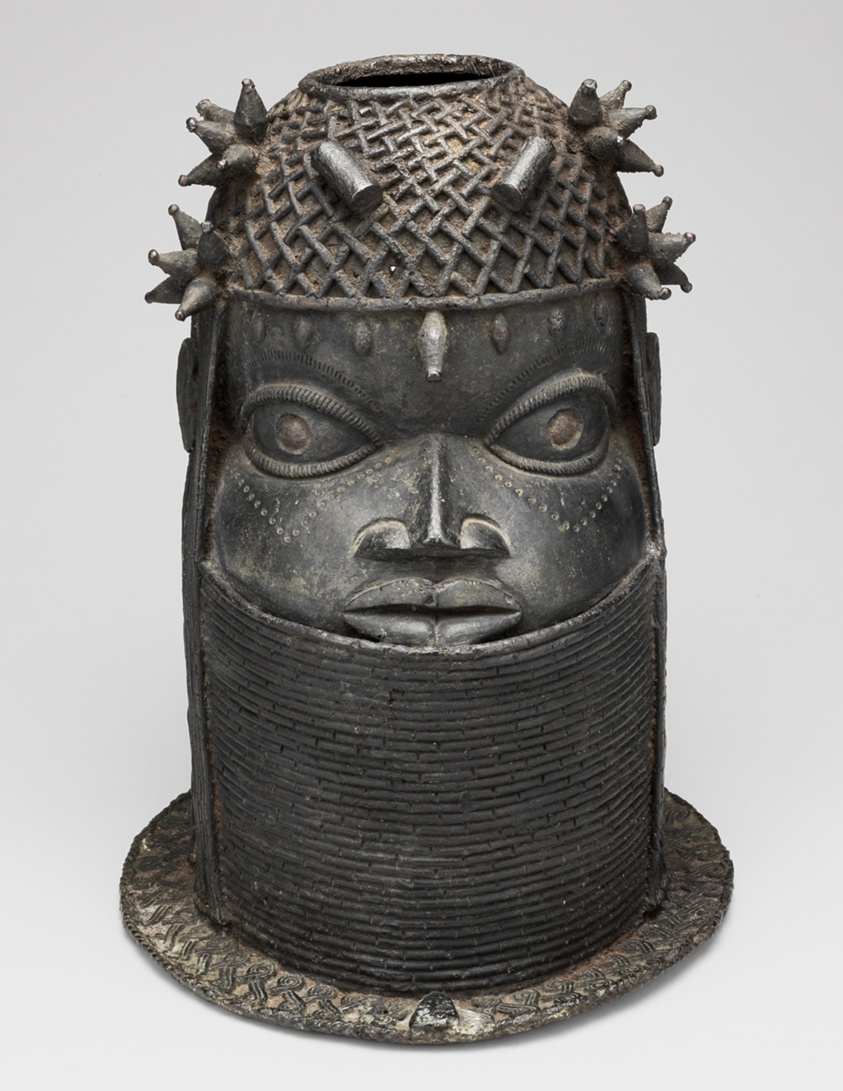
Head (Uhunmwun Elao)
Art Institute of Chicago
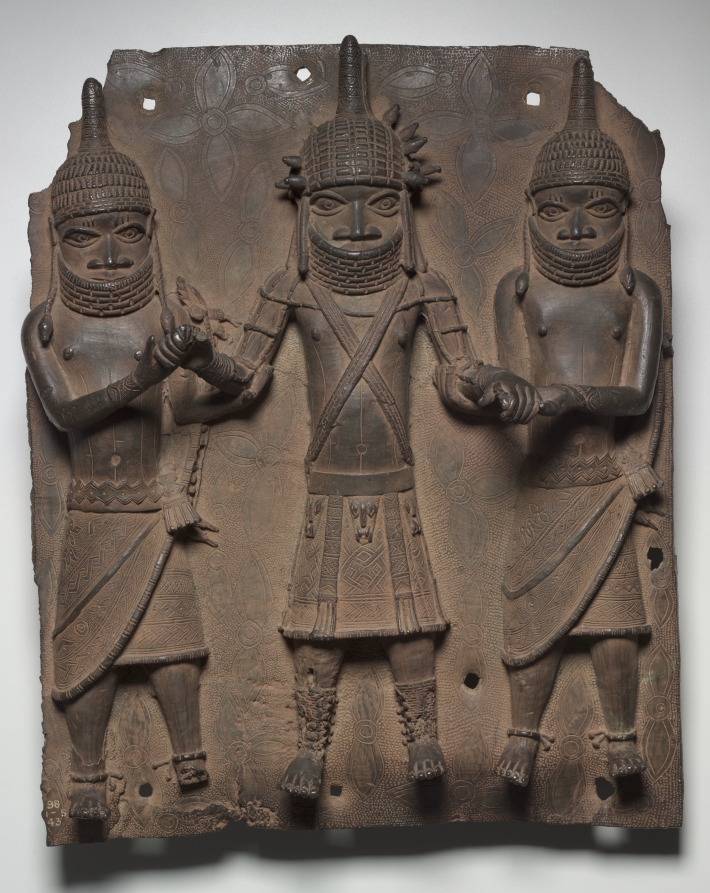
Plaque
Cleveland Museum of Art
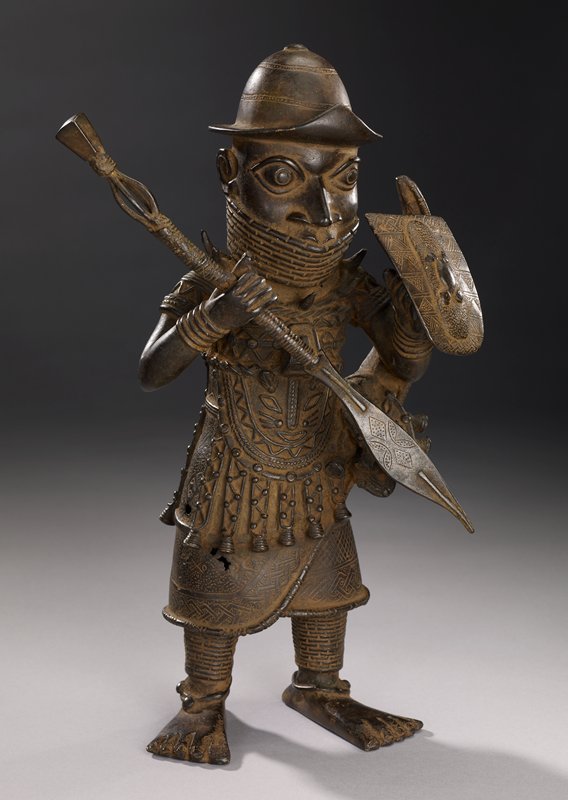
Warrior Chief
Minneapolis Institute of Art
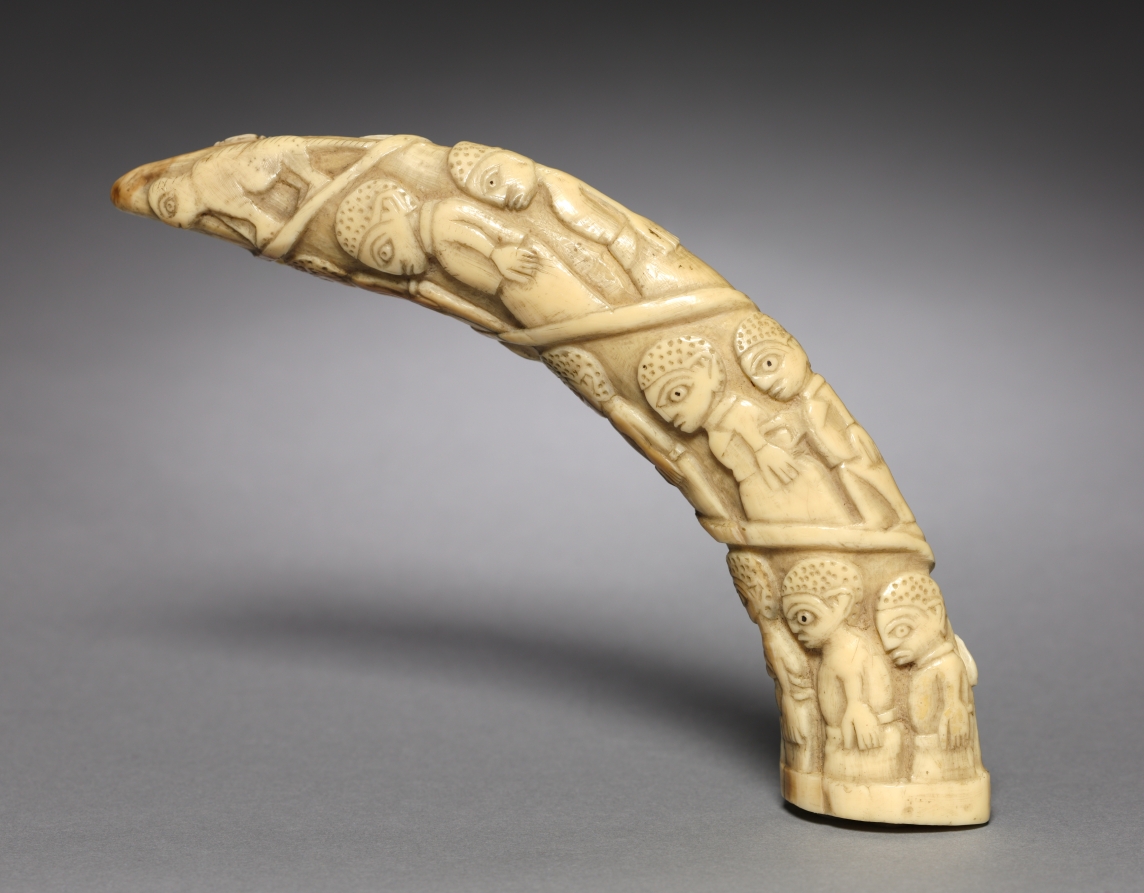
Carving
Cleveland Museum of Art
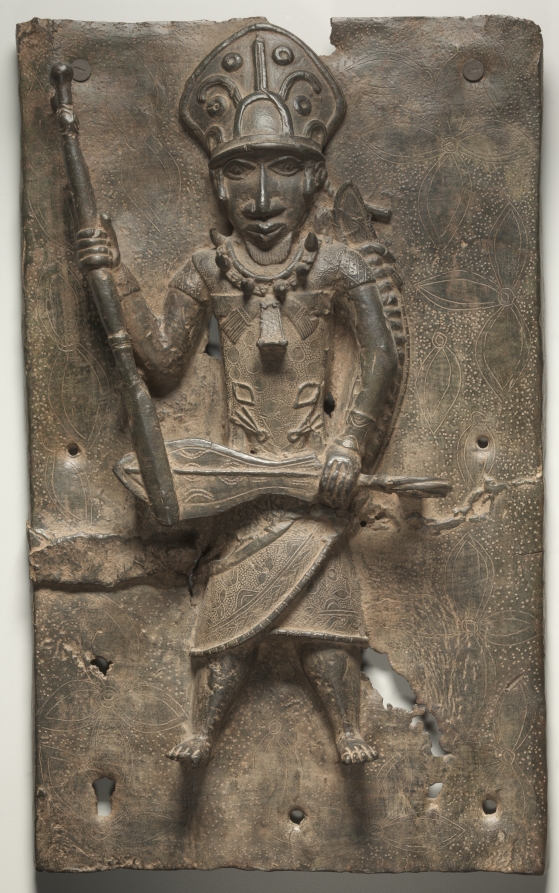
Plaque
Cleveland Museum of Art

Water pitcher
Minneapolis Institute of Art
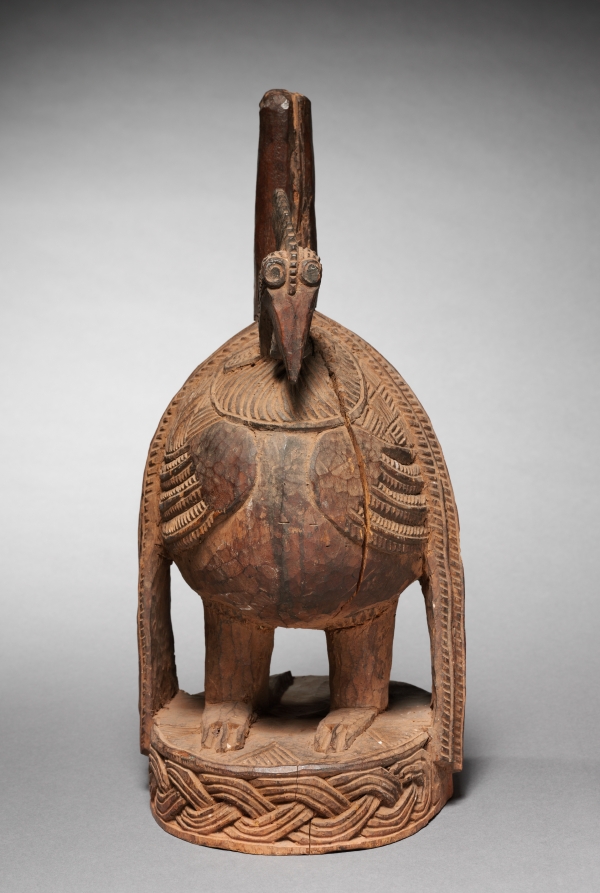
Hen
Cleveland Museum of Art
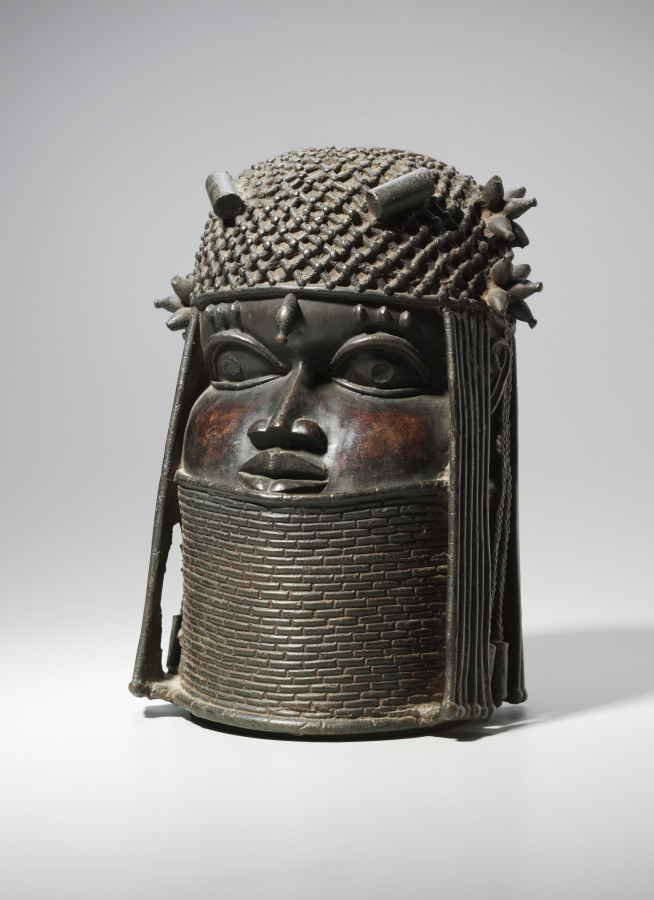
Ancestral Commemorative Head (uhunmwun-elao)
Cleveland Museum of Art

Memorial head
Minneapolis Institute of Art

Warrior's Hat (Jagun)
Minneapolis Institute of Art