Art Institute of Chicago
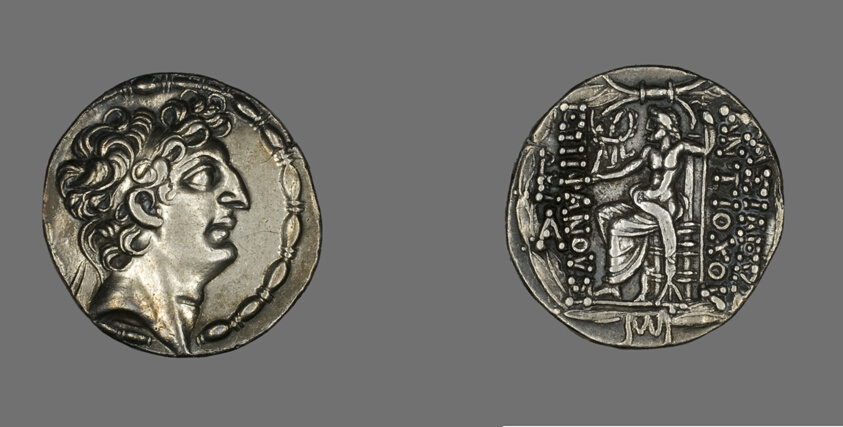
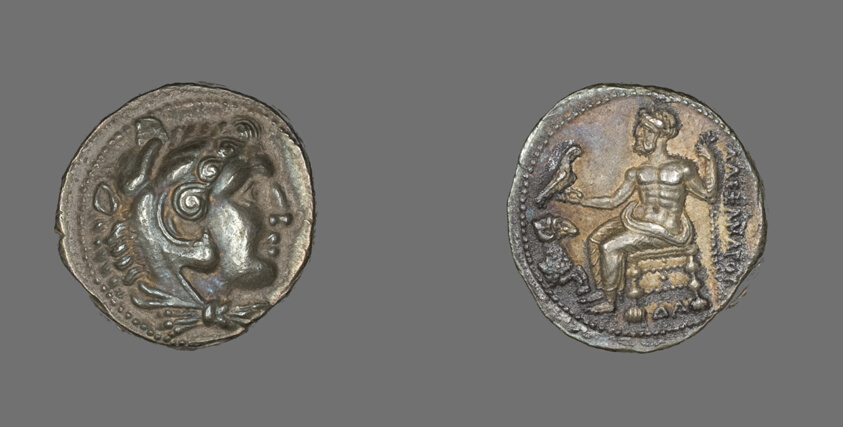
Tetradrachm (Coin) Portraying Emperor Antiochos VIII Grypos
Greek, minted in Syria
- Date
- 104-96 BCE, reign of Antiochos VIII Grypos (121–96 BCE)
- Medium
- Silver
- Culture
- Syria
- Department
- Arts of Greece, Rome, and Byzantium
- Institution
- Art Institute of Chicago
The front (obverse) of this coin portrays a diademed head of Antiochus VIII Grypos to the right. On the back (reverse), the god Zeus is depicted, enthroned with a sceptre and Nike with a wreath; a lightening bolt is above. Certainly the best-known face in antiquity was that of Alexander the Great (reigned 336–323 BCE), whose profile graced coins for two hundred years. He collected the treasure of conquered kingdoms as he swept across the Near East, and with this rich booty he set up mints that produced coins bearing his portrait. Such self-advertising was new to Greece. Mithrapata (reigned 380–370 BCE) is thought to have been the first living person to present his portrait on coins. Previously coins had pictured divinities and mythical characters. The purpose of the first portrait coins was to identify the ruler. The front side became a mirror of the sovereign’s self-image. The back was often used to communicate the ruler’s accomplishments or intentions. The profile portrait was used because it suited the very shallow depth and limited surface of the coin. The tiny images were carved by engravers into bronze dies, one for the front and another for the back. The coins were then struck, one by one, in a process similar to how modern coins are created today. The primary purpose of portraiture was to create an accurate likeness of the subject. The reason for Antiochos’s (reigned 125–96 BCE) nickname, “Grypos” (“hook nose”), is apparent from his lifelike portrait seen here.
The authoritative record is held by Art Institute of Chicago. LinkedCulture surfaces this object and its connections; it does not alter institutional metadata.
Related across collections
Semantically similar works from Art Institute of Chicago and other institutions.
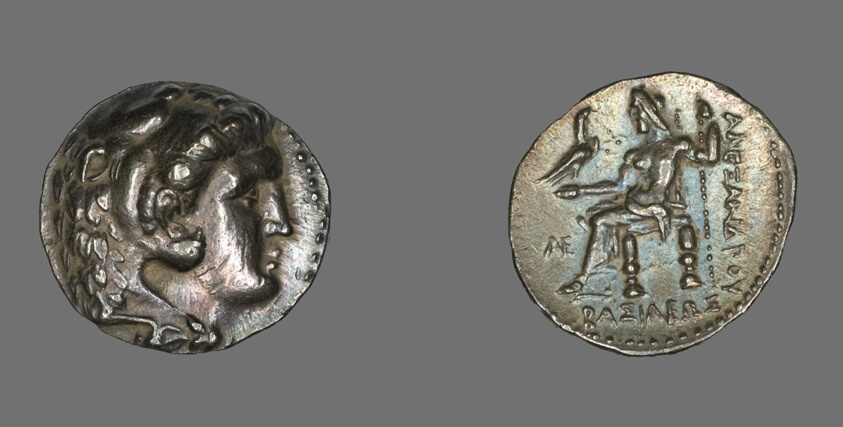
Tetradrachm (Coin) Depicting the Hero Herakles with the Features of Alexander the Great
Art Institute of Chicago
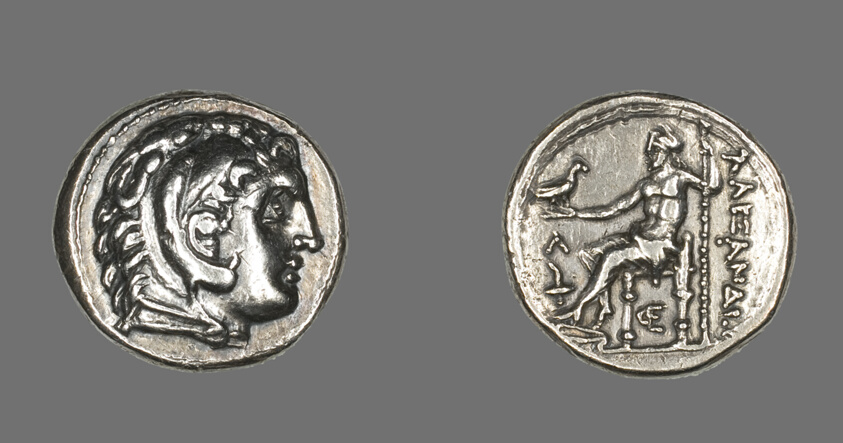
Tetradrachm (Coin) Depicting the Hero Herakles with the Features of Alexander the Great
Art Institute of Chicago
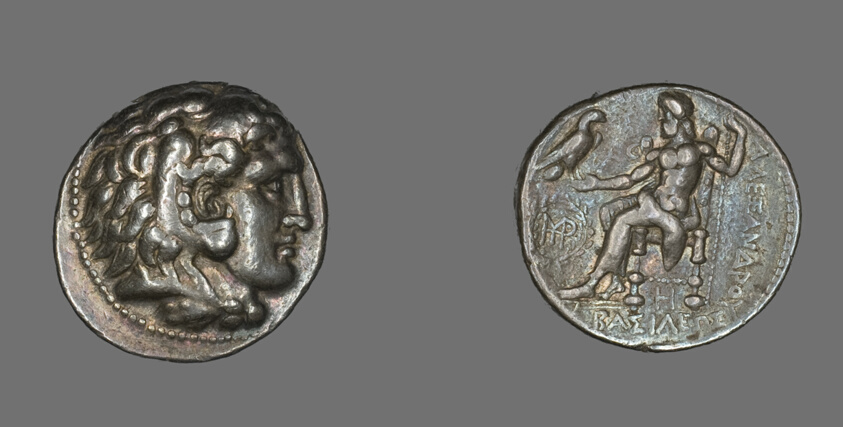
Tetradrachm (Coin) Depicting the Hero Herakles with the Features of Alexander the Great
Art Institute of Chicago
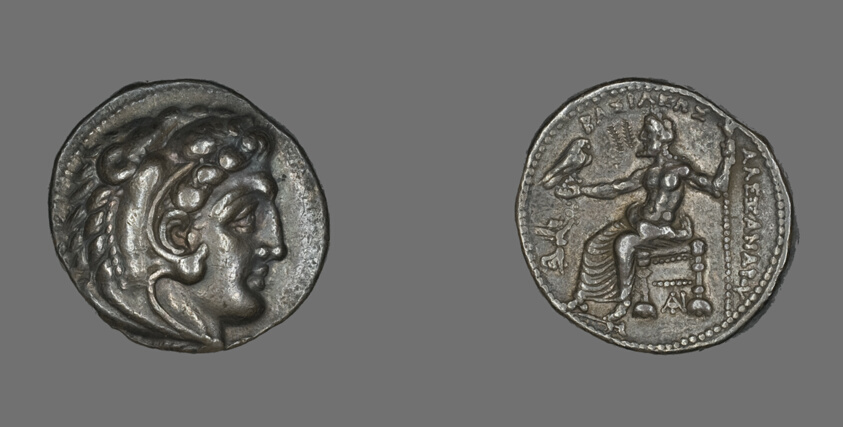
Tetradrachm (Coin) Depicting the Hero Herakles with the Features of Alexander the Great
Art Institute of Chicago
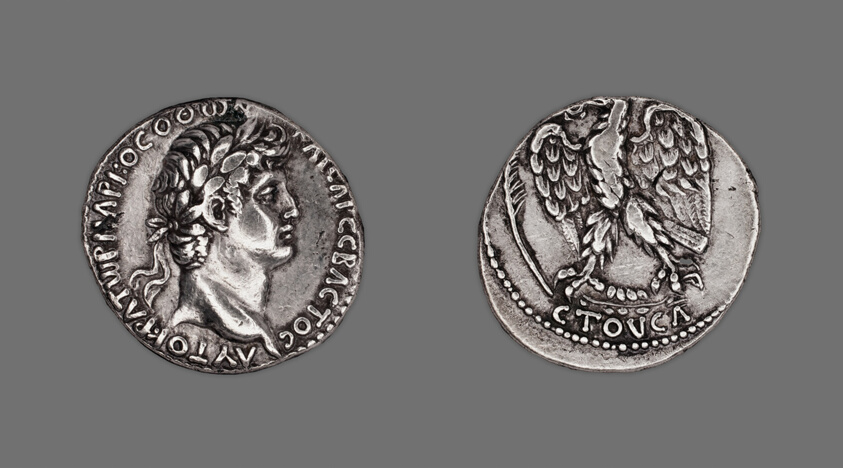
Tetradrachm (Coin) Portraying Emperor Otho
Art Institute of Chicago
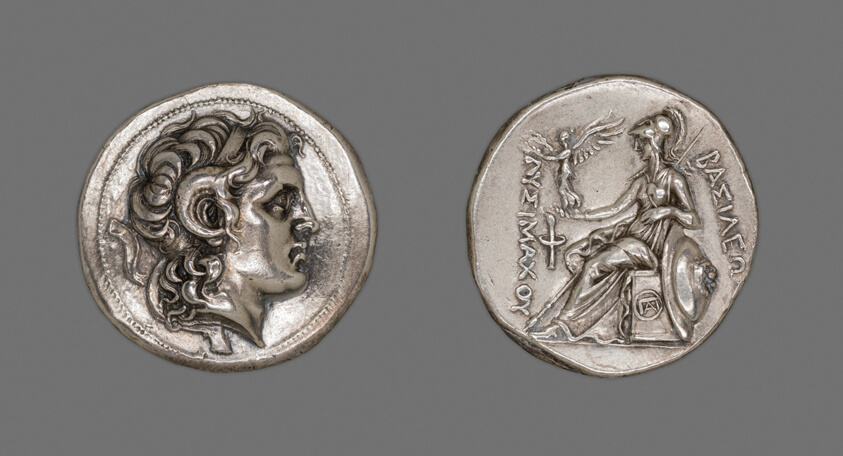
Tetradrachm (Coin) Portraying Alexander the Great
Art Institute of Chicago
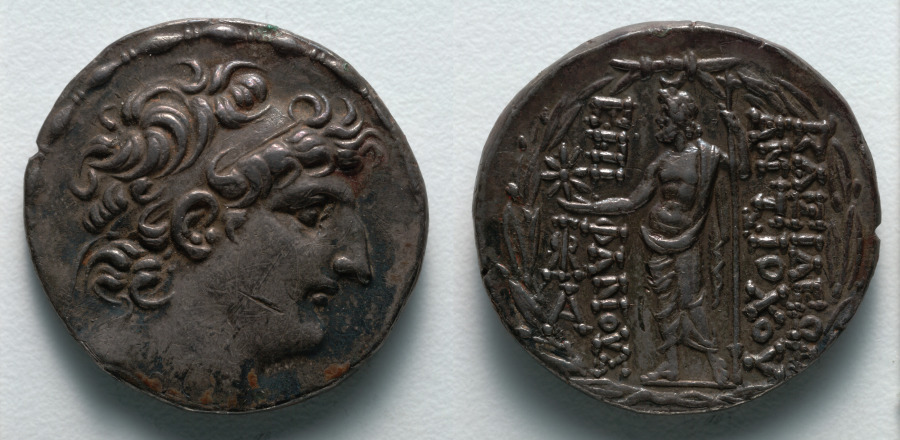
Tetradrachm: Head of Antiochos VIII (obverse); Zeus Ouranios (reverse)
Cleveland Museum of Art
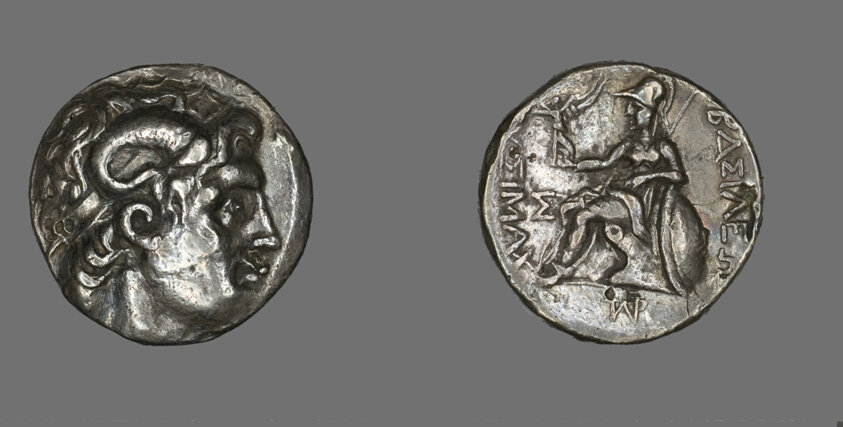
Tetradrachm (Coin) Portraying Alexander the Great
Art Institute of Chicago
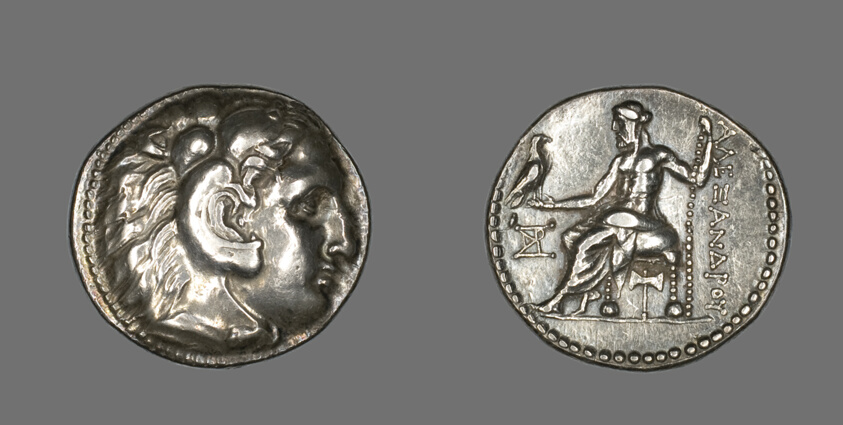
Tetradrachm (Coin) Depicting the Hero Herakles with the Features of Alexander the Great
Art Institute of Chicago
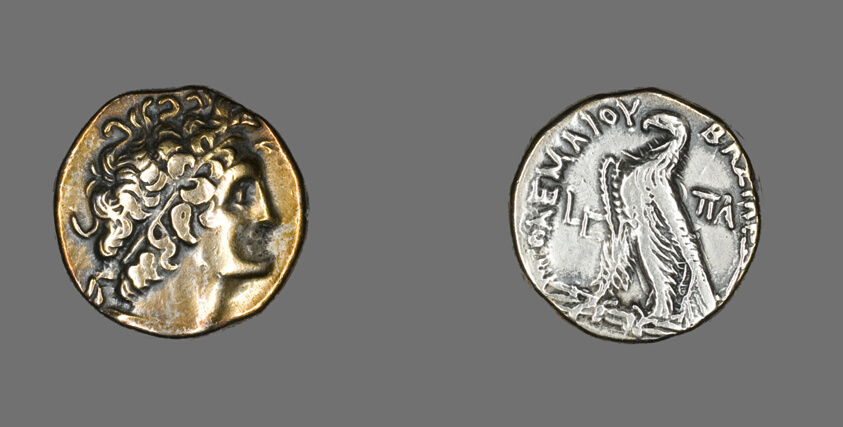
Tetradrachm (Coin) Portraying Ptolemy I
Art Institute of Chicago
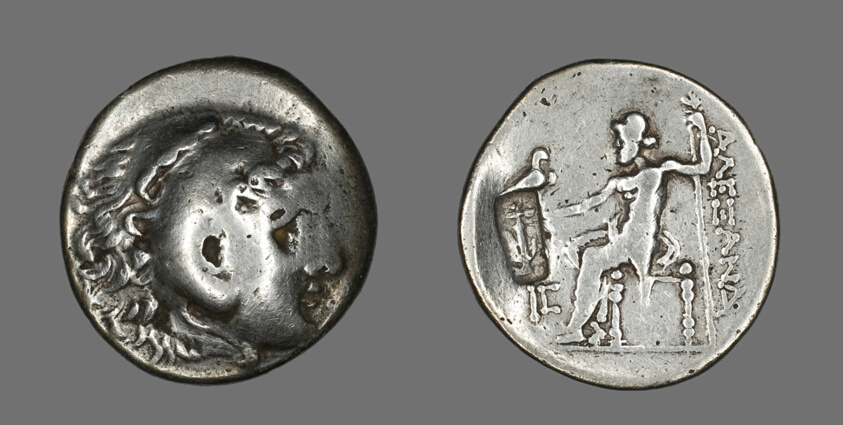
Tetradrachm (Coin) Depicting the Hero Herakles with the Features of Alexander the Great
Art Institute of Chicago
Tetradrachm (Coin) Depicting the Hero Herakles with the Features of Alexander the Great
Art Institute of Chicago