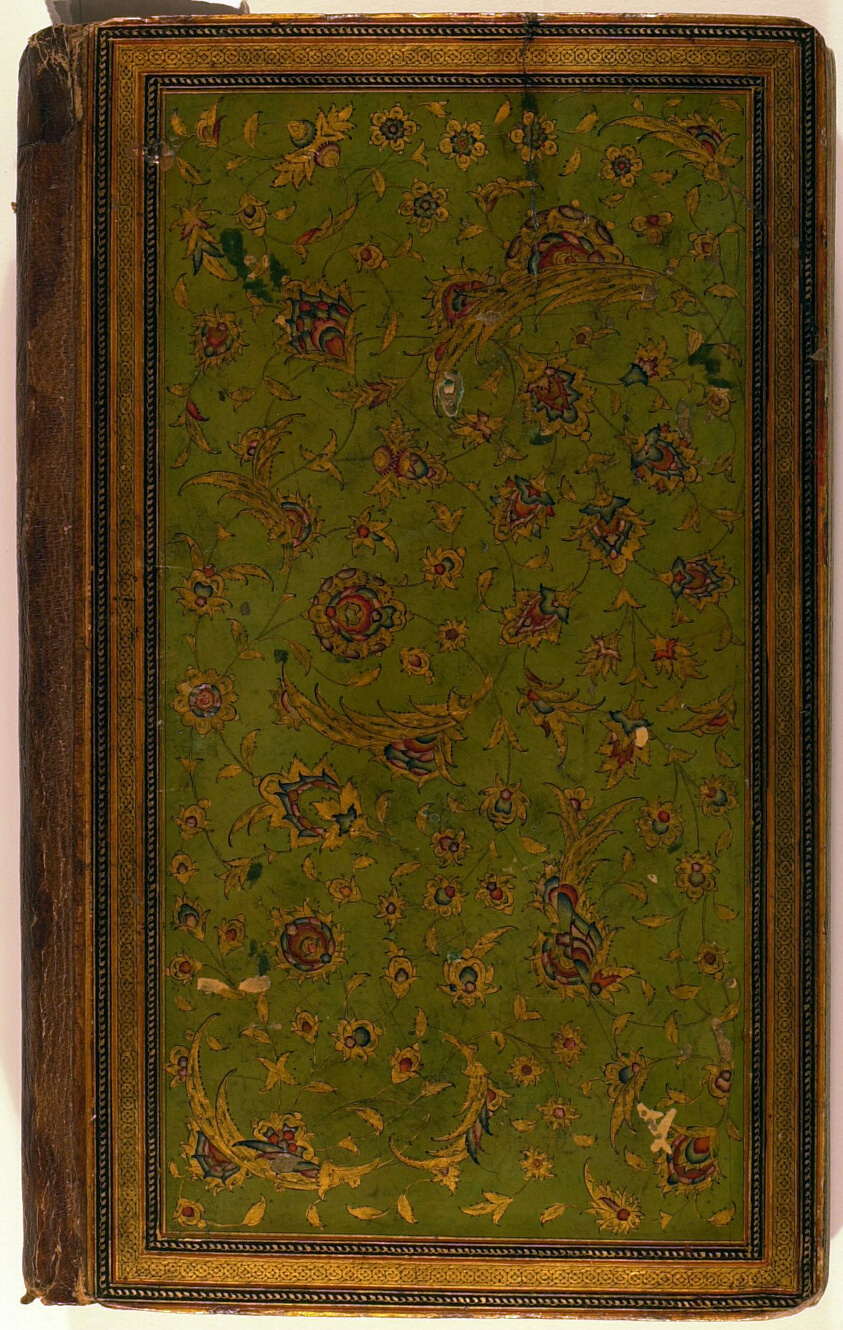
Art Institute of Chicago
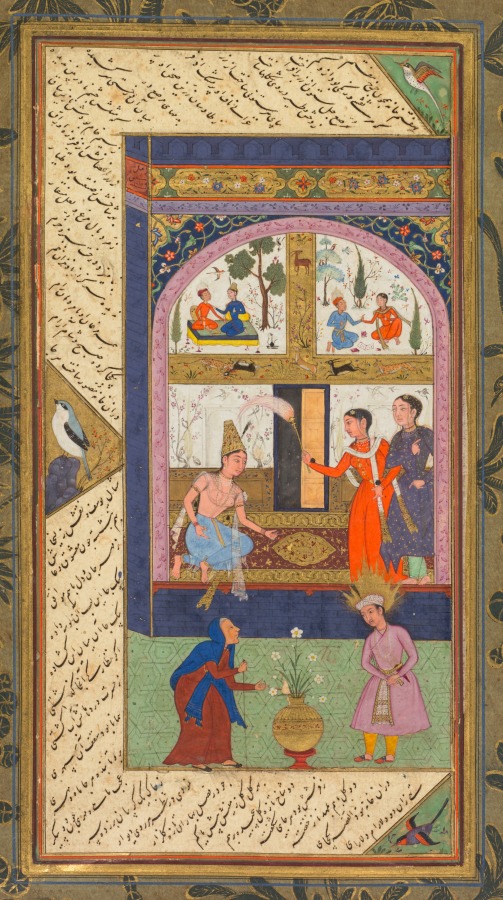
Yusuf and Zulaykha
Iran
- Date
- Safavid dynasty (1501–1722), 1573
- Medium
- Ink, gold, and opaque watercolor on paper
- Culture
- Iran
- Department
- Arts of Asia
- Institution
- Art Institute of Chicago
The authoritative record is held by Art Institute of Chicago. LinkedCulture surfaces this object and its connections; it does not alter institutional metadata.
Linked open data
Authority identifiers that link this record into the wider web of cultural data — stable references you can follow to the source.
- Object type
- AAT300028051
Related across collections
Semantically similar works from Art Institute of Chicago and other institutions.
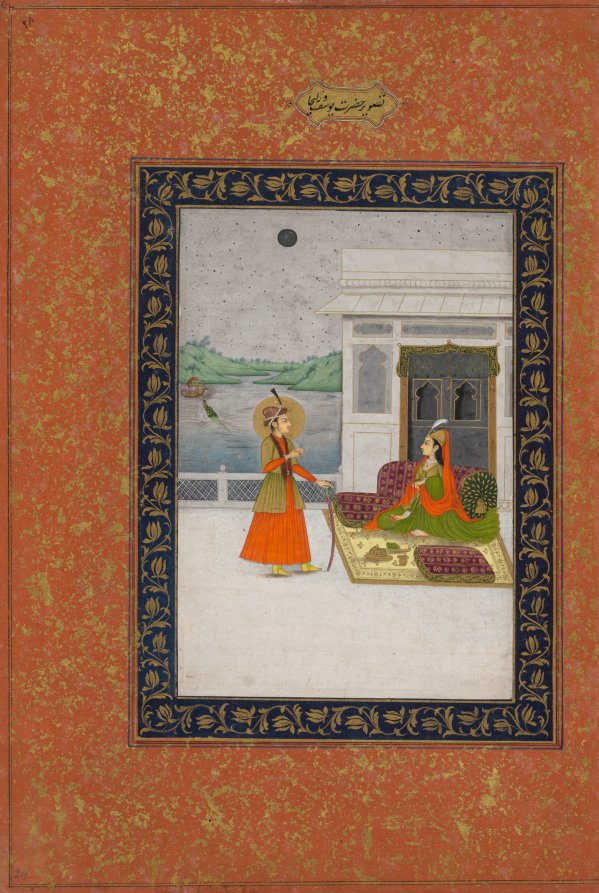
Yusuf and Zulaykha meeting
Cleveland Museum of Art
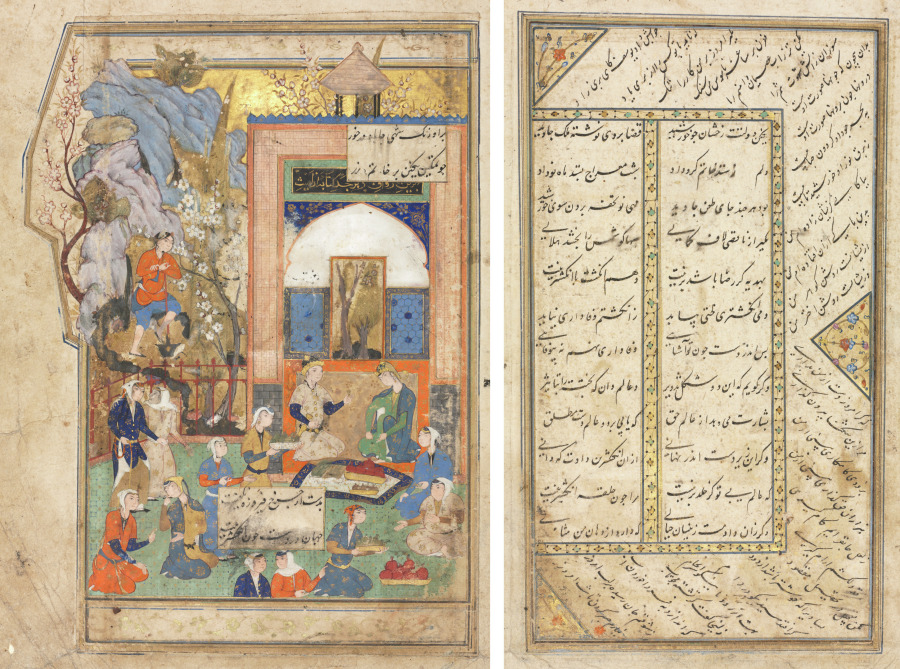
Yusuf and Zulaykha (recto); Text Page, Persian Verses (verso)
Cleveland Museum of Art
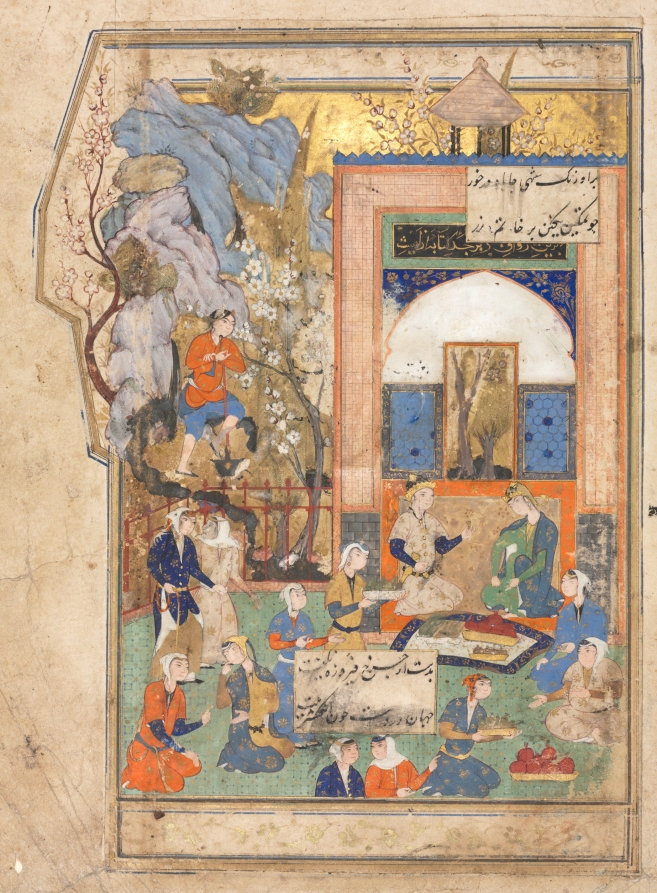
Yusuf and Zulaykha (recto), from an Anthology of Persian Verses, including The Fifth Throne from the Haft Awrang (Seven Thrones) of Jami: The Fifth Throne
Cleveland Museum of Art
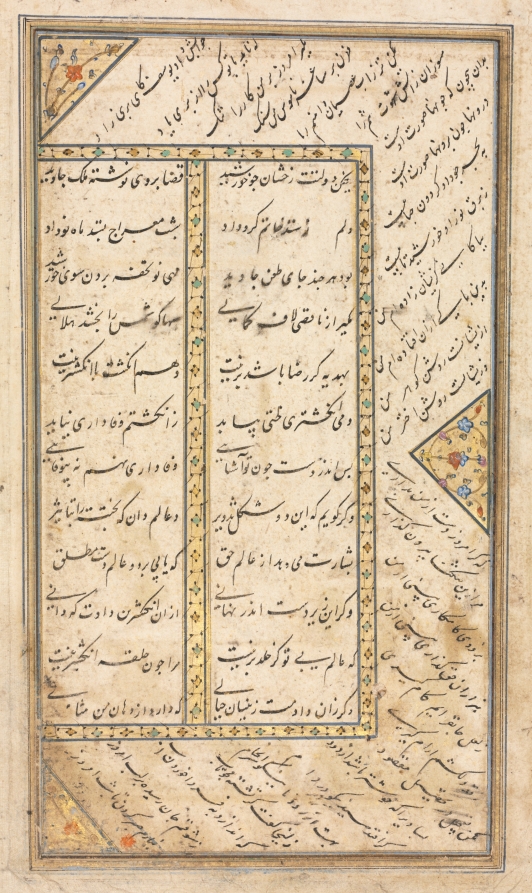
Text Page, Persian Verses (verso) in an Anthology with some verses from Haft Awrang (Seven Thrones) of Jami; The Fifth Throne Yusuf and Zulaykha
Cleveland Museum of Art
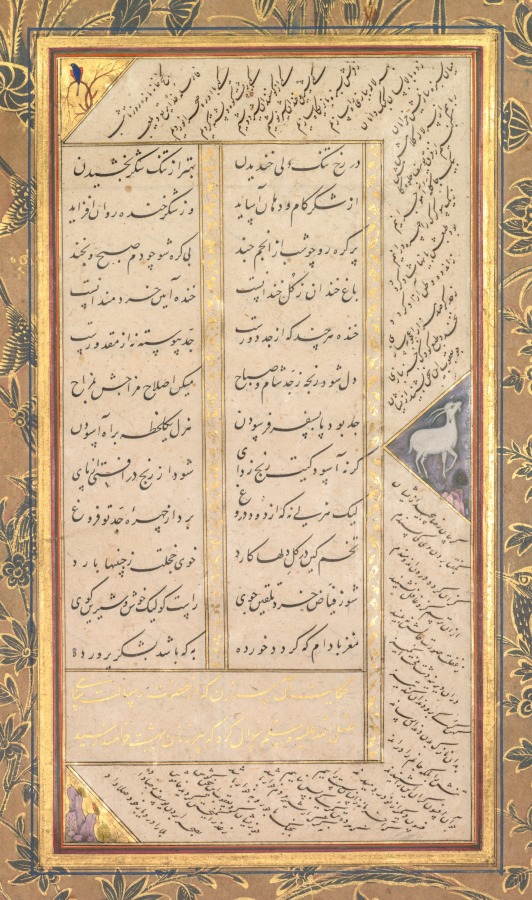
Page from a Panj Ganj (Five Treasures) of Abd al-Rahman Jami (Persian, 1414–1492), with two Persian masnavis: Yusuf va Zulaykha (Joseph and Zulaykha) and Subhat al-abrar (Rosary of the Righteous) (verso)
Cleveland Museum of Art
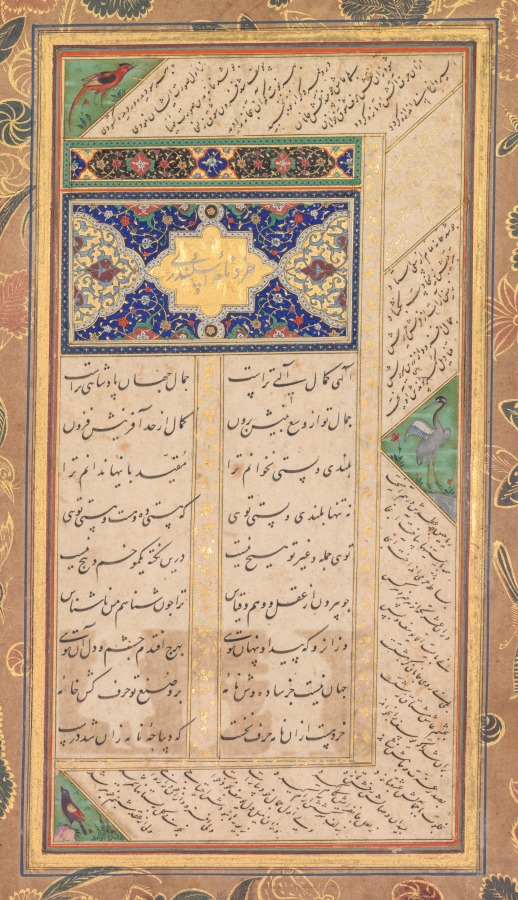
Illuminated page (verso), from a Panj Ganj (Five Treasures) of Abd al- Rahman Jami (Persian, 1414–1492) with two Persian masnavis: Yusuf va Zulaykha (Joseph and Zulaykha) and Khirad-nama-i Iskandari (Alexander’s Book of Wisdom)
Cleveland Museum of Art
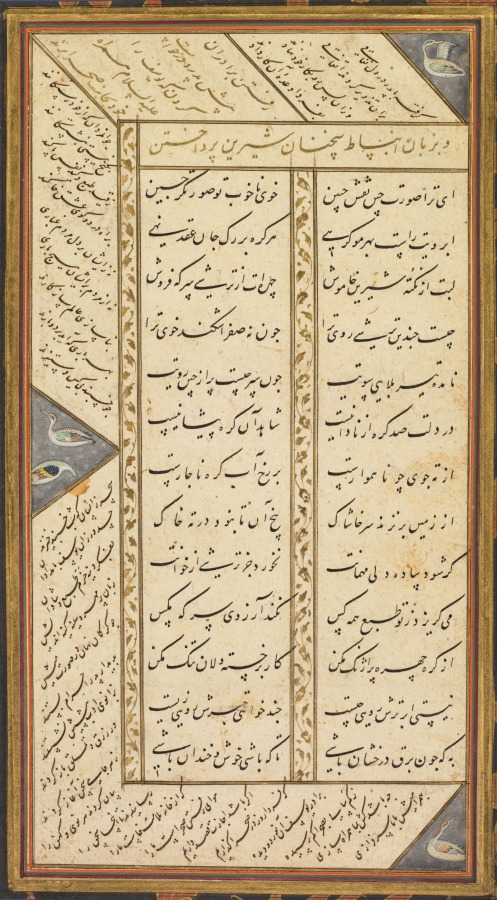
Page from the Panj Ganj (Five Treasures) of Abd al-Rahman Jami (Persian, 1414–1492), with two Persian masnavis (narrative poems): Yusuf va Zulaykha (Joseph and Zulaykha) and Subhat al-abrar (Rosary of the Righteous)
Cleveland Museum of Art
Zulaykha in her palace and as an old woman with Joseph, from a Panj Ganj (Five Treasures) of Abd al-Rahman Jami (Persian, 1414–1492); verso from a Panj Ganj of Abd al-Rahman Jami (Persian, 1414–1492), with two masnavis: Yusuf va Zulaykha (Joseph and Zulaykha) and Khirad-nama-i Iskandari (Alexander’s Book of Wisdom)
Cleveland Museum of Art