Cleveland Museum of Art
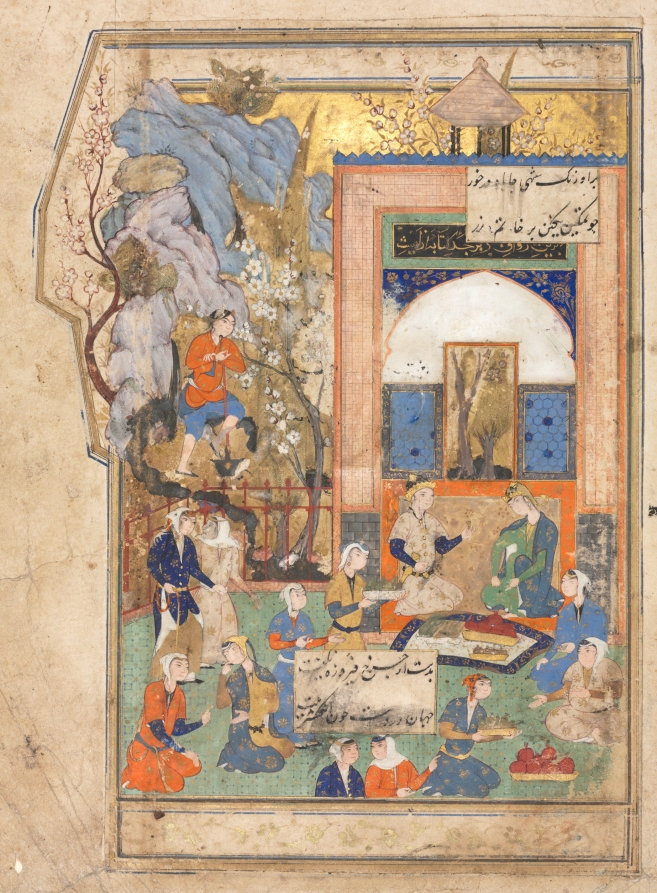
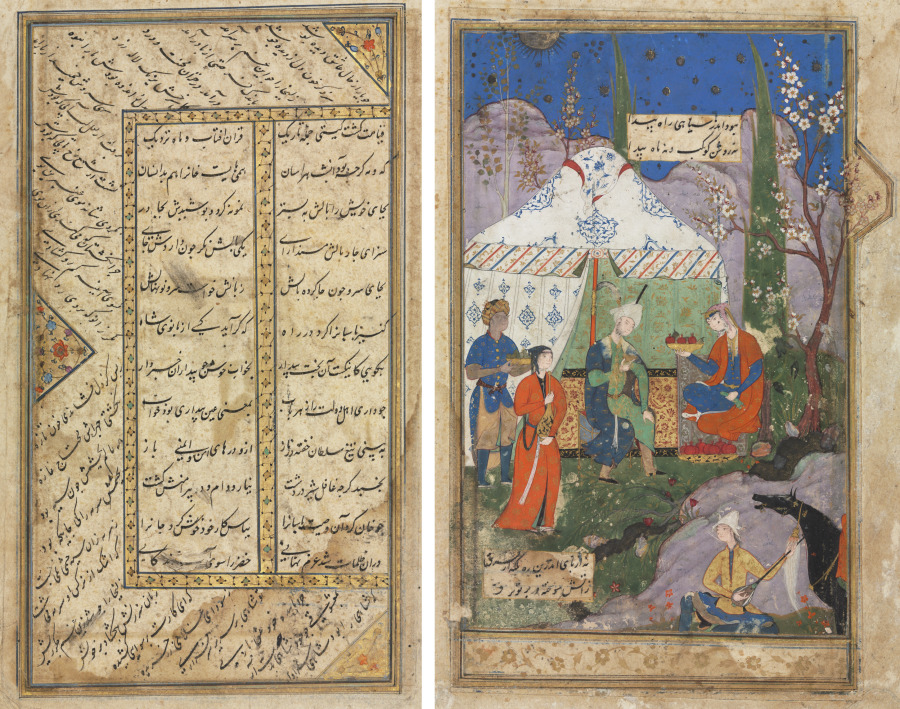
Yusuf and Zulaykha (recto), from an Anthology of Persian Verses, including The Fifth Throne from the Haft Awrang (Seven Thrones) of Jami: The Fifth Throne
- Date
- c. 1556–65
- Medium
- Gum tempera, ink, and gold on paper
- Culture
- Iran, Shiraz or Mashhad, Safavid period (1501–1722)
- Department
- Islamic Art
- Institution
- Cleveland Museum of Art
The painting quotes verses from the Haft Awrang (Seven Thrones) by the Persian poet Jami, a classic of Persian literature, here illustrating the romance of Yusuf and Zulaykha. Originally rooted in the Qur’an (Surah Yusuf, chapter 12), the Prophet Yusuf (Joseph) encounters the wife of the Egyptian governor, traditionally identified as Zulaykha, both seated opposite each other on the right, framed by architecture. Figs and pomegranates, being served to the couple, are symbolic of fertility.
The authoritative record is held by Cleveland Museum of Art. LinkedCulture surfaces this object and its connections; it does not alter institutional metadata.
Related across collections
Semantically similar works from Cleveland Museum of Art and other institutions.
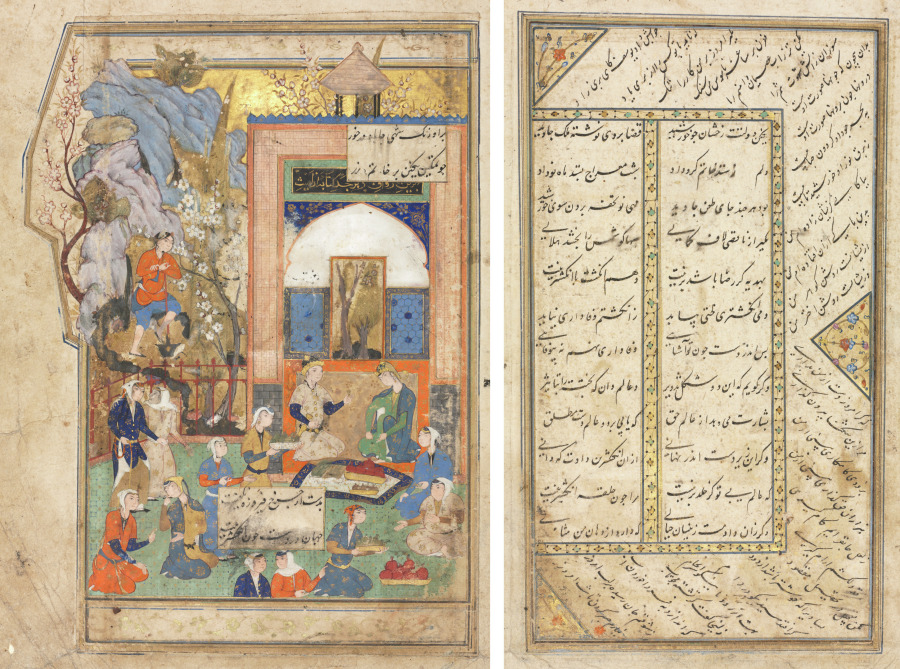
Yusuf and Zulaykha (recto); Text Page, Persian Verses (verso)
Cleveland Museum of Art
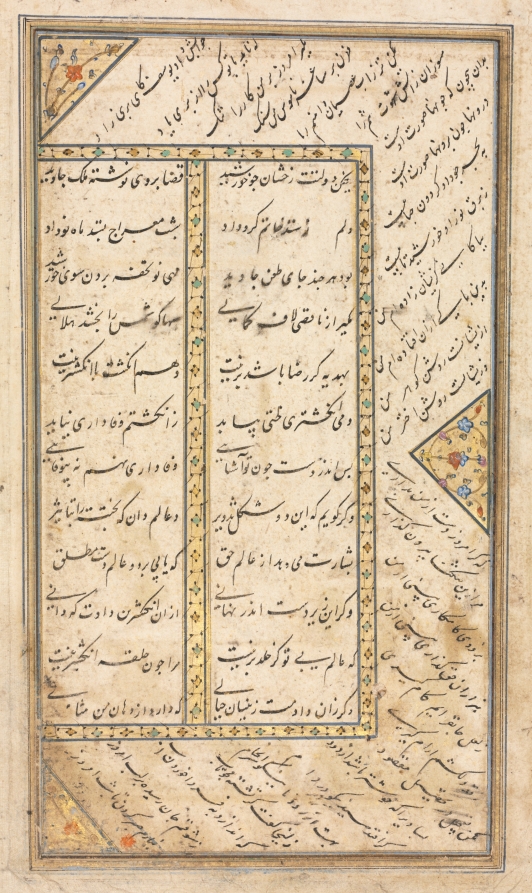
Text Page, Persian Verses (verso) in an Anthology with some verses from Haft Awrang (Seven Thrones) of Jami; The Fifth Throne Yusuf and Zulaykha
Cleveland Museum of Art
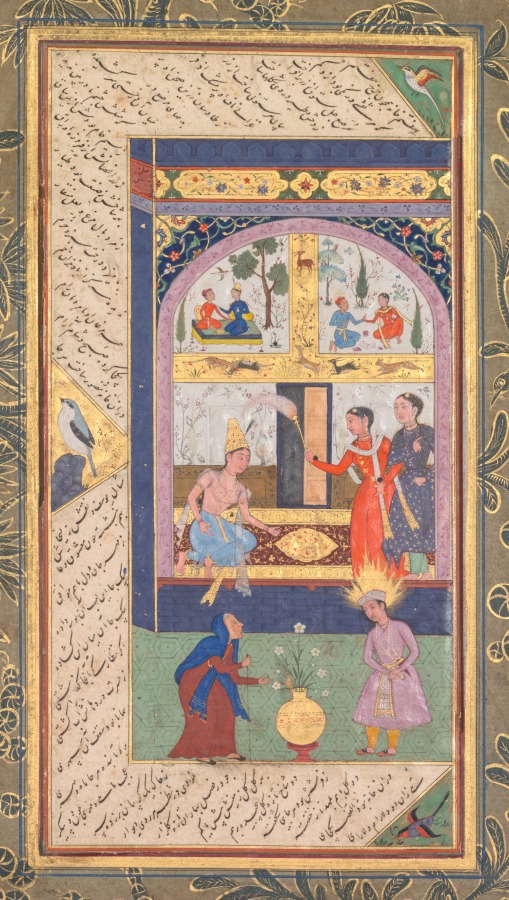
Zulaykha in her palace and as an elderly woman with Joseph (recto), from a Panj Ganj (Five Treasures) of Abd al- Rahman Jami (Persian, 1414–1492)
Cleveland Museum of Art
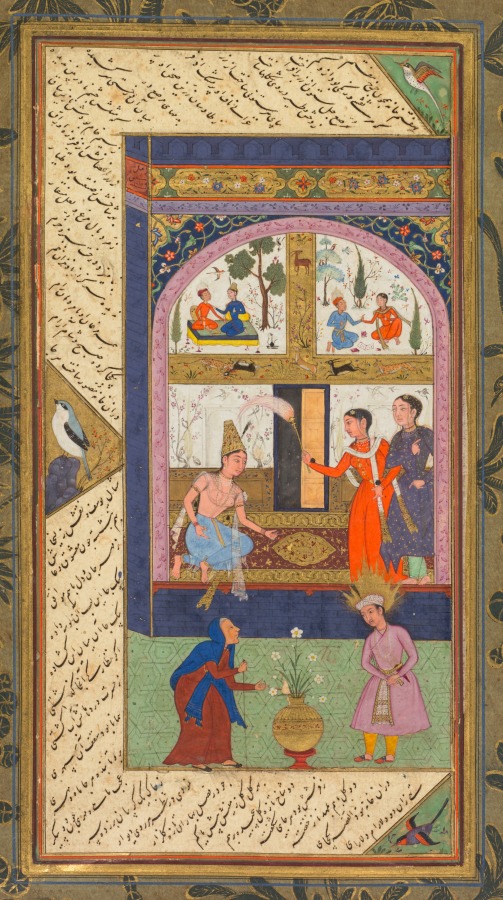
Zulaykha in her palace and as an old woman with Joseph, from a Panj Ganj (Five Treasures) of Abd al-Rahman Jami (Persian, 1414–1492); verso from a Panj Ganj of Abd al-Rahman Jami (Persian, 1414–1492), with two masnavis: Yusuf va Zulaykha (Joseph and Zulaykha) and Khirad-nama-i Iskandari (Alexander’s Book of Wisdom)
Cleveland Museum of Art
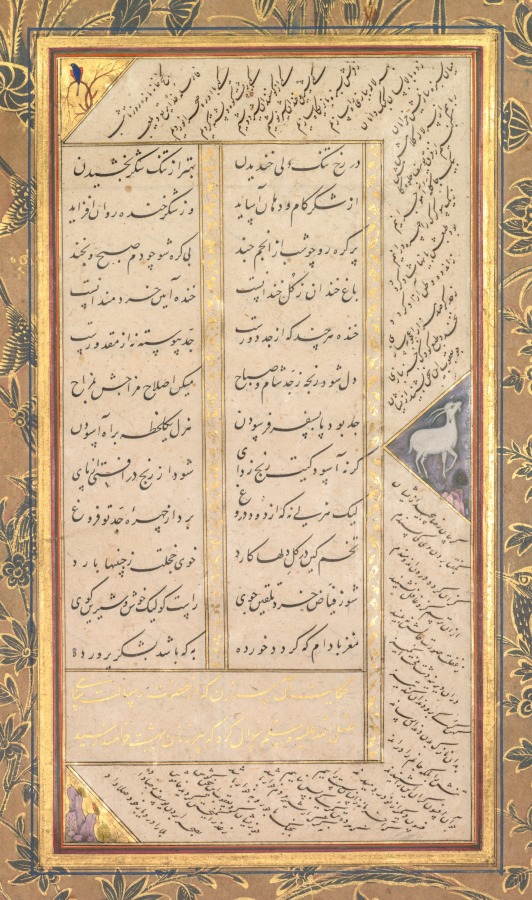
Page from a Panj Ganj (Five Treasures) of Abd al-Rahman Jami (Persian, 1414–1492), with two Persian masnavis: Yusuf va Zulaykha (Joseph and Zulaykha) and Subhat al-abrar (Rosary of the Righteous) (verso)
Cleveland Museum of Art
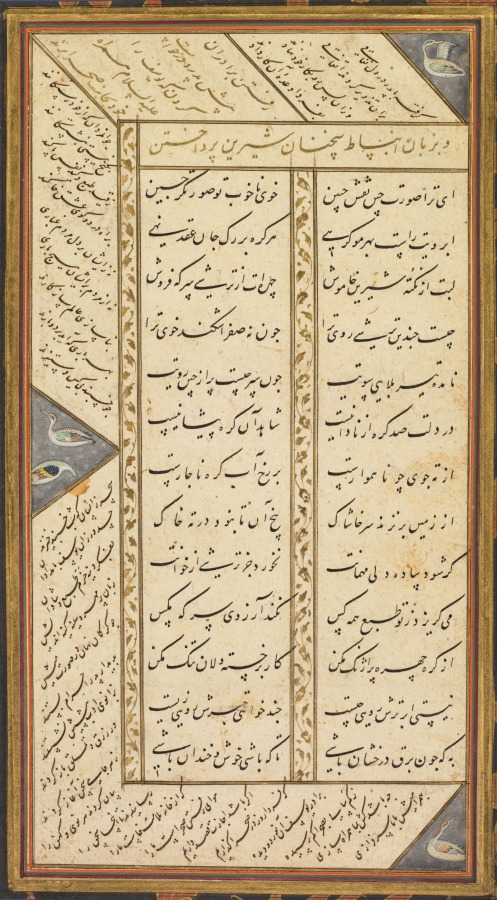
Page from the Panj Ganj (Five Treasures) of Abd al-Rahman Jami (Persian, 1414–1492), with two Persian masnavis (narrative poems): Yusuf va Zulaykha (Joseph and Zulaykha) and Subhat al-abrar (Rosary of the Righteous)
Cleveland Museum of Art
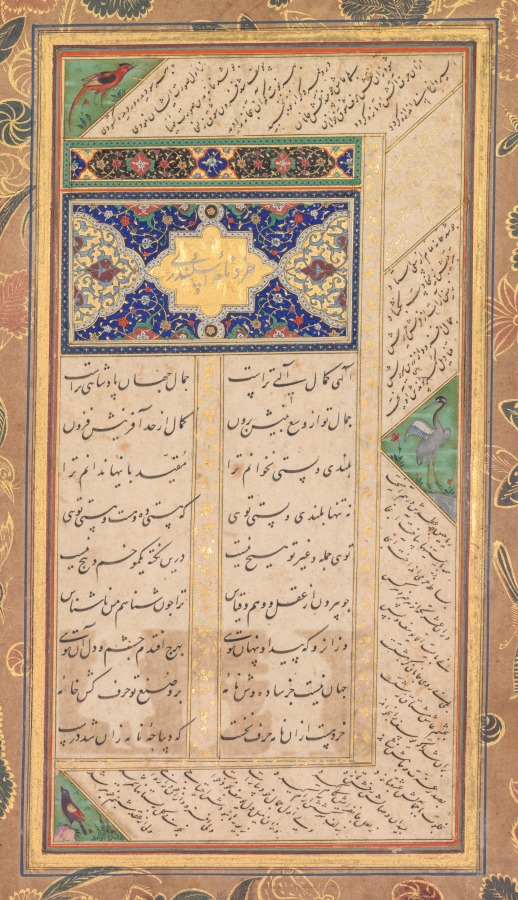
Illuminated page (verso), from a Panj Ganj (Five Treasures) of Abd al- Rahman Jami (Persian, 1414–1492) with two Persian masnavis: Yusuf va Zulaykha (Joseph and Zulaykha) and Khirad-nama-i Iskandari (Alexander’s Book of Wisdom)
Cleveland Museum of Art
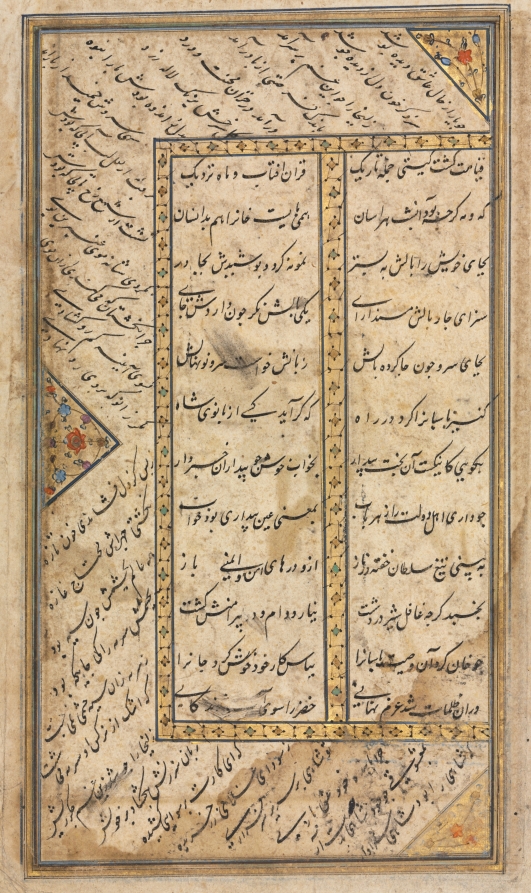
Persian verses from a Haft Awrang (Seven Thrones) of Jami (d. 1492) (recto)
Cleveland Museum of Art
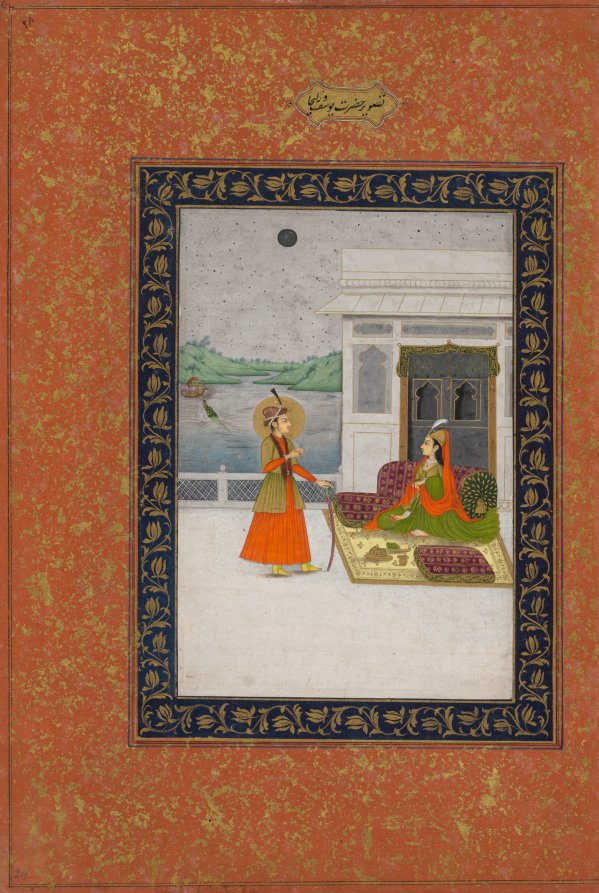
Yusuf and Zulaykha meeting
Cleveland Museum of Art
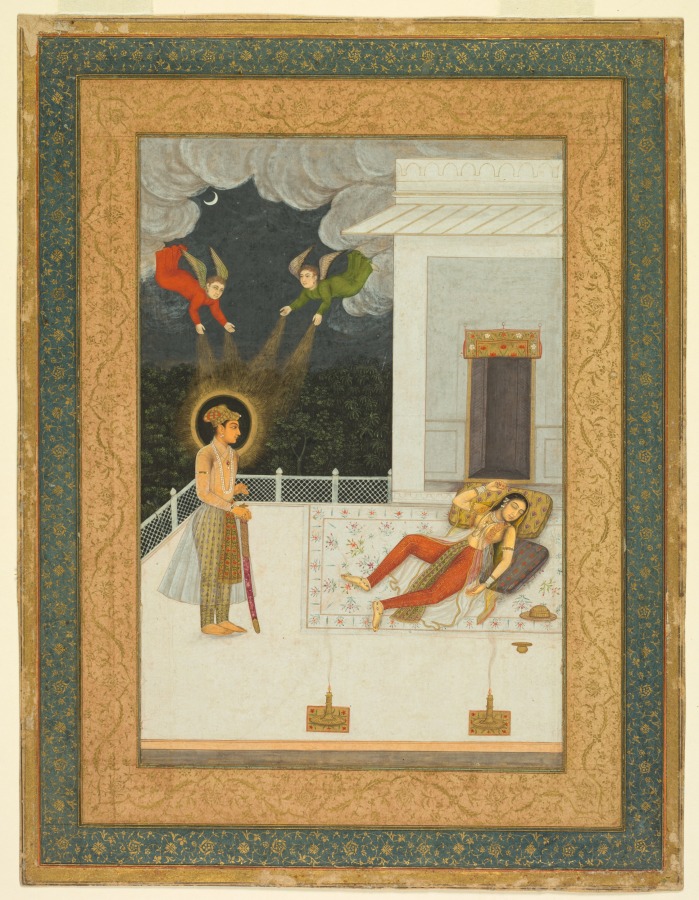
The dream of Zulaykha, from the Amber Album
Cleveland Museum of Art
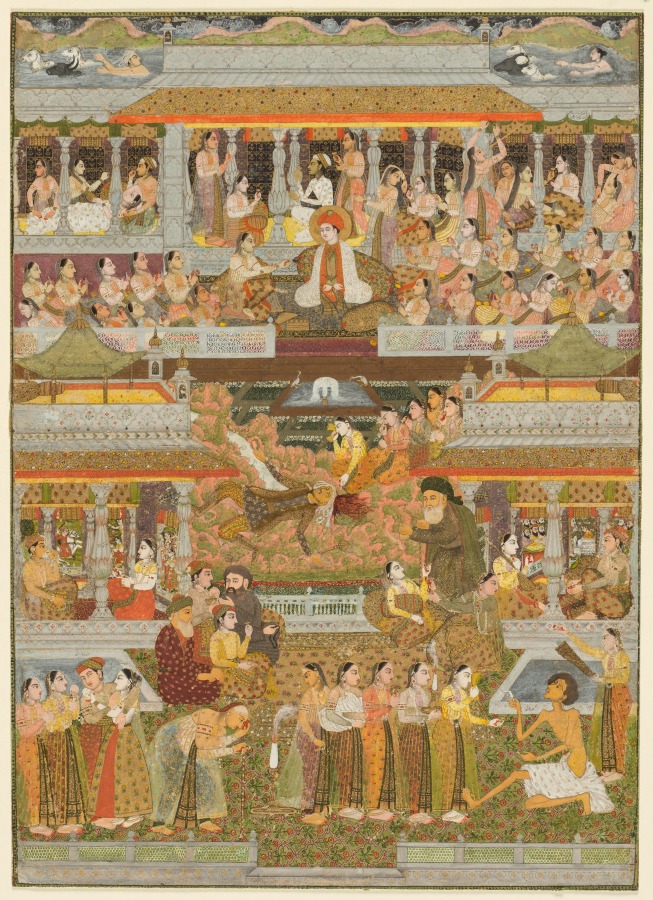
Lovers and beloveds: A composite of scenes from Persian, Urdu, and Sanskrit literature
Cleveland Museum of Art
An Episode from the Story of the Sasanian King Khusrau and His Beloved Shirin, from a Khamsa (Quintet) of Nizami (1141–1209) (verso); Persian verses from a Haft Awrang (Seven Thrones) of Jami (d. 1492) (recto)
Cleveland Museum of Art