Cleveland Museum of Art
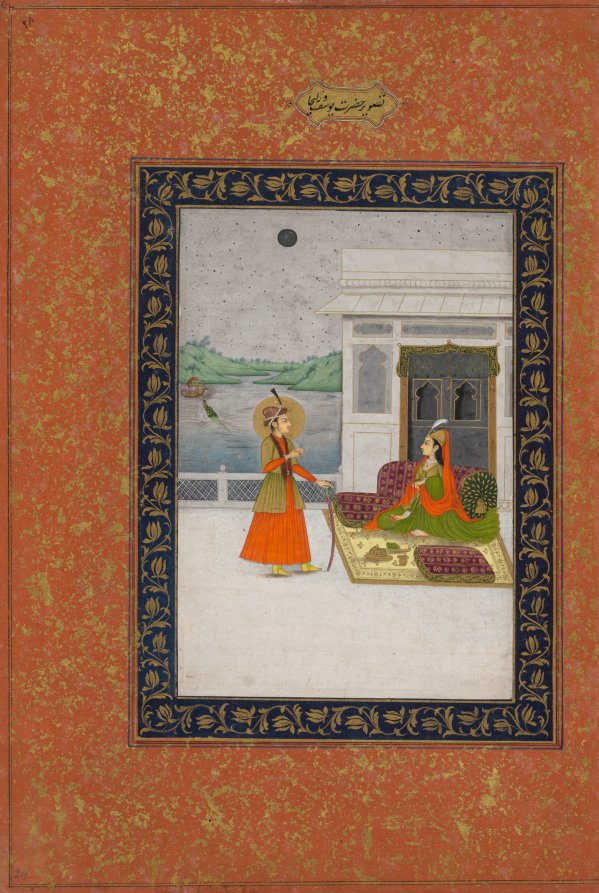
Yusuf and Zulaykha meeting
- Date
- c. 1764
- Medium
- Gum tempera, ink, and gold on paper
- Culture
- India, Provincial Mughal, Lucknow, 18th century
- Department
- Indian and Southeast Asian Art
- Institution
- Cleveland Museum of Art
Joseph, called Yusuf in Arabic and Persian sources, had been thrown into a well by his jealous older brothers. Although his eldest brother intended to return and rescue him, Joseph was taken by a caravan and brought to Egypt to be sold as a slave. When Zulaykha saw Joseph in the market, she recognized him as the lover she had seen in her dreams since childhood and so purchased him for herself. When read as a religious allegory, Zulaykha’s passionate desire for Joseph is interpreted as the yearning of the soul to be joined with the perfect beauty of God. Joseph wears a Central Asian fur-trimmed hat and coat and holds Indian paan.
The authoritative record is held by Cleveland Museum of Art. LinkedCulture surfaces this object and its connections; it does not alter institutional metadata.
Related across collections
Semantically similar works from Cleveland Museum of Art and other institutions.
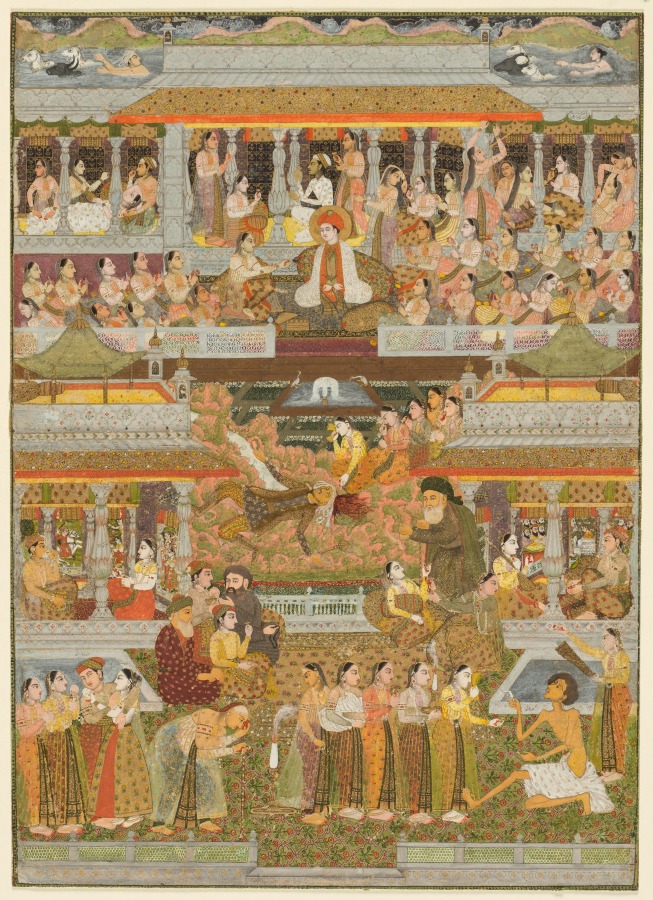
Lovers and beloveds: A composite of scenes from Persian, Urdu, and Sanskrit literature
Cleveland Museum of Art
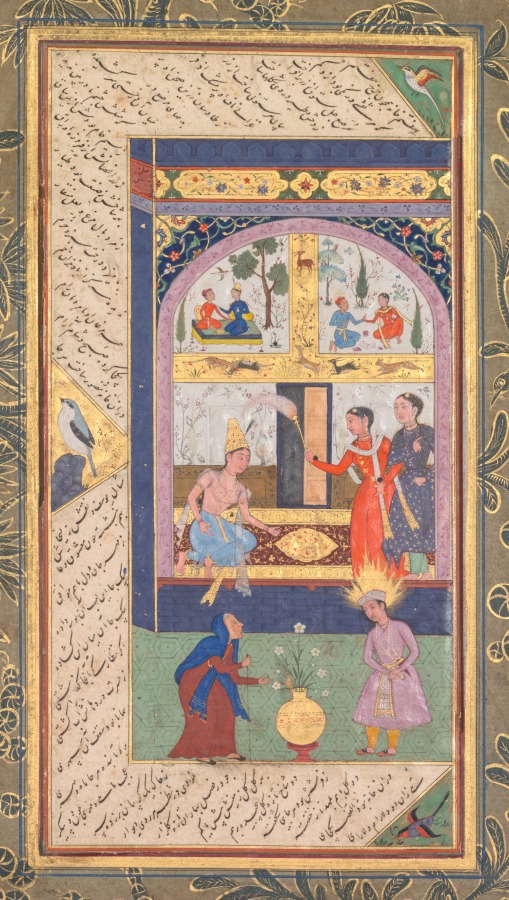
Zulaykha in her palace and as an elderly woman with Joseph (recto), from a Panj Ganj (Five Treasures) of Abd al- Rahman Jami (Persian, 1414–1492)
Cleveland Museum of Art
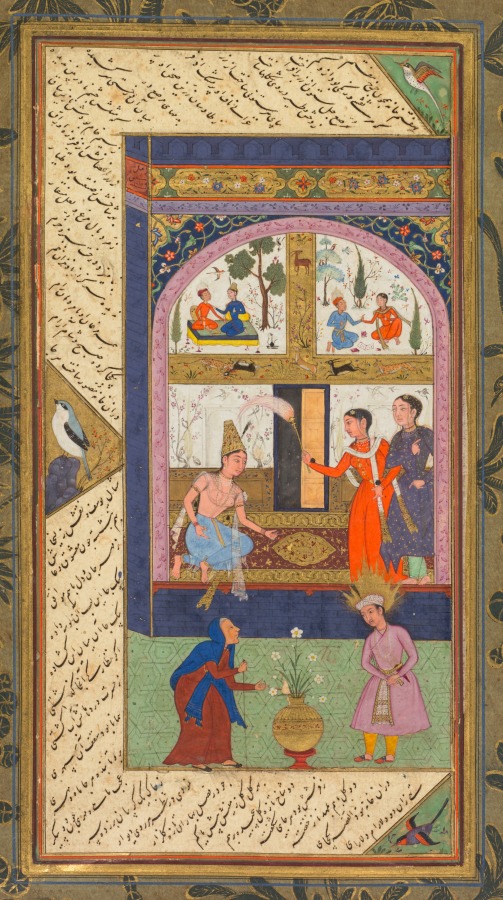
Zulaykha in her palace and as an old woman with Joseph, from a Panj Ganj (Five Treasures) of Abd al-Rahman Jami (Persian, 1414–1492); verso from a Panj Ganj of Abd al-Rahman Jami (Persian, 1414–1492), with two masnavis: Yusuf va Zulaykha (Joseph and Zulaykha) and Khirad-nama-i Iskandari (Alexander’s Book of Wisdom)
Cleveland Museum of Art
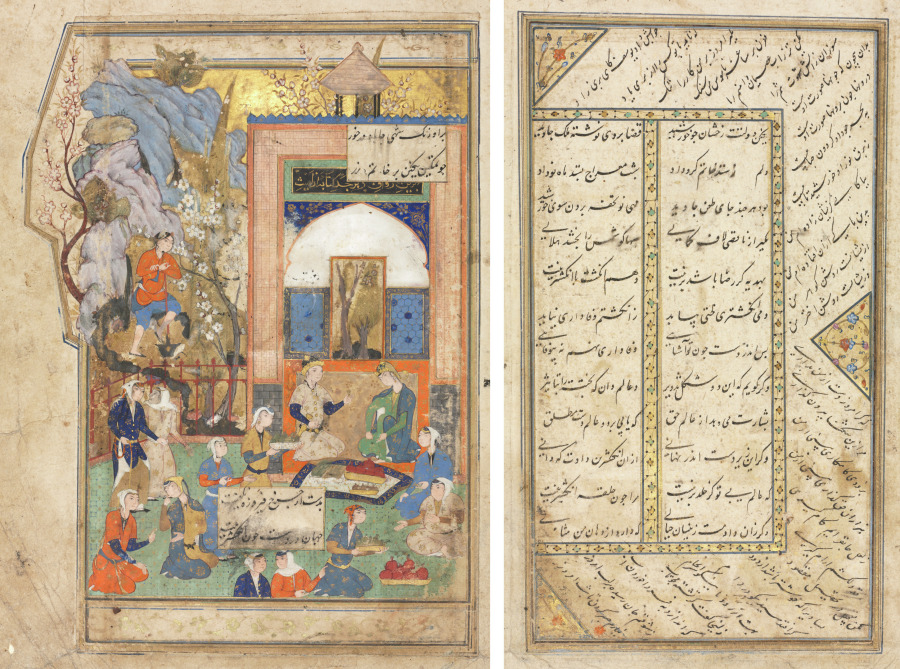
Yusuf and Zulaykha (recto); Text Page, Persian Verses (verso)
Cleveland Museum of Art
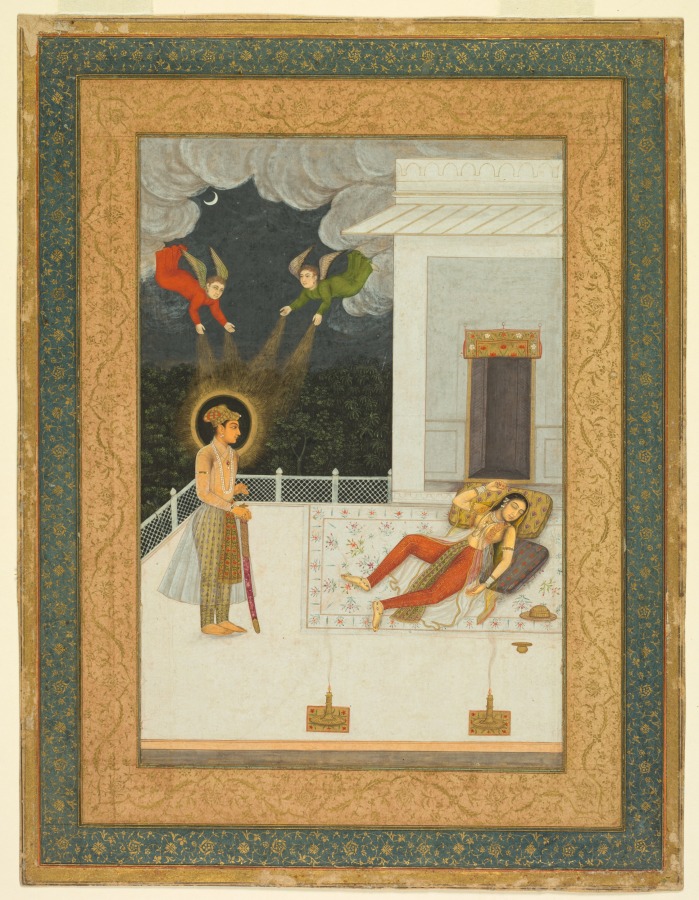
The dream of Zulaykha, from the Amber Album
Cleveland Museum of Art
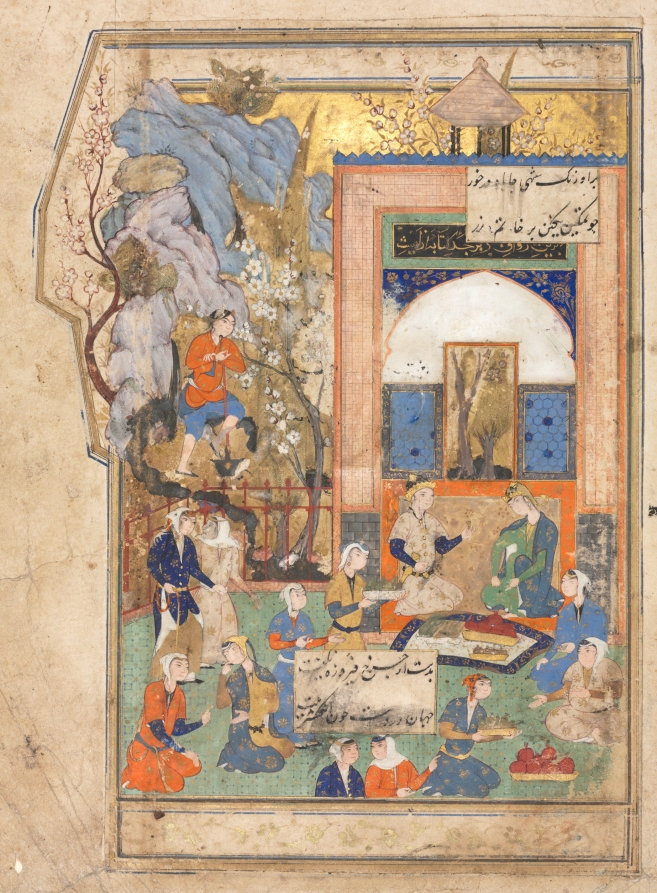
Yusuf and Zulaykha (recto), from an Anthology of Persian Verses, including The Fifth Throne from the Haft Awrang (Seven Thrones) of Jami: The Fifth Throne
Cleveland Museum of Art
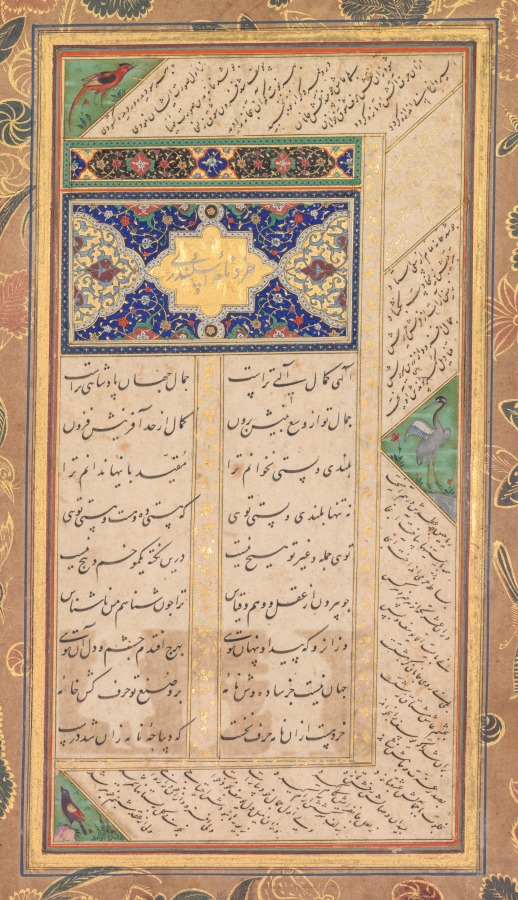
Illuminated page (verso), from a Panj Ganj (Five Treasures) of Abd al- Rahman Jami (Persian, 1414–1492) with two Persian masnavis: Yusuf va Zulaykha (Joseph and Zulaykha) and Khirad-nama-i Iskandari (Alexander’s Book of Wisdom)
Cleveland Museum of Art
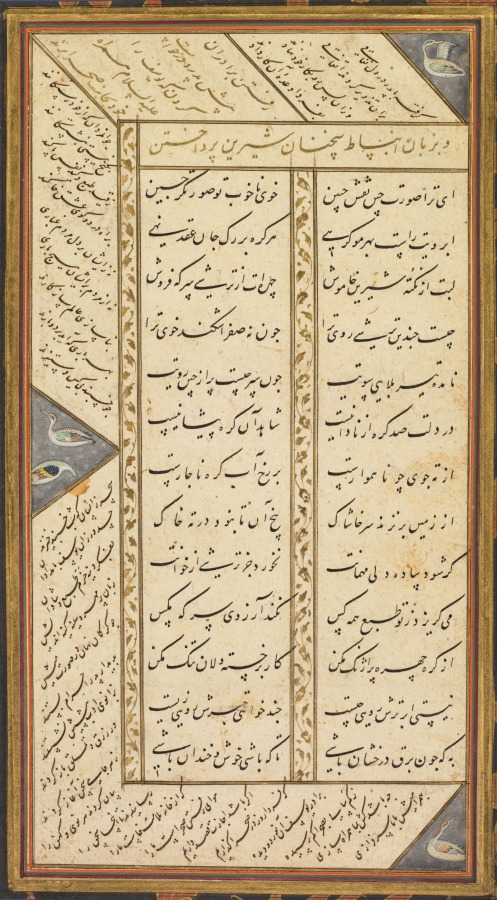
Page from the Panj Ganj (Five Treasures) of Abd al-Rahman Jami (Persian, 1414–1492), with two Persian masnavis (narrative poems): Yusuf va Zulaykha (Joseph and Zulaykha) and Subhat al-abrar (Rosary of the Righteous)
Cleveland Museum of Art

Joseph and Potiphar's Wife
Getty Museum

Border with Joseph Being Sold by His Brothers
Getty Museum
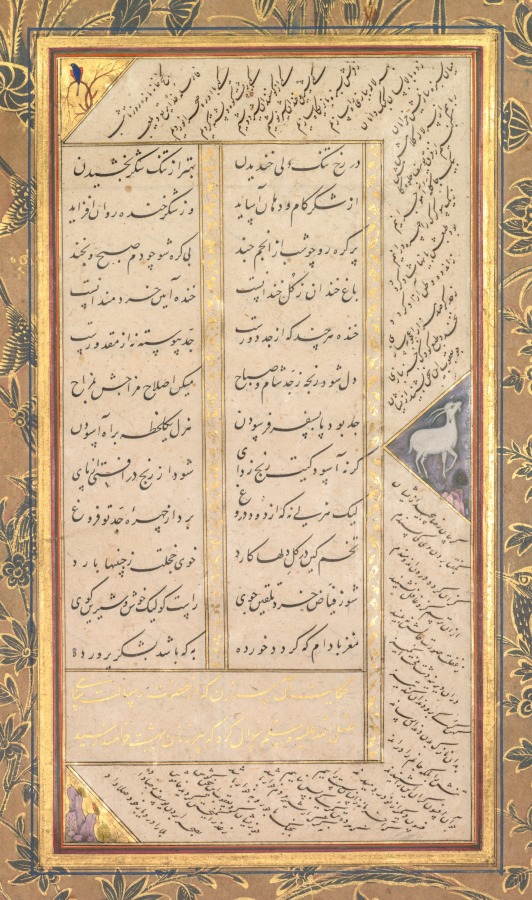
Page from a Panj Ganj (Five Treasures) of Abd al-Rahman Jami (Persian, 1414–1492), with two Persian masnavis: Yusuf va Zulaykha (Joseph and Zulaykha) and Subhat al-abrar (Rosary of the Righteous) (verso)
Cleveland Museum of Art

Joseph in Prison Interpreting the Dreams of Pharaoh's Baker and Butler
Getty Museum