Cleveland Museum of Art
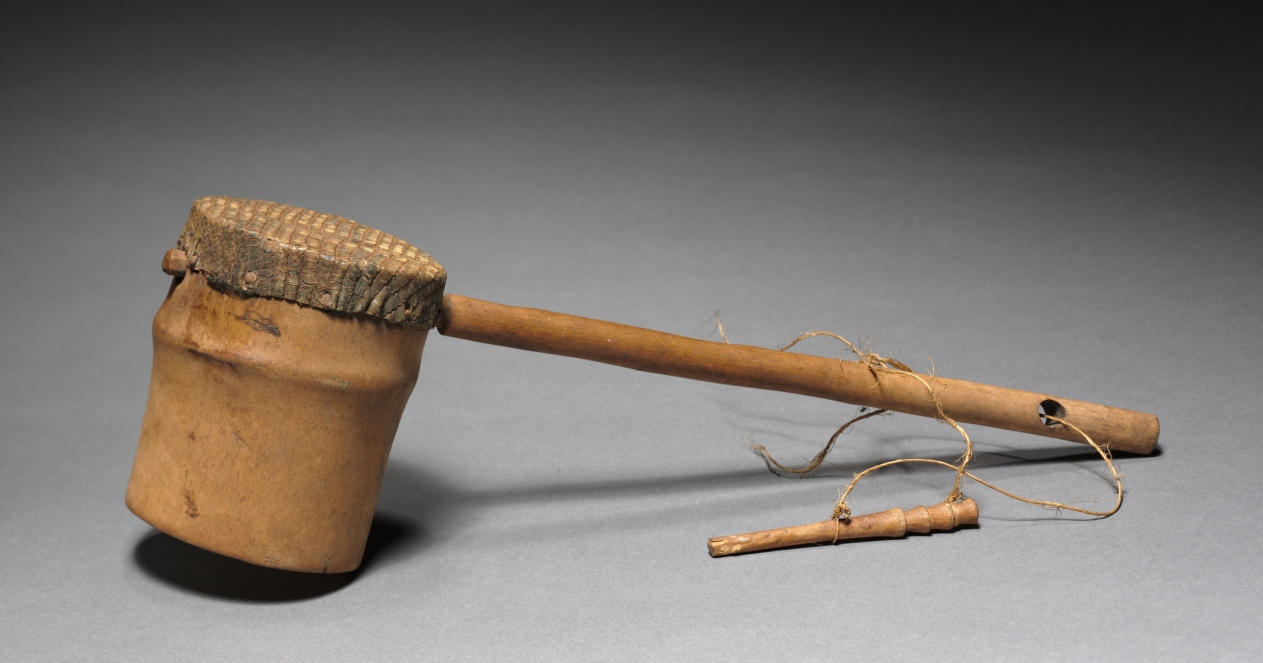
Spike fiddle (endingidi or iningidi)
- Date
- 1900s
- Medium
- Wood, snakeskin, and plant fiber
- Culture
- Eastern Africa, Uganda or Rwanda-Burundi, unknown maker
- Department
- African Art
- Institution
- Cleveland Museum of Art
The endingidi is a single-stringed chordophone musical instrument. Scholars believe it was introduced into the Kingdom of Buganda (in present-day Uganda) between 1904 and 1907. From Uganda, it was later introduced to present-day Rwanda, where it is called iningidi and played by Hutu musicians. Horsehair stretched from the end of the handle and over the reptile-skin–covered tube sound box, and attached to the handle with the wooden tuning peg. A deeply curved bow, now missing, would have allowed a male musician to play the instrument as he held it vertically. Still played today, the music of the endingidi is often heard at weddings or played by royal Bugandan court musicians. A photograph taken around 1929 shows that this instrument once had a tassle of long, black animal hair attached to the handle. This tassel beautified the instrument and gave it a dignified "clothed" presence when played at the Bugandan court.
The authoritative record is held by Cleveland Museum of Art. LinkedCulture surfaces this object and its connections; it does not alter institutional metadata.
Related across collections
Semantically similar works from Cleveland Museum of Art and other institutions.
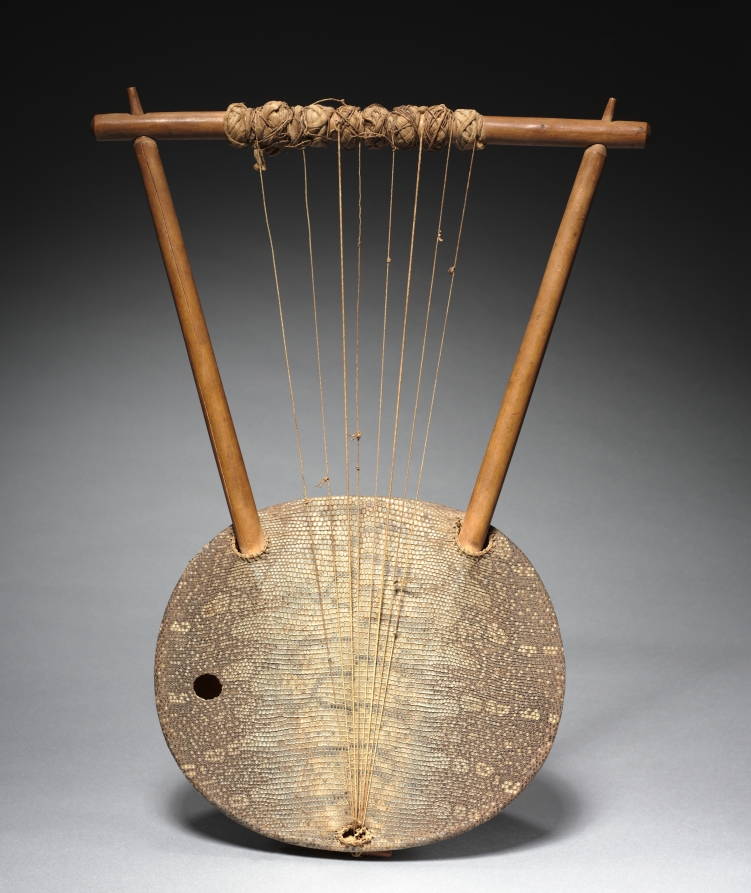
Lyre (ndongo, endongo, entongoli, or kissar)
Cleveland Museum of Art
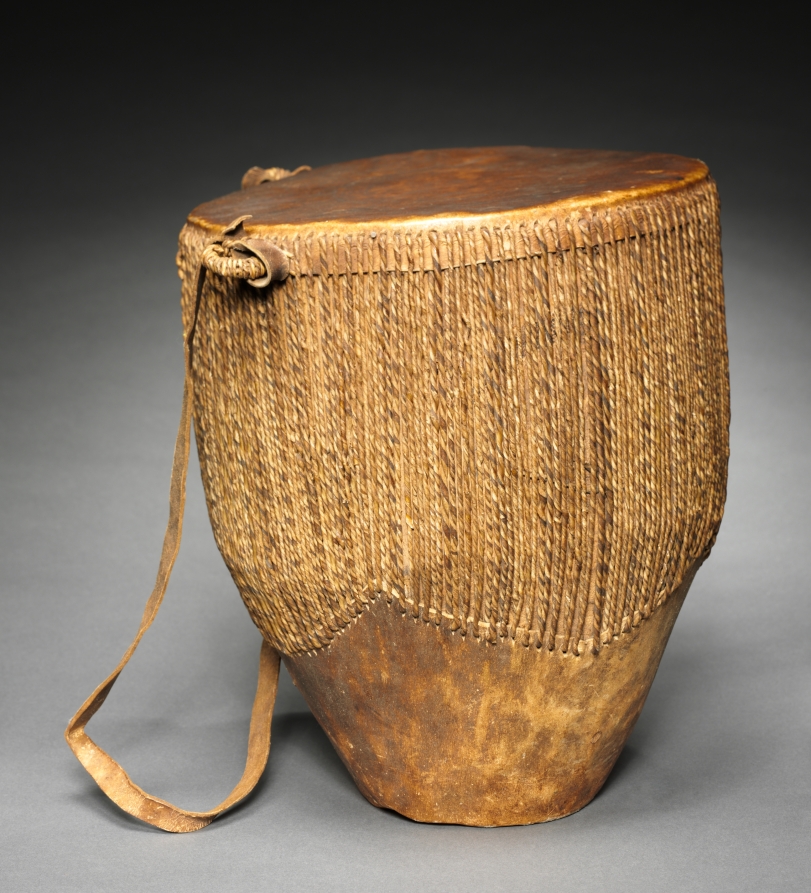
Drum (ngoma)
Cleveland Museum of Art
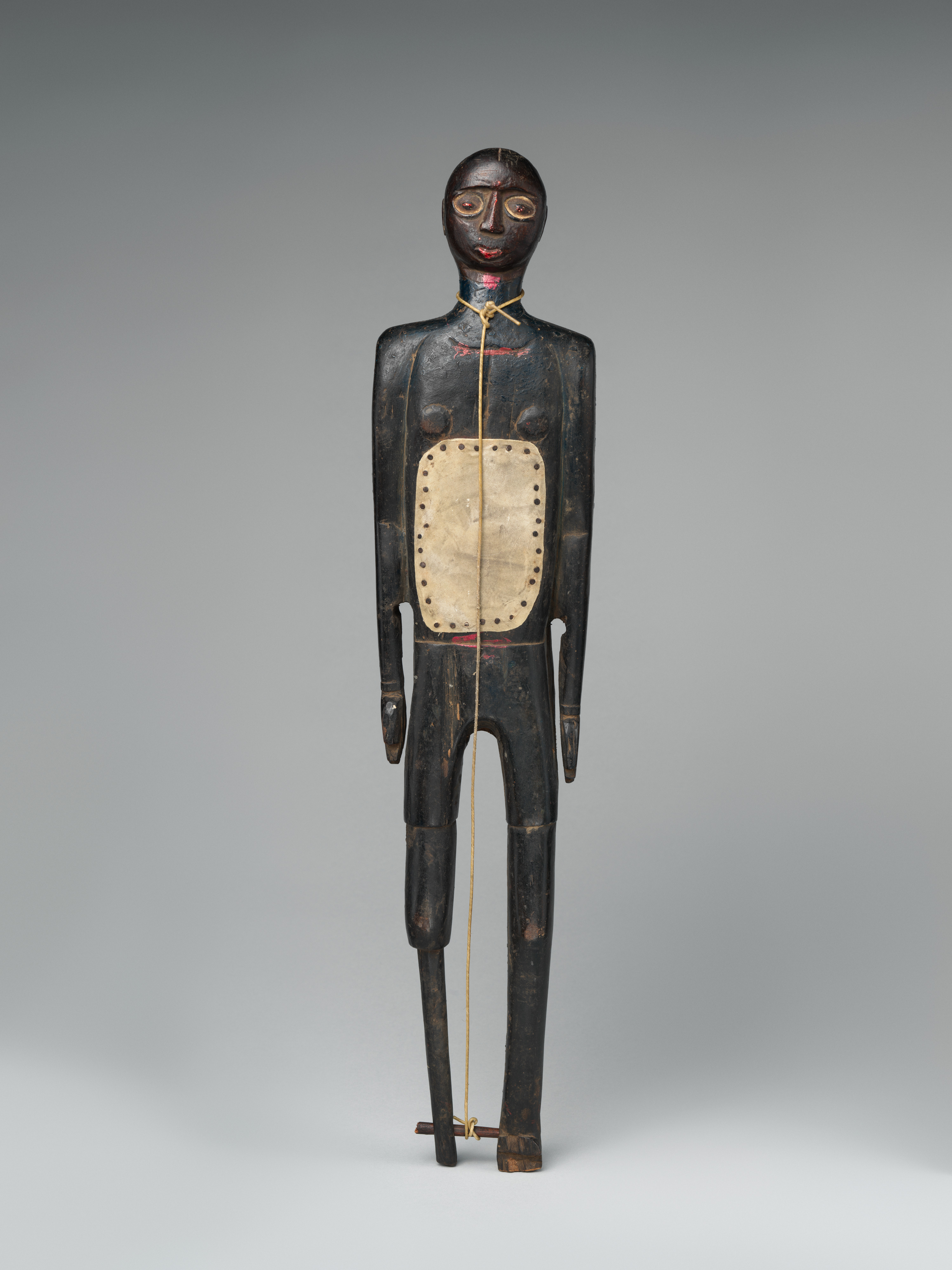
Santal or Munda Fiddle (Huka Banam)
The Metropolitan Museum of Art
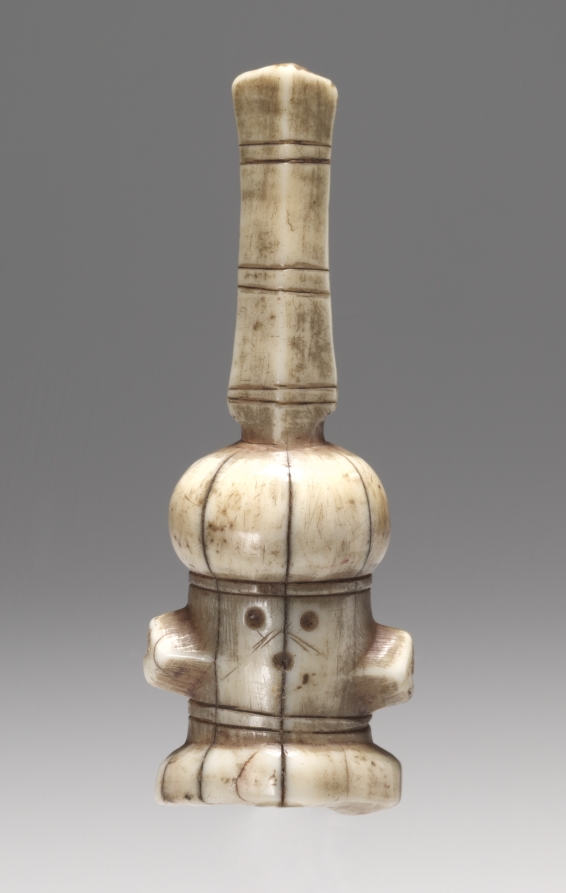
Whistle
Cleveland Museum of Art
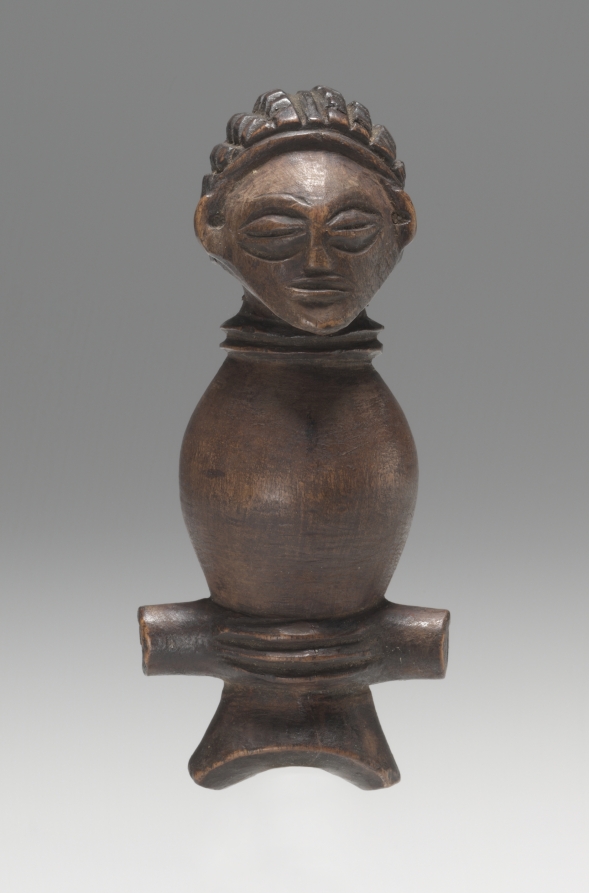
Whistle
Cleveland Museum of Art
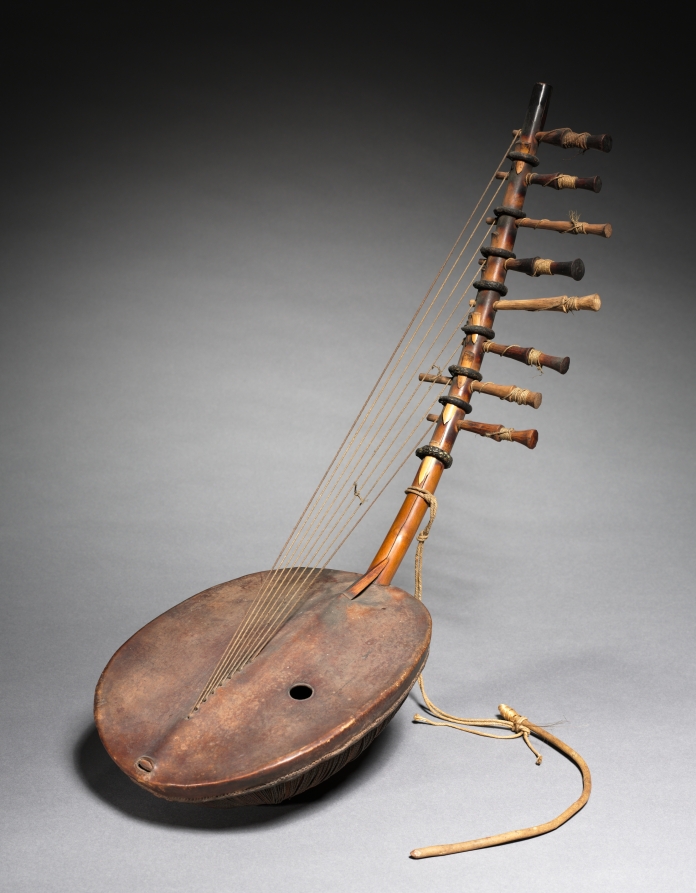
Musical Instrument
Cleveland Museum of Art
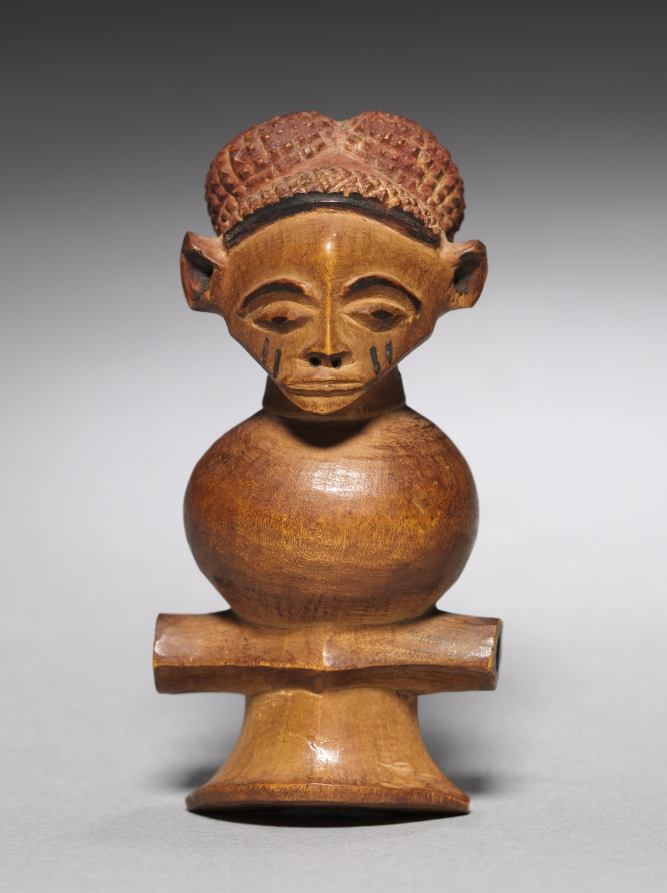
Whistle (kasengosengo)
Cleveland Museum of Art
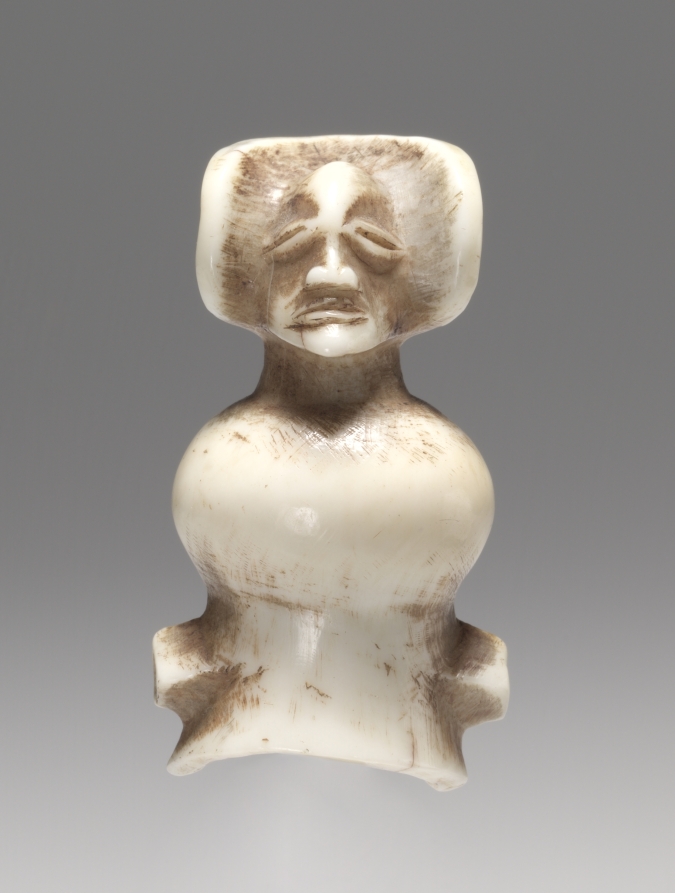
Whistle
Cleveland Museum of Art
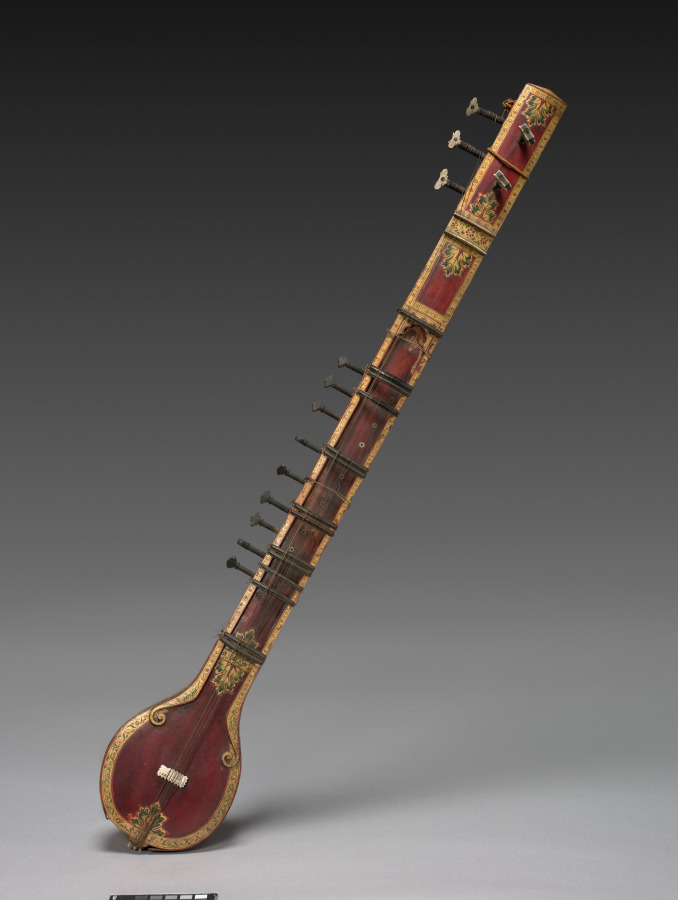
Sitar
Cleveland Museum of Art
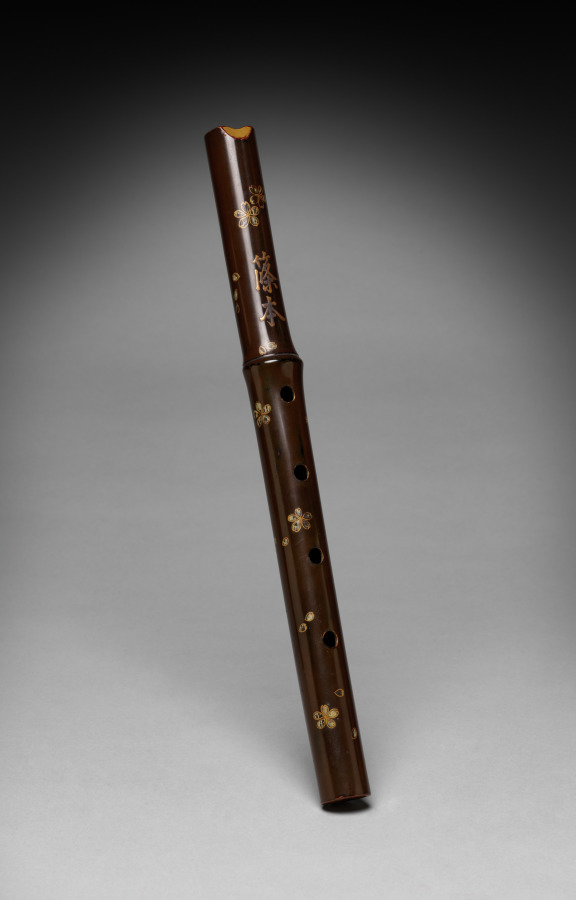
End-blown Flute (Hitoyogiri)
Cleveland Museum of Art

Drum
Minneapolis Institute of Art

Harp
Minneapolis Institute of Art