Cleveland Museum of Art
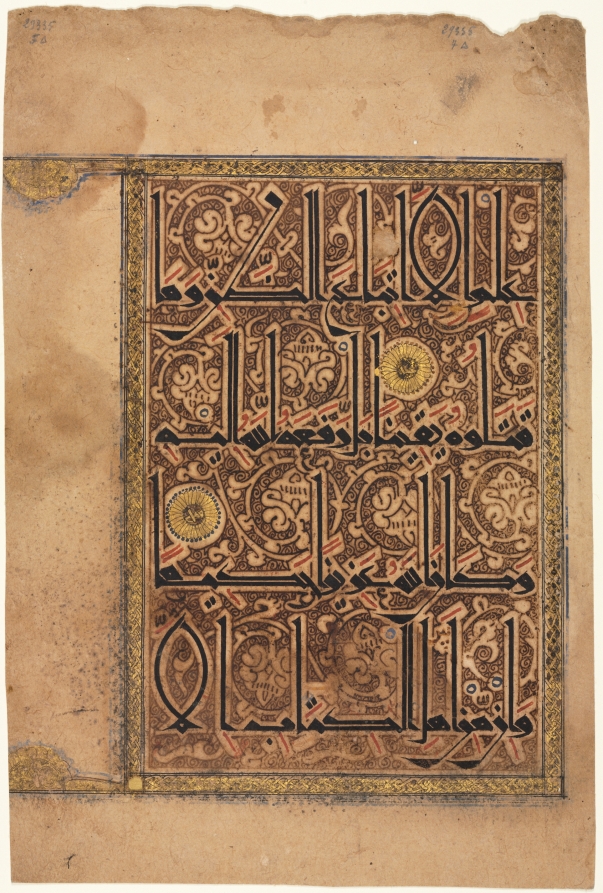
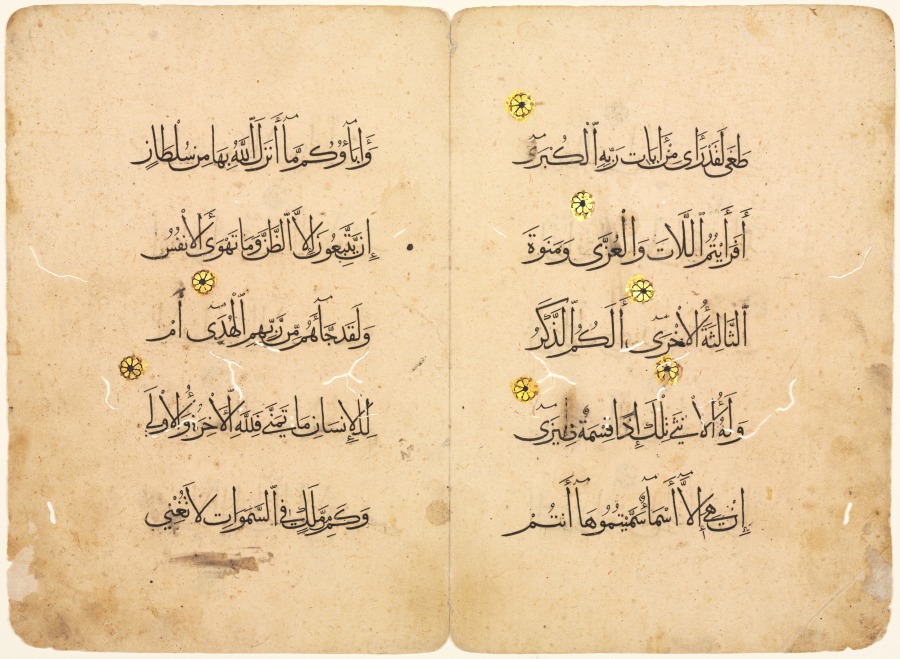
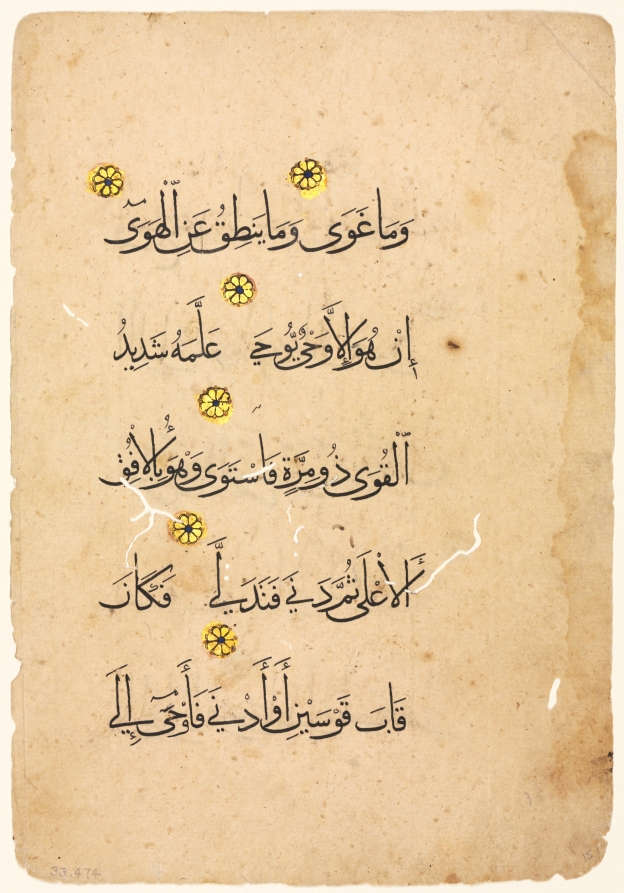
Page from a Qur'an, Sura al-Nisa 4, Verses 157–58
- Date
- 1100s
- Medium
- opaque watercolor, ink, and gold on paper
- Culture
- Seljuk Iran
- Department
- Islamic Art
- Institution
- Cleveland Museum of Art
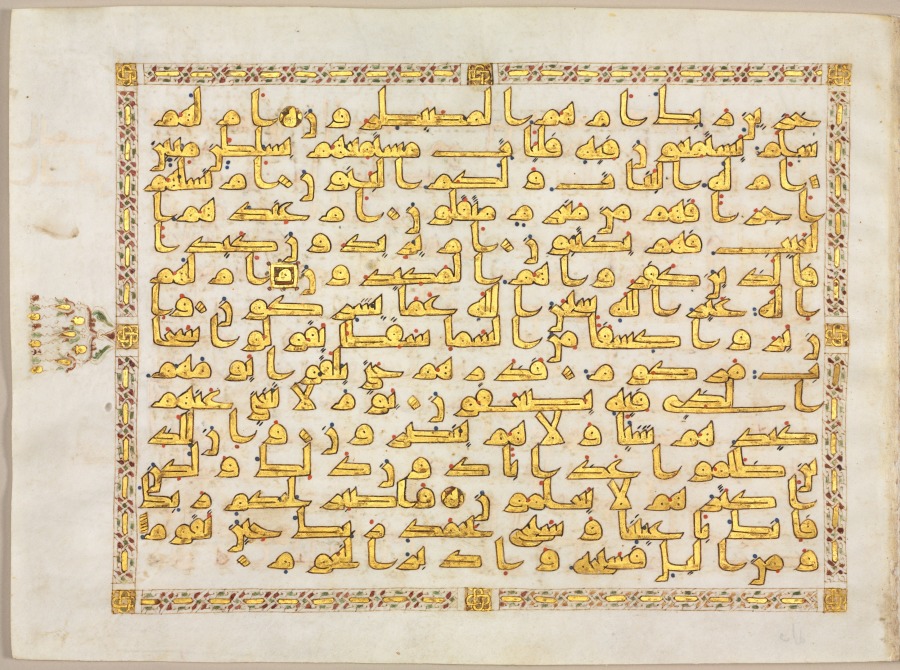
Arabic calligraphy, the art of beautiful writing, was elevated above all other art forms in the Islamic world because Allah, or God, revealed the divine word of Islam to the Prophet Muhammad (570–632) in the Arabic language. This Qur’an page is considered one of the most splendid examples of Arabic calligraphy. Based on the proportions of Arabic letters, majestic eastern Kufic script features elongated letters with long upstrokes and low strokes swaying to the left. Contours echoing the letters separate the sacred text from the lively arabesque background of foliage in rhythmic patterns. This vertical layout on paper replaces the earlier horizontal format on parchment. Calligraphers and poets enjoyed higher status than painters and architects in Islamic countries.
The authoritative record is held by Cleveland Museum of Art. LinkedCulture surfaces this object and its connections; it does not alter institutional metadata.
Related across collections
Semantically similar works from Cleveland Museum of Art and other institutions.
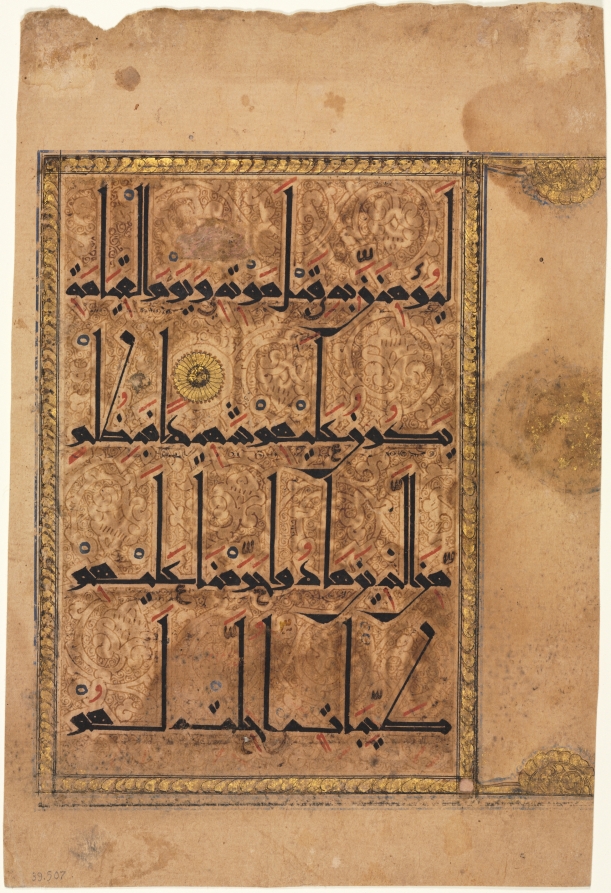
Page from a Qur'an, Sura al-Nisa 4, verses 159–60
Cleveland Museum of Art
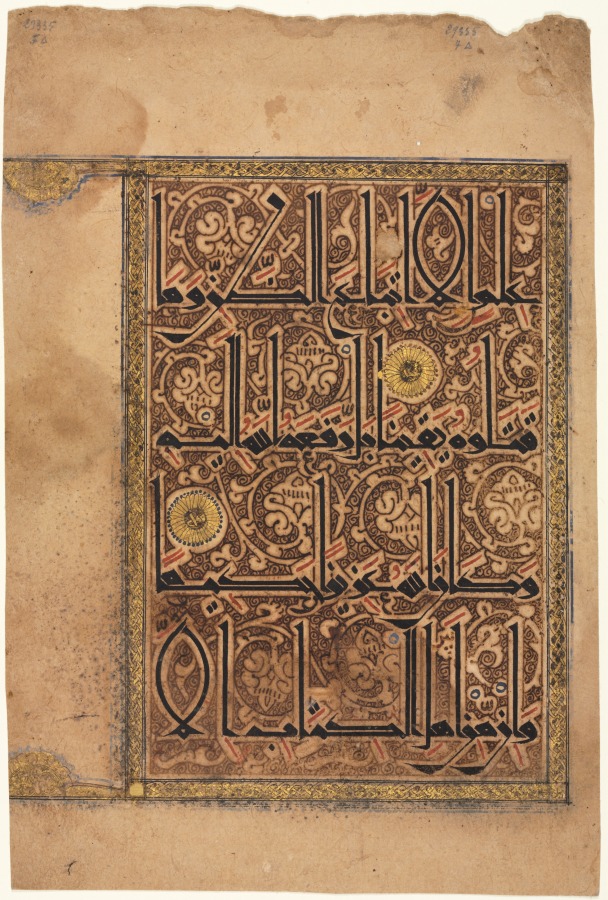
Double-Sided Leaf from a Qur'an
Cleveland Museum of Art
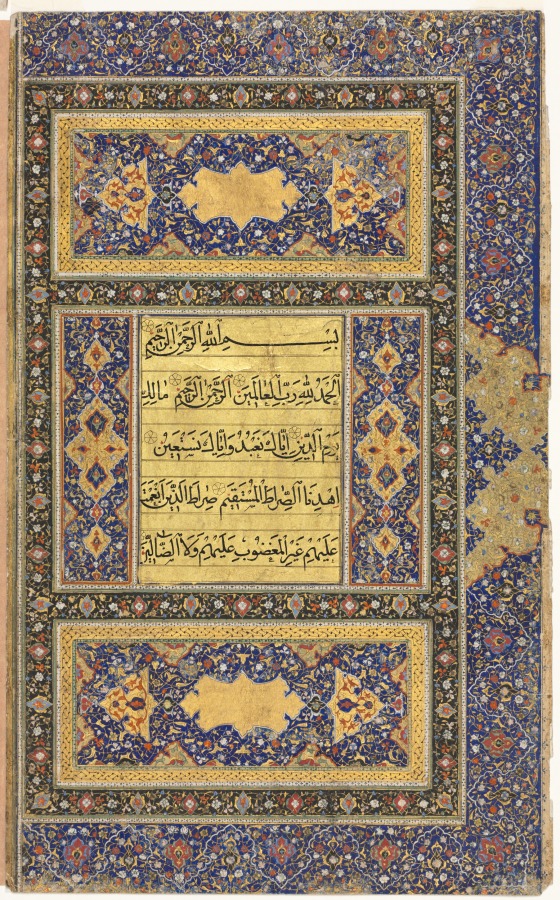
Qur'an Manuscript Folio
Cleveland Museum of Art
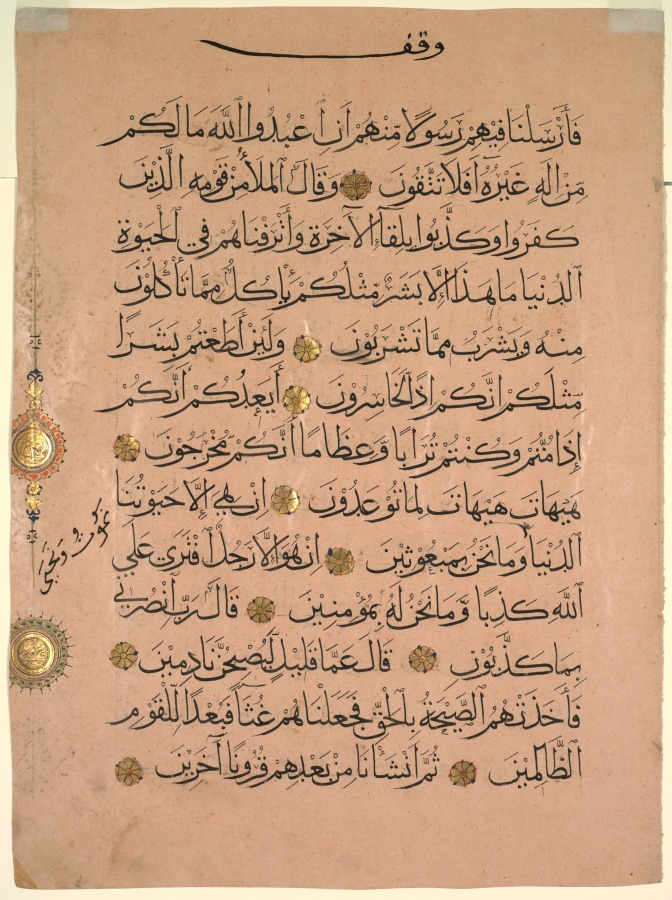
Qur'an Manuscript Folio
Cleveland Museum of Art
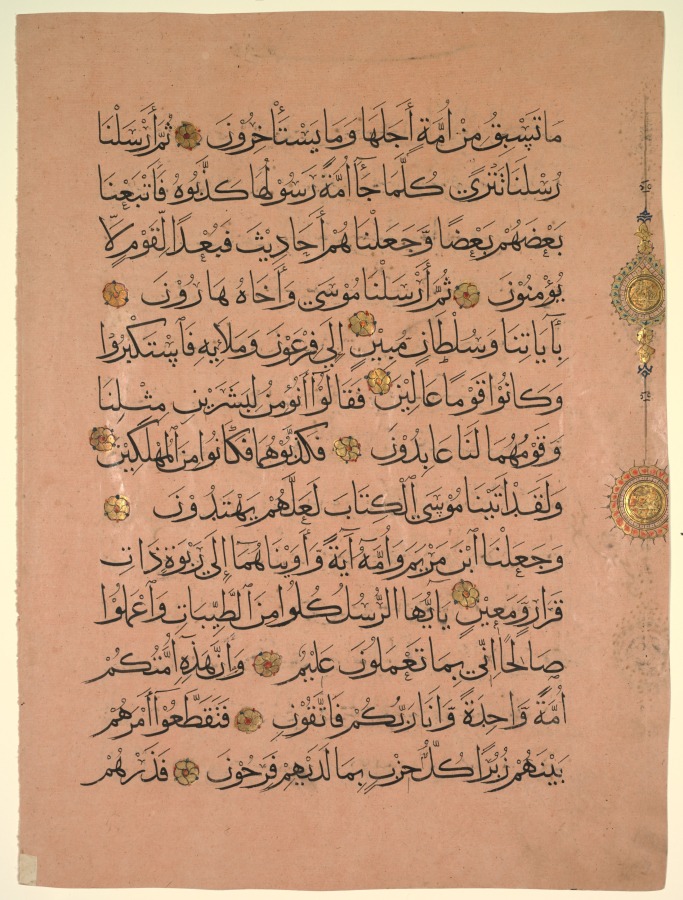
Leaf from a Qur'an
Cleveland Museum of Art
Leaf from a Qur'an (verso)
Cleveland Museum of Art

Page from the Koran
Minneapolis Institute of Art

Page from the Andalusian Pink Qur'an
Minneapolis Institute of Art

Page from the Qur’an
Minneapolis Institute of Art
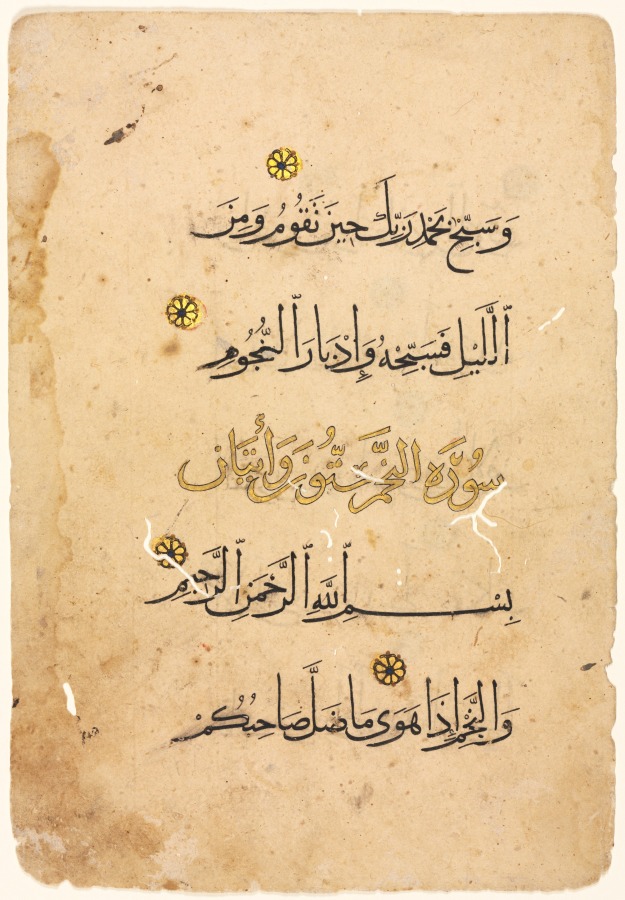
Qur'an Manuscript Folio
Cleveland Museum of Art
Qur'an Manuscript Folio
Cleveland Museum of Art
Qur'an Manuscript Folio (verso)
Cleveland Museum of Art