Cleveland Museum of Art
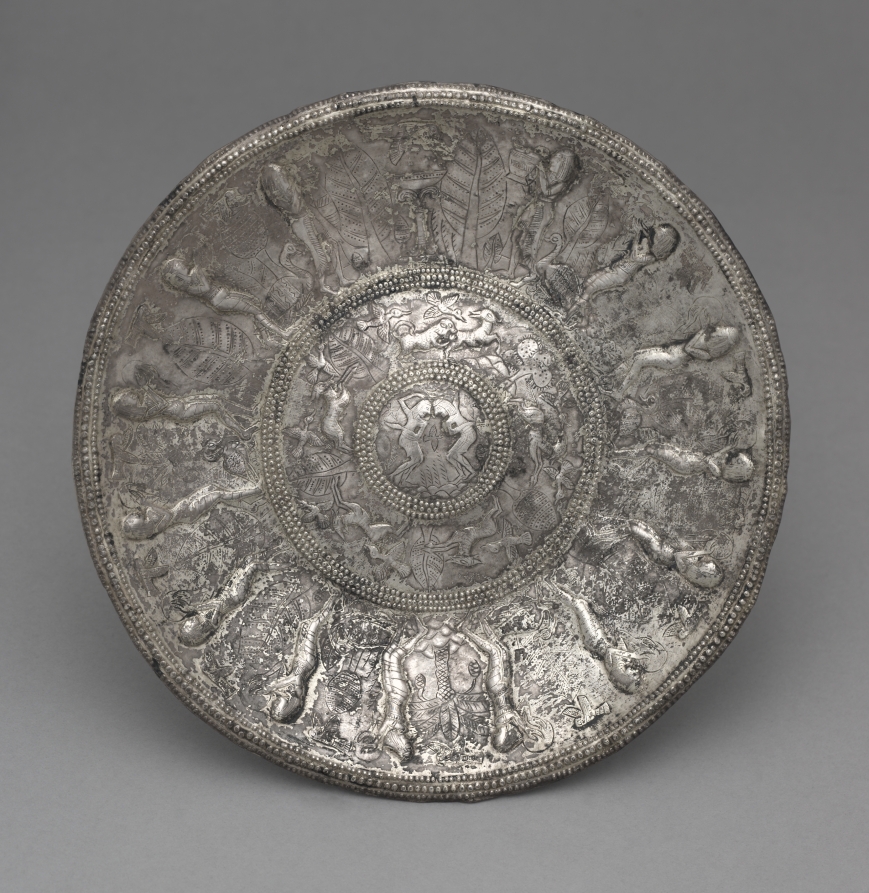
Dish with Tambourine Players
- Date
- 700–600 BCE
- Medium
- silver, partially gilt
- Culture
- Phoenicia
- Department
- Egyptian and Ancient Near Eastern Art
- Institution
- Cleveland Museum of Art
The Phoenicians lived on the coast of what is now Israel and Lebanon from about 1200 to 700 BC. Skilled sailors, traders, and craftsmen, they are best remembered today for having developed the basis of the Western alphabet. Their travels took them to Iran, where they bought silver, and to Egypt, where they bought ivory and acquired a taste for Egyptian artistic motifs. For example, many of their works of art include sphinxes and lotuses.
The authoritative record is held by Cleveland Museum of Art. LinkedCulture surfaces this object and its connections; it does not alter institutional metadata.
Related across collections
Semantically similar works from Cleveland Museum of Art and other institutions.
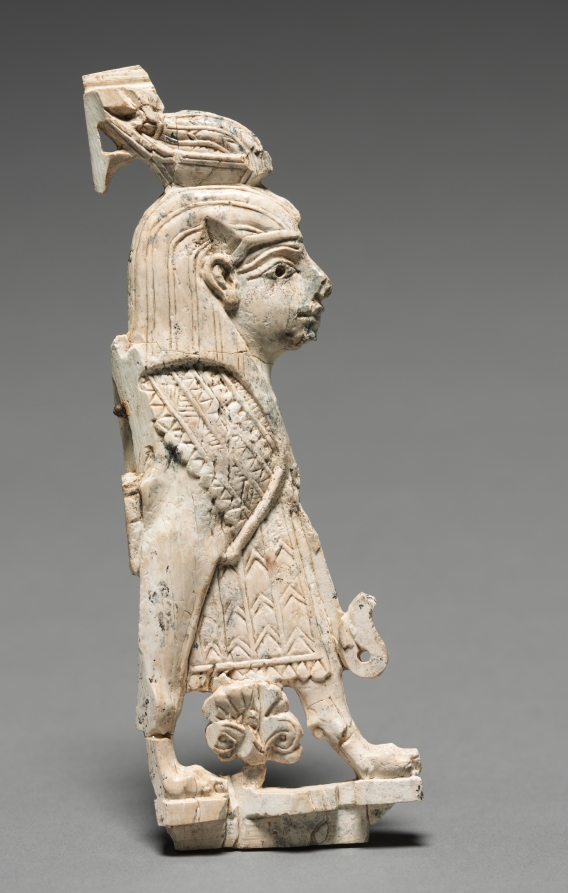
Decorative Plaque: Winged Sphinx
Cleveland Museum of Art
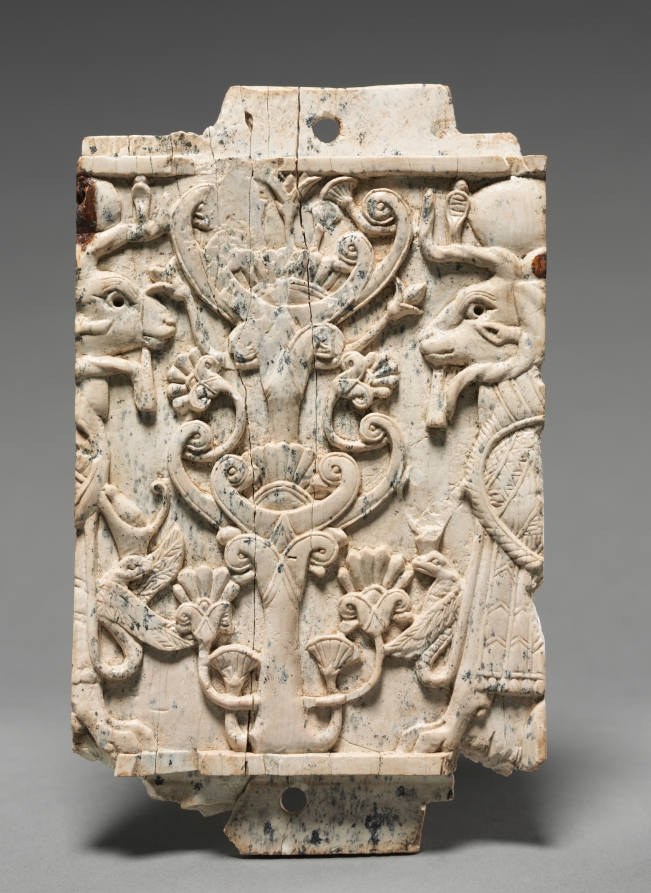
Decorative Plaque: Ram-Headed Sphinxes Flanking a Sacred Tree
Cleveland Museum of Art
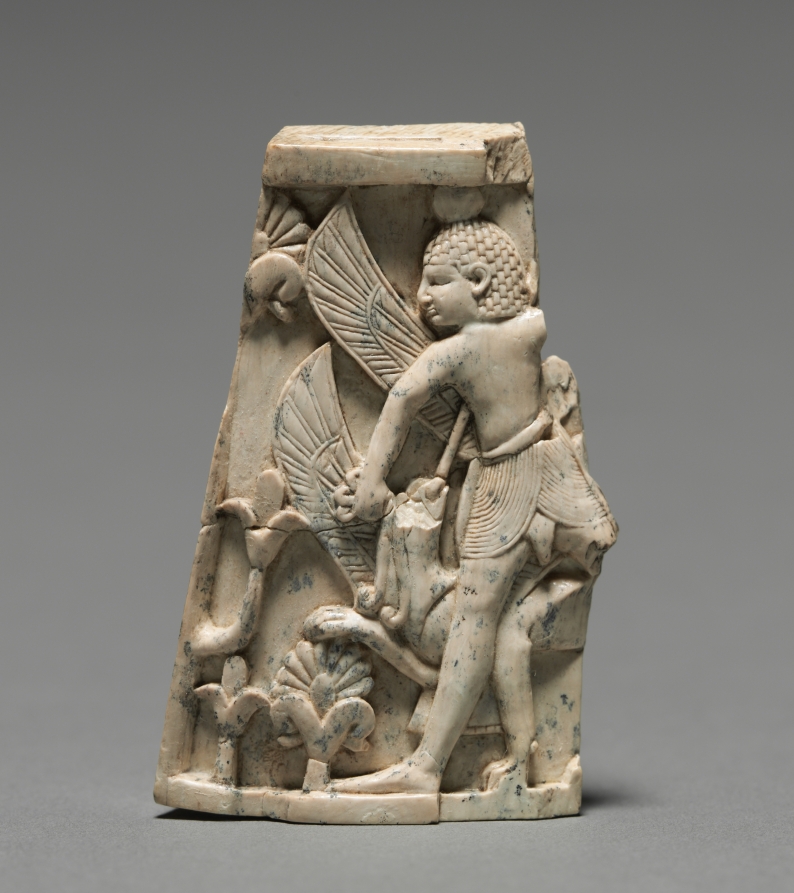
Decorative Plaque: Man; and Griffin in Combat
Cleveland Museum of Art
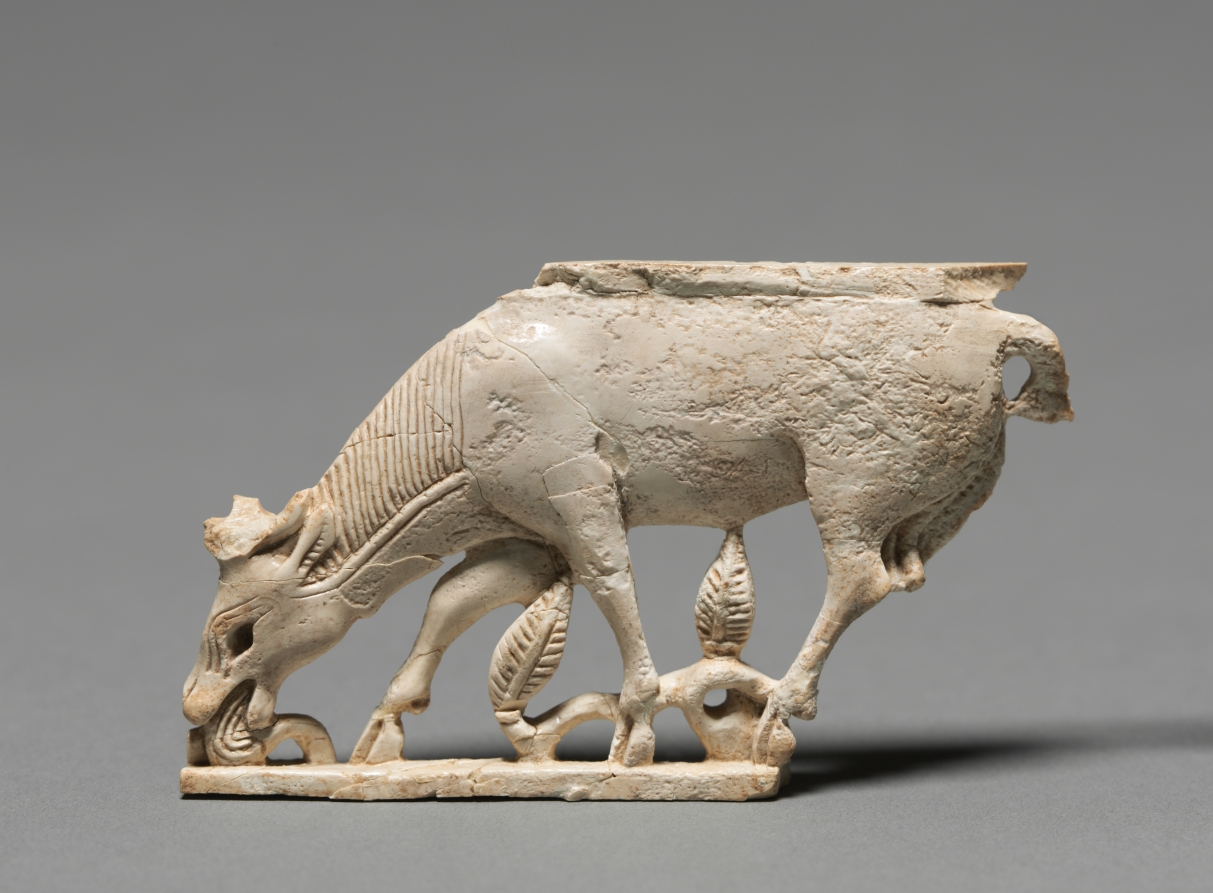
Decorative Plaque: Browsing Stag
Cleveland Museum of Art
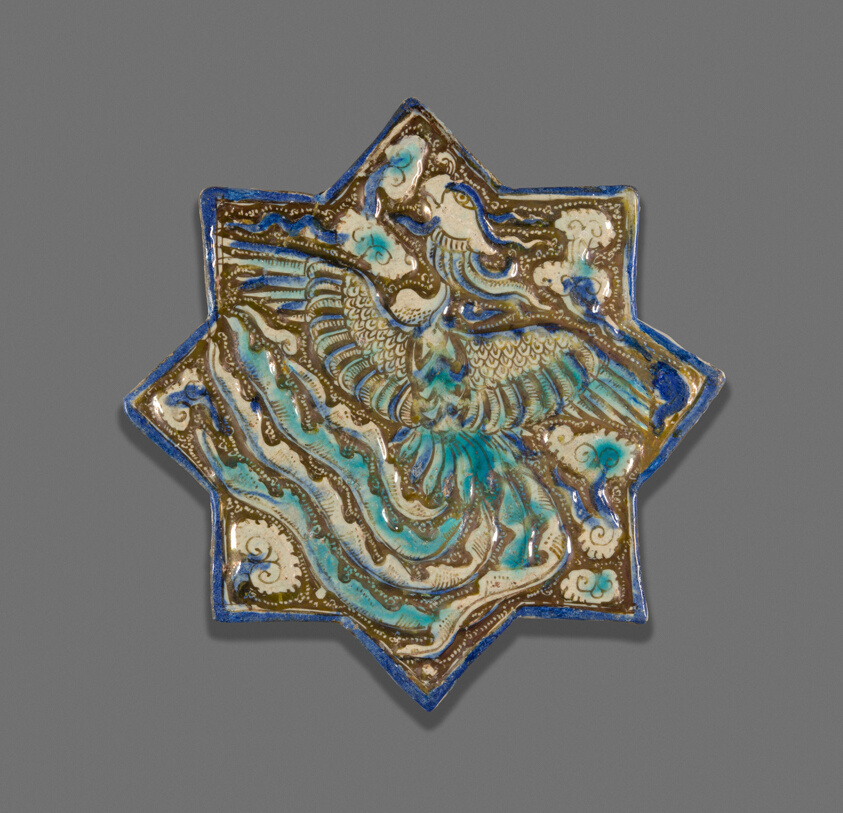
Star-Shaped Tile with Phoenix
Art Institute of Chicago

Bowl with phoenix motifs
Minneapolis Institute of Art
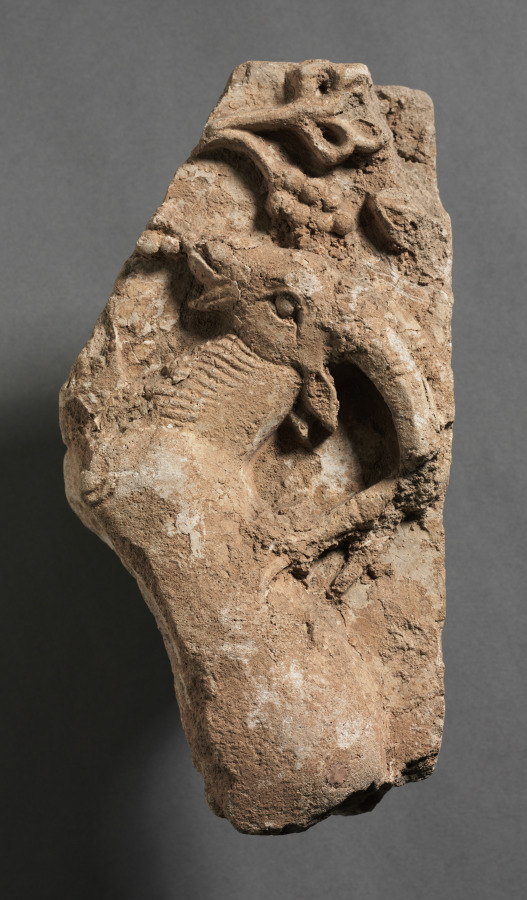
Ibex Eating
Cleveland Museum of Art

Bowl with Leaf Calyx Medallion
Getty Museum
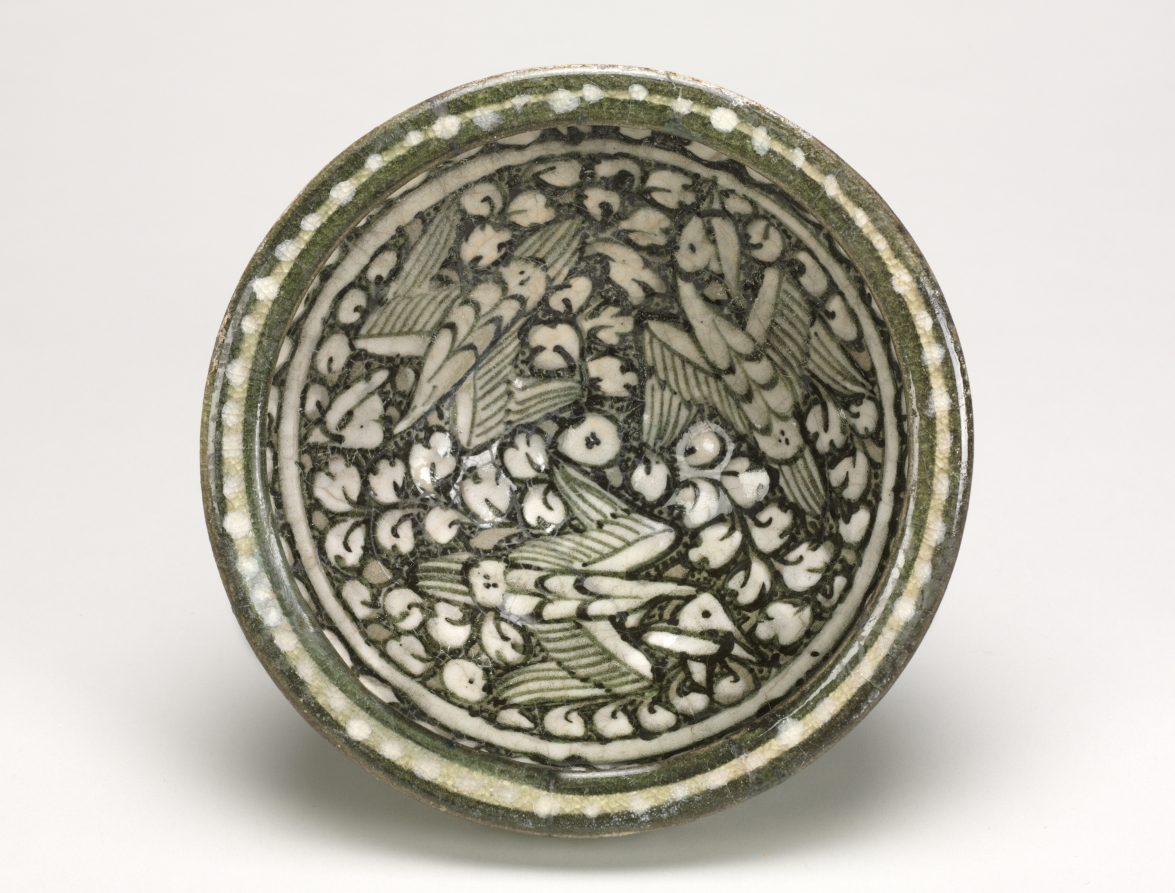
Bowl with Flying Birds
Cleveland Museum of Art
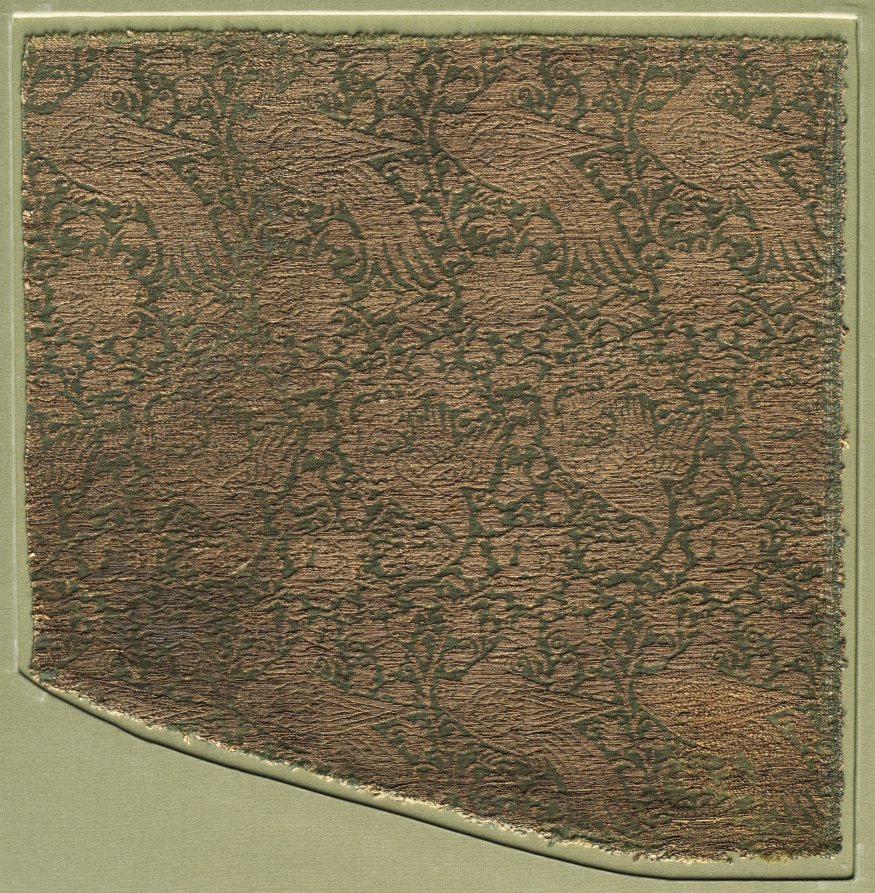
Lampas with phoenixes amid undulating vines
Cleveland Museum of Art
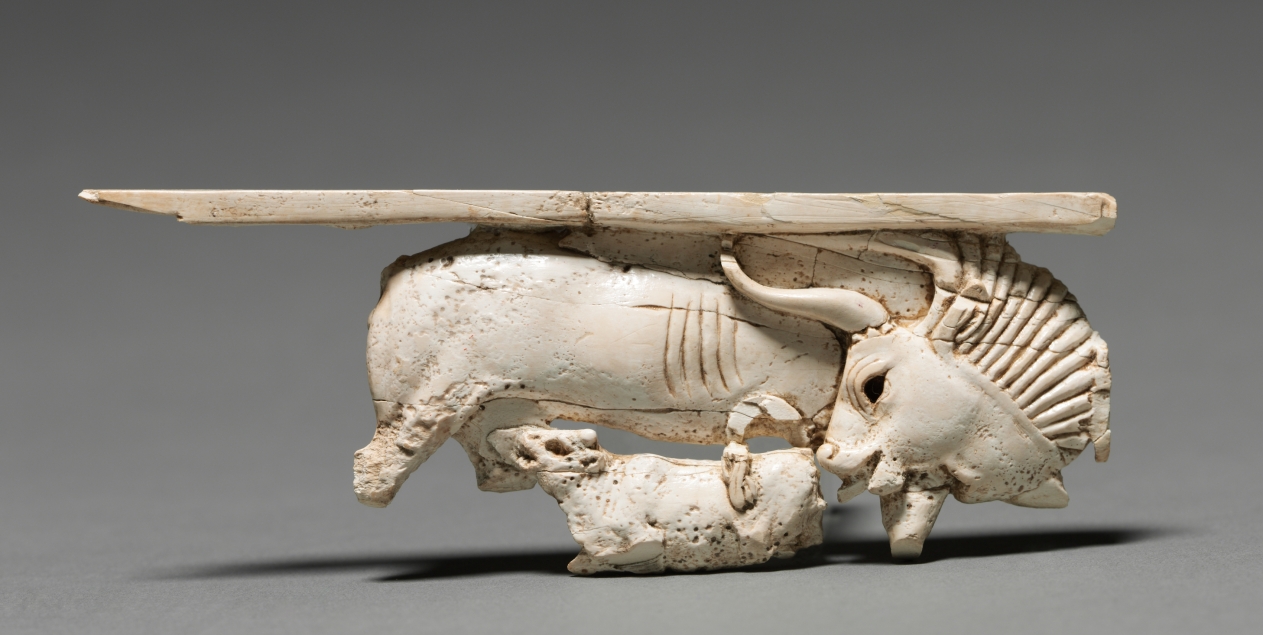
Decorative Plaque: Cow Nursing Its Calf
Cleveland Museum of Art

Phoenix
Minneapolis Institute of Art